Tag: history
-
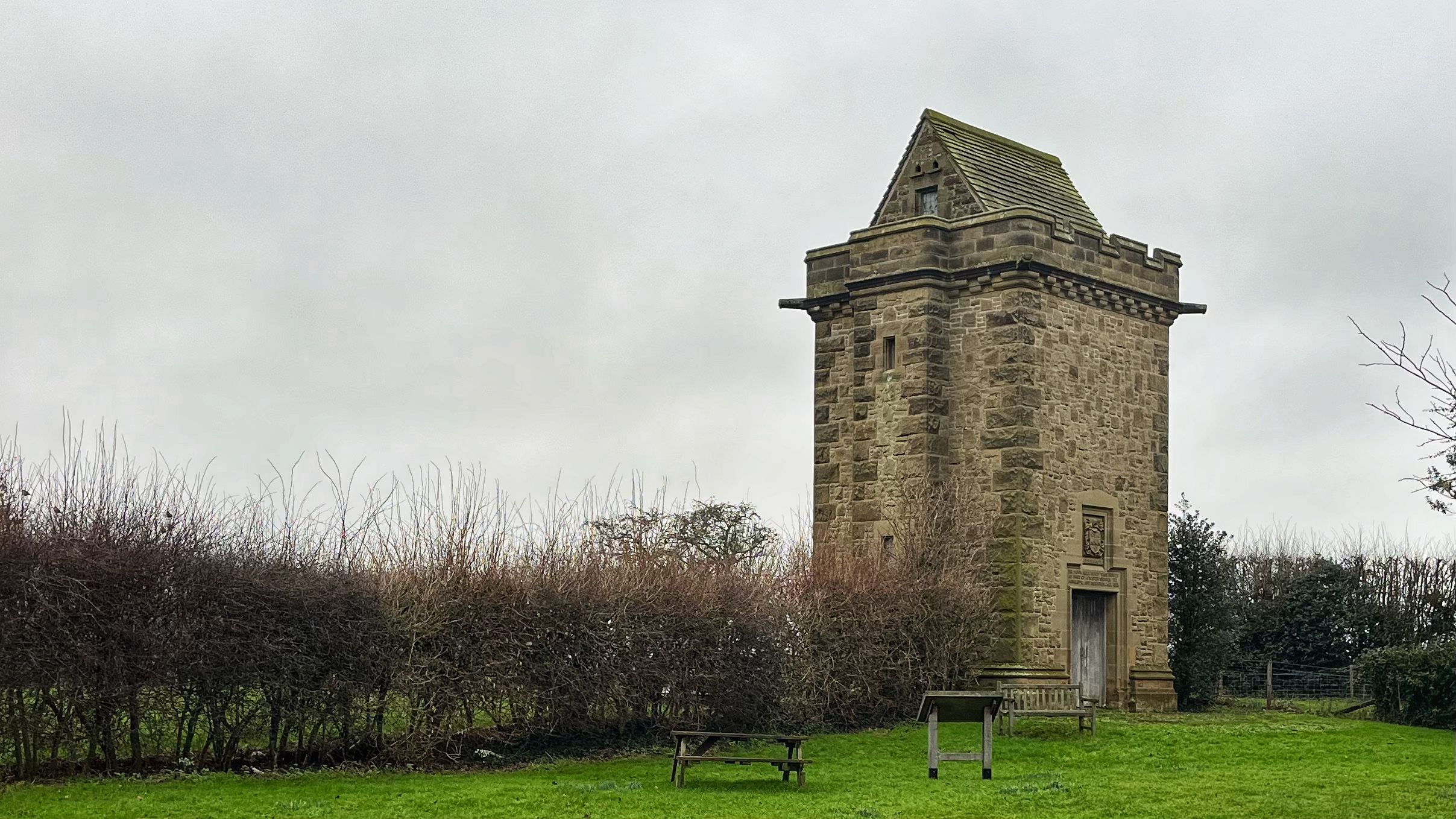
More Than a Water Tower
At first glance, this stone tower at Ingleby Arncliffe looks like a small, rugged castle left behind by history. It is easy to imagine it as a lookout, guarding the Cleveland Hills. But its story is not about defence or conflict. It is about hope, craft, and a quiet promise made for the future. This…
-
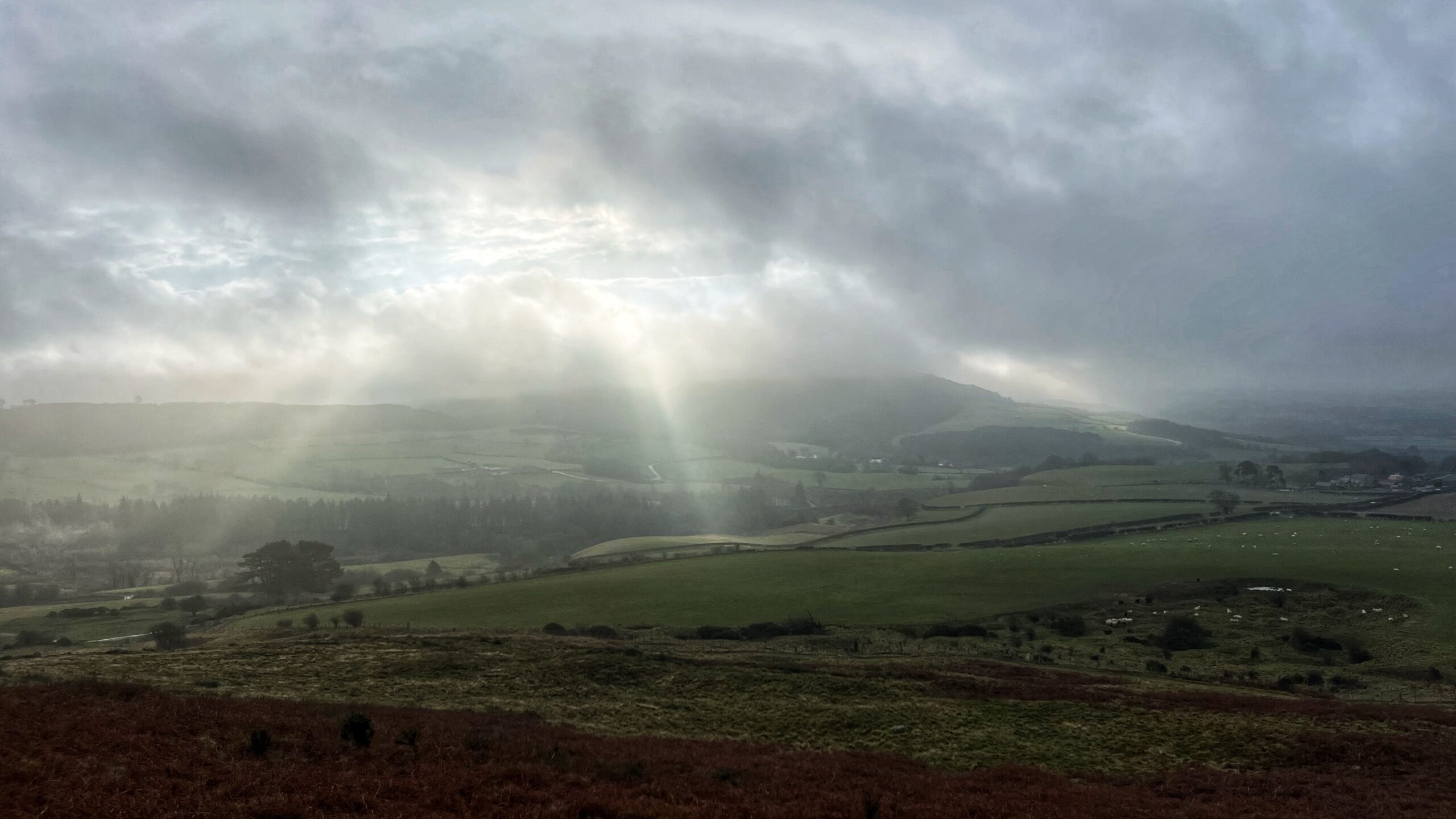
Solmōnaþ — Cake, Mud, and Lowered Hopes
It is Solmōnaþ. Cake Month. A rare cause for cheer in the damp gloom of February. In the Anglo-Saxon calendar, Solmōnaþ sat where February is now. It marked a time when offerings were made to pagan gods, back when England was less Christian and more heathen. The idea was simple. Feed the gods and hope…
-
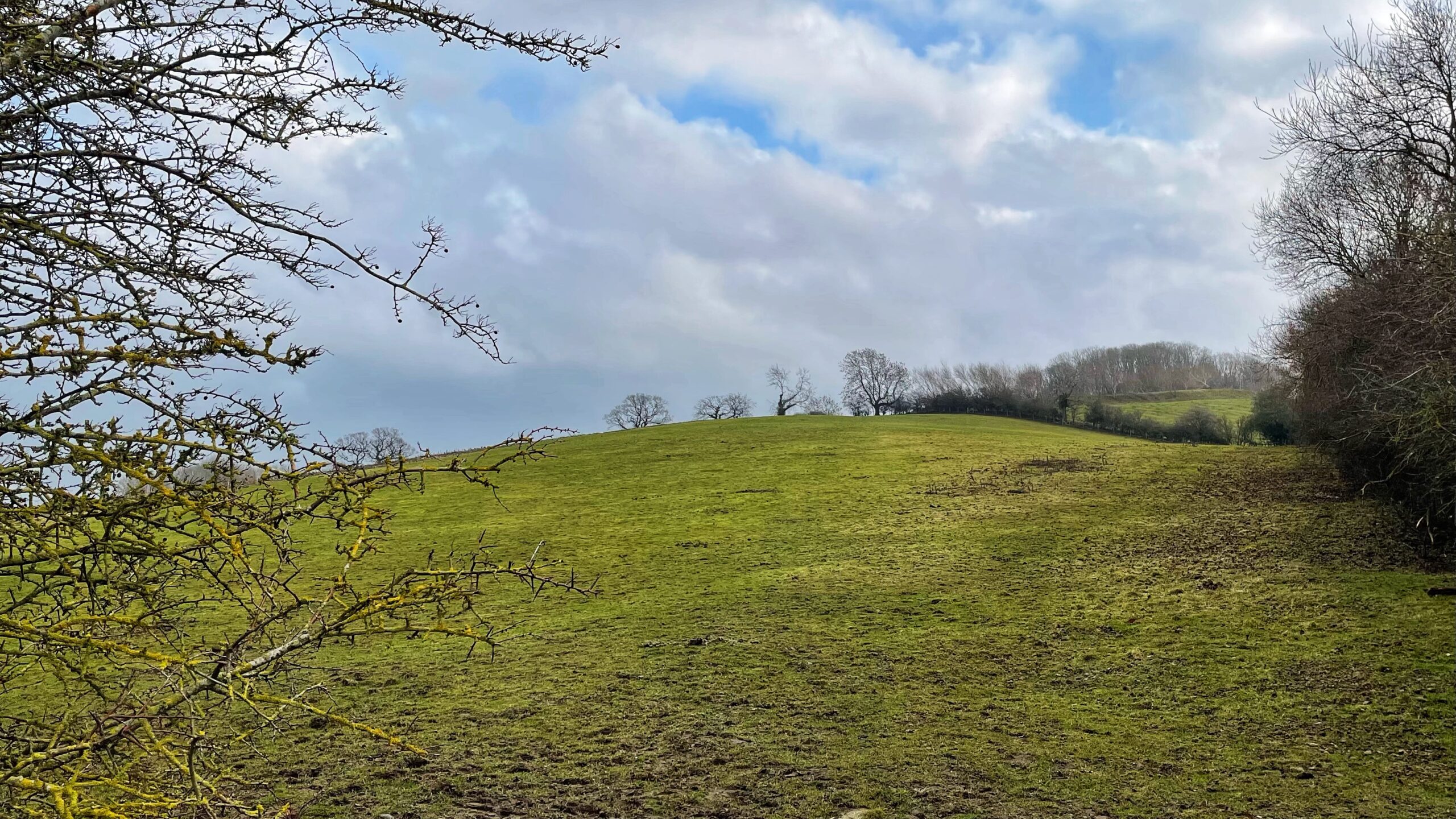
Tinghou: From Meeting Place to Housing Estate
Not the most flattering view for today, I will admit. A quiet field, currently earning its keep as horse pasture, pressed up against Lowcross Farm. I took the photograph for two reasons, neither of them aesthetic. First, for the record. This field sits under a planning application for a new estate of 117 houses. If…
-
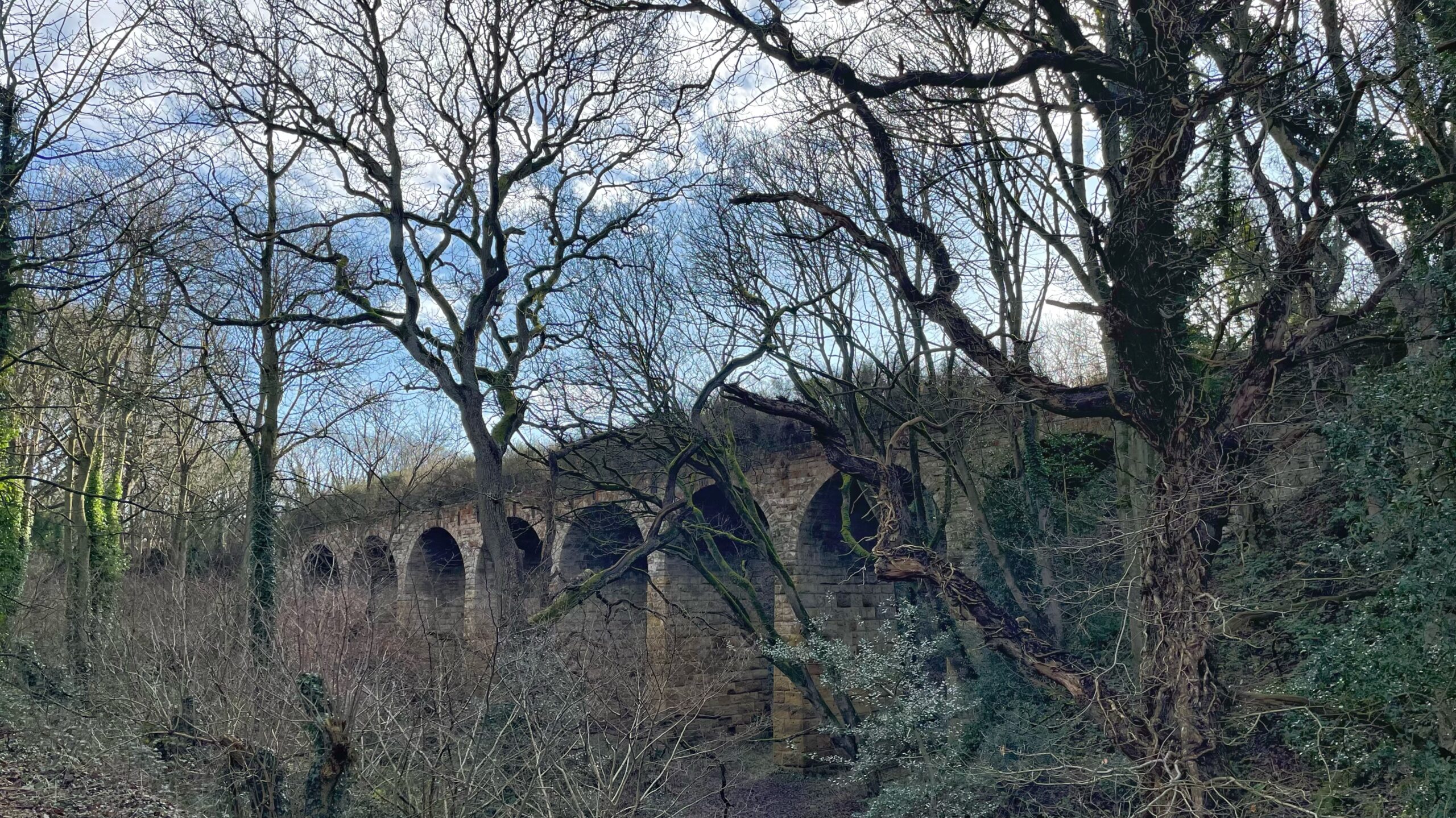
Viaducts, Violence and Victory: How Rival Railways Fought for Cleveland
The old viaduct at Slapewath stands forlorn and overgrown. It looks peaceful now. Built in 1861 by the Cleveland Railway, it sat at the centre of one of the fiercest railway battles in the north of England. By the time the Middlesbrough & Guisborough Railway was running, one thing was clear. It was not going…
-
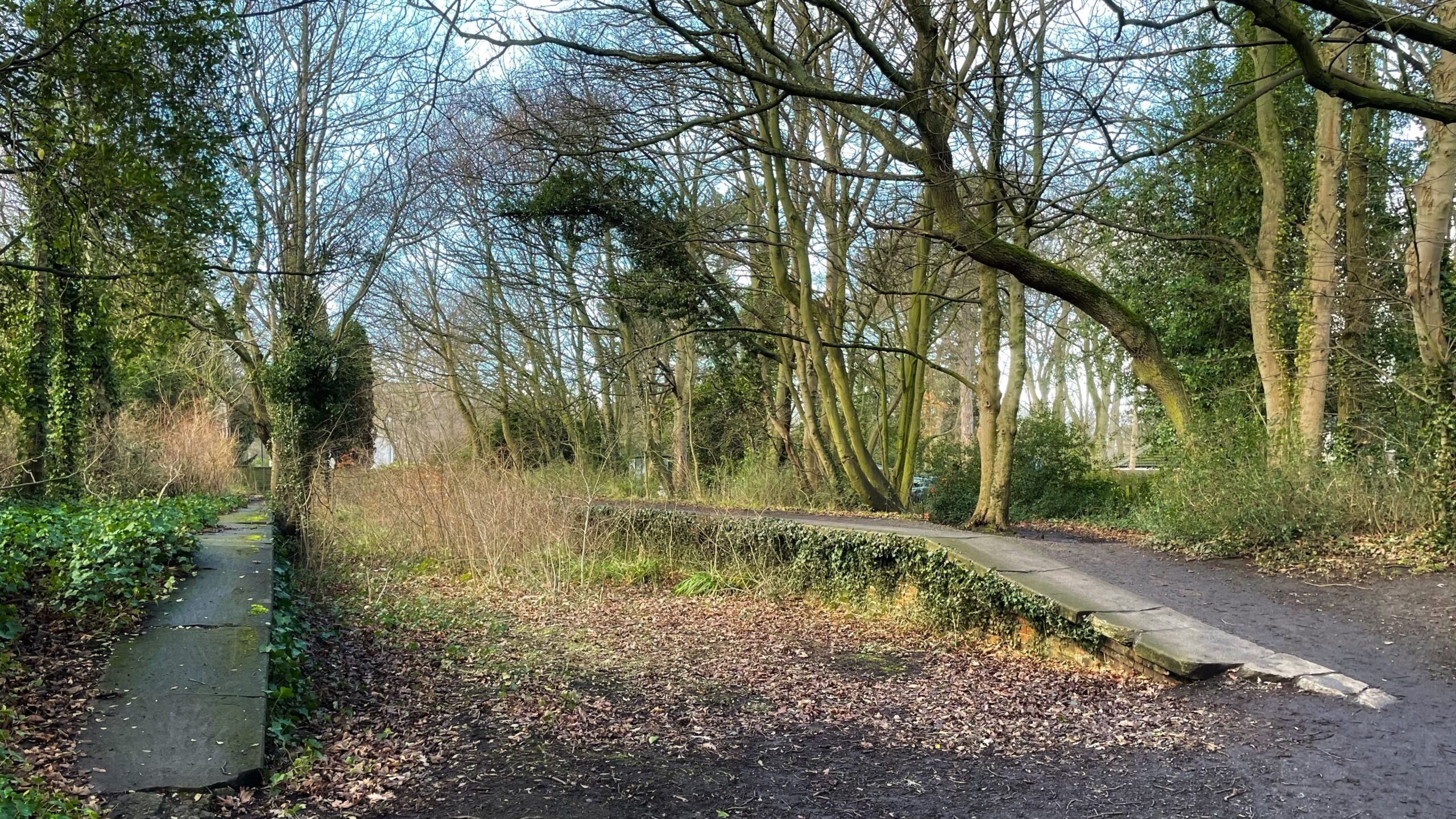
The Station That Was Not for the Plebs: How Guisborough Got a Railway, Reluctantly
The photograph shows an overgrown piece of railway history: the remains of the private station, built not for a town, but for Sir Alfred Edward Pease of Hutton Hall. It is a neat place to begin, because it tells you almost everything about how the railway first came to Guisborough. In 1850, Guisborough had no…
-
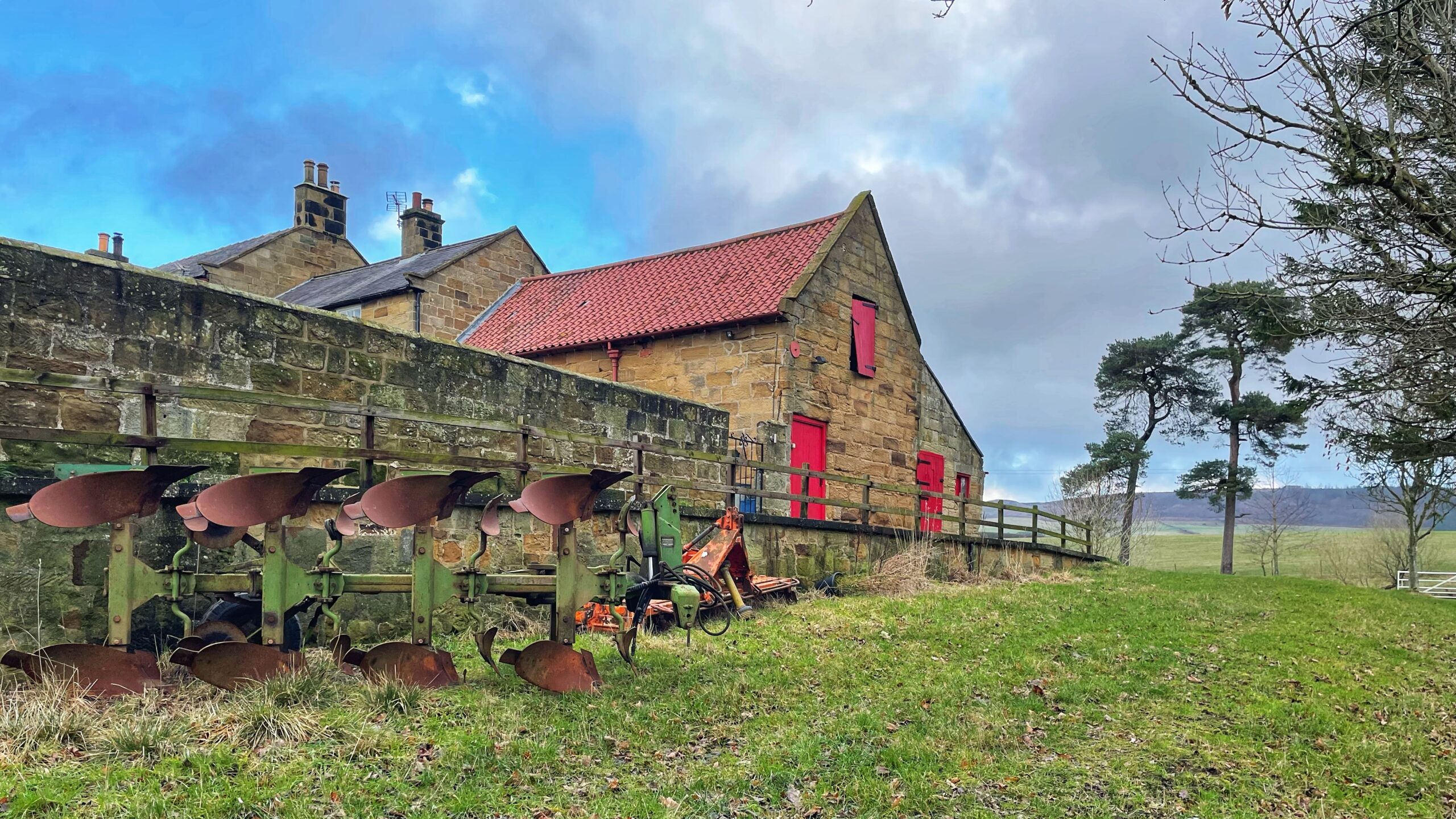
The Silent Machine
A heavy plough stands sulking in a farmyard, built like a tank and already freckled with rust. It was made to tear into the ground and turn it over without mercy. Now it does nothing at all. You see this sort of thing everywhere. It stands as a quiet sign that our view of soil…
-
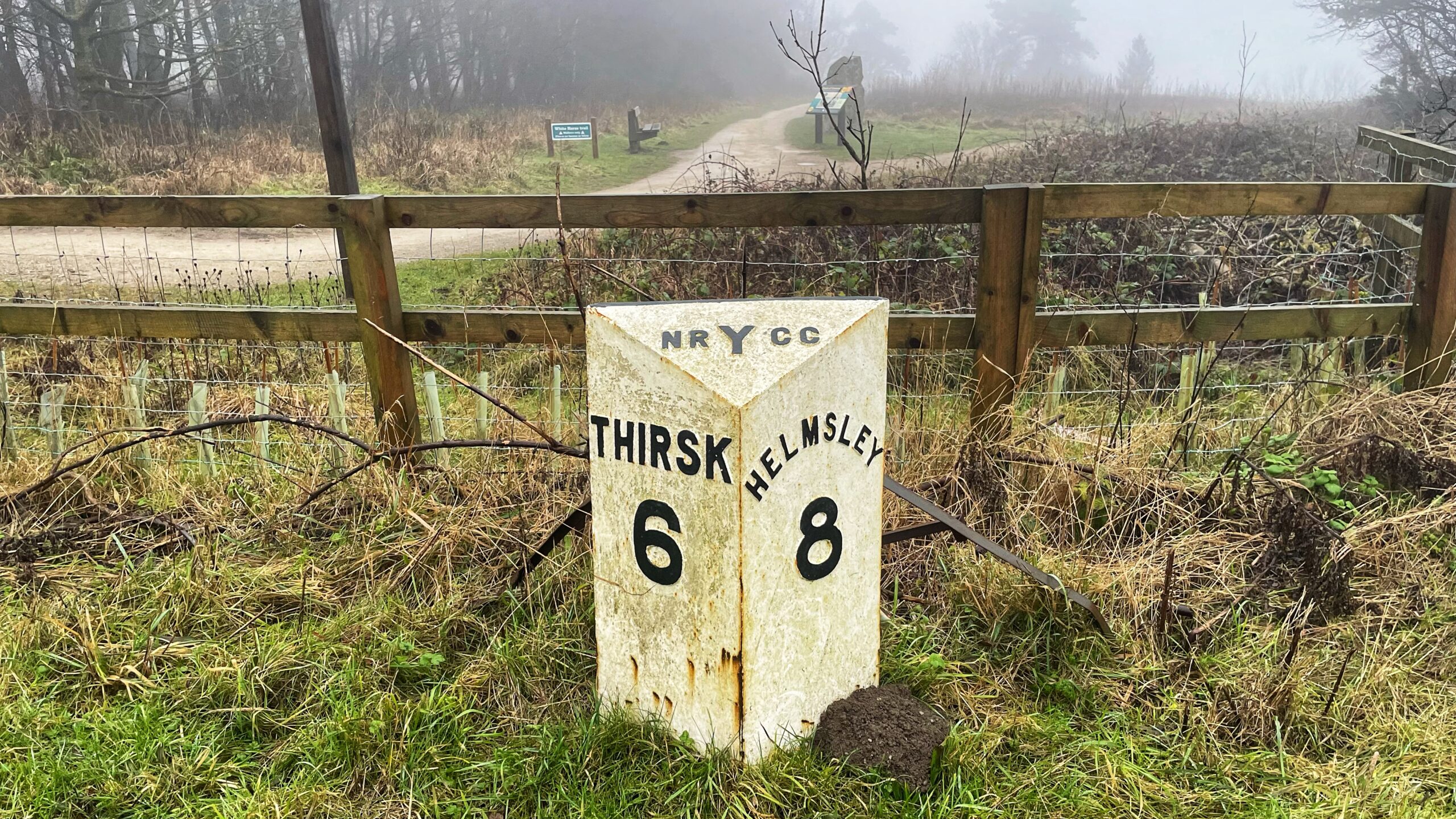
Sutton Bank’s Finest Object Today
The “finest view in England” decided to play hard to get on our trudge from Sutton Bank, and anything else worth photographing was equally uncooperative. So this posting is very much for the faithful. Those nerds who slow down for roadside trivia and feel a small thrill at a lump of iron with numbers on…
-
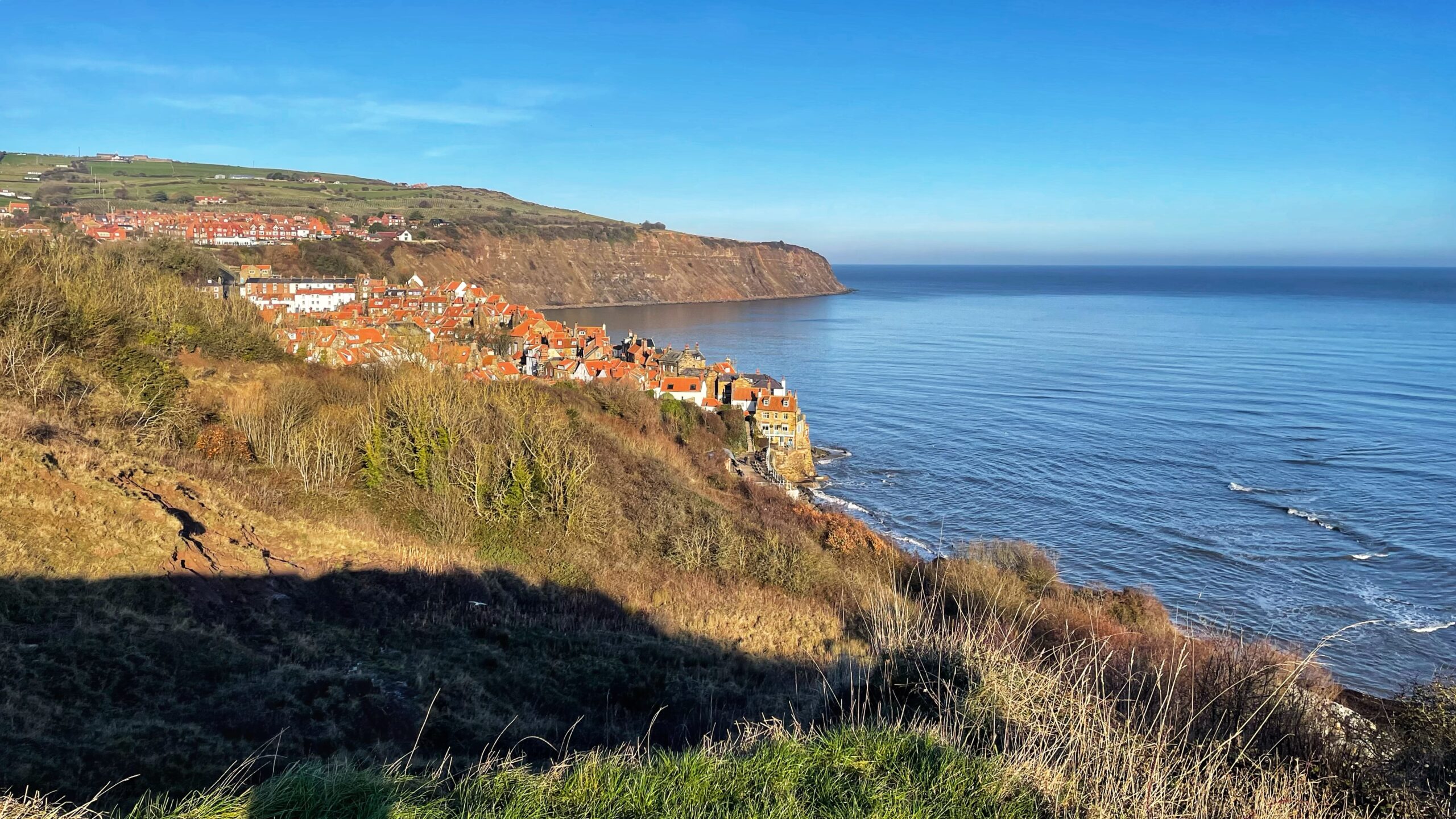
The Impossible Rescue—a Victorian Lifesaving Legend
A fine day today on the coast south of Robin Hood’s Bay, the sort that invites postcards and ice creams, albeit a little chilly. In January 1881 it was another matter. A storm was brewing, snow lay in eight-foot drifts on the high ground, and the village was all but cut off from the world.…
-
Faith, Frugality, and Education: Ayton School in the 1840s
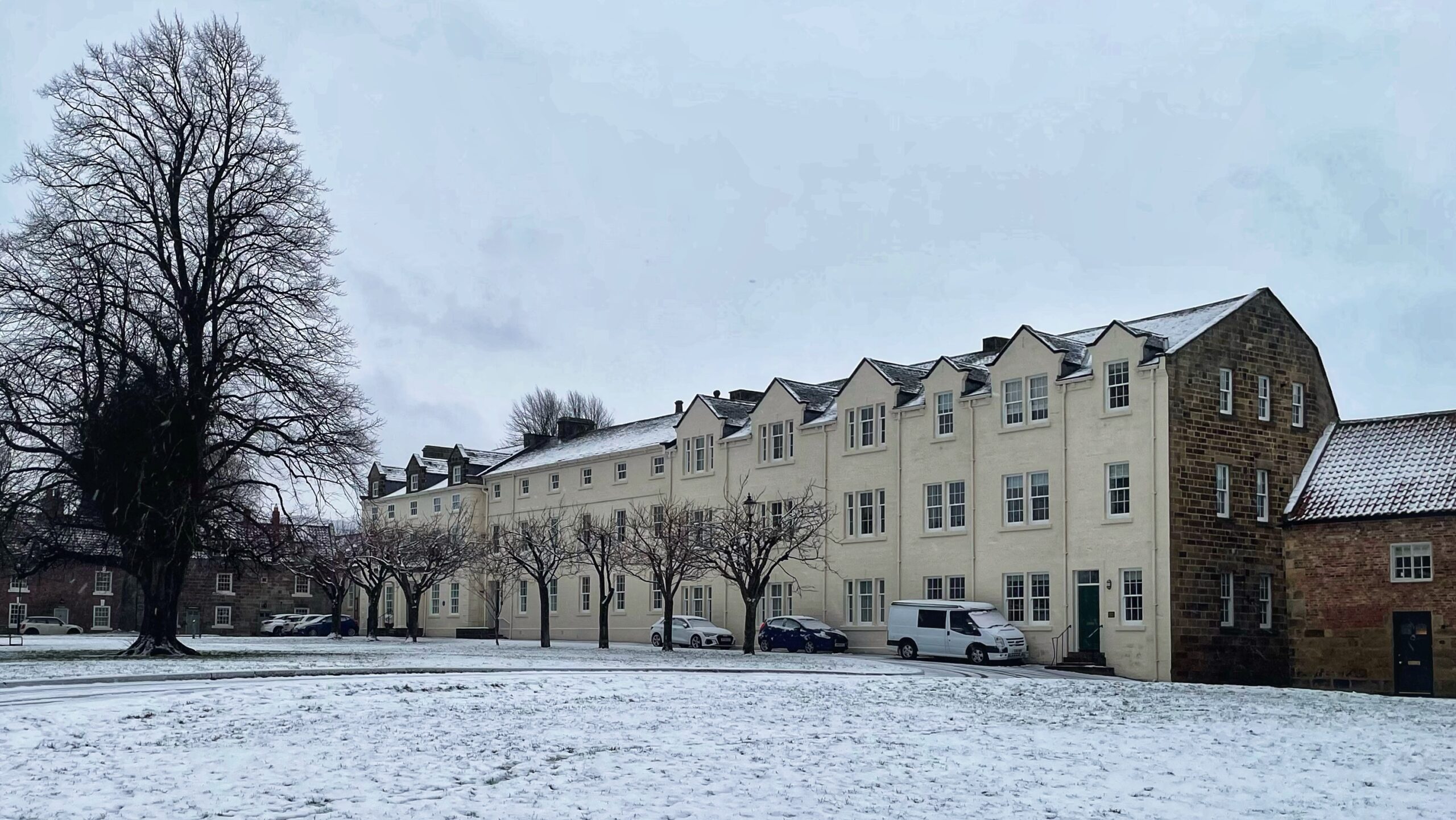
A dreich Sunday morning left the village unusually quiet—an ideal moment to post a piece that has been waiting patiently on the back burner for the right photo. Old buildings are silent witnesses to history. Their stones and timbers absorb human lives, ambitions, and compromises, even when those stories fade from memory. If we know…
-
Shelter in Stone — Bee Boles in Glaisdale
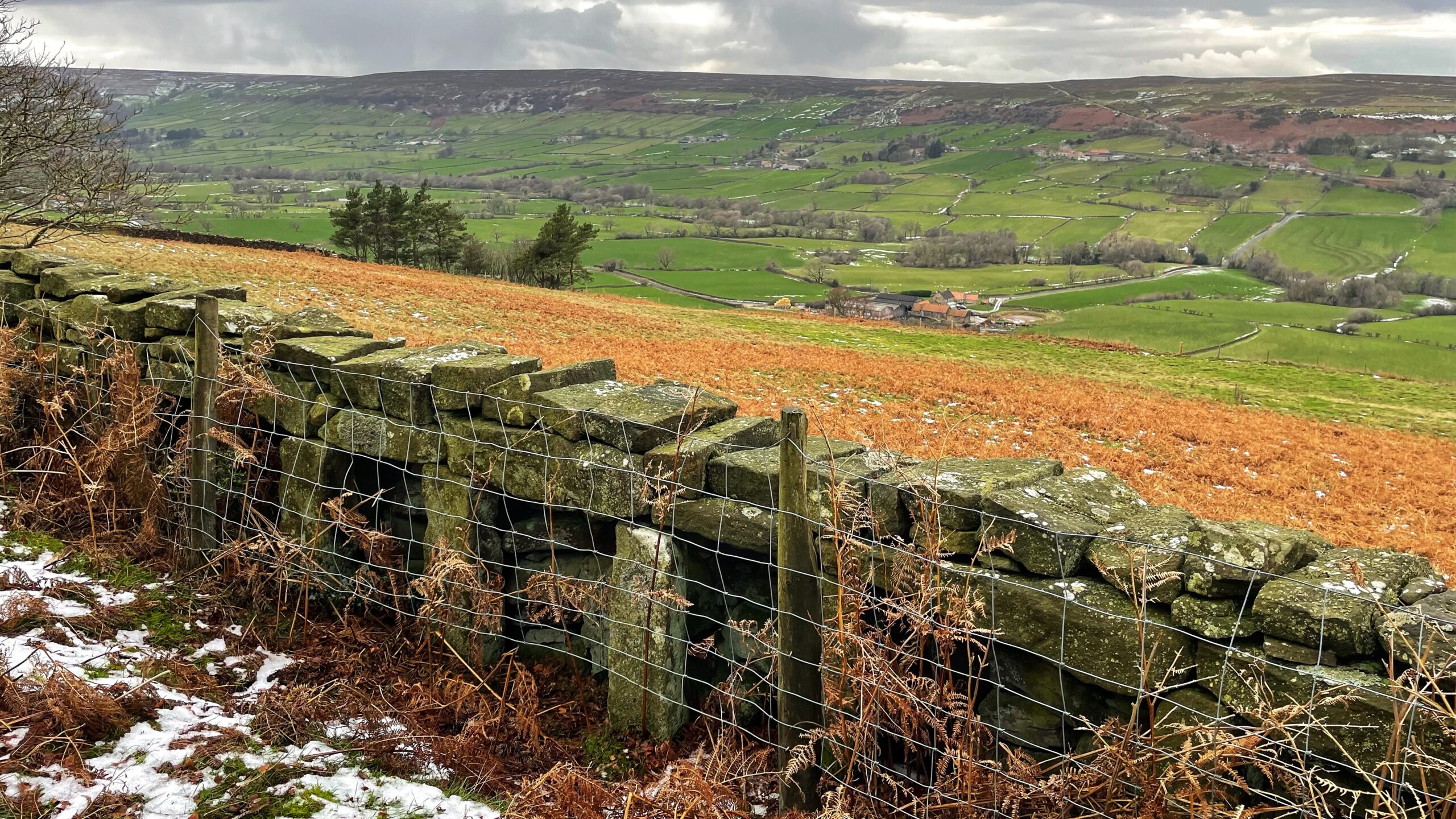
It is eleven years since I last walked this stretch of Glaisdale, and it is a quiet pleasure to find the bee boles still standing, having endured the long attrition of moorland winters. Even the ungainly stock fencing has earned its keep, discouraging sheep from testing their climbing skills. Bee boles are recesses built into…