Tag: alum
-
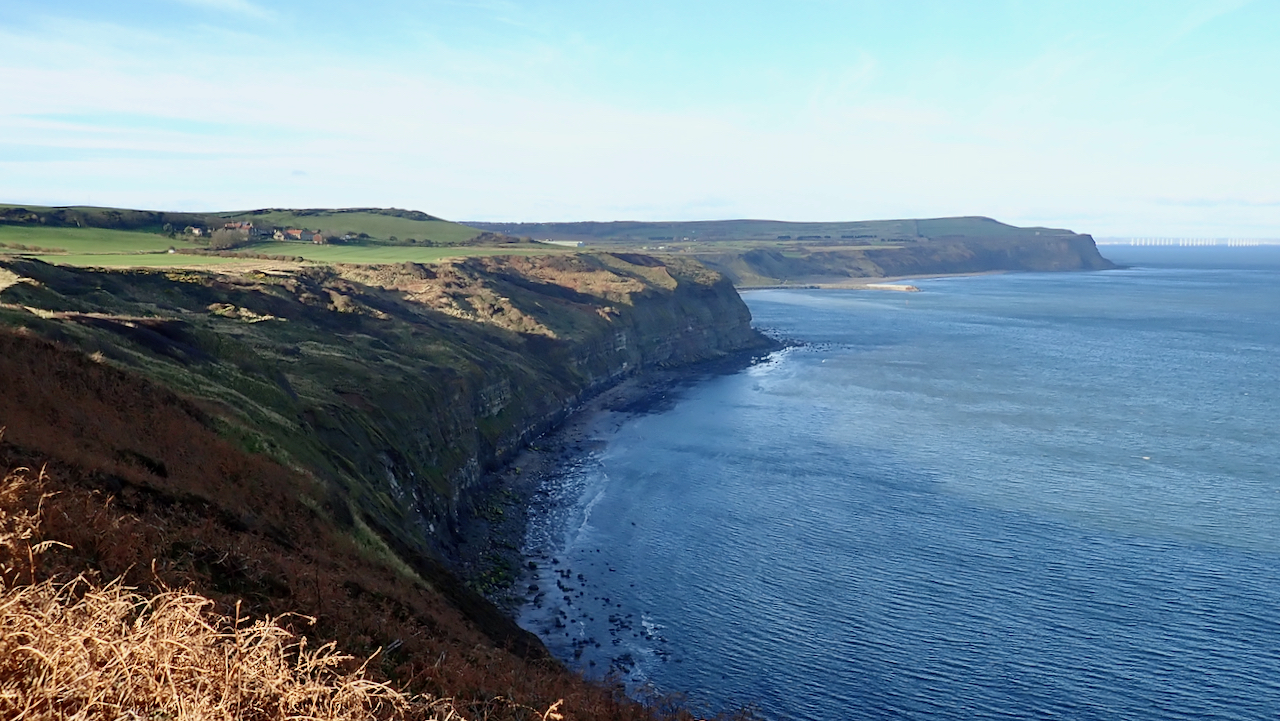
Hummersea Bank
I’ve had it in mind for some time now to explore the Public Footpath which drops down Hummersea Bank to the beach. Well, I say beach, but it’s just a sandy rocky sliver only dry at low tide. On the featured photo above, on the left is Hummersea Farm and in front of that, is…
-
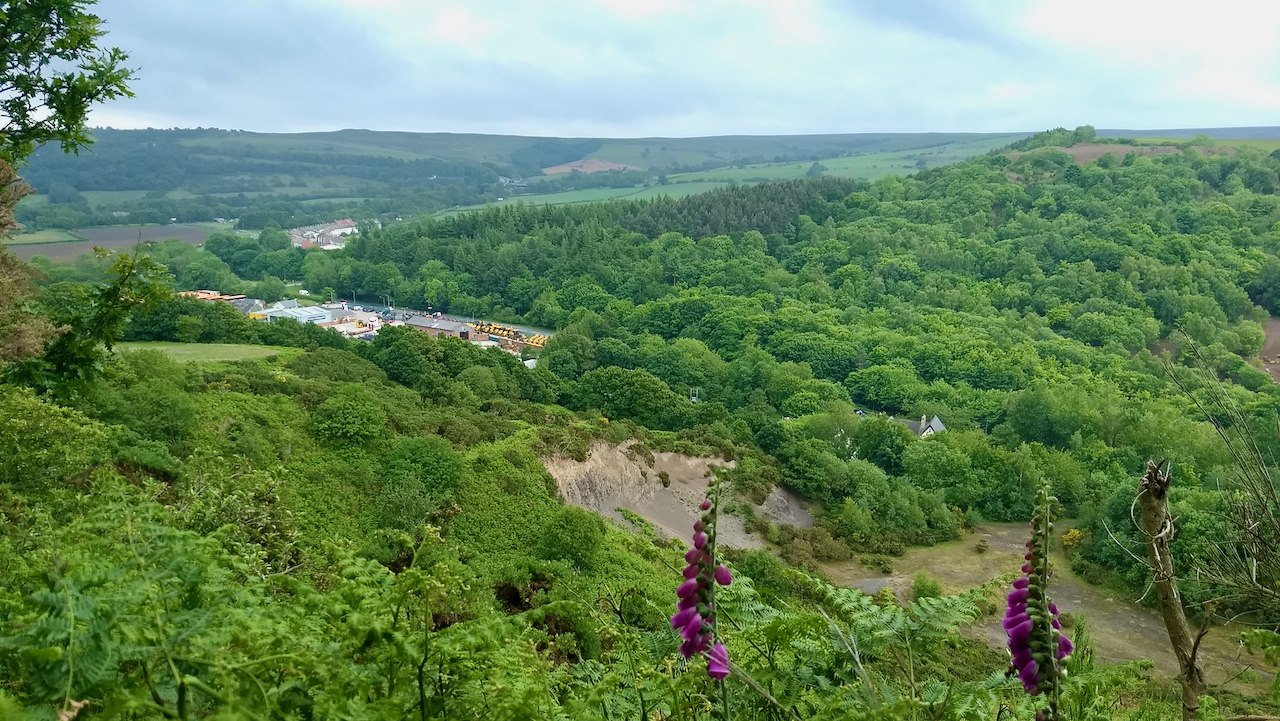
Rock Hole, Springbank, Slapewath
Walked a section of the Cleveland Way on a cloudy day with several showers. After crossing the A171 at Slapewath the route toils up Springbank around the huge bowl of Rock Hole, the remains of a 17th-century alum quarry. After 400 years some of the shale sides of the quarry noticeably haven’t reverted back to…
-
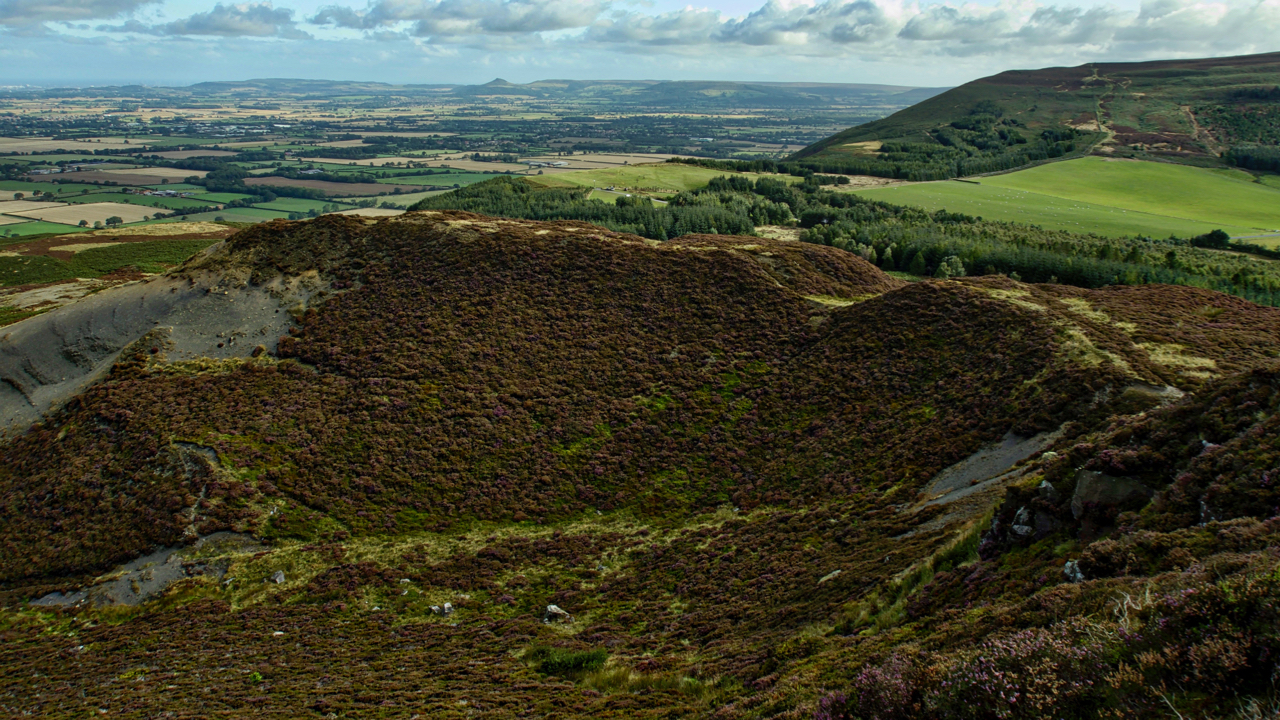
Carlton Bank
It is hard to imagine that 150 years ago this would have been a scene of intense industrial activity. For over a century there had been quarrying of the Jurassic shales needed in the production of alum crystals for use as a mordant in the dyeing of textiles and as a tanning curing agent. Alum…
-
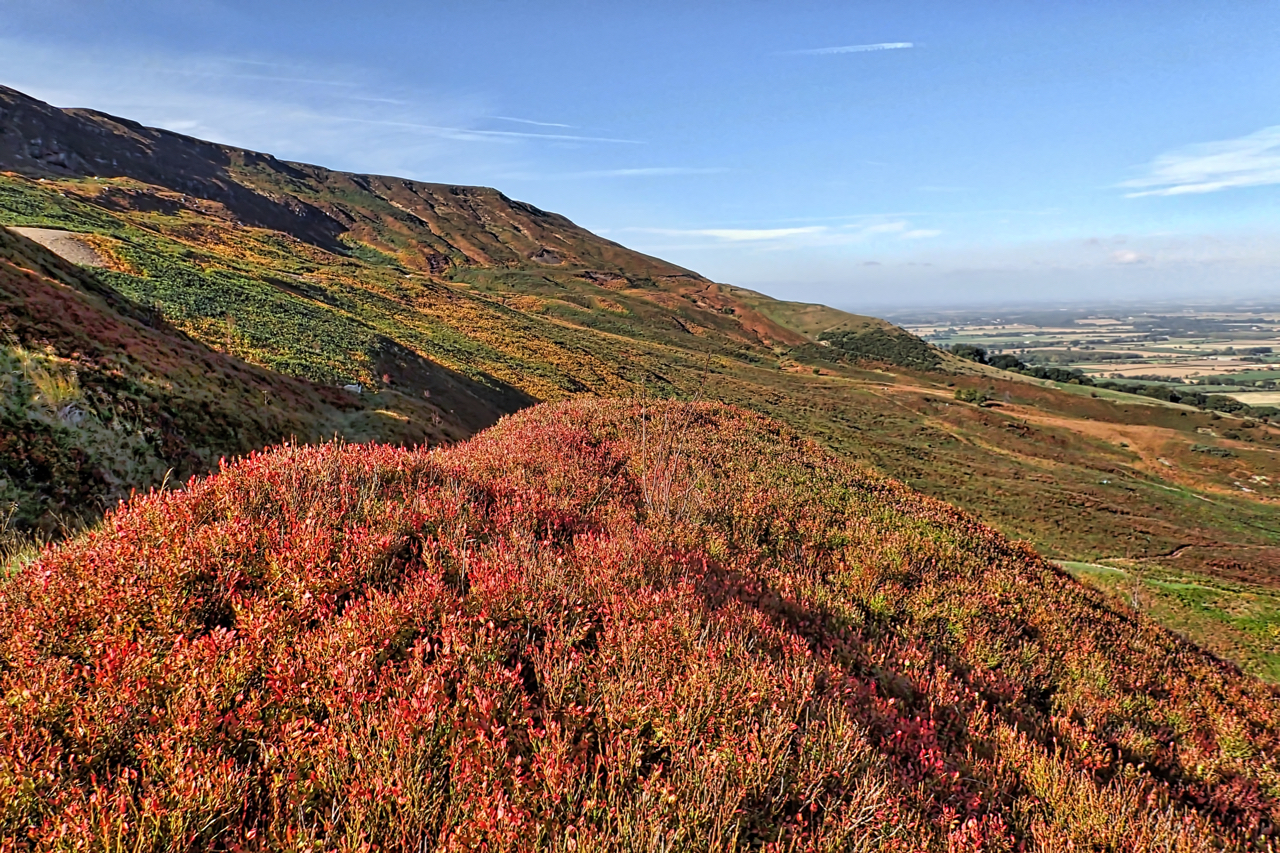
Kirkby Bank
Kirkby Bank, the steep northern face of Cringle Moor giving a fine autumnal display of rich colours. The photo also shows well almost three hundred years of man’s activities. History is much older than that of course. The underlying rock is Jurassic, laid down between 150 and 200 million years ago when Yorkshire was on…
-
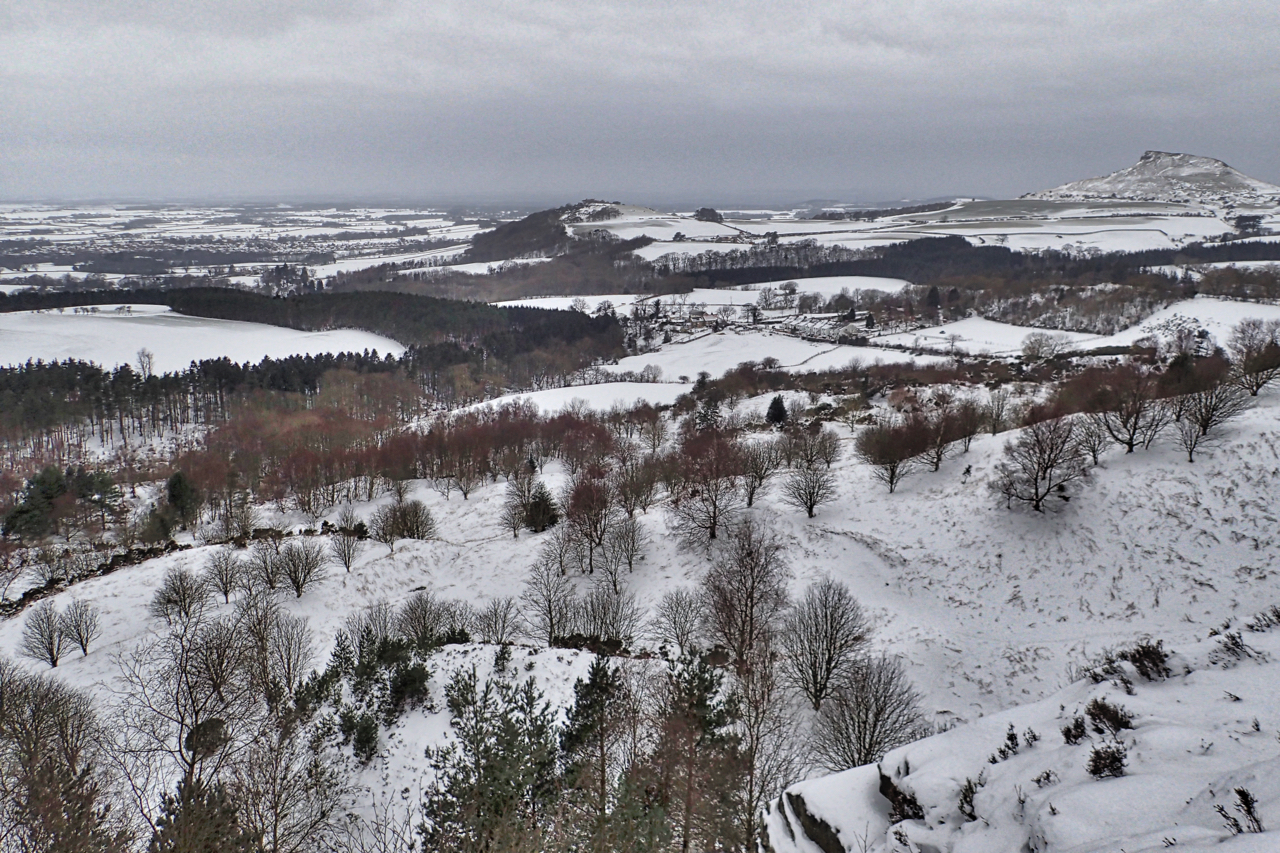
Ayton Banks Alum Works
A cold, overcast day. The fresh snow of the last few days has aged into a dirty wet surface. I found myself above Gribdale looking down on the heavily worked hillside of Cockshaw where the snow accentuated the contours of the Ayton Banks Alum Works that operated for a mere nine years in the latter…
-
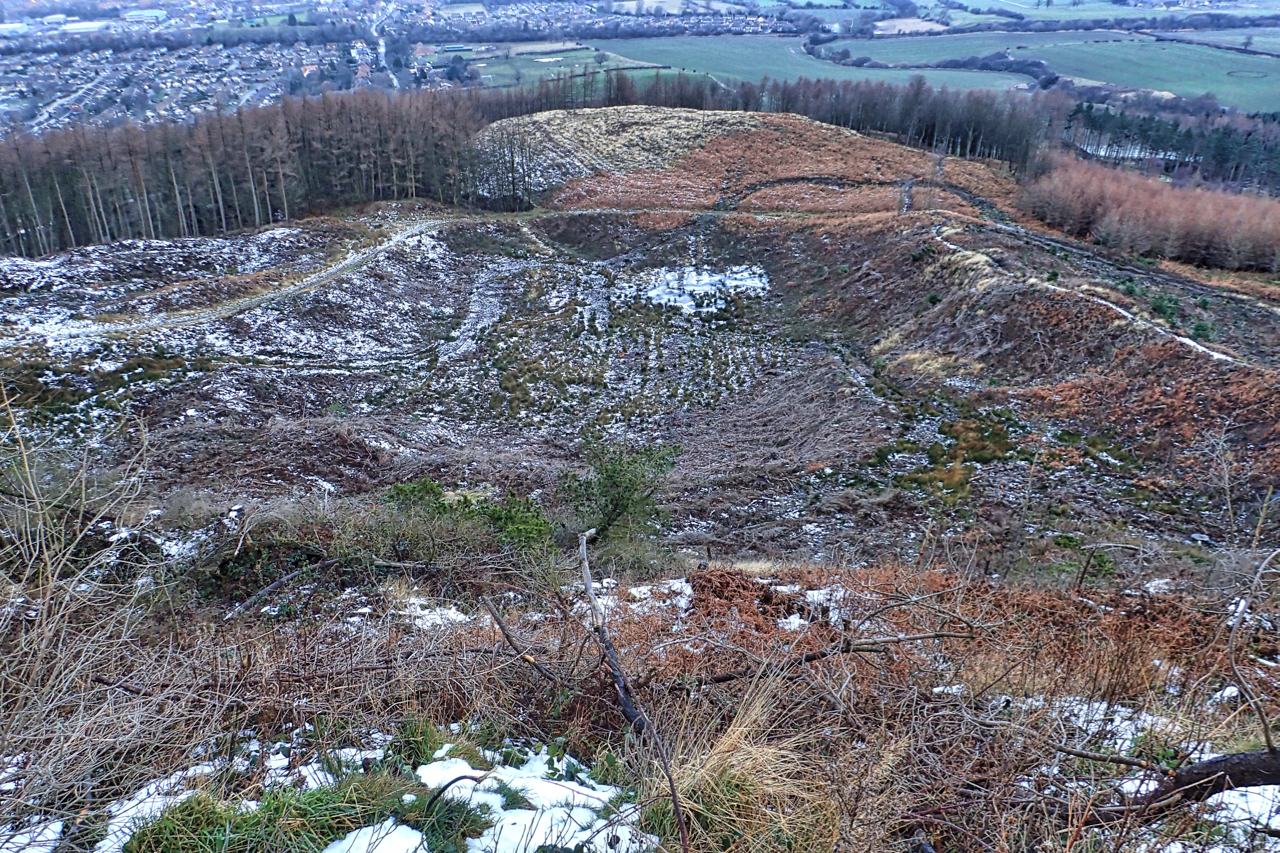
Belman Bank Quarry
Recent tree felling in Guisborough Woods, ok maybe not that recent, might be a couple of years now, have exposed the outline of the large alum quarry at Belman Bank south of Guisborough. For many years any evidence of the quarry has been lost under the canopy of commercial forestry. A couple of weeks ago…
-
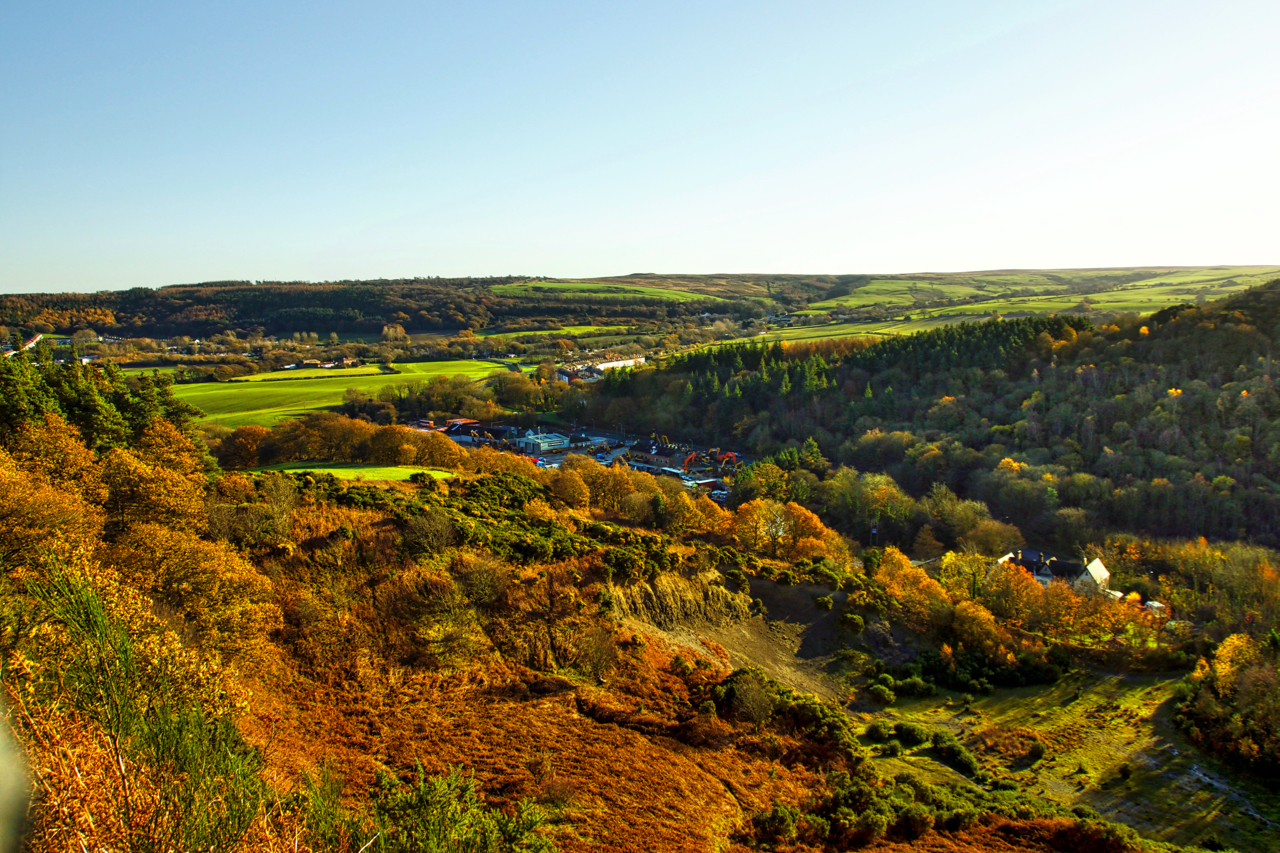
Alum Rock Quarry
Another fine day in the Cleveland Hills. This is the view that will greet walkers on the Cleveland Way as they begin the steep descend around the huge bowl of Alum Rock Quarry into Slapewath. It could be said that here was the start of Teesside chemical industry for at the turn of the 17th-century…
-
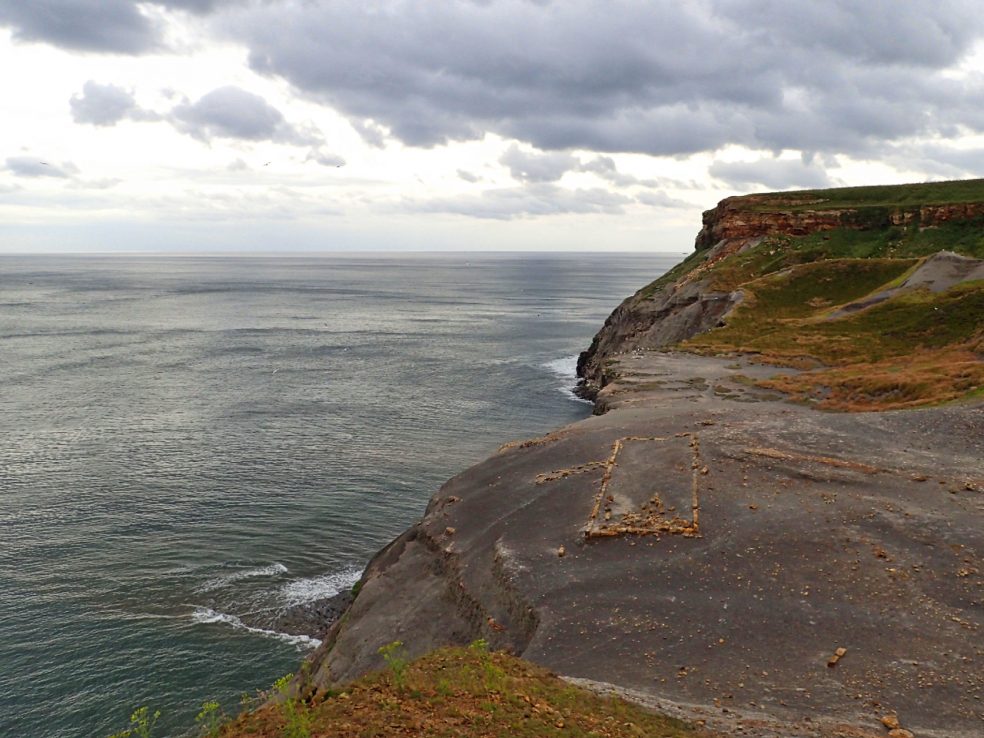
Kettleness Alum Works
The alum works at Kettleness has completely transformed the promontory jutting out into the North Sea. It resembles a moonscape where nothing much grows even after the 150 years since the last alum was produced. Work started in the early 18th century. There are few remains. Much have been lost to the sea. It is only a…
-
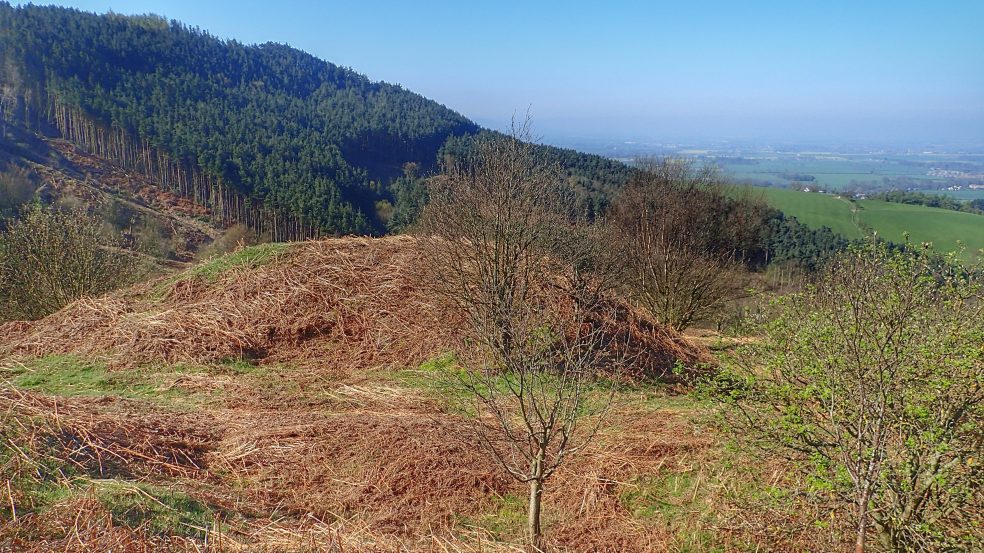
Alum Clamp, Ayton Bank
The small knoll in the photo is an alum clamp, a relic of an 18c chemical industry to produce alum. Alum had many uses: medicinal, in tanning to make leather supple and durable, as a mordant in dyeing cloth. It does occur naturally and is known to have been used by the Greeks but on Ayton Bank and in other parts of…