Tag: Access Rights
-
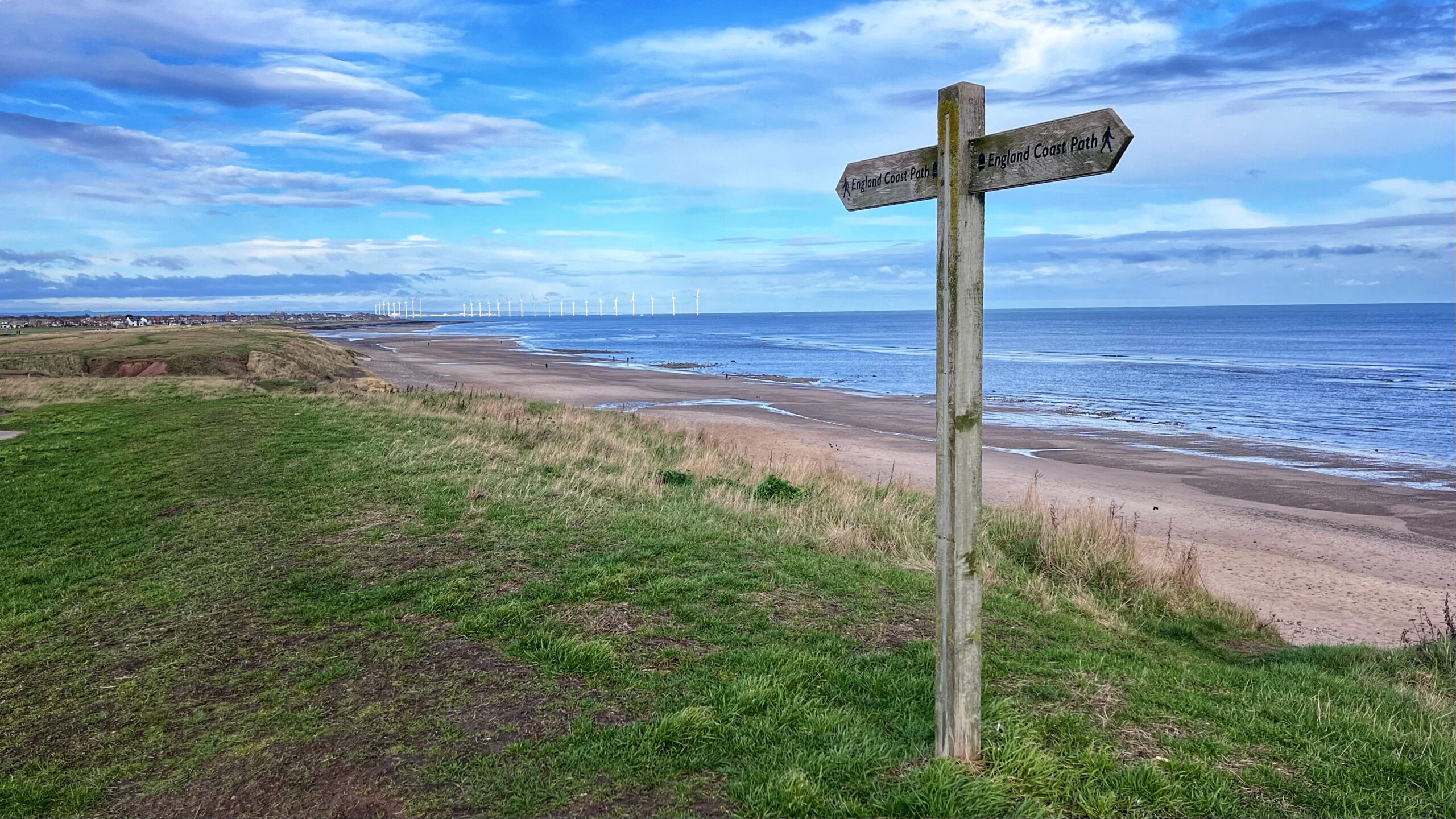
A Pithy Guide to the King Charles III Coast Path
At Marske Sands, a wooden fingerpost points towards Redcar and its turning turbines, as if pointing out the obvious. The King Charles III Coast Path belongs to a 2,700 mile plan to walk round the island, or near enough. It is the sort of stroll that rewards enthusiasm with blisters. You walk north until Scotland…
-
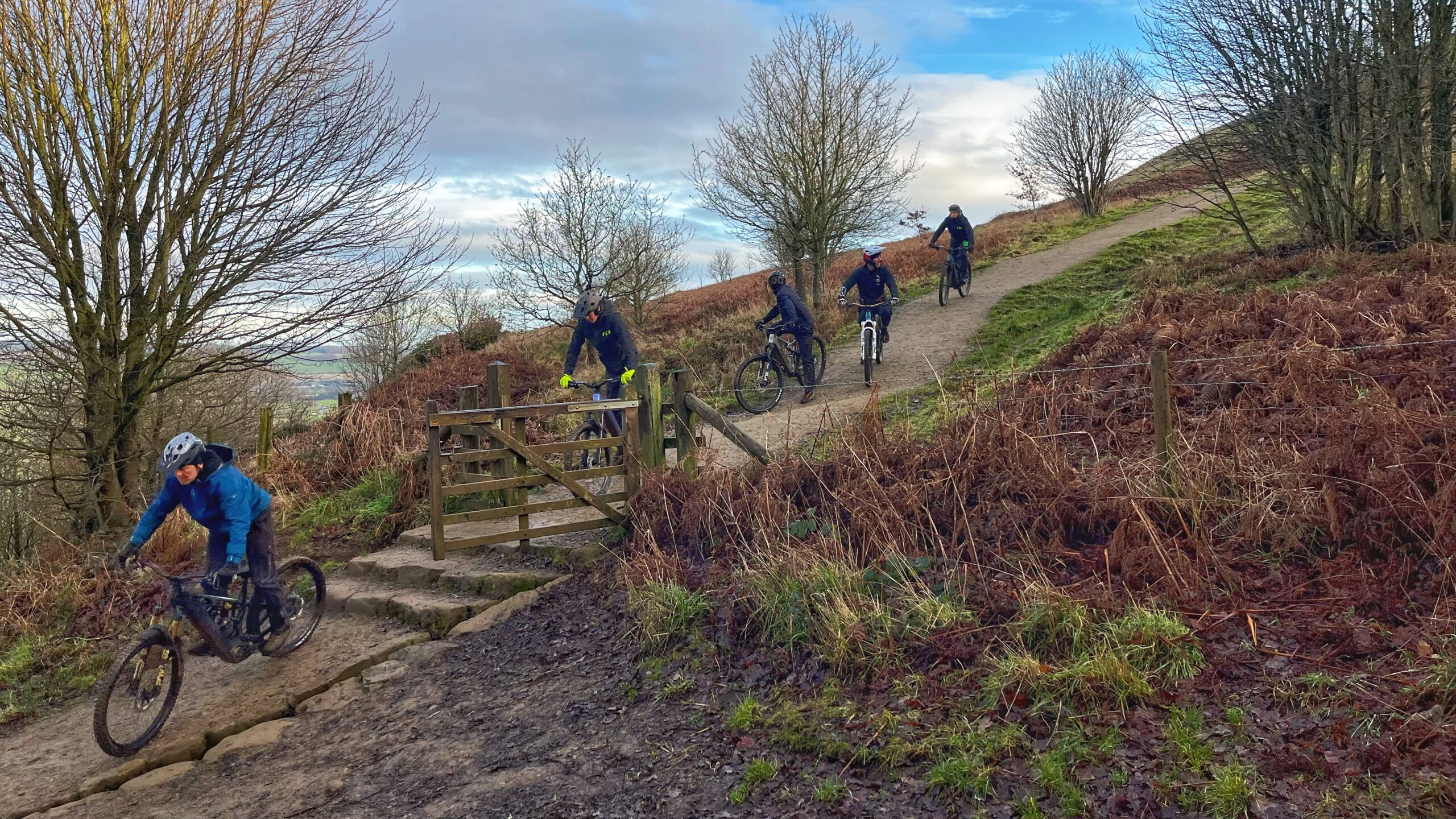
Access Without Respect
A pack of a dozen mountain bikers bursts down the newly rebuilt, stone-stepped path on Roseberry Topping. Several are motor-assisted. Gravity does the rest. Gravel skitters, walkers flinch, gates are left yawning behind them. For a few loud seconds the hill is theirs, claimed by speed and noise. It looks impressive, in the way a…
-
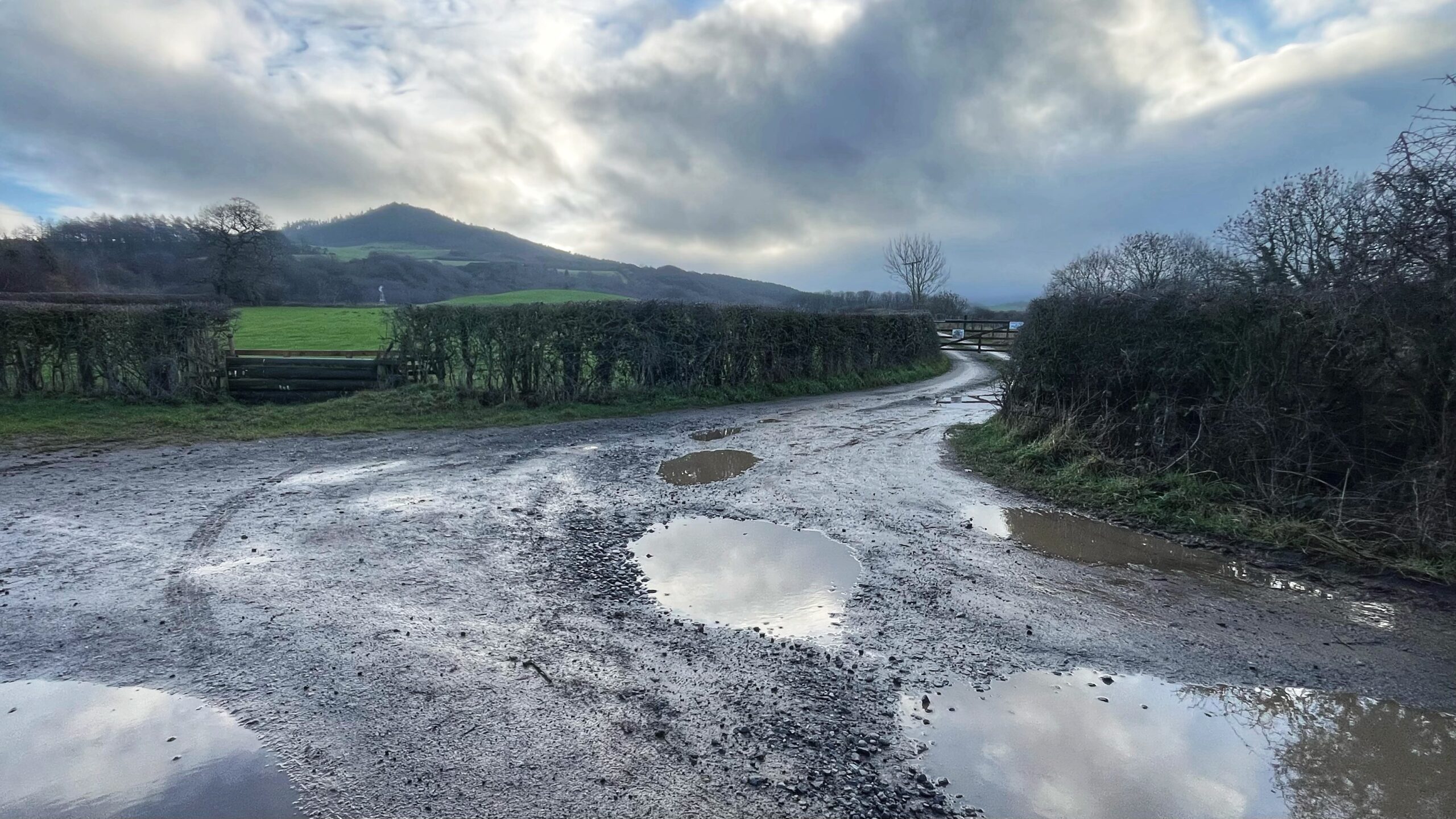
The Conservation Walk That Has Vanished
It seems fitting to be posting this at the end of January 2026, a month that quietly marked a profound centenary. One hundred years ago, Section 193 of the Law of Property Act 1925 gave the public a legal right to access around a third of the common land in England and Wales. For the…
-
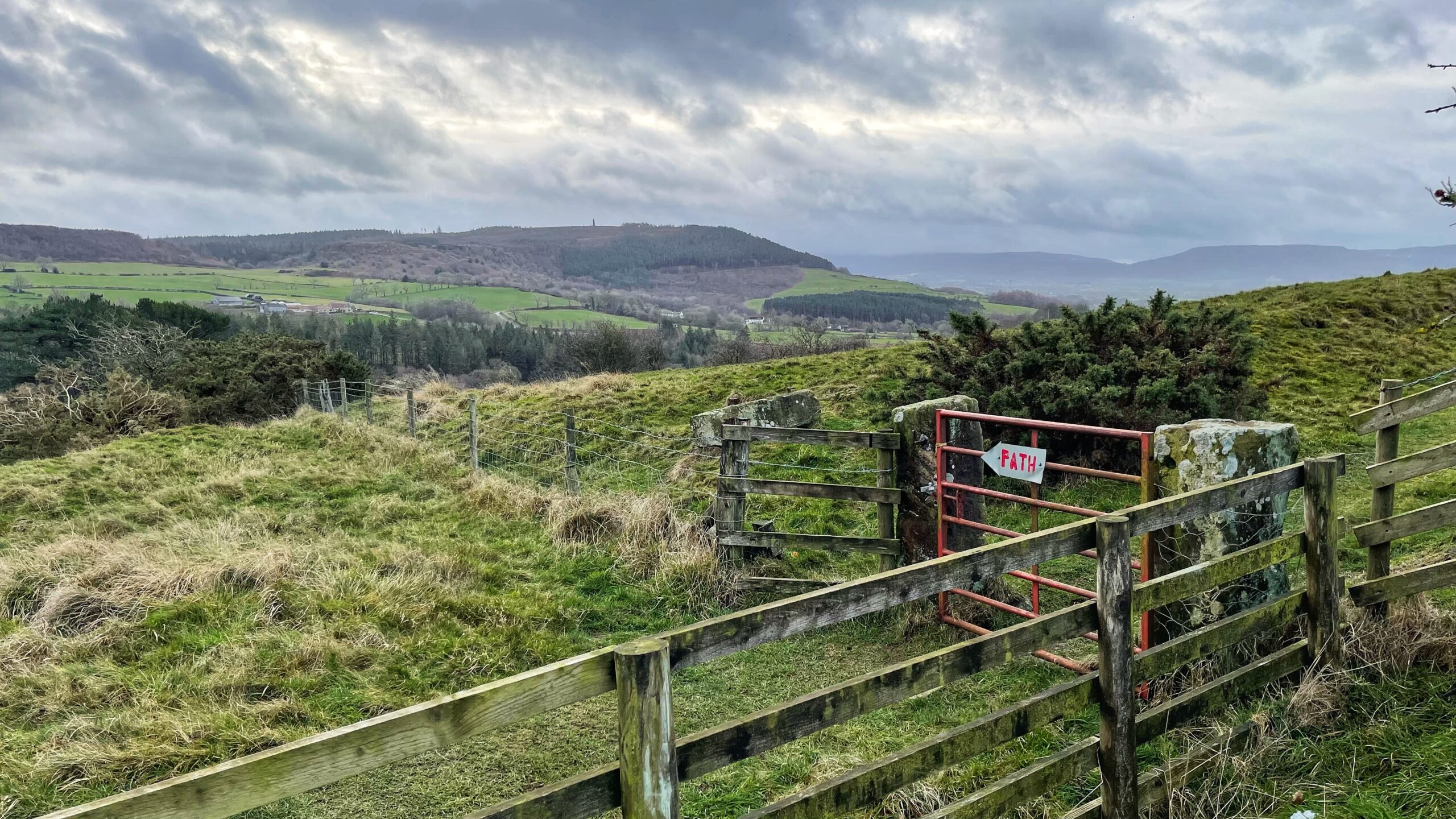
A Path Marked Clearly, Only it Points Left
About twenty minutes today went on scrubbing the graffiti off the rock faces, as I posted yesterday. Fortunately, it was water-based. They are not perfect, their shadow still lingers if you squint. Still, it is a sight better than the mess that was there before. Progress, slow and steady, like pushing treacle uphill. On the…
-
A Quarter Century of the Right to Roam, More or Less
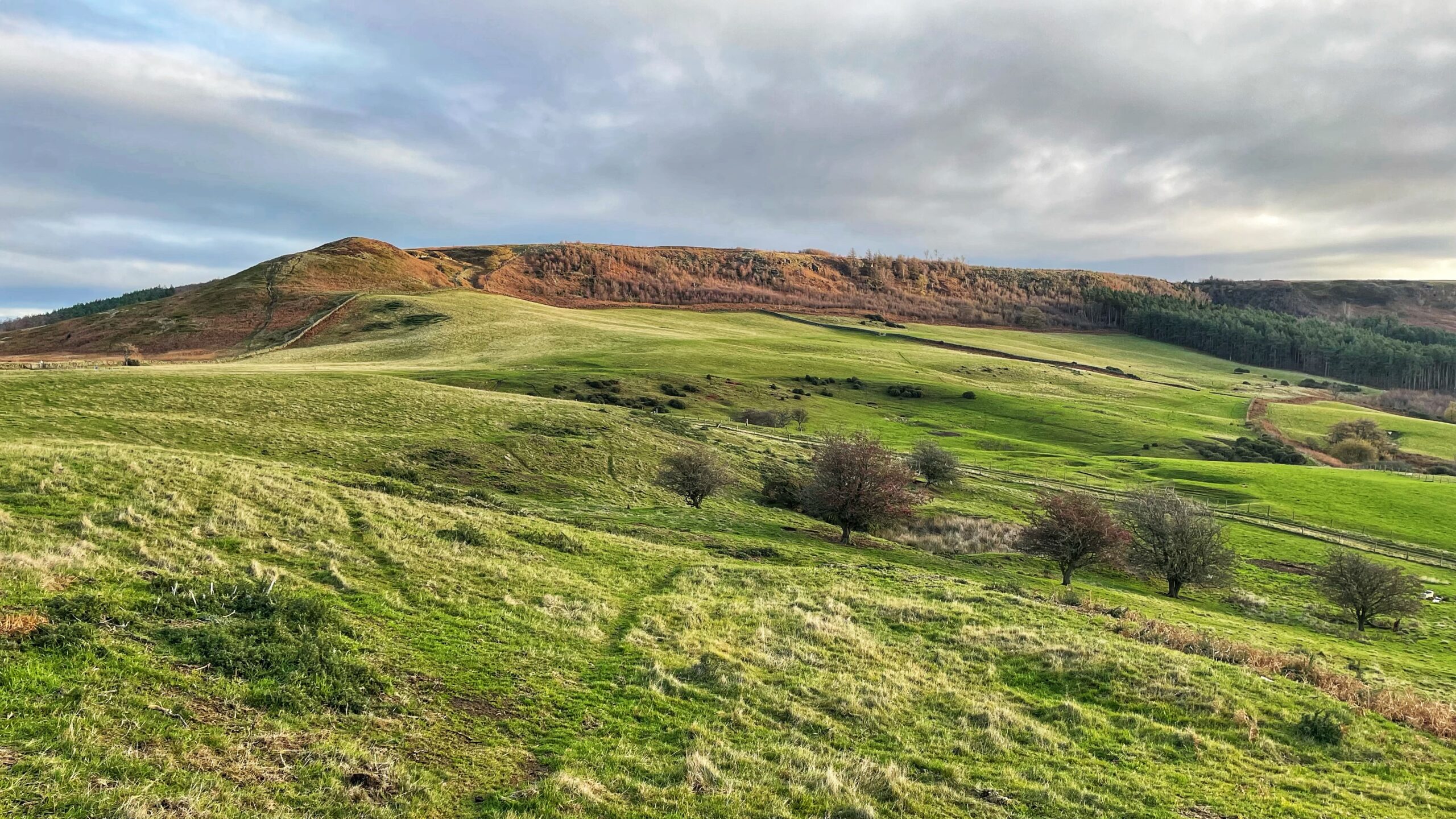
Today brings a double milestone for those in England and Wales who find the open air rather more enticing than the sofa. It is twenty-five years since the Countryside and Rights of Way Act 2000 marched through Parliament and twenty years since its promised freedoms finally reached the boots of the public. Since then, the…
-

Freedom to Roam: Lessons from Sweden
Back home on my own patch, though I still feel justified in milking our recent sojourn in Sweden for another post. In 1706 Kräkmyren was dammed to divert its water to the Falun Mine. Sweden was then at war with Russia, and Russian prisoners of war are said to have built the earthbank. Over the…
-
The Pike Stone: From Waste to Common Land
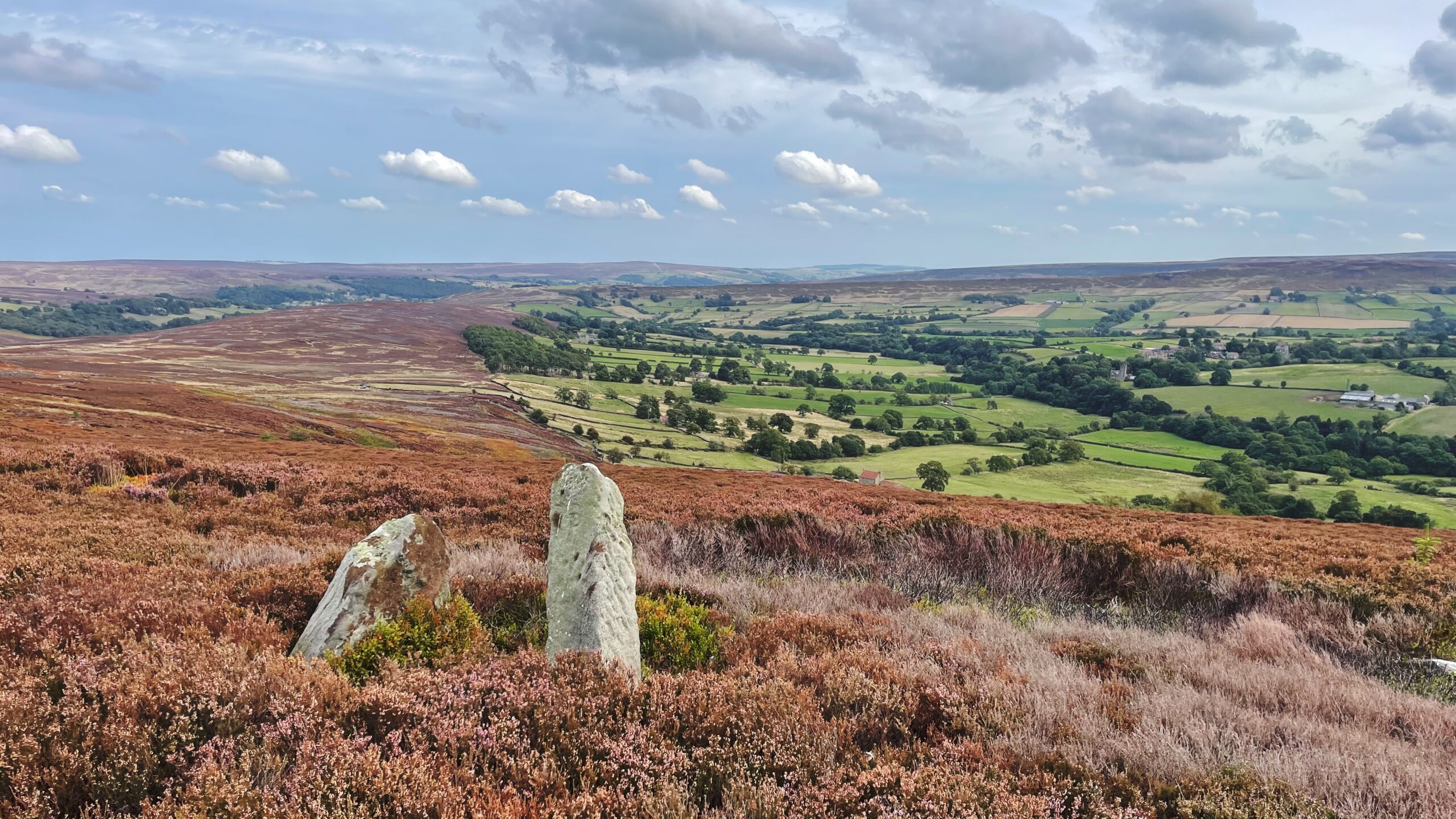
The Pike Stone marks the boundary between the common land of Westerdale and the “wasteland” of Baysdale Moor. At first glance there is little difference: both are heather moor, both are Open Access. Yet the distinction matters, and the Open Spaces Society is seeking to have Baysdale Moor registered as common land. Common land is…
-

Following the Green Dots: An Unclassified Road to Nowhere
Now that the summer’s undergrowth is finally abating, I thought it an opportune moment to exercise a rarely-trod right of way past Ayton Bank Farm. One likes to ensure that these landowners are periodically reminded of the existence of such rights, lest they grow complacent. According to the 1:25,000 O.S. Map, the route is marked…
-

The Forgotten Rebellion: Winter Hill’s Mass Trespass of 1896
Another delightfully dreich day on the North York Moors. In the murk, we stumbled upon two workers labouring away on the new footpath up Roseberry. The path, prepared to its subsoil, resembles some sort of glutinous purgatory, offering a walking experience only slightly less pleasurable than a swim in wet cement. The workers mentioned the…
-

90 Metres of Progress: The Curious Case of a New Bridleway
It is a curious thing, is it not, that the powers-that-be, in their infinite wisdom, believed they could neatly parcel up the English countryside like so many slices of cake, each path and bridleway served with a side of bureaucracy. Under the National Parks and Access to the Countryside Act of 1949, a grand endeavour…