-
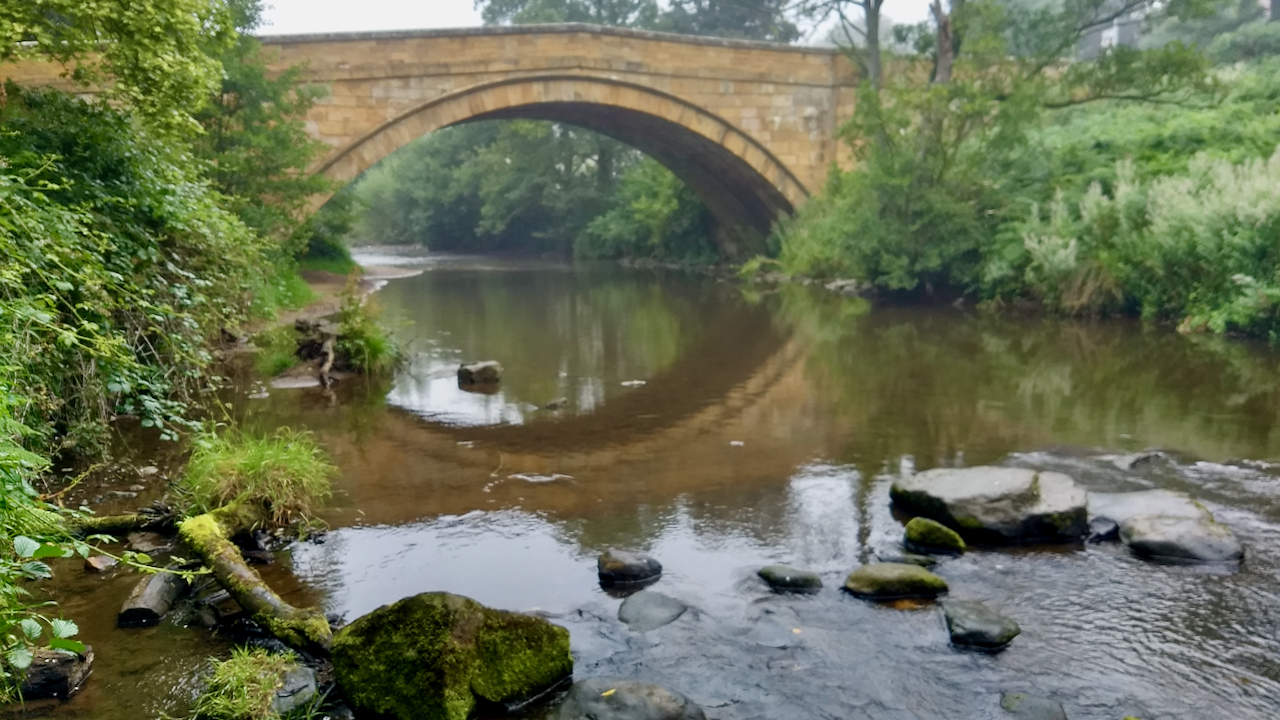
Lealholm Bridge
The 17th-century over the River Esk at Lealhoim, a village that developed around the first fordable crossing point downstream of the ravine Crunkley Ghyll. Lealholm’s most famous resident was John Castillo, the ‘Bard of the Dales‘, poet and stonemason. Born in Ireland in 1792 to Patrick Castlehowe, an itinerant Irish labourer, and Mary Bonas from…
-
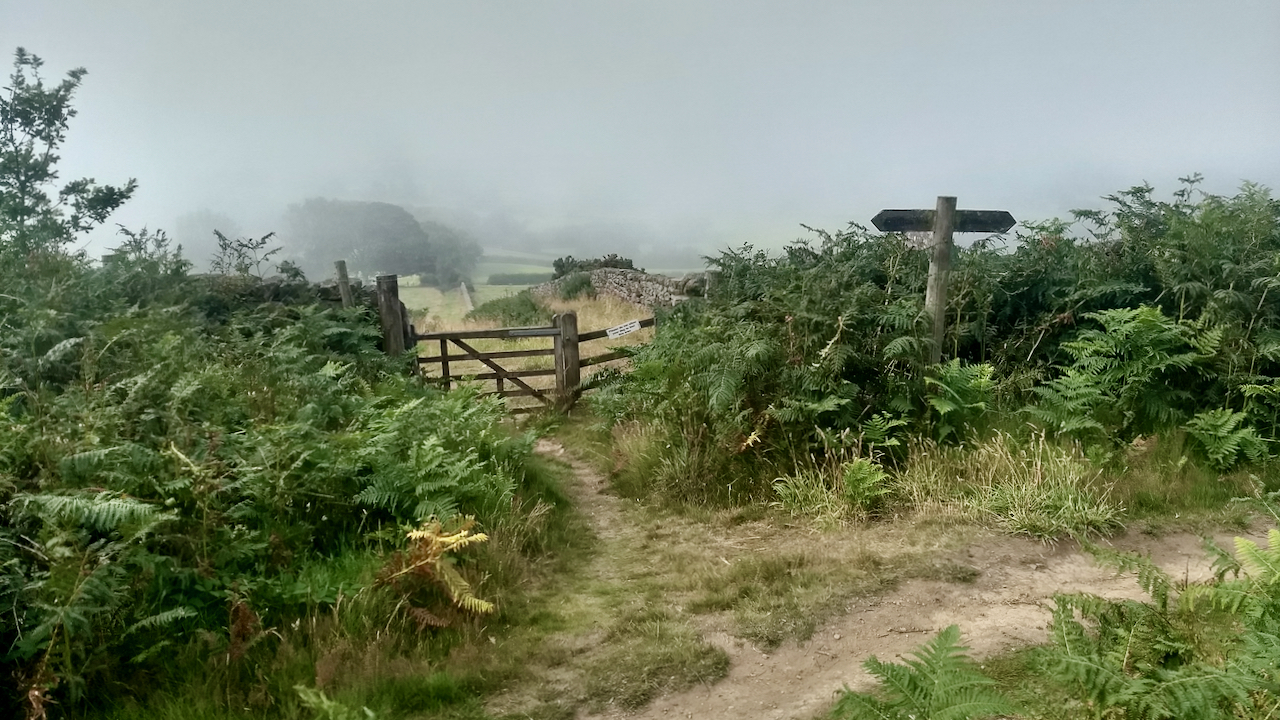
Not much to see this morning
With the cloud base at around 250m, a hot and muggy morning. I grabbed this shot on the climb up Easby Moor. Below the gate, the path descends across fields to Easby village. One point of interest in this photo is the gate post on the left, which is dated ‘1668’. Now it may well…
-
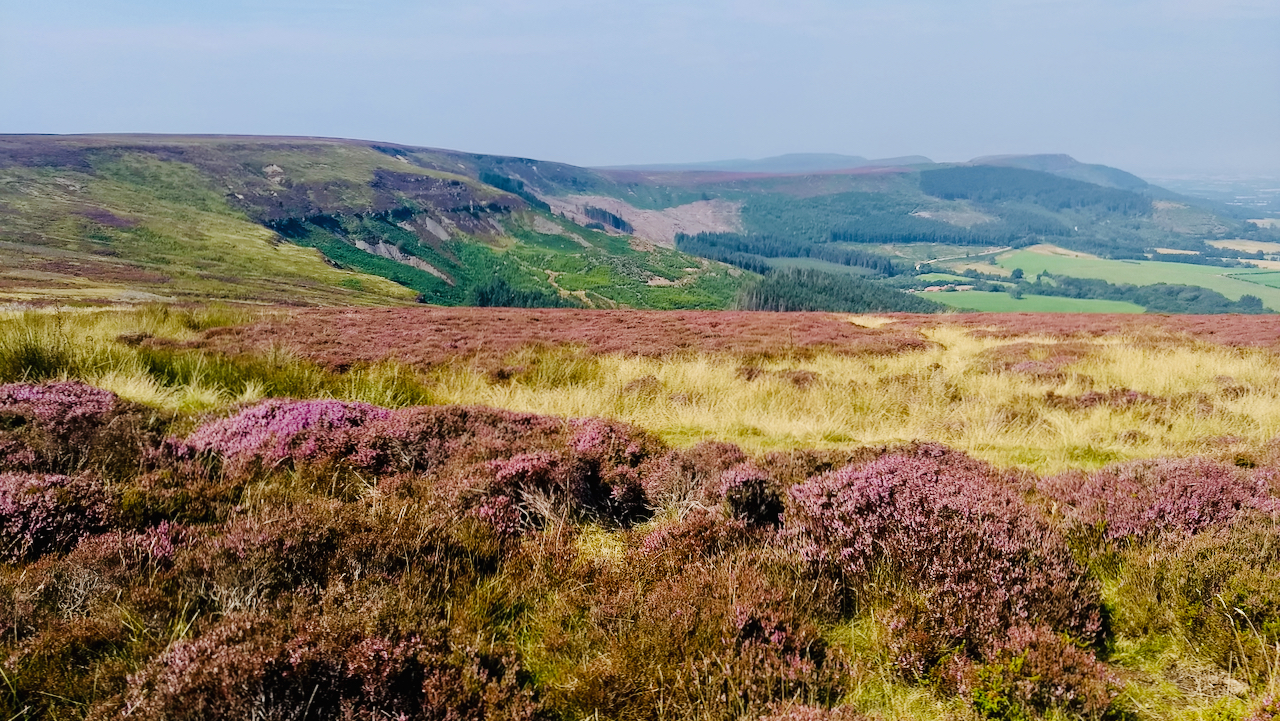
Botton Head
I mentioned last week that I thought the heather was late coming into bloom this year. Well, the sunny spell has given it a spurt and it’s now getting there. Still not as intense as I remember though. This is taken from the old Rosedale mineral railway near to the top of the incline and…
-
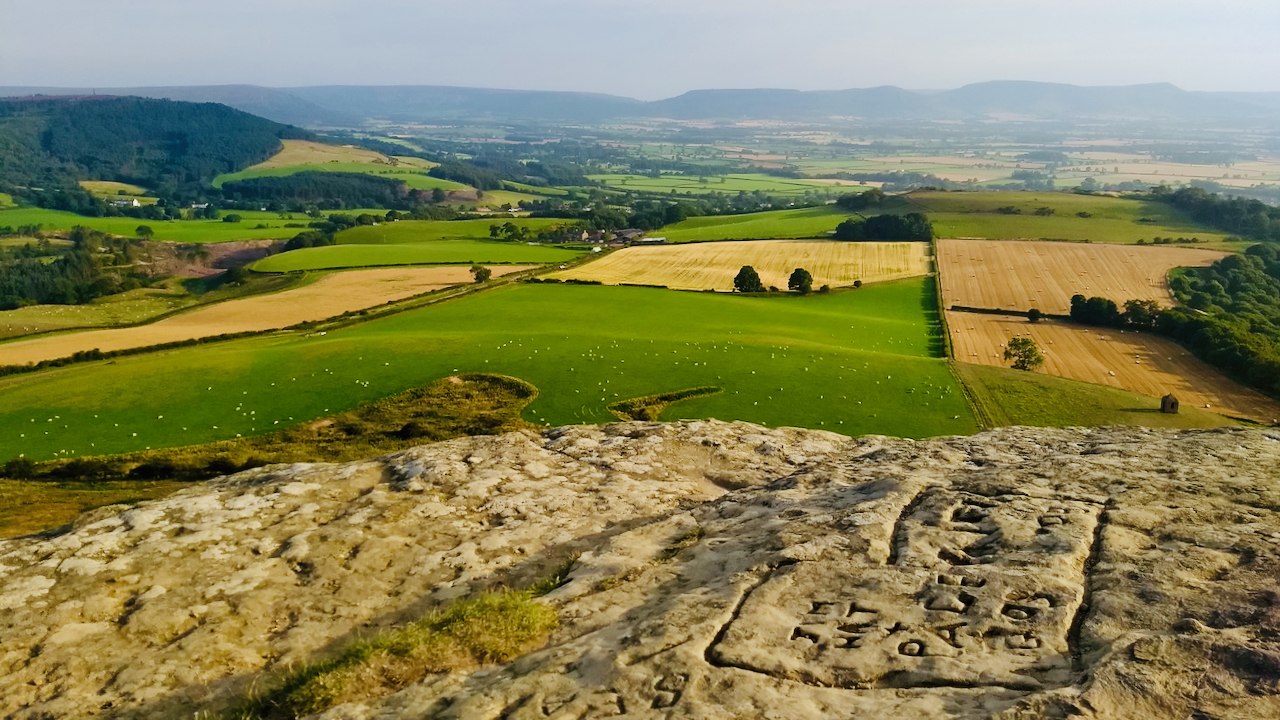
Evening on Roseberry
An evening wander up Roseberry. Refreshingly cool. And surprisingly, the summit was all mine. That must be a lockdown first. In the distant, the Cleveland Hills, familiar if a little hazy. The sheep in the green field are quietly maintaining their social distancing. While the yellow fields have now been cut, their bales await collection.…
-
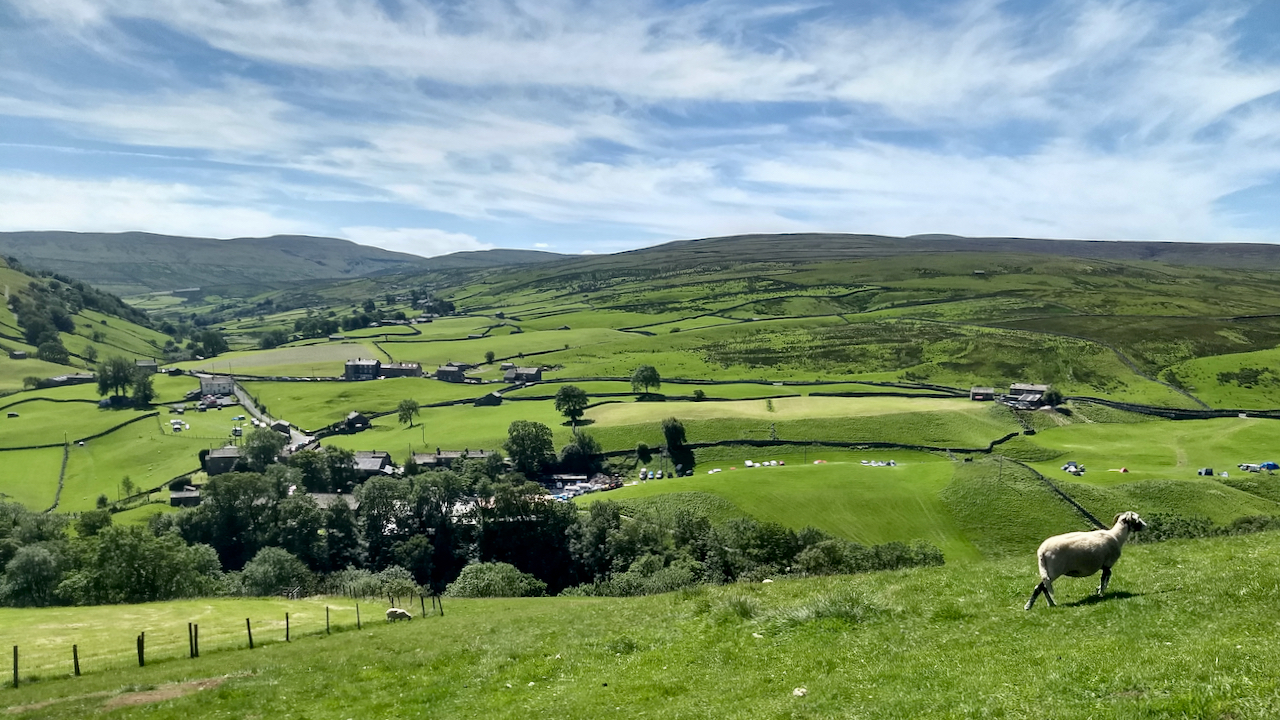
Upper Swaledale
The upper reaches of Swaledale feel remote, and no doubt in the depths of winter, Keld, the last village before the road begins the climb over Lamp Moss pass to Kirby Stephen must be a contender for the remotest village in England. But at the height of summer Keld is a busy place. A stopover…
-
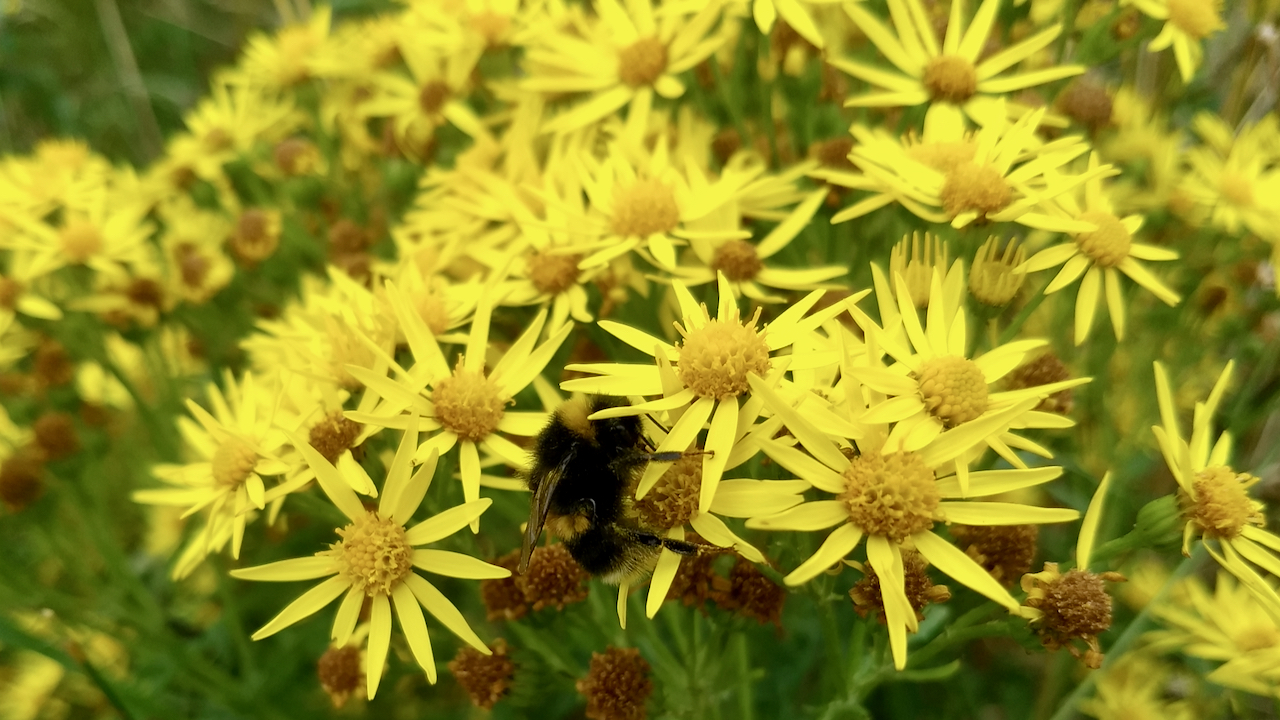
What’s the problem with Stinking Willie?
Common ragwort, the bane of horsey people. Also known as St James’ Wort, Staggerwort, Stammerwort, Yellow tops, and, the best of all, Mare’s fart. Those who keep horses are religious about labouriously hand pulling every plant from their paddocks. Yet horses and other grazing animals find it bitter and will not normally eat the growing…
-
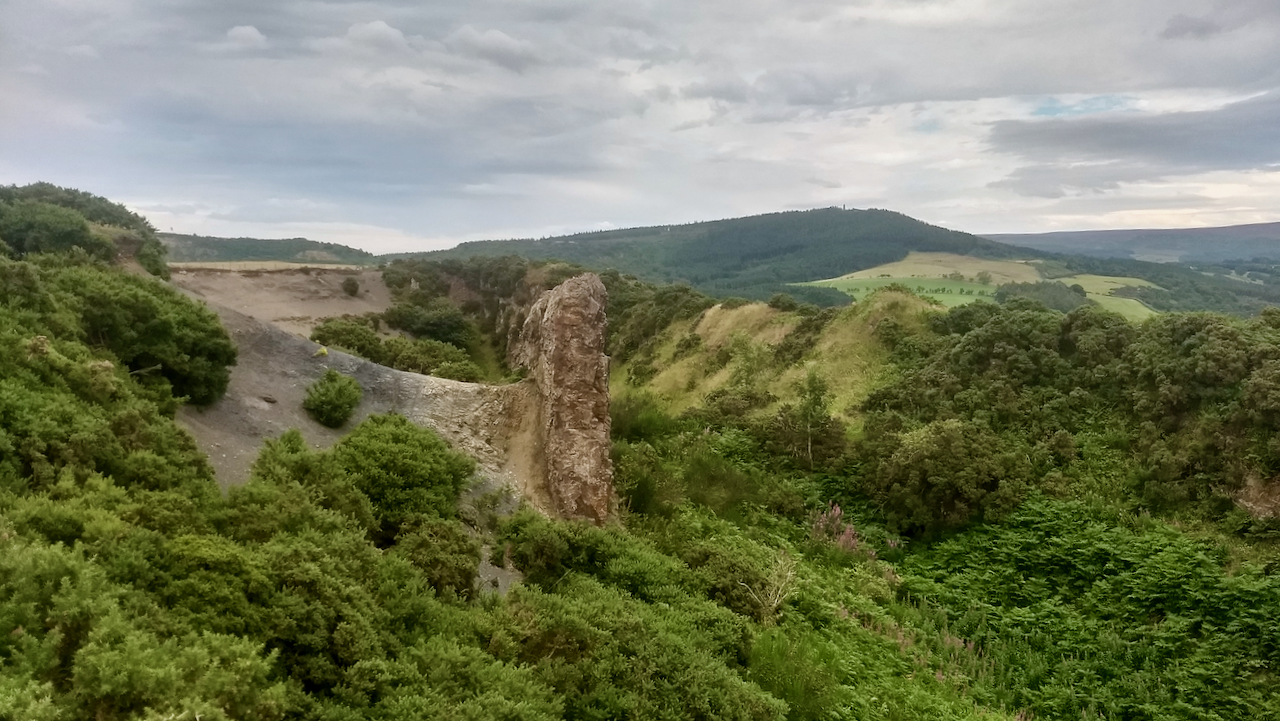
Cliff Rigg Quarry
Feeling under the weather so haven’t ventured far. Two ascents of Cliff Rigg with its huge hole left by the whinstone industry. The tooth of rock is the remnant of a wall of whinstone left as shoring to stop the weaker shales from collapsing. In the distance, is Capt. Cook’s Monument of Easby Moor Open…
-
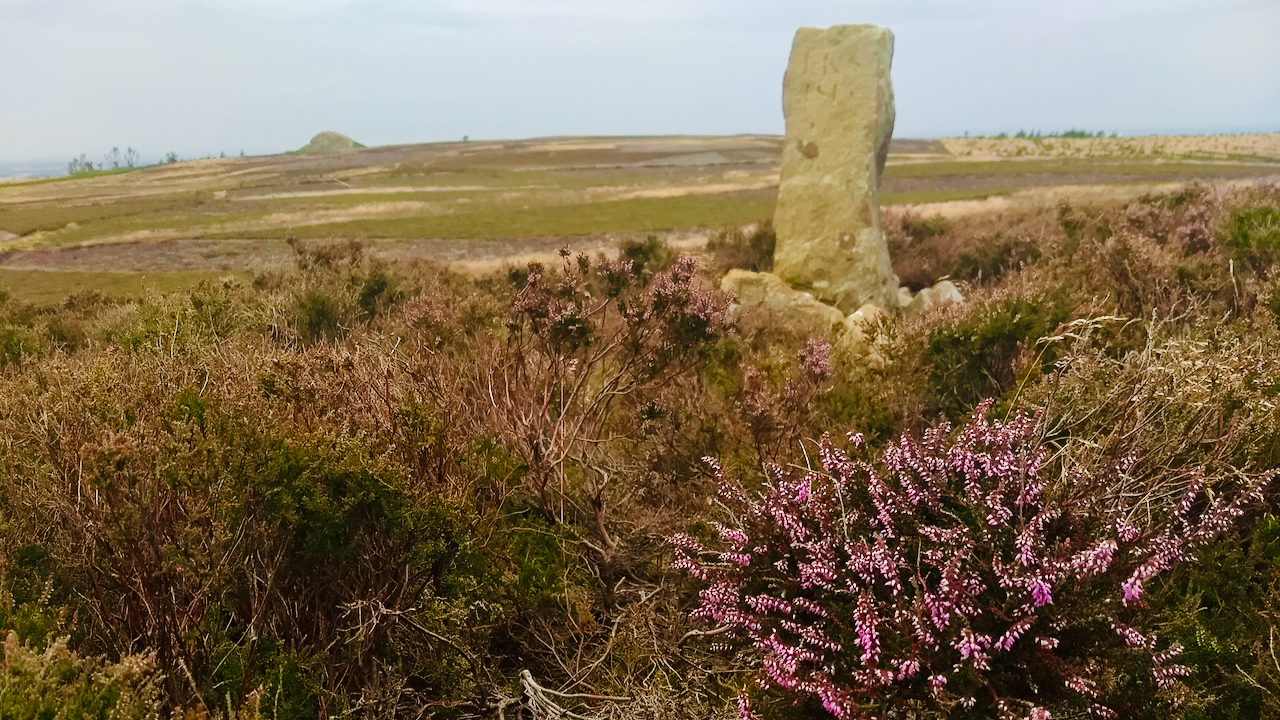
Where is the purple haze?
The odd sprig of ling or heather can be found on the moors, amongst the muddy brown remnants of the winter colouring. Why isn’t the heather at its finest? Surely it should be by now, this first week of August. I had a search of my back archives to illustrate the state of the heather…
-
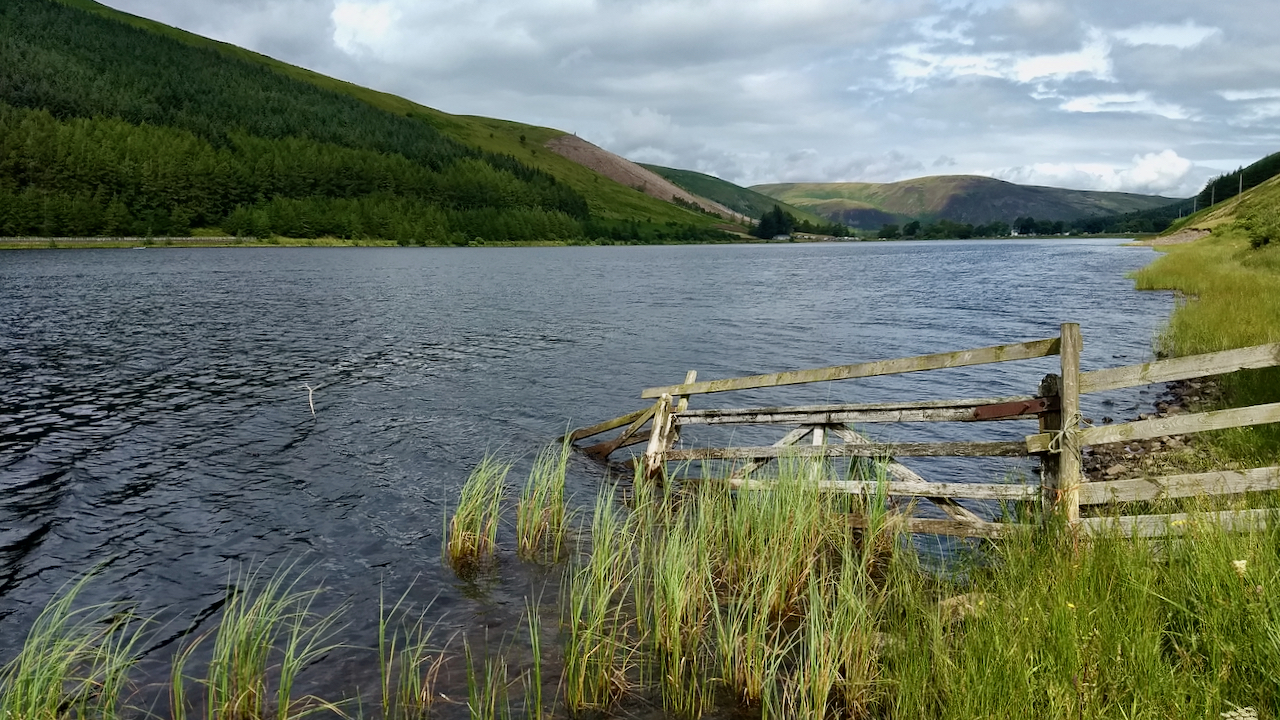
Loch of the Lowes
More bimbling about the Borders. The Loch of the Lowes lies just up the valley from St. Mary’s Loch. In fact, when the last glacier retreated, there was one big loch, however, over the millennia, the alluvial fan from Crosscleuch Burn has bisected it into the two lochs we see today, joined by the short…
-
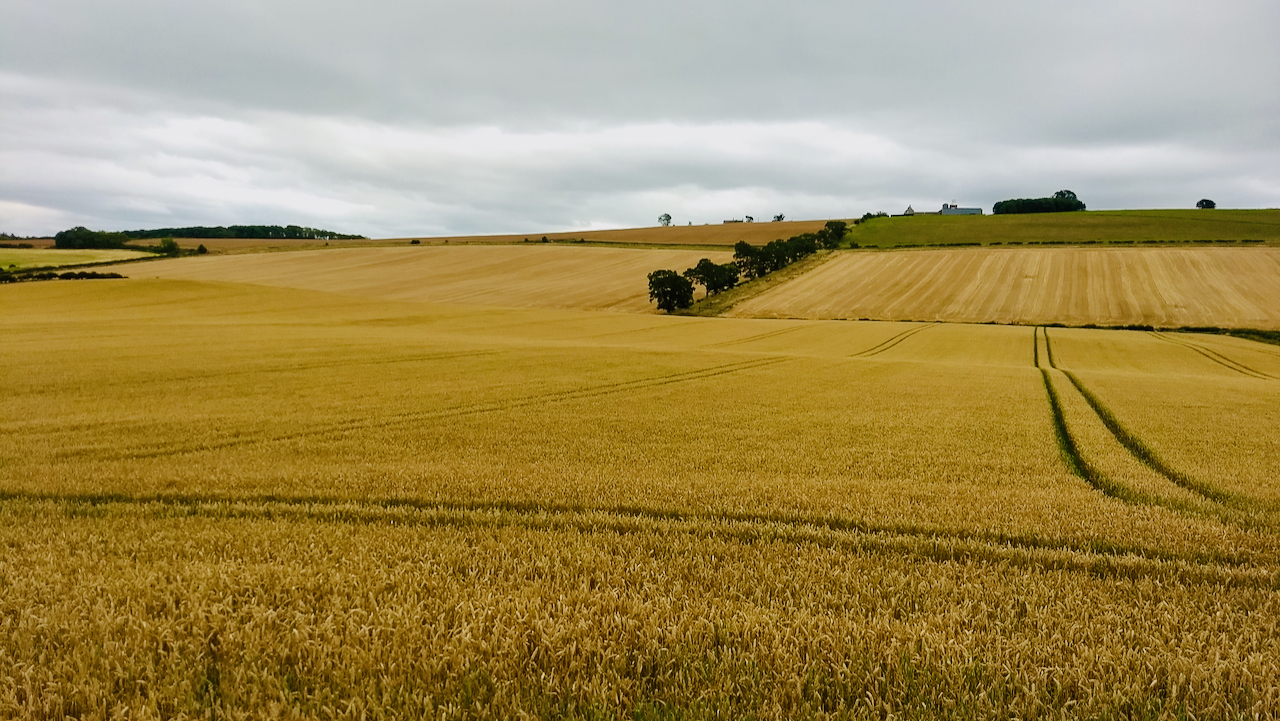
The ‘Battle of Flodden Field’
Ripening fields of barley give no indication that on 9th September 1513 between 7,000 and 11,000 Scottish soldiers were killed here, including King James IV and most of his important nobles, and between 1000 and 4000 English. To add to the slaughter, it is said that a force of at least 500 French mercenaries, who…
Care to comment?