-
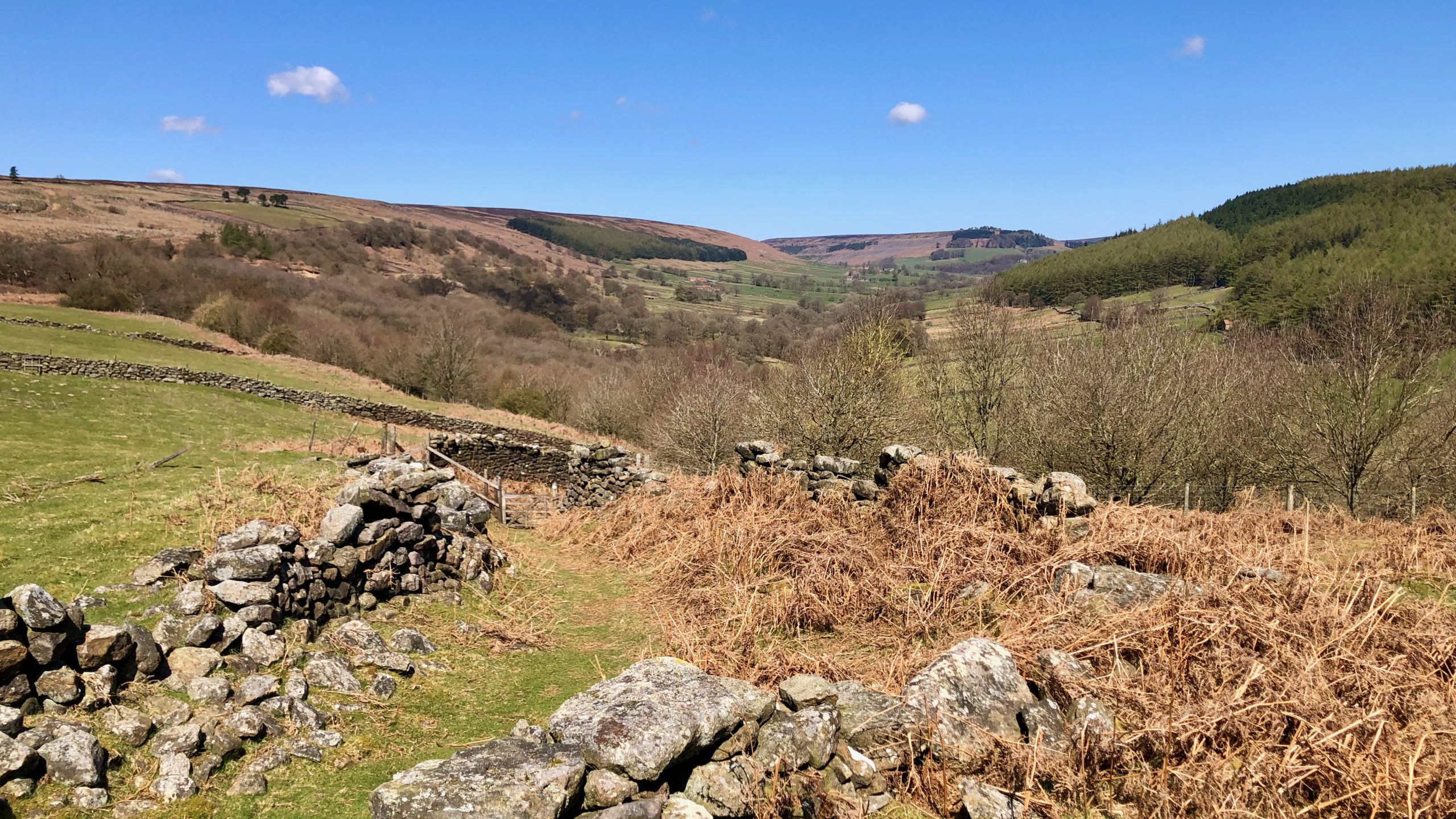
A day with National Trust: replacing the fencing at Stork House
I recall reading that the path that runs through Stocking Crag wood and passes Stork House was the original route in and out of the valley, though I’m unsure of the source. Unfortunately, due to landslides within the wood, it’s nearly impossible to navigate through it without using your own two feet. Today being Thursday,…
-
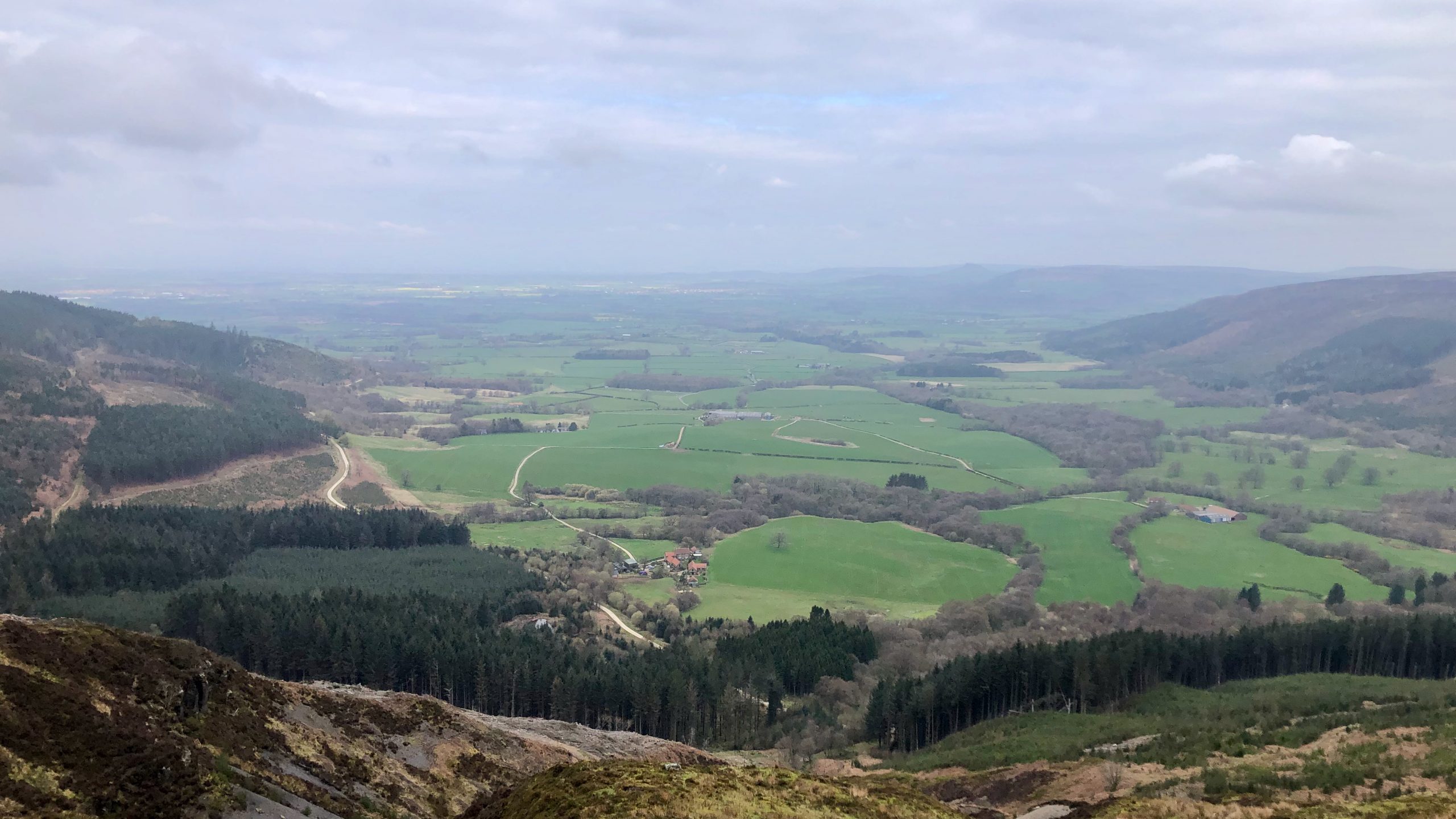
Greenhow Botton
Midnight Corner is rumored to have derived its name from the fact that it faces north, and during winter, it never receives sunlight. Midnight Farm is located on the extreme left and barely visible due to the haze. It’s unclear which name came first, Midnight Corner or as Midnight Farm. Midnight Corner doesn’t appear on…
-
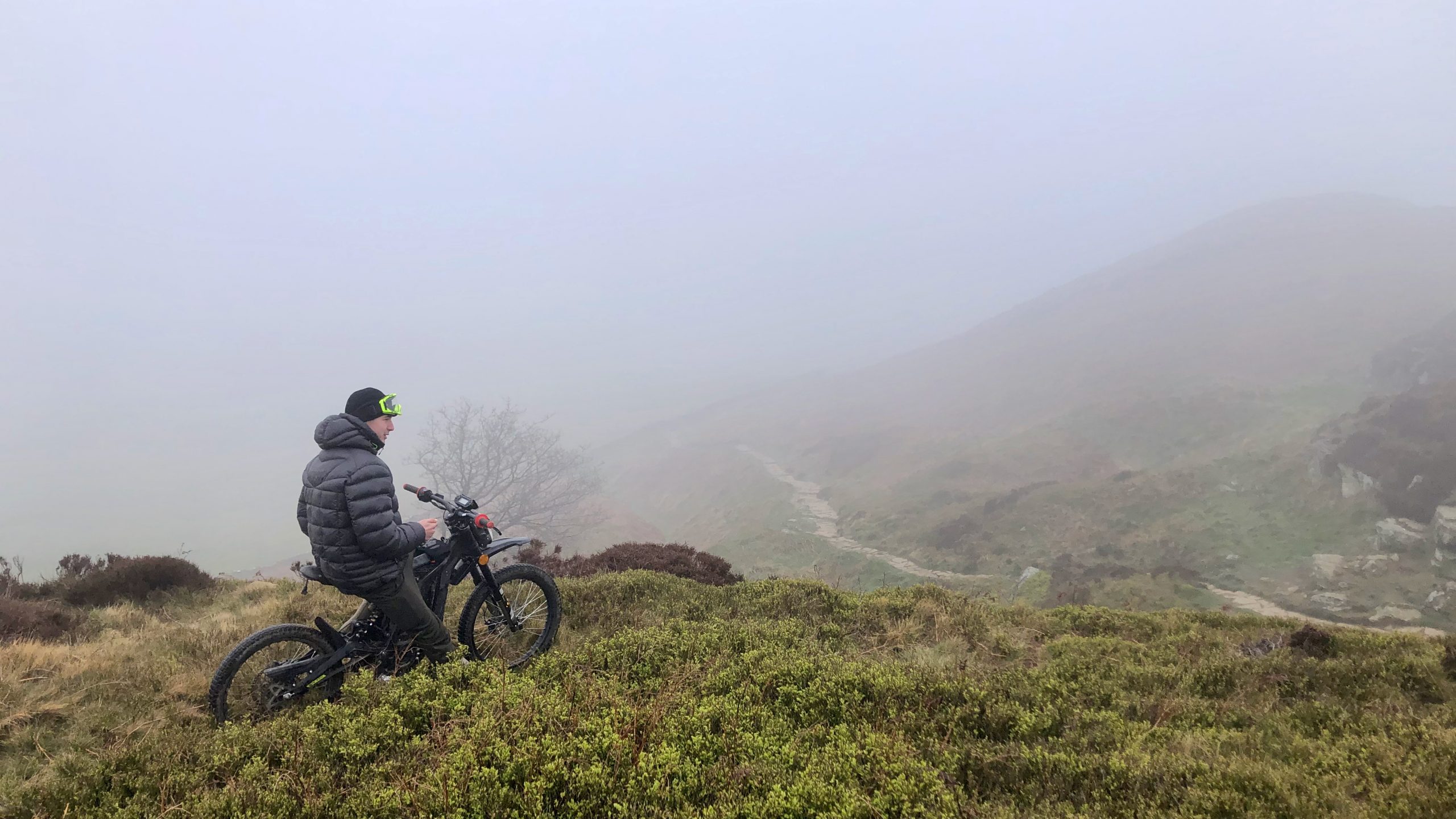
When is a motorbike not a motorbike?
Why, when it’s an ‘electronically assisted pedal cycle’ of course. Or EAPC. Or e-bike. Ah, what a glorious morning it was! Roseberry was draped in a luxurious blanket of cloud, obscuring any hint of beauty or interest. As I ascended Little Roseberry, I stumbled upon a lad indulging in a fag and soaking up the…
-
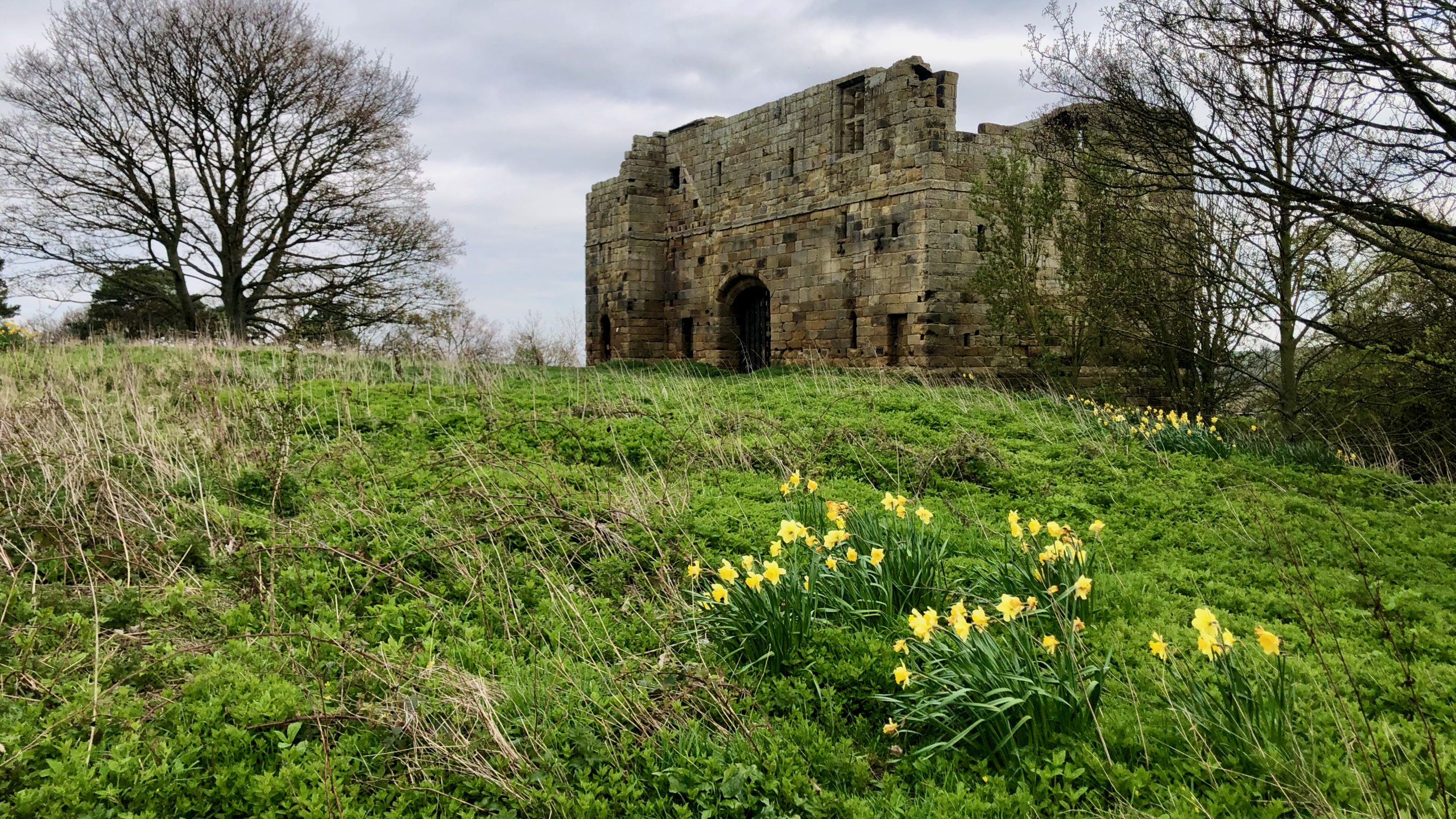
The Falconer and the Whorlton Elves
Prepare to be delighted and delectated by another tale from that master wordsmith of the North Riding of Yorkshire: Richard Blakeborough (1850-1918), writer, poet, and dramatist. Now, I did have a notion to modernise this story for you, but I quickly found myself struggling by how to handle some of the terms, such as “dark-faced”…
-
Ayton Bank — and a delve into the world of ‘Tumblers’
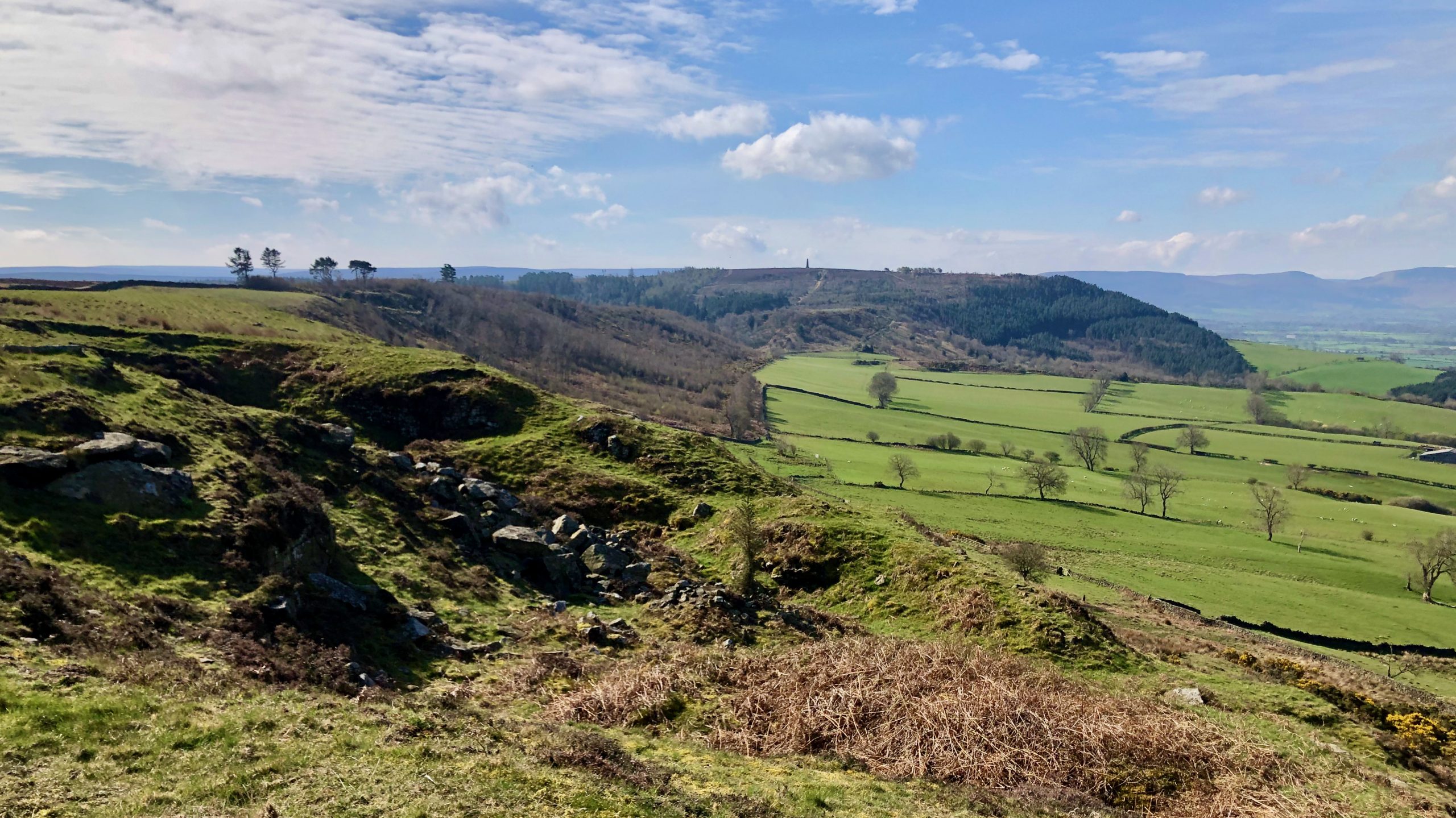
This morning, I was lucky enough to get dropped off in Guisborough, and decided to walk back home, a one-way trip; avoiding, of course, the more popular paths since it’s a Sunday. Ayton Bank is off the beaten track that offers a quiet location. In the distance is Easby Moor, topped with Capt. Cook’s Monument.…
-
The Rose of Rosebery
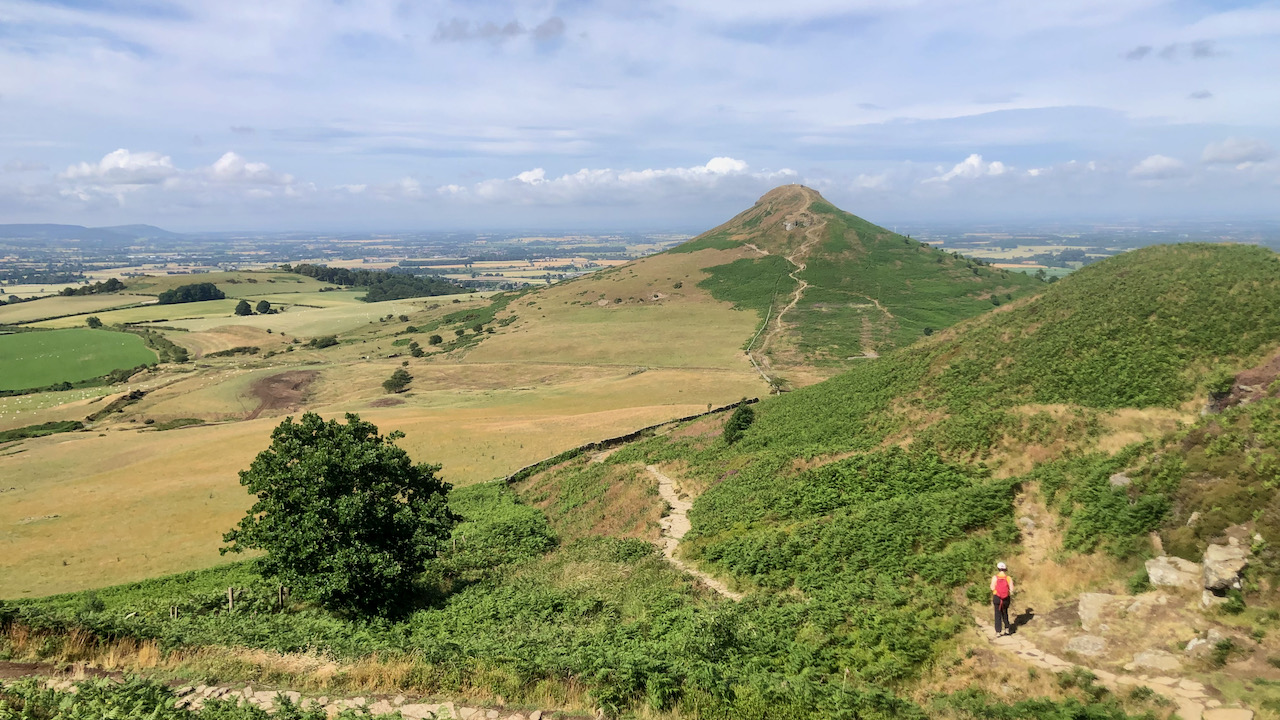
In this delightful piece written back in 1900, Richard Blakeborough recounts the peculiar practice of ‘Standing the Church.’ Now, this particular punishment bears an uncanny resemblance to the tradition of ‘Charivari,’ ‘Rough Music,’ or, as Northerners called it, ‘Riding the Stang.’ Since the late 17th century, the terms have commonly been employed to describe a…
-
Joseph Foord: The man who brought water to Fadmoor and Gillamoor
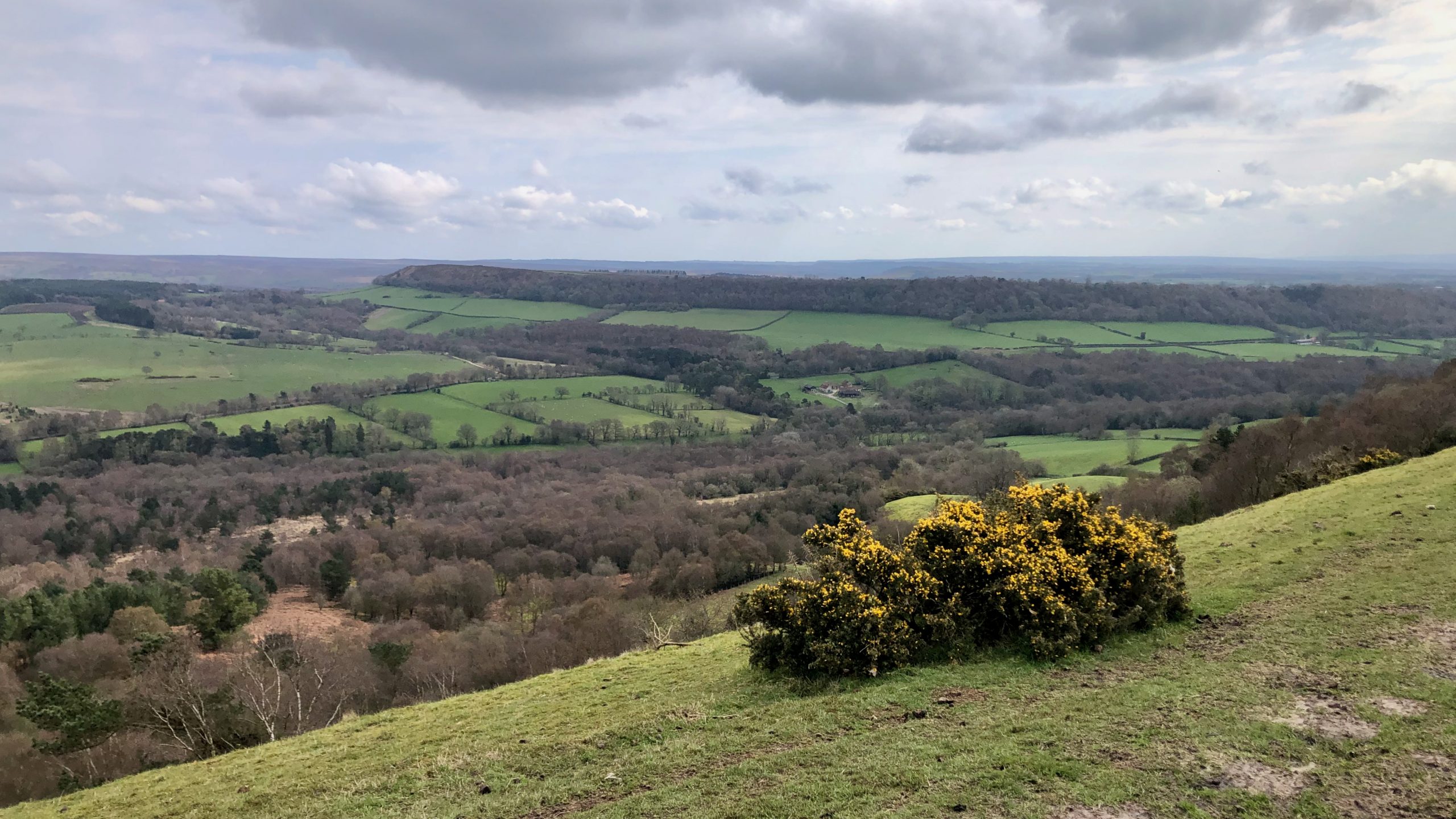
This is Sleighthome Dale, which is drained by Hodge Beck. Bransdale is upstream and Kirkdale is downstream, but it’s unclear where one dale ends and the other begins. Across the dale, there’s a limestone plateau called Boon Hill, with the twin villages of Fadmoor and Gillamoor. In the 18th century, both villages had no easy…
-
“Oh, to be in England, now that April’s there”
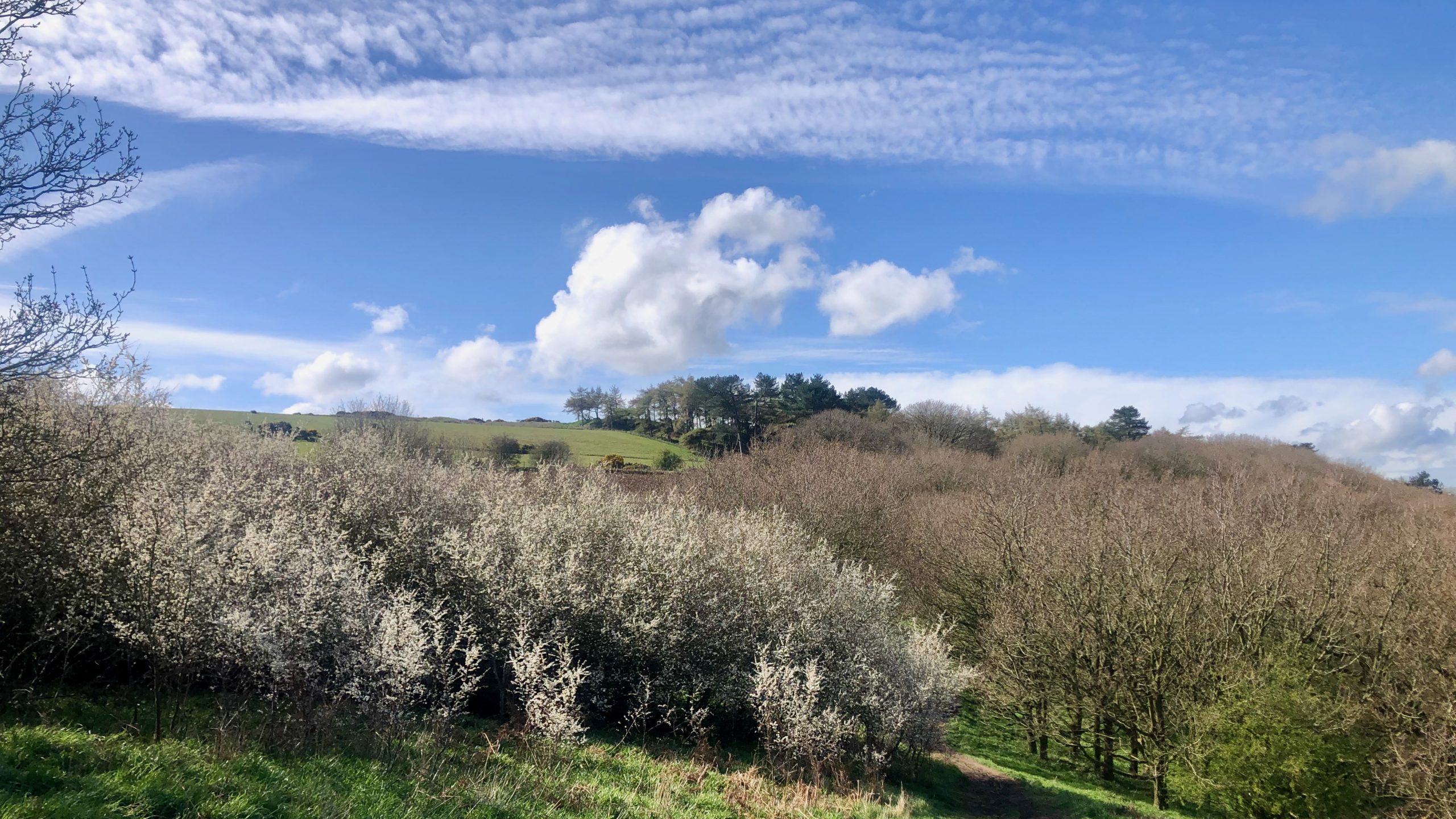
Spring has sprung! The blackthorn is blossoming, trees buds are unfurling, and daffodils and primroses are painting the landscape in vibrant hues. And the best part? I spotted my first bluebell today! But keep your wellies on. April isn’t all sunshine and rainbows. Showers abound, and the woods and fields are riddled with deep pools…
-
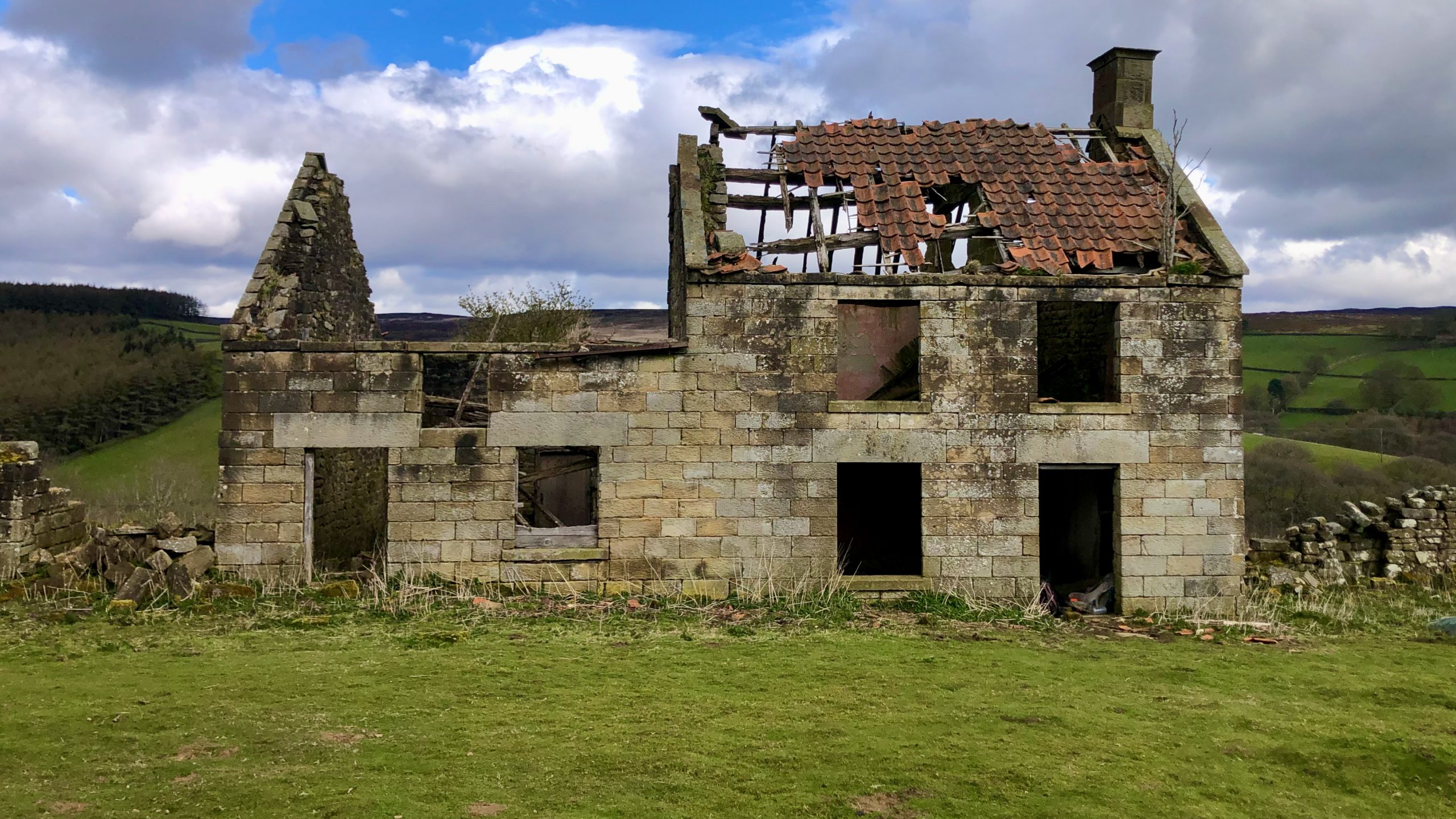
“Stone is a living thing, not a piece of dead matter”
In the moorland dales, the quality and excellence of available building stones are the primary factors that have influenced building construction. The Jurassic rocks have been worked in numerous quarries in all the dales and provided an abundance of stone, which has been used to build abbeys, churches, mansions, bridges, buildings in Teesside’s towns, as…
-
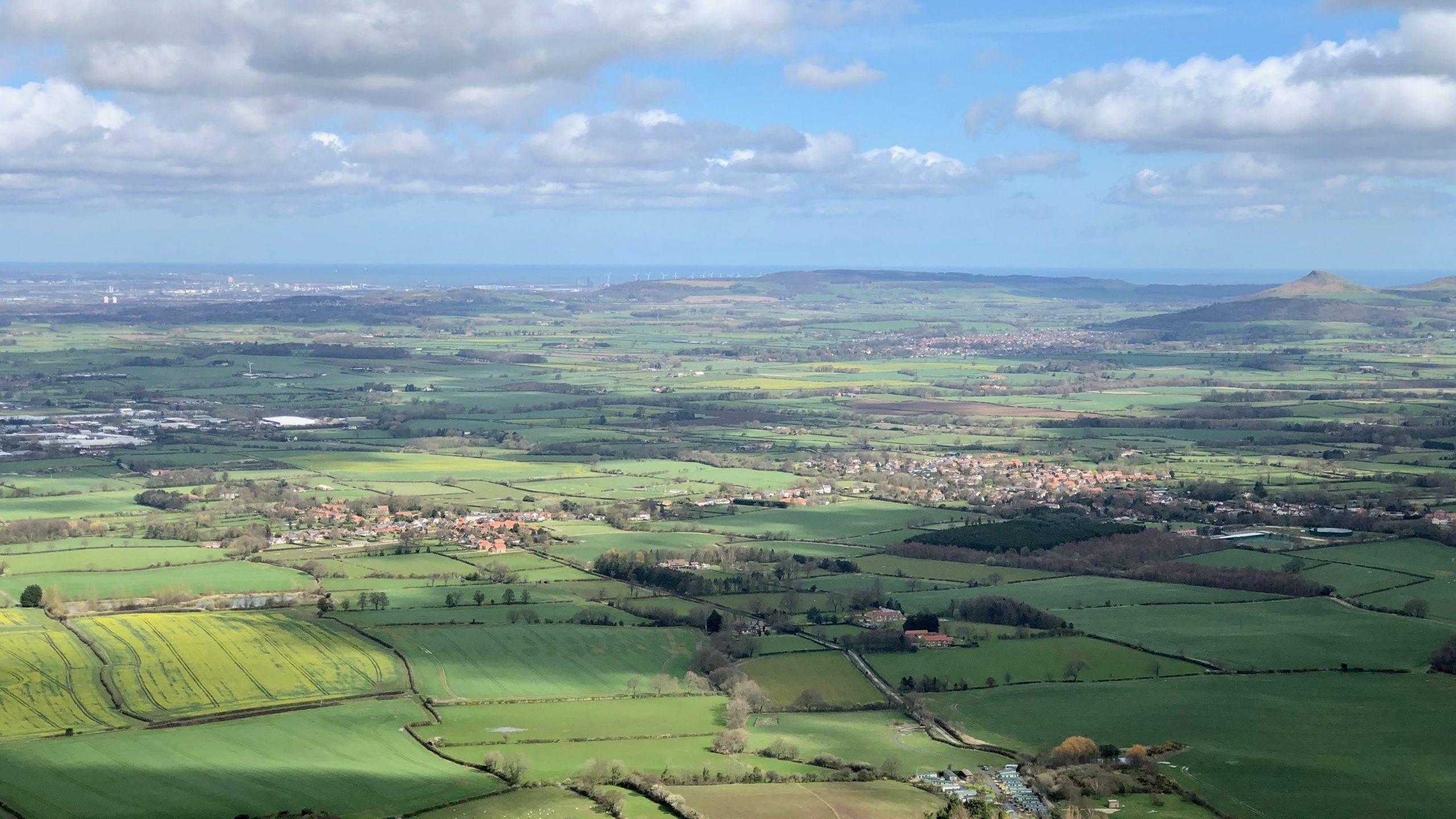
Two villages: “Cherchbi” and “Broctune Magna”
It’s been a windy day on Cringle Moor, but the sky has been clear. The moving clouds created a beautiful display of shadows over the vale of Cleveland. I could see below me the villages of Kirkby-in-Cleveland and Great Broughton, both of which were mentioned in the Domesday Book. Kirkby-in-Cleveland was referred to as “Cherchbi”…
Care to comment?