Category: North York Moors
-
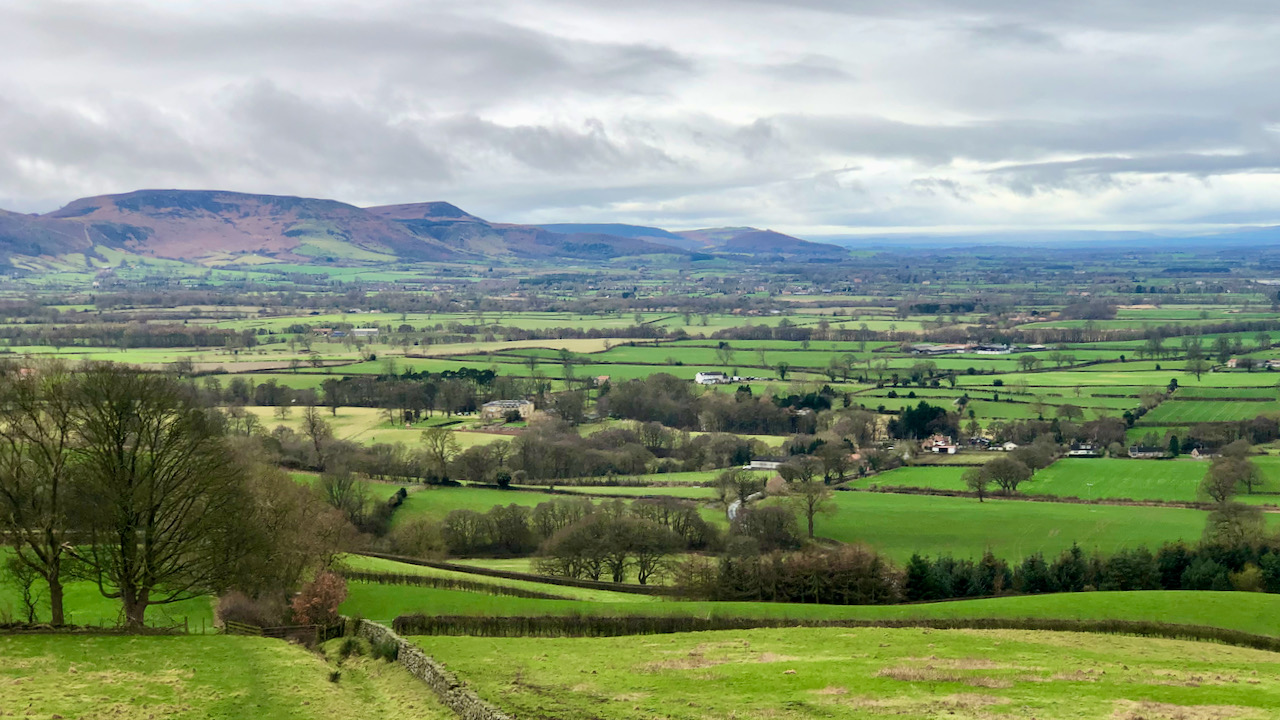
Easby Hall and the Rise and Fall of the Whitby Campions
The tiny hamlet of Easby serves as a picturesque setting against the majestic backdrop of the Cleveland Hills. The large prominent house to the left of centre is Easby Hall. Easby Manor came into the possession of Robert Campion, a prominent figure in Whitby during the early 19th century. Campion, a banker and businessman of…
-
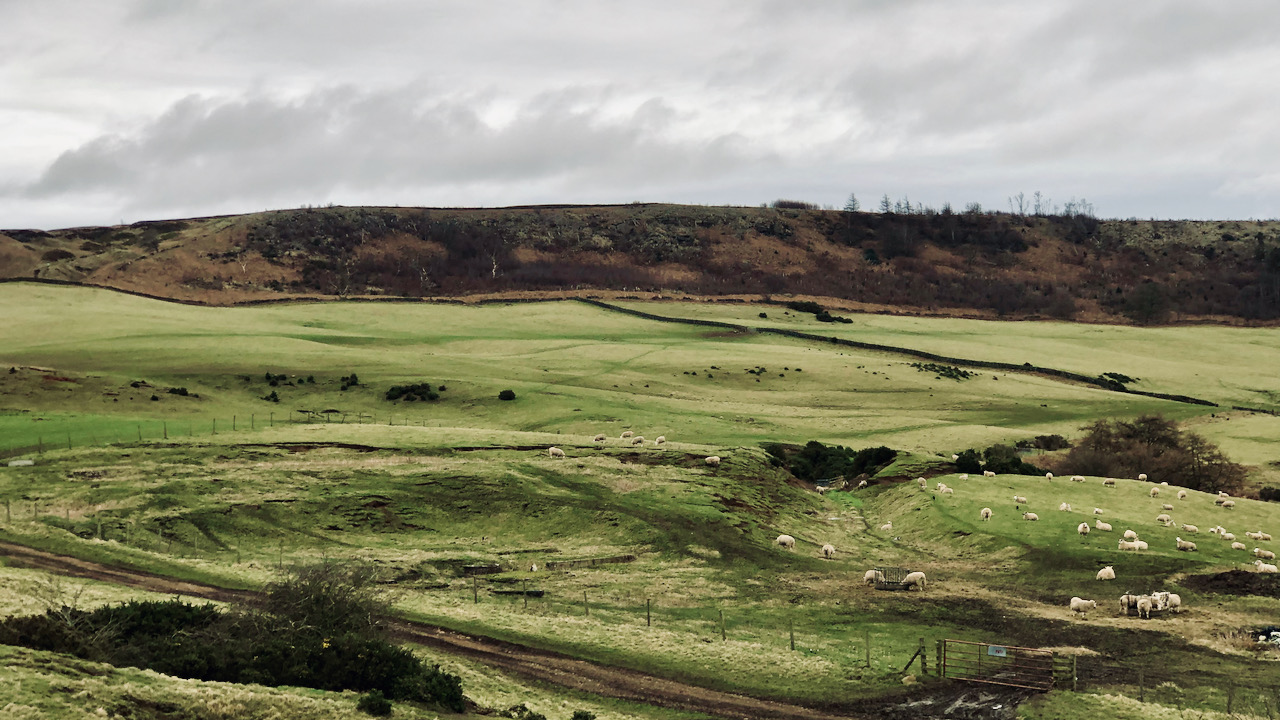
Roseberry Ironstone Mine — A Miner’s Day Begins
A significant anniversary in the history of Roseberry Ironstone Mine. It was on this day in 1921 that the men at the mine received notice to cease work with the mine due to be made idle at the end of the period of notice. In fact, output fell gradually until, in 1924, it stopped completely…
-
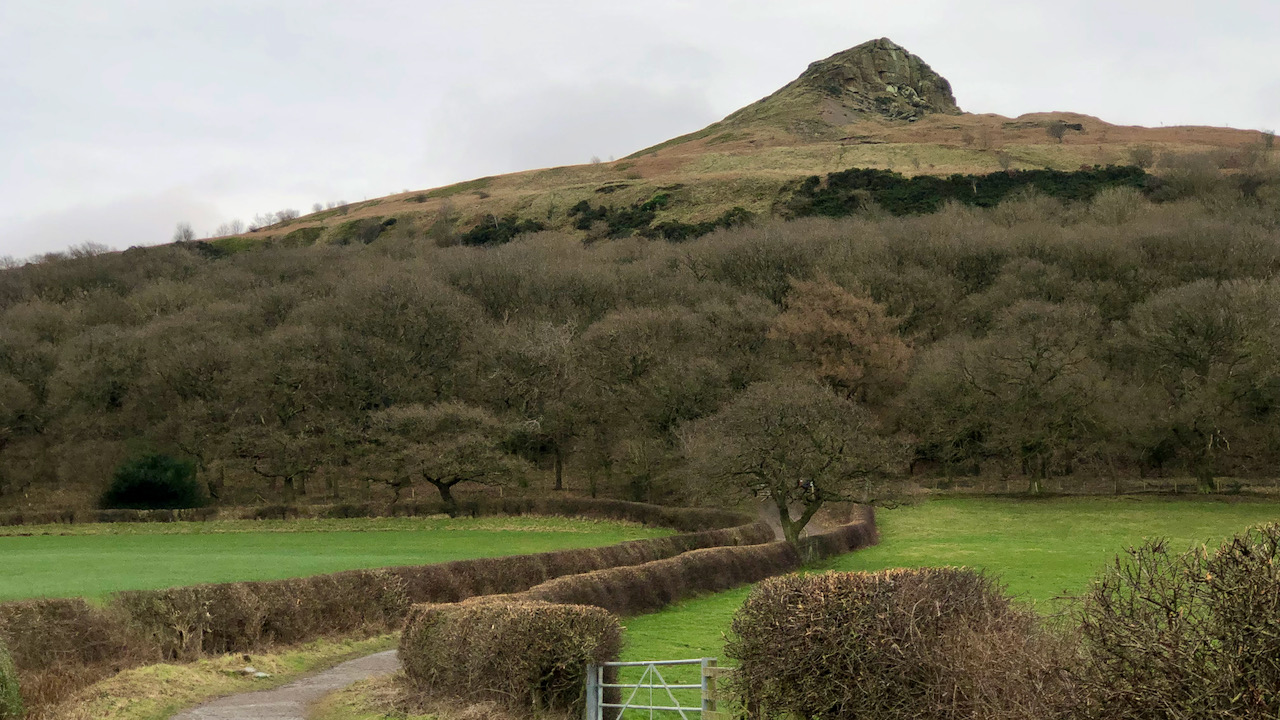
Post-Brexit Changes in Hedgerow Protection
Wood Lane — the historical name of the track along which most folk climbing Roseberry Topping will approach the hill. Before the hard graft begins. It looks as though the hedgerows on either side of the track have recently been cut, most likely mechanically flailed. In order to be stockproof and to offer a diverse…
-
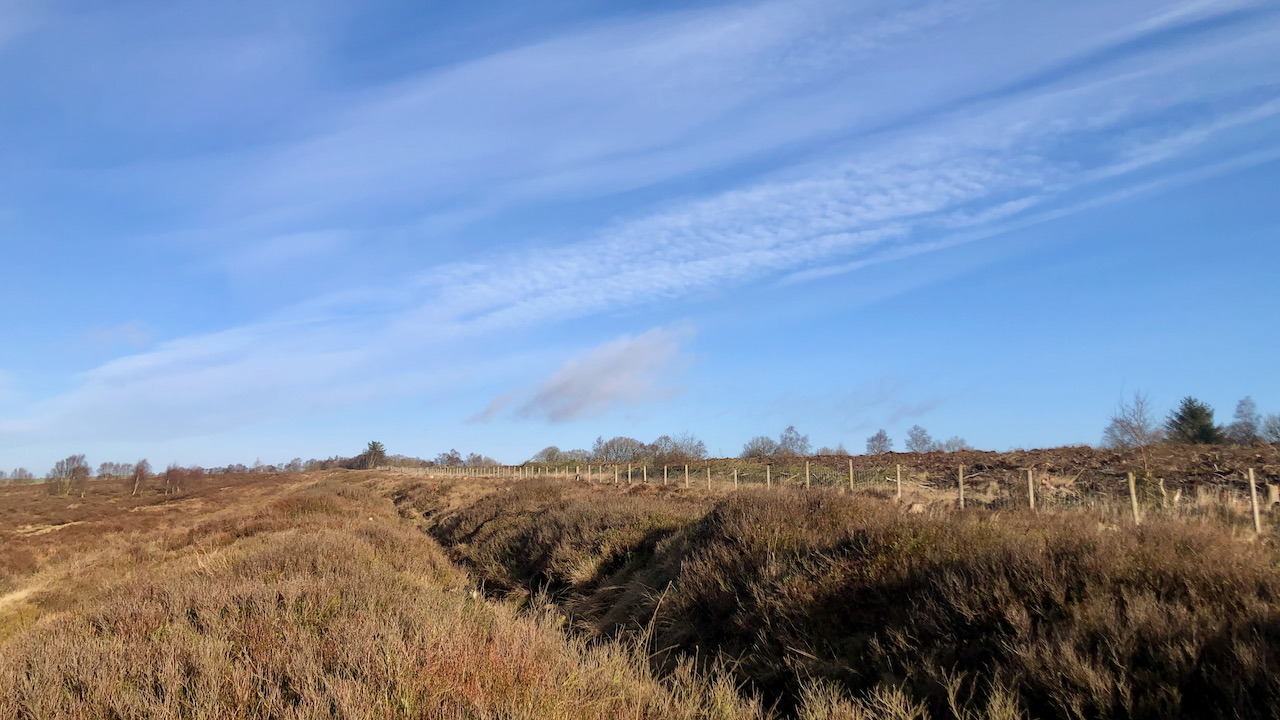
High Bride Stone Dyke, Bridestones
On a pleasant morning at Bridestone Moor, near Dalby Forest, soaking in the apricity, and enjoying the azure sky. Regrettably, clouds gathered post-lunch. However, an opportunity presented itself to inspect an ancient dyke delineating the boundary between National Trust property and the Forestry Commission. Over several winters, we endured all weathers on this moor, dedicating…
-
Source of the Leven
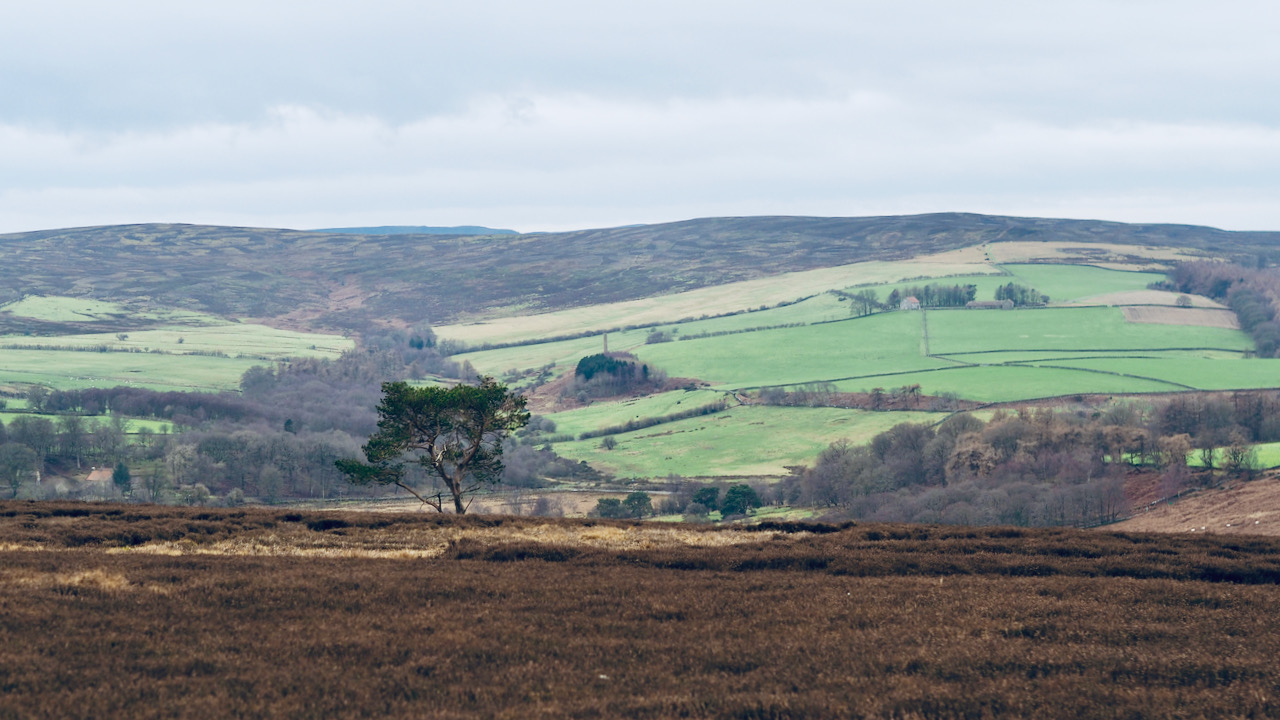
A rarely seen view of the upper reaches of the River Leven, that tributary of the Tees, before it begins its winding journey through the lowlands south of Middlesbrough. Beginning high on Warren Moor at the edge of Cleveland Hills, this river is unique as the only one north of the Humber that flows westward…
-
The Execution of King Charles I and the Chaloner Connection
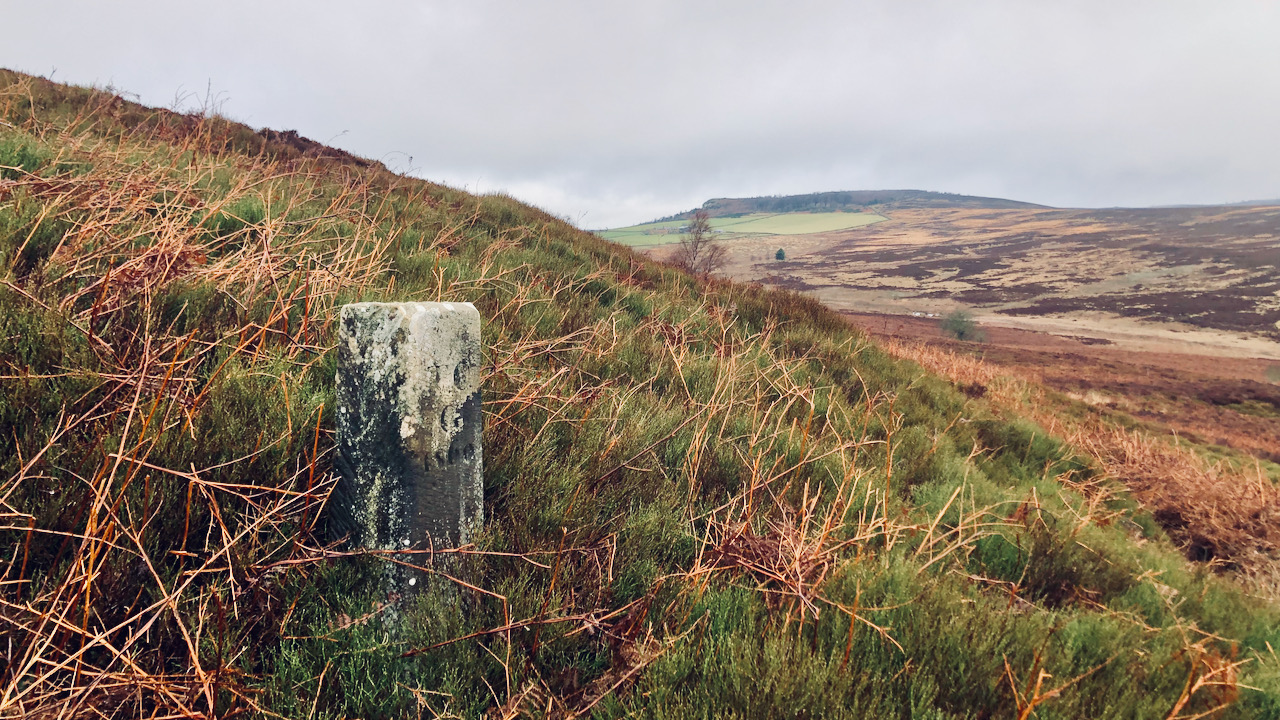
On this day, 30 January, 1649, at Whitehall, Oliver Cromwell oversaw the executioner Richard Brandon chopping off the head of the King of England, Charles I. Thomas and James Chaloner, sons of the courtier Sir Thomas Chaloner (1559-1615) from Guisborough, were among the 135 commissioners at the King’s trial. Thomas, (born 1595) bolder than his…
-
The Price of Popularity—When stunning views become exploited gems
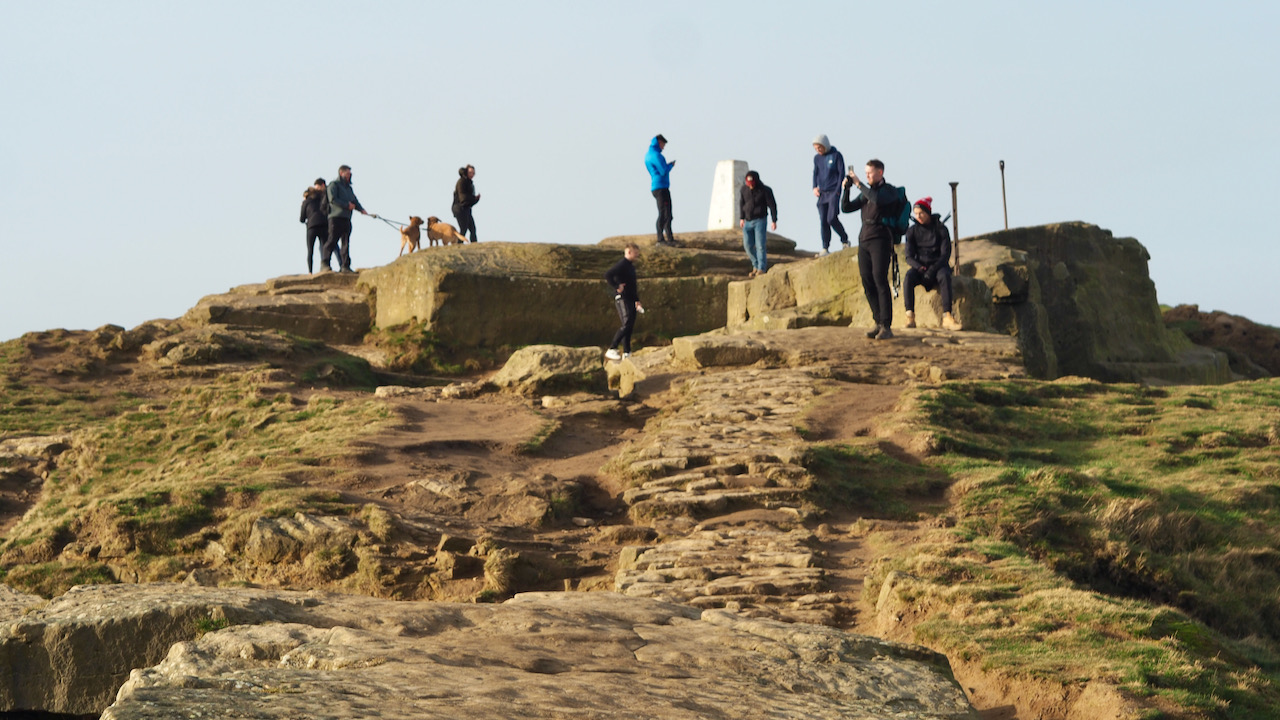
I tend to avoid Roseberry summit on weekends. It’s bustling up there, not my cup of tea. I crave the sweet solitude of the hills. But these days, being out in the countryside is like the coolest thing to do. Blame it on the pandemic or whatever, but it’s not like the old days. Ah,…
-
Lime Kilns of the Tabular Hills
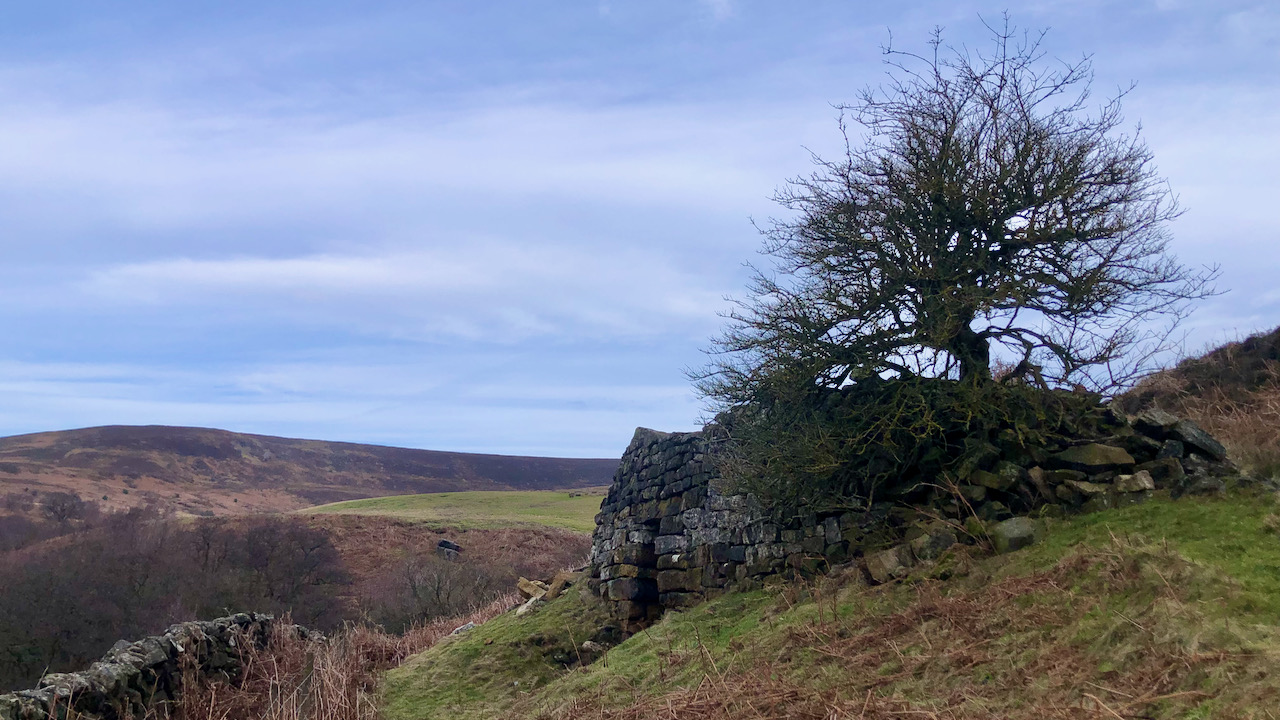
One of the many limekilns that can be seen dotted around the Tabular Hills. These were used to produce agricultural lime to be spread across the fields as a sweetening agent and to replenish losses, a traditional method in the 18th and 19th centuries for improving the fertility of acidic soils. Limestone, extracted from nearby…
-
The Tarn, once a winter playground
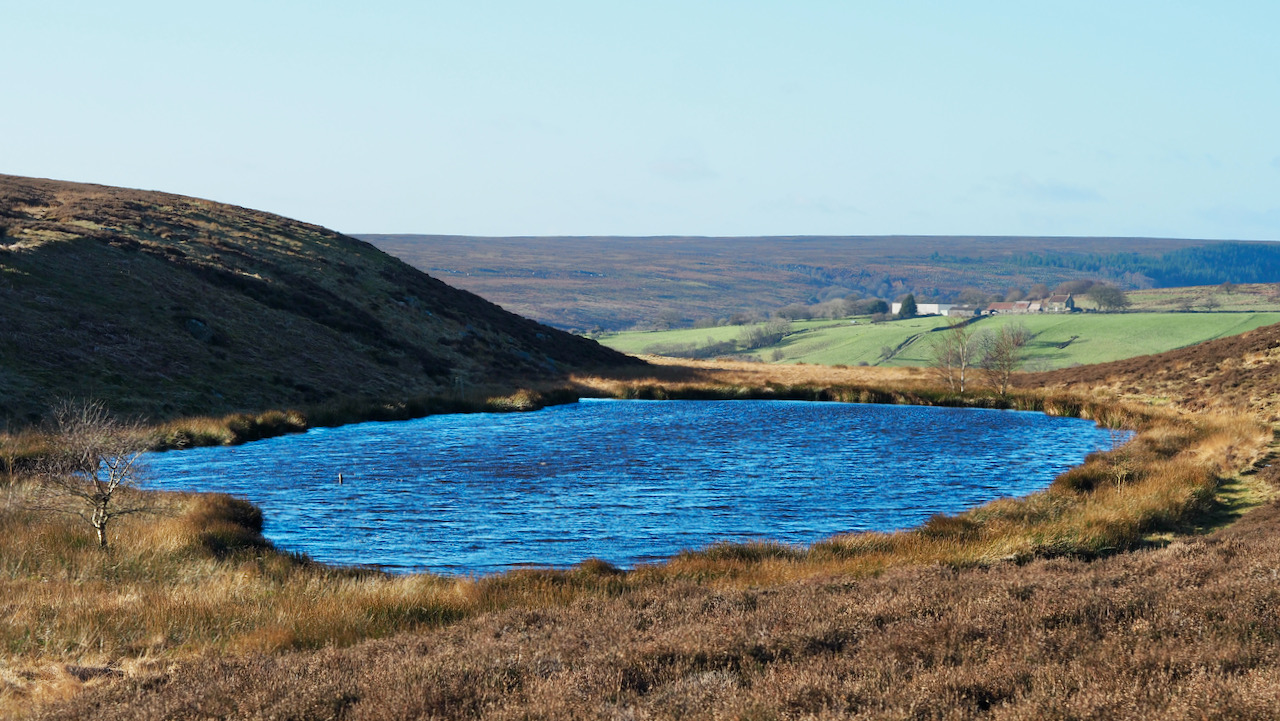
On Two Howes Rigg, south of Goathland, is a dainty pool named “The Tarn.” It is manmade, built in the early 20th century. The early O.S. map show the area with marsh symbols. Between the wars, this pond transformed into an icy playground during severe winters. Goathland, it seems, morphed into a local St. Moritz…
-
Bransdale: a cacophony of gunshots — too close for comfort
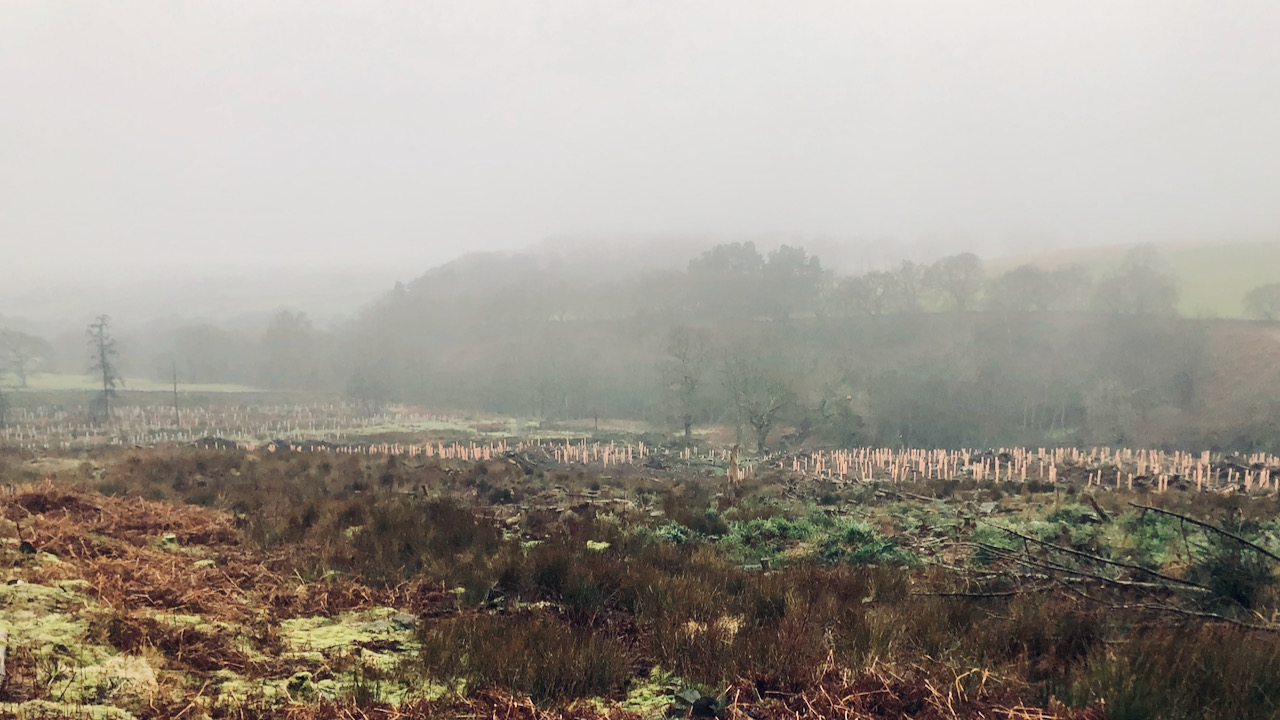
A day spent volunteering with the National Trust in Bransdale, even though the landscape was somewhat elusive. During our journey over, we left a clear yet overcast Esk valley, climbing into a thick layer of cloud at Rosedale Head. This blanket of fog lingered persistently, keeping us smothered throughout the day. But, in a fleeting…