Category: North York Moors
-
A Mystery Beneath our Feet on Cold Moor
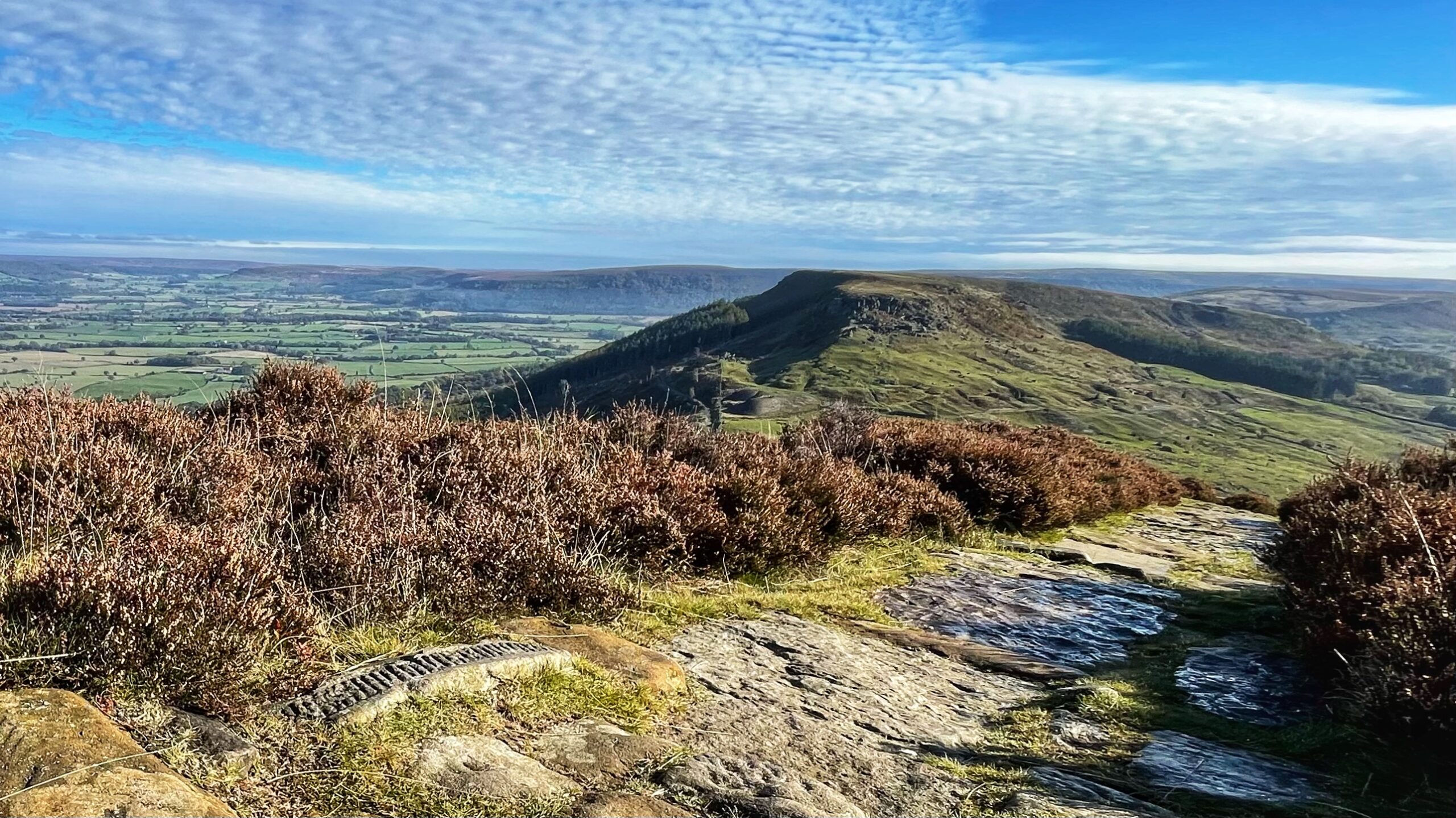
Last Sunday, the weather gods allowed a final memorable spectacle of blue skies over the North York Moors before the autumnal gloom. From the heights of Cold Moor, the view towards the Wainstones was as grand as ever, but my eye was drawn not to the distant crags, but to something rather more curious: that…
-
Sleights and the Perilous Descent of Blue Bank
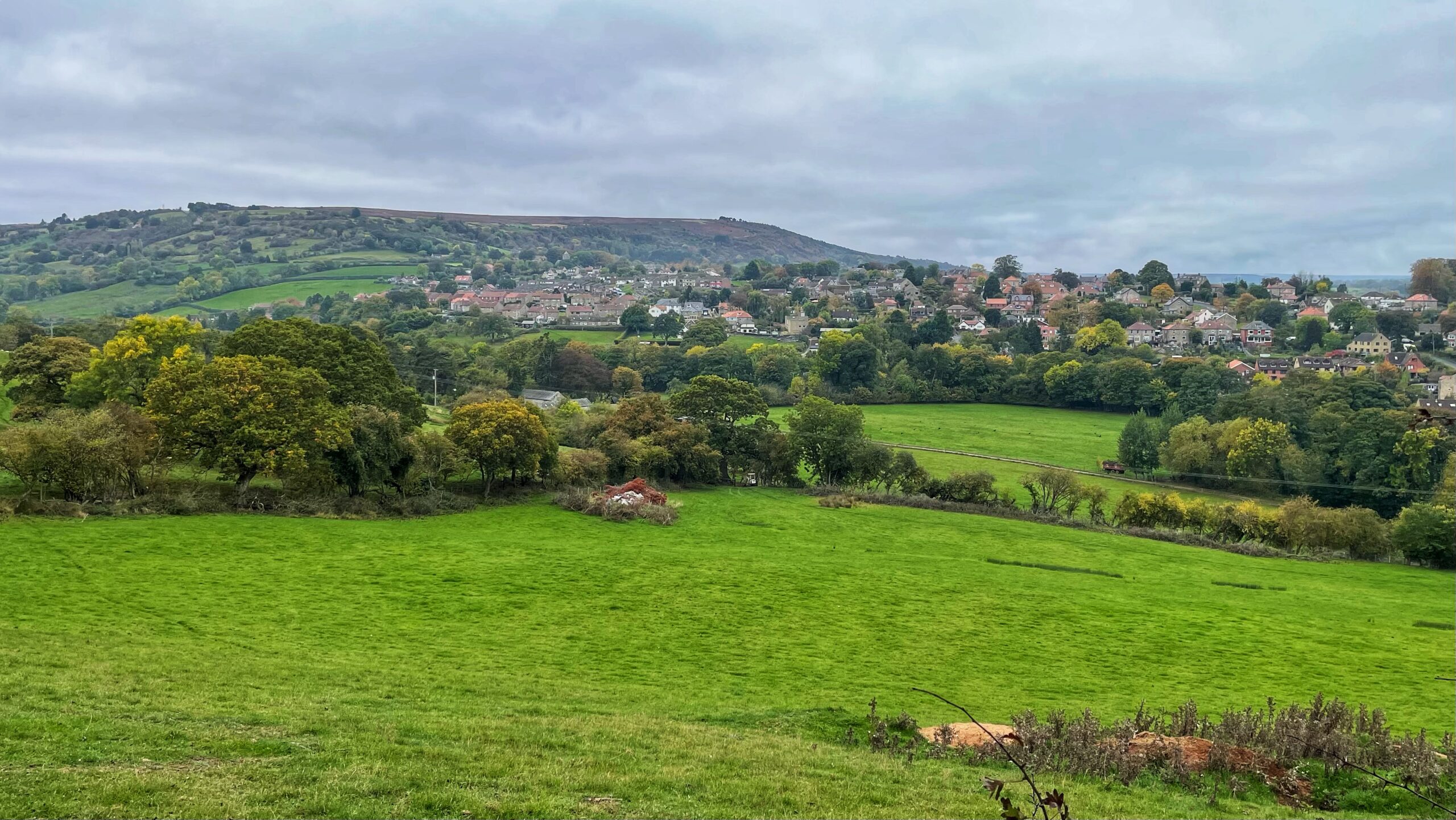
Once upon a time, Sleights must have seemed the very picture of rural contentment: a quiet, respectable village where weary visitors might escape the clamour of industrial England amid green hills and fresh air. It was, one suspects, precisely the sort of place where Whitby’s prosperous merchants might choose to end their days, away from…
-
Cringle Moor and the Cult of the Drone
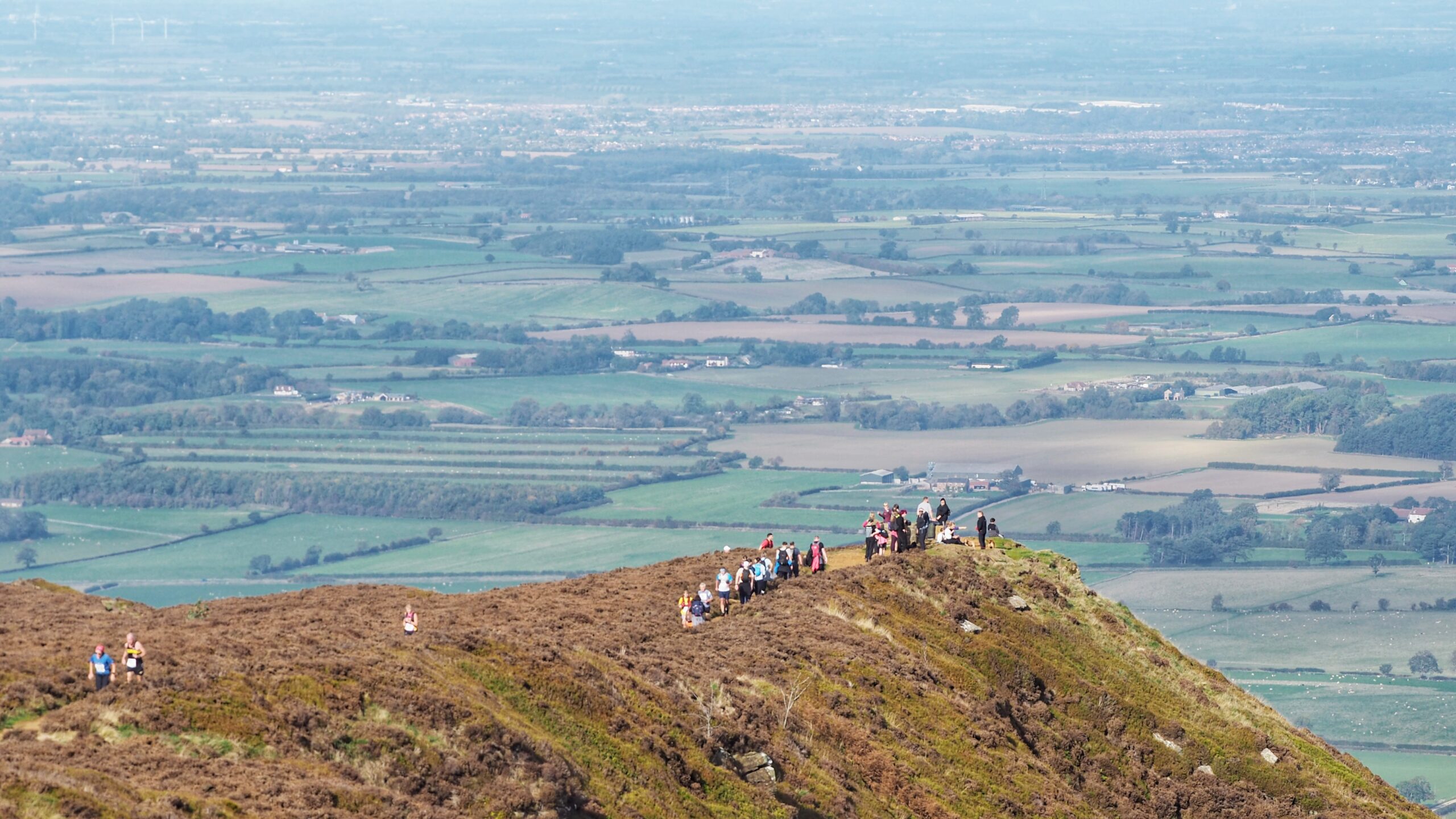
A splendid day upon the Cleveland Hills, warm, sunny and kissed by a breeze so genteel it could almost be mistaken for civility. Cringle Moor was heaving, of course, the Viking Chase Fell Race transforming it into something between a checkpoint and a human anthill. And there, above the sweating masses, hovered the latest curse…
-
The Twisting Plume of Ingleby Greenhow
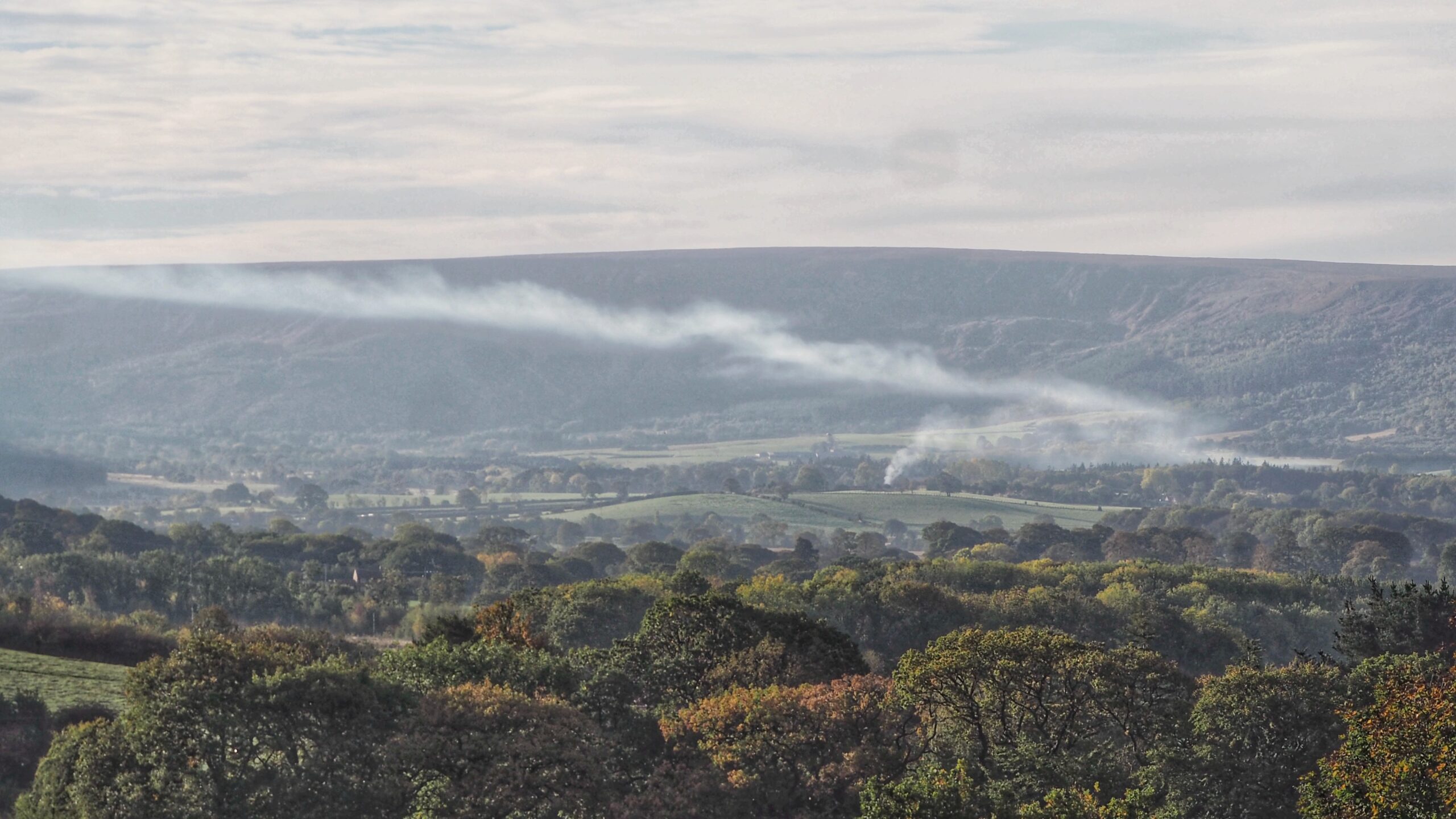
A familiar landscape, yet on a still autumnal day in the Vale of Cleveland, when not a single turbine blade so much as twitches, an unexpected sight smudges the view. A solitary plume of smoke twists into the air, unsettling in its beauty, creating a scene both ordinary and strangely unfamiliar. At first glance, it…
-
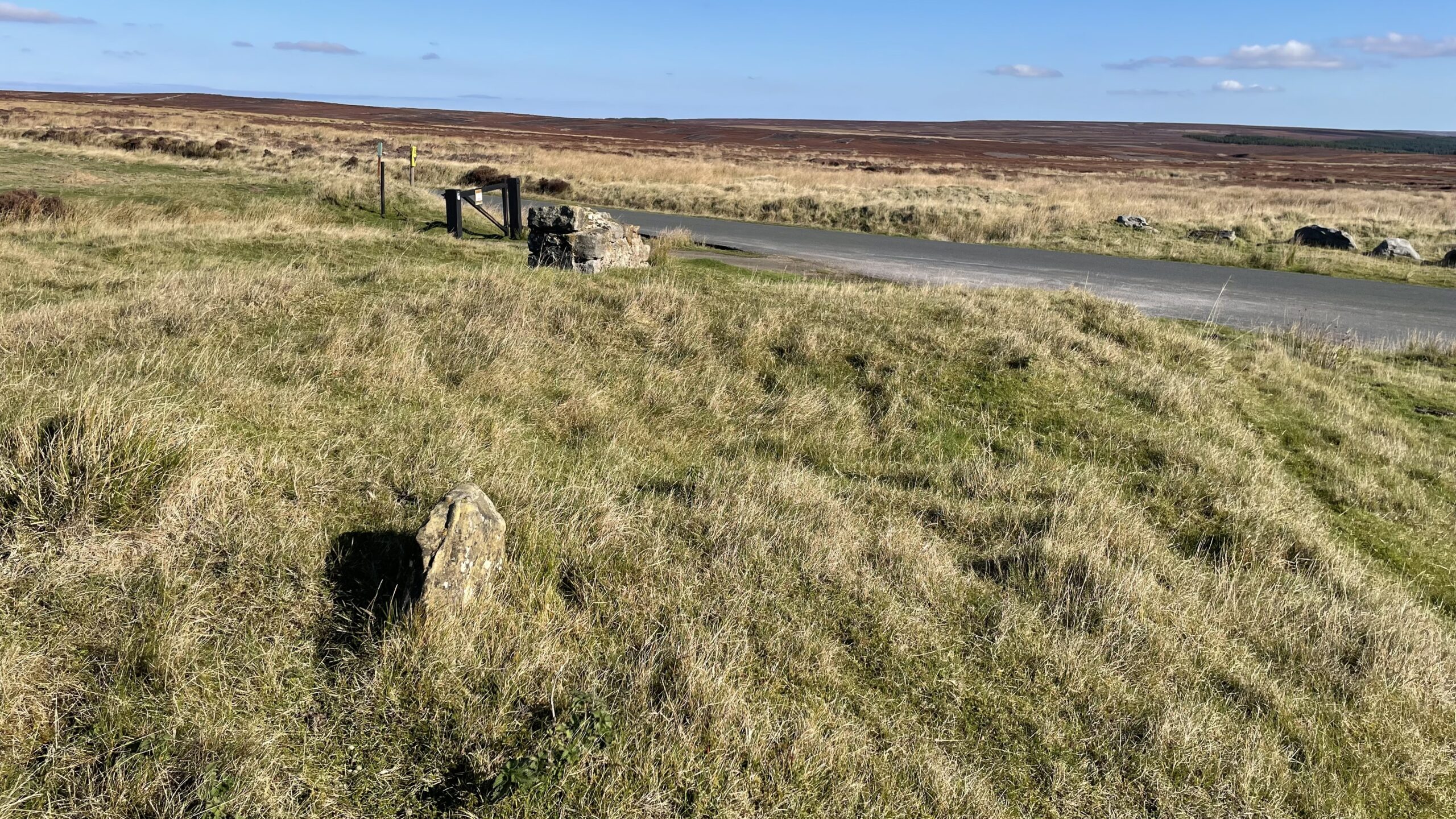
The Lettered Board Inn and the Mystery of the Two Georges
A lonely crossing on the Lyke Wake Walk. Halfway between exhaustion and achievement. This was once the place where weary walkers would find their support party, waiting with flasks of tea and stodgy puddings to fortify them for the bleak march across Wheeldale Moor. That was half a century ago. The ruin that once stood…
-
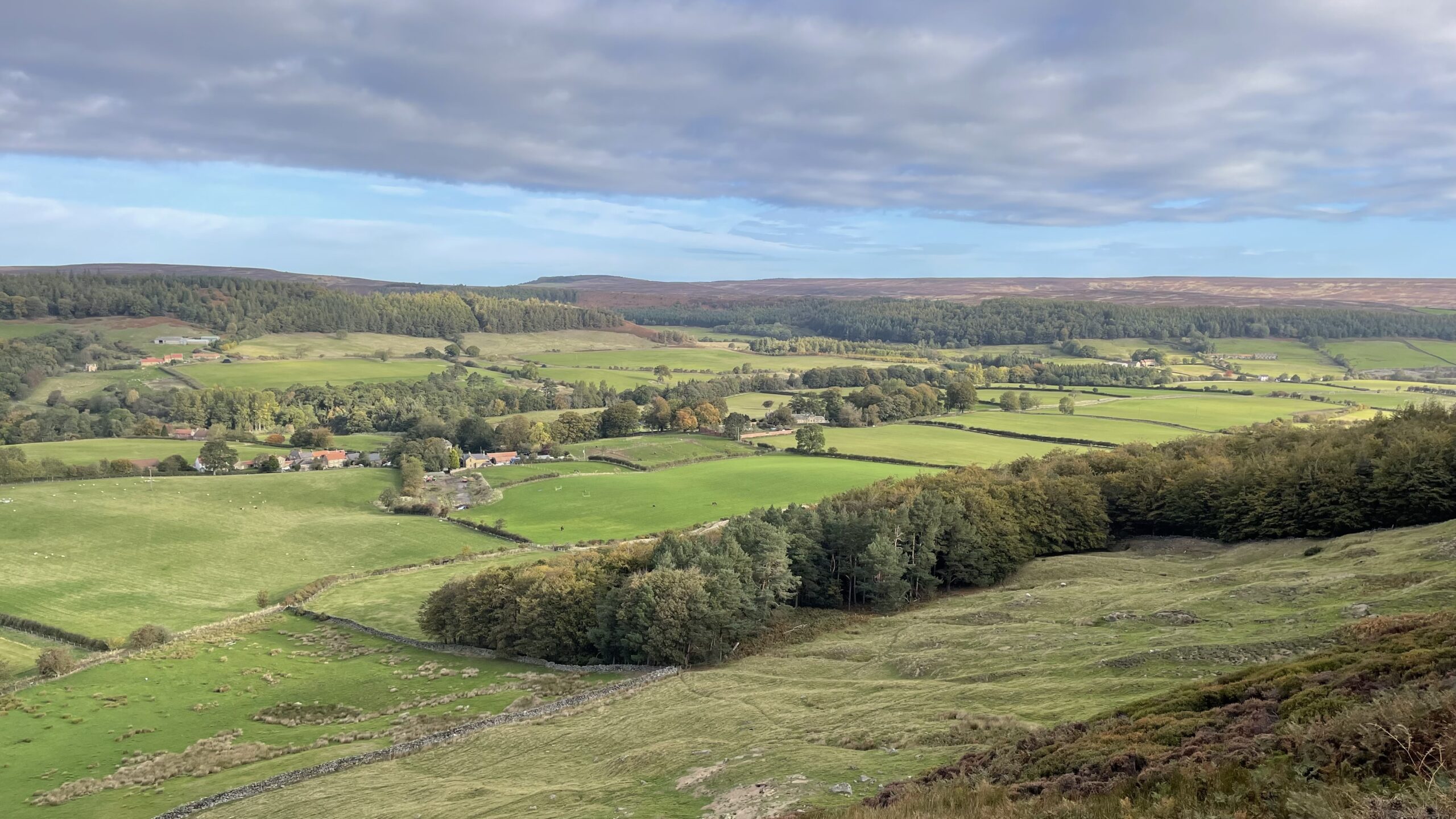
Echoes of Killi: A Brief History of Kildale
Hidden behind the trees to the left in the photo stands St Cuthbert’s Church, its quiet stones guarding secrets far older than the building itself. During construction in the 19th century, workmen uncovered a remarkable find: several Viking graves, complete with swords and traders’ weighing scales. The discovery hinted that Kildale was once far more…
-
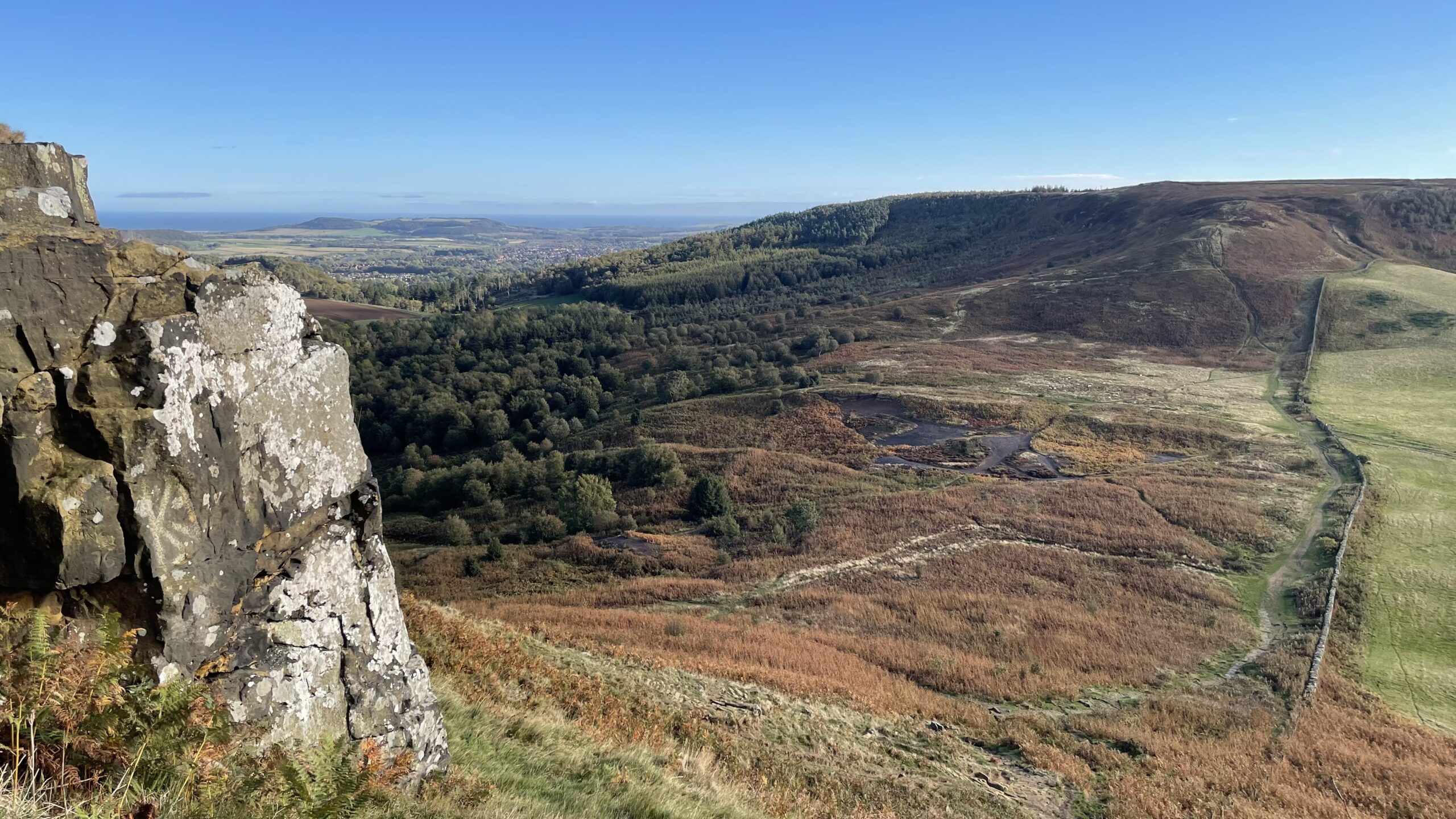
Grazing on the Common
Roseberry Common is, as its name implies, Common land. Once belonging to the Lord of the Manor of Newton, it was vital to village life. Here the people gathered fuel, grazed their livestock, and scraped together the means to keep both body and hearth alive through harsh seasons. If you look closely, you may spot…
-
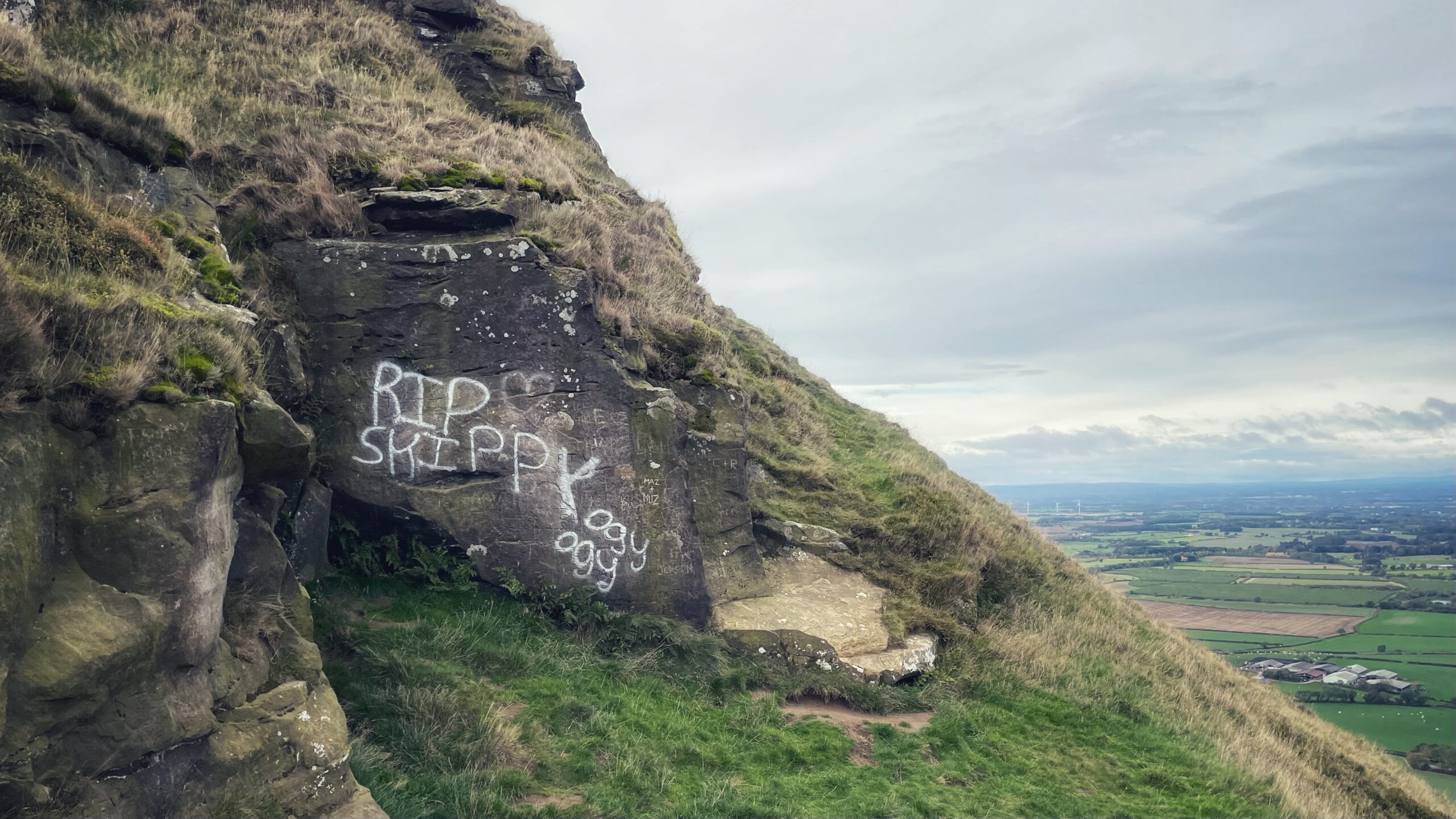
RIP SKIPPY: A Memorial Nobody Wants
Just below the summit of Roseberry Topping—a name that sounds like a pudding but is in fact Teesside’s iconic hill—there’s a large crag sandstone, rock that was laid down millions of years ago. The hill itself has only existed for twenty thousand or so, which makes it practically new money in geological terms. Moss and…
-
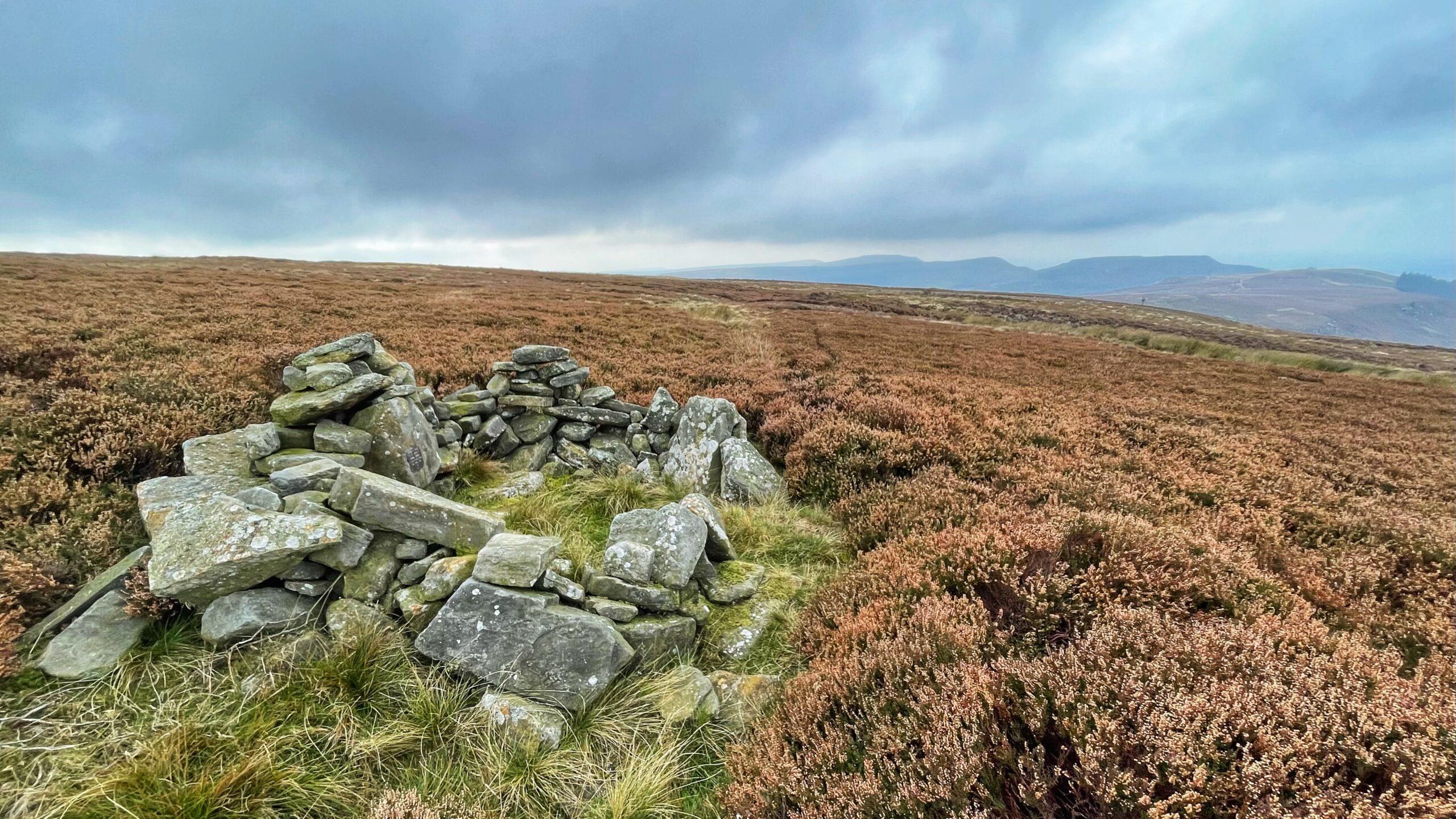
Who Was Mitchell Atkinson?
Most of you know I am no admirer of memorials. Benches, plaques and carved rocks scatter the moors like litter. Yet this one is somewhat different, as if justified by age. Hidden off the main paths above Greenhow Botton since 1972, I had no idea it existed until I came across it, a few years…
-
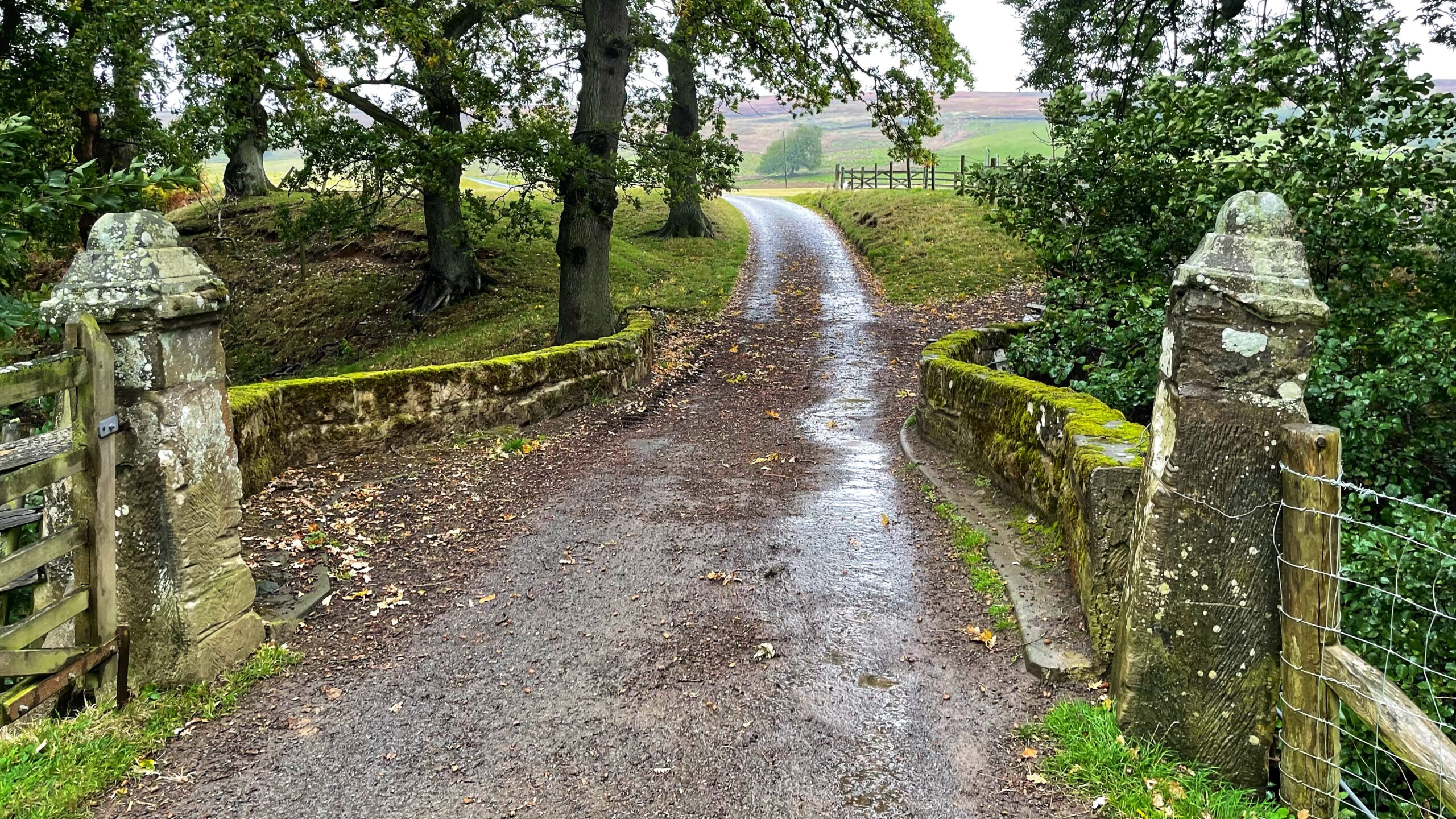
The Bridge at Baysdale: A Relic of a Lost Priory
This bridge in Baysdale is more than a quaint curiosity. Its single arch spans Black Beck with quiet dignity, yet the quirky little parapets give it certain character. These are later additions, added in the seventeenth or eighteenth century by someone with a flair for decoration but little sense of symmetry. The bridge was originally…