Category: North York Moors
-
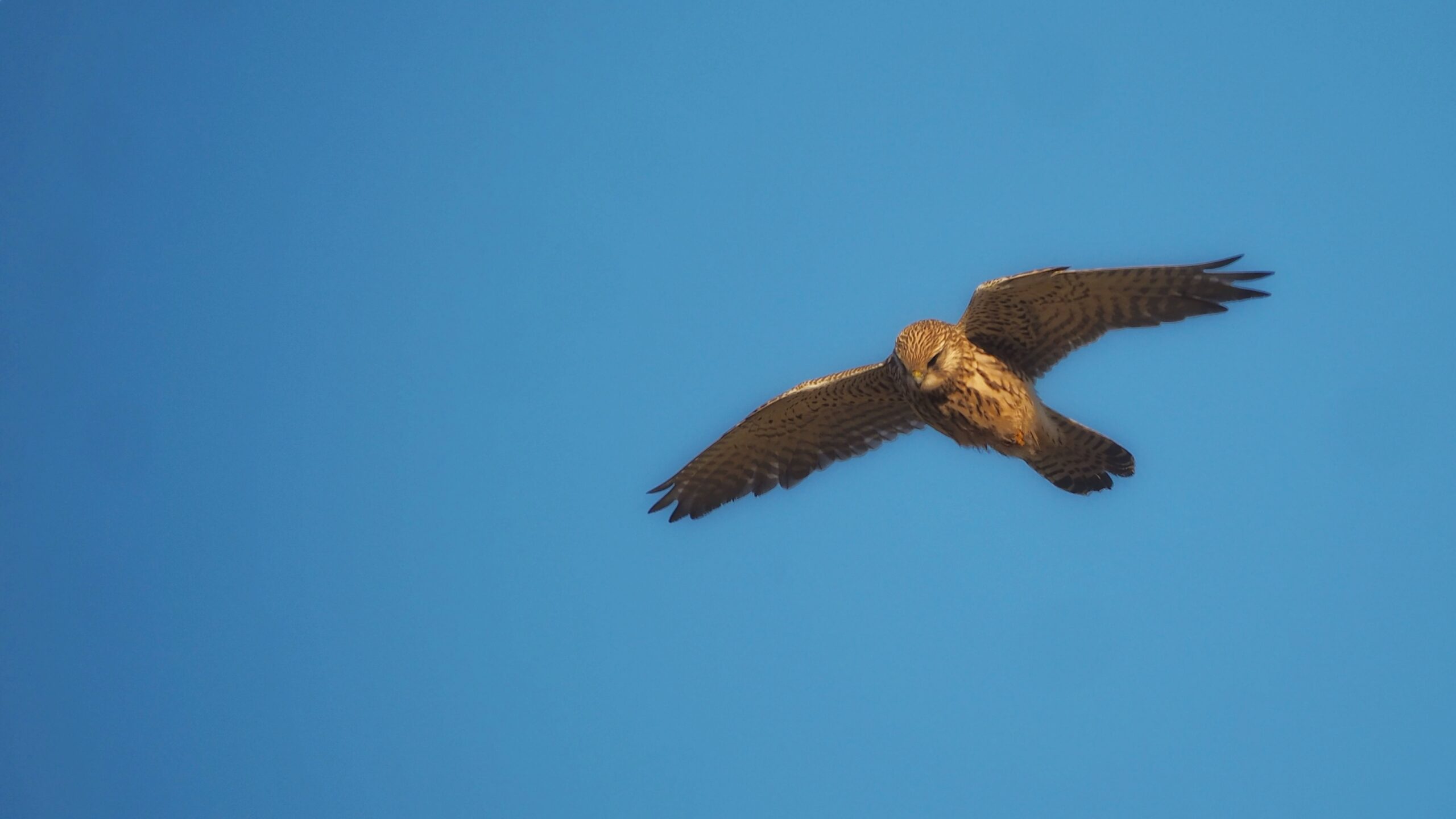
A Glimpse of a Windhover
Despite spending at least two hours outdoors on most days, close meetings with nature are actually quite thin on the ground. There is the odd distant view, a brief flicker at the edge of sight, usually gone before my patience can catch up. My bird identification skills are basic, but even I know this much.…
-
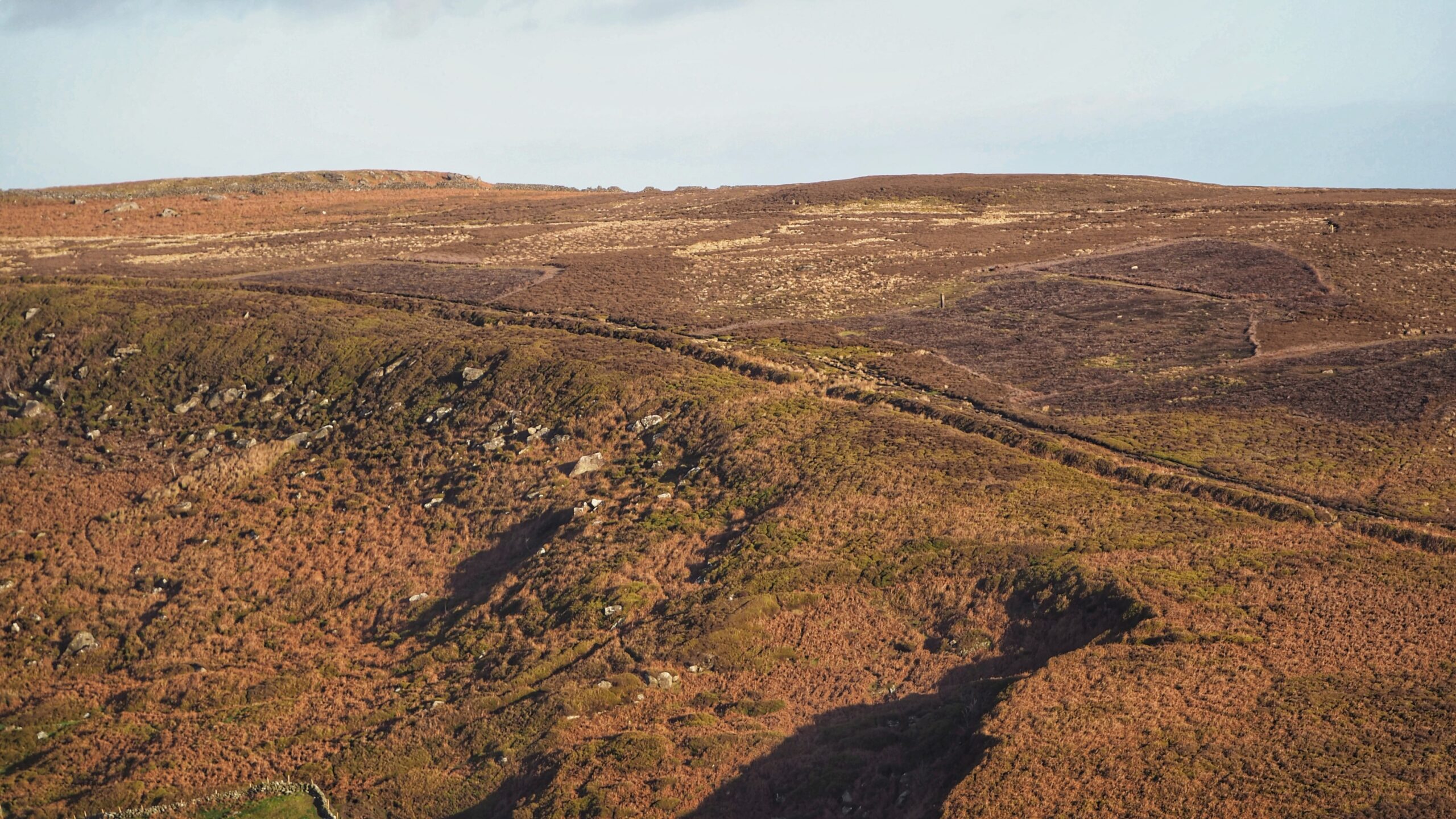
Billy’s Dyke on the High Moor
Just after the midwinter feast of 1070, William the Conqueror, fresh from Christmas in York, marched north to settle a score. His garrison at Durham had been slaughtered, and he meant to answer blood with fire. What followed was ruin on a grand scale. Villages, farms, whole stretches of countryside were wiped clean, with no…
-
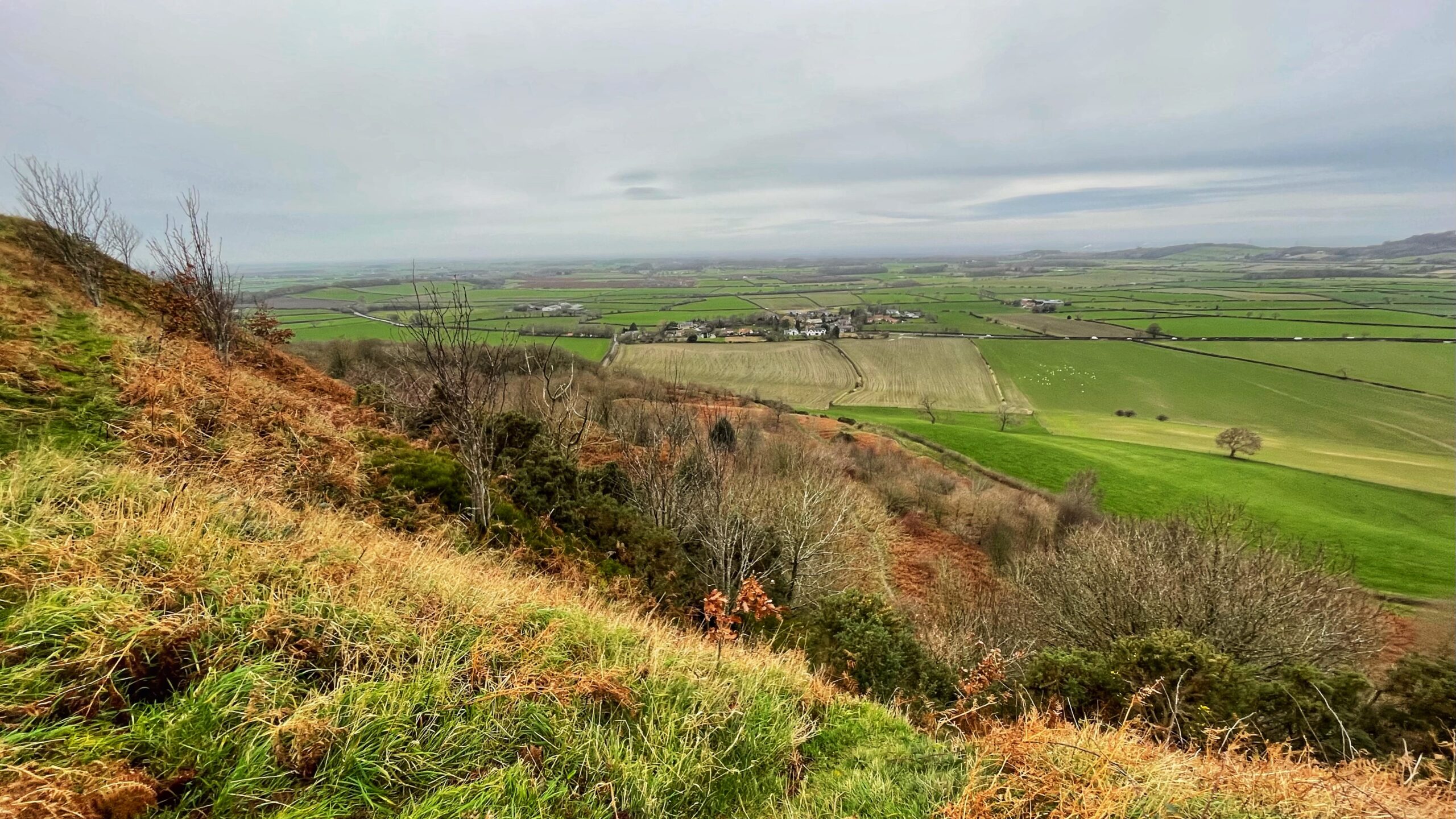
A Long View from Cockle Scar
Scar, scarp and escarpment have a knack for muddling people. The landforms overlap, and to add to the fun a scarp can carry several scars on its own back. Despite how they look, scar is not related to the other two. It comes from the Old Norse “sker”, meaning crag, with a nod to “sgeir”.…
-
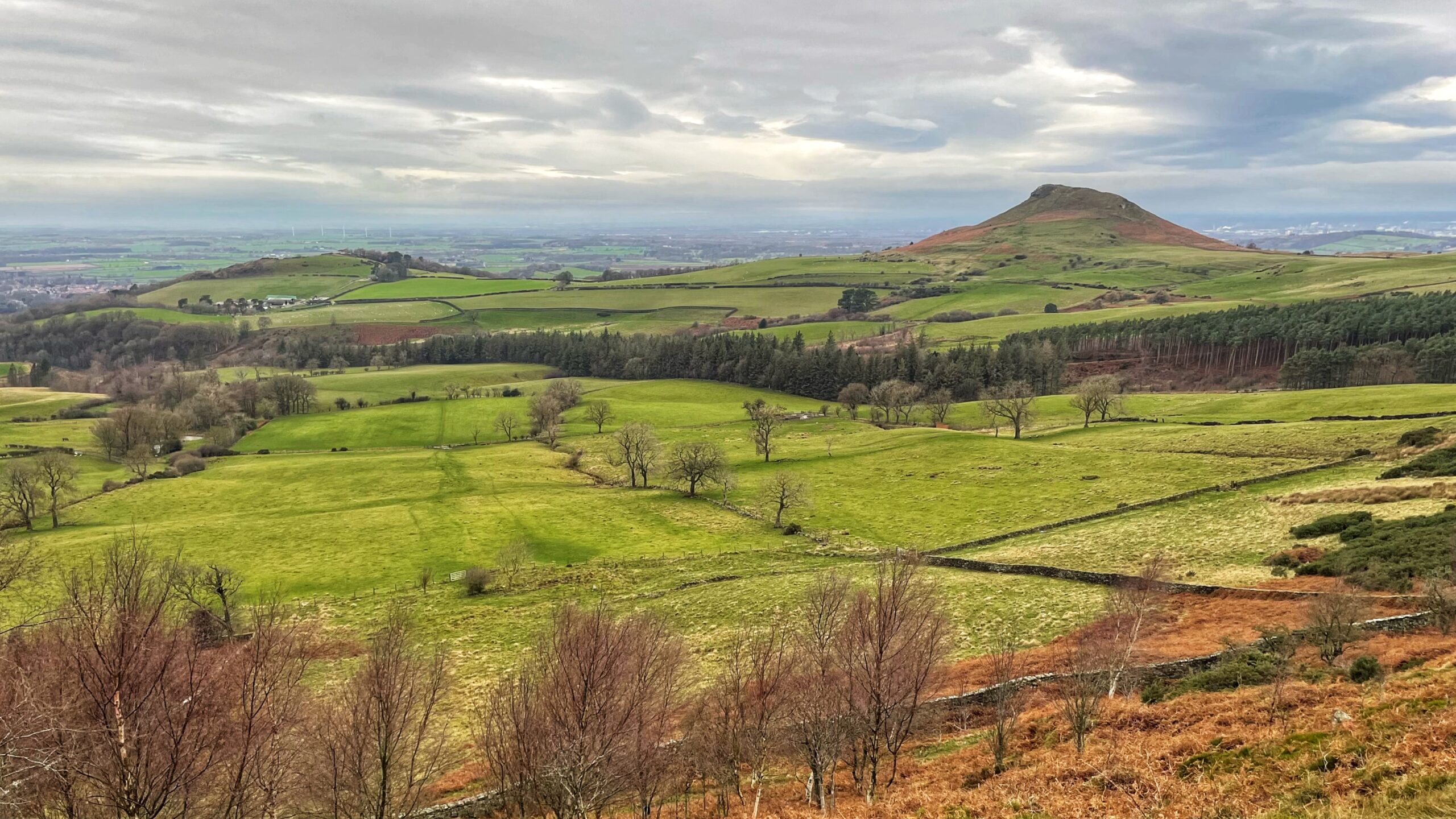
Roseberry Watching Over Enclosed Land
The nearest field in today’s photograph marks the site of the old farmstead of Summerhill, born out of Great Ayton’s enclosure of the common land in 1658. At that time, the commons stretched all the way to the top of Roseberry, open and shared in a way that would soon vanish. The enclosure was carried…
-
Commondale and the Forgotten Potters of the Home Front
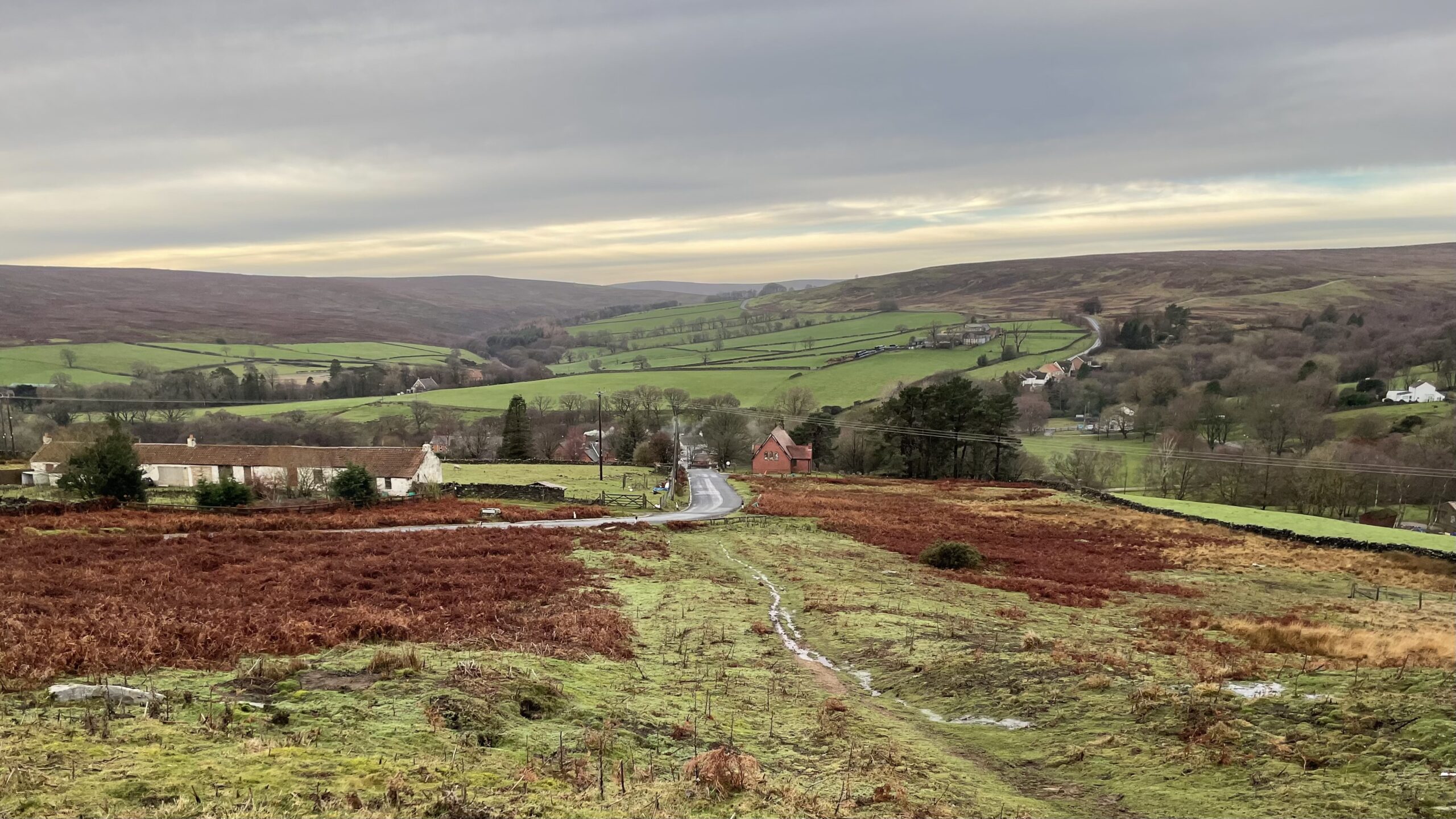
Commondale is a quiet village now, the sort that seems still half asleep by mid-morning. It was not always like this. The arrival of the railway changed everything. A brickworks followed, then a pottery, turning out objects of real quality. When pottery declined, production shifted again. Sanitary ware was made in volume, along with facing…
-
Chalybeate Dreams and Murky Realities
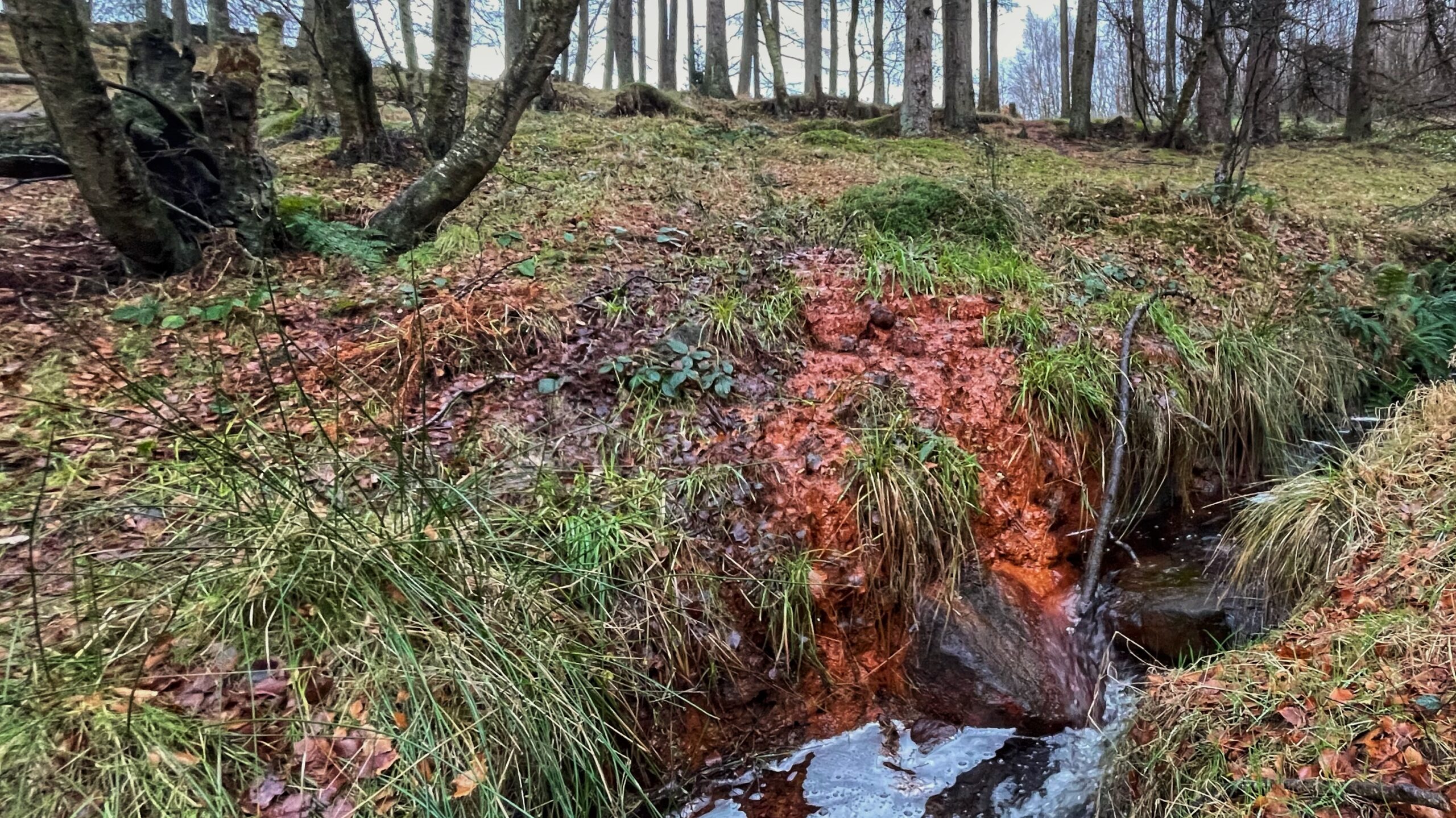
The orange colouring of this stream is a clear sign of iron salts in abundance. This is known as chalybeate or ferruginous water, a substance once held in high esteem in the 17th century when mineral waters were treated as a cure for most known ailments and several imaginary ones besides. People drank it with…
-
The Lady Chapel
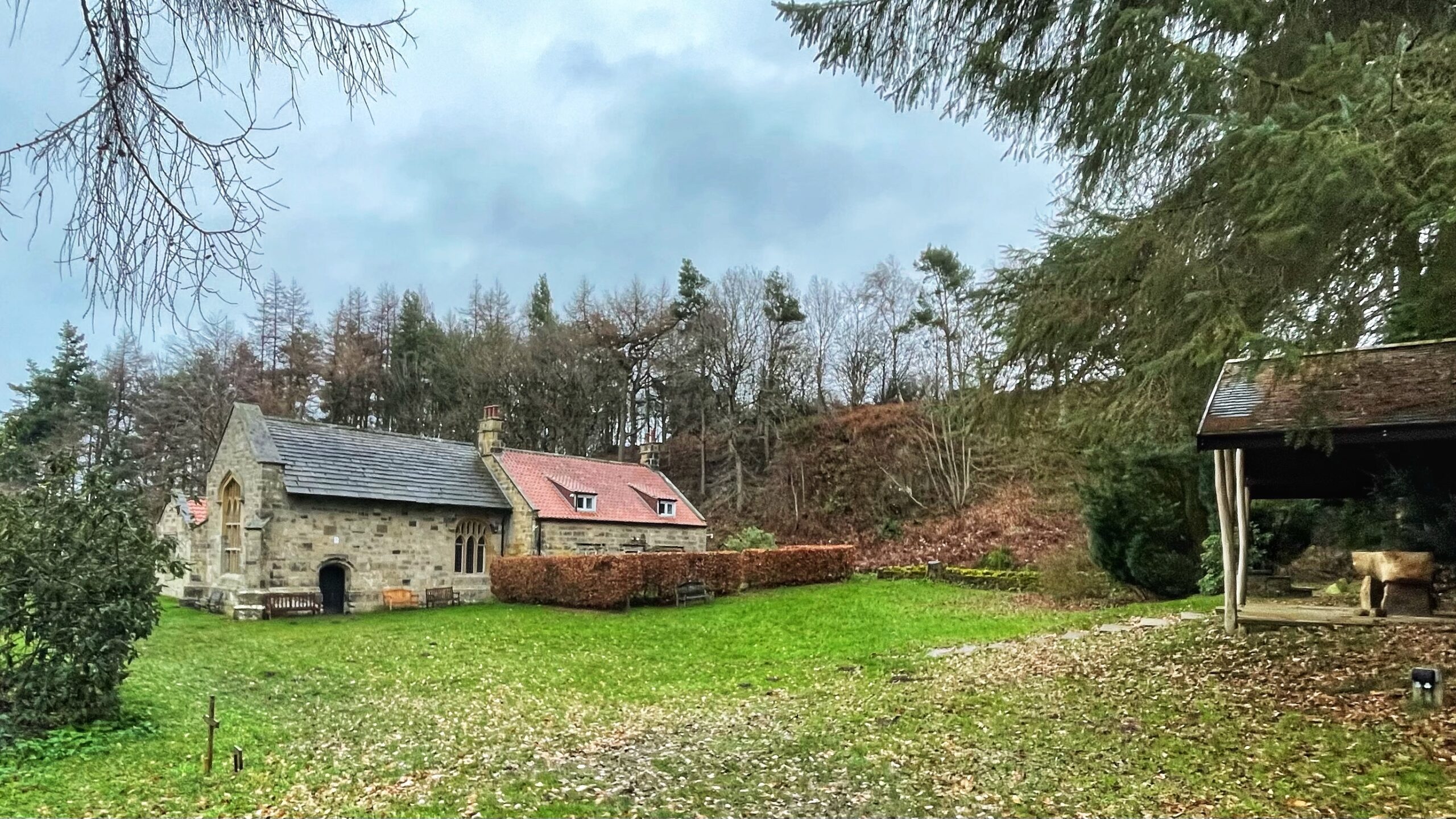
The precise beginnings of this agreeable little chapel tucked into the trees are lost to time, which is how such places like it. What we do know is that by 1397 a licence had been granted for Mass to be said here, neatly separating it from the later Mount Grace Priory, a Carthusian house nearby.…
-
Lost Without Moving: Britain’s Wandering North
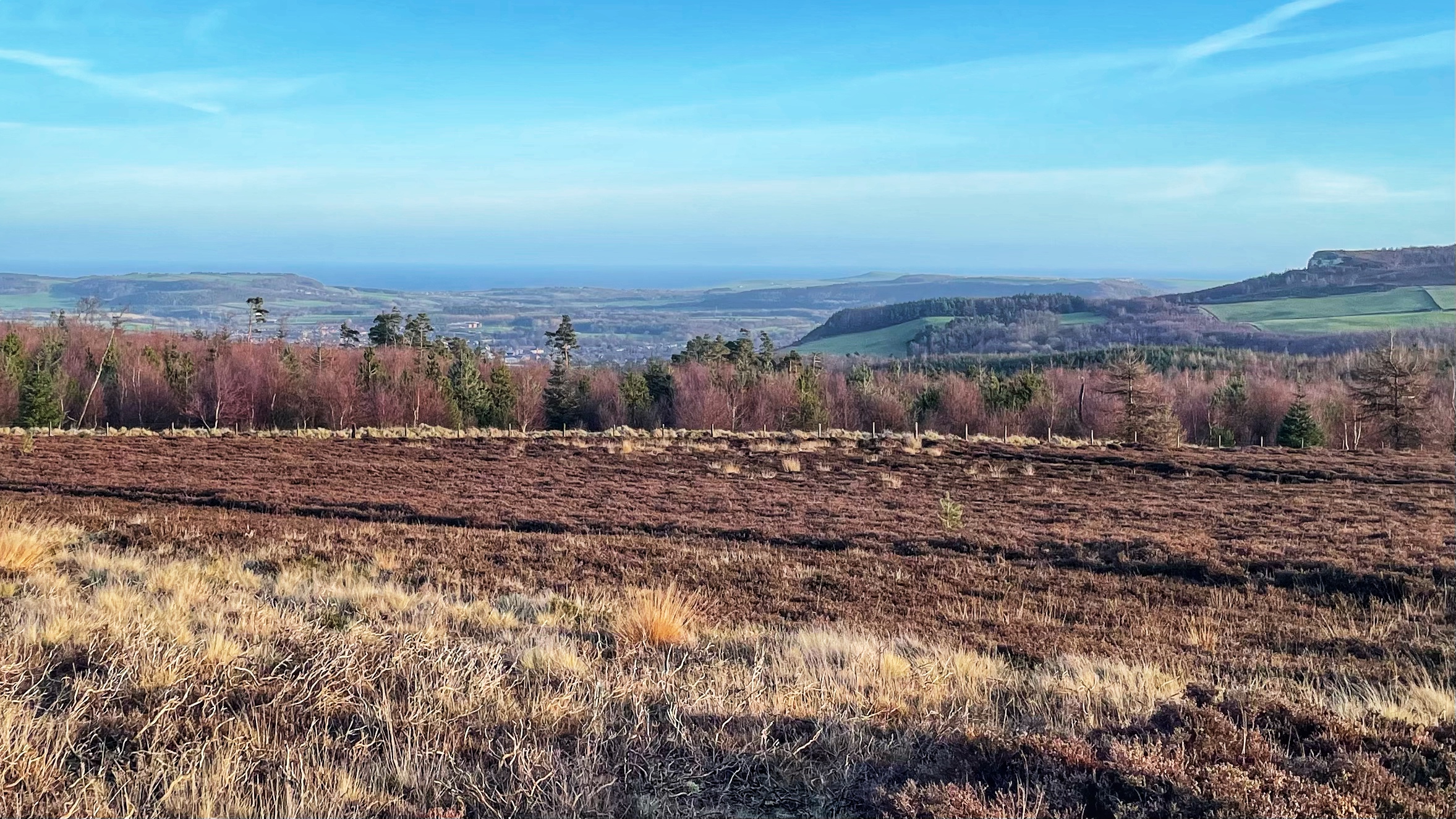
A cracking morning. This view looks north-east from Newton Moor, over Guisborough, out to the North Sea and whatever lies beyond it, behaving impeccably for once. “Grid to mag, add; mag to grid, get rid” is the sort of mnemonic that lodges in the brain for life, usually thanks to the Cubs and a damp…
-
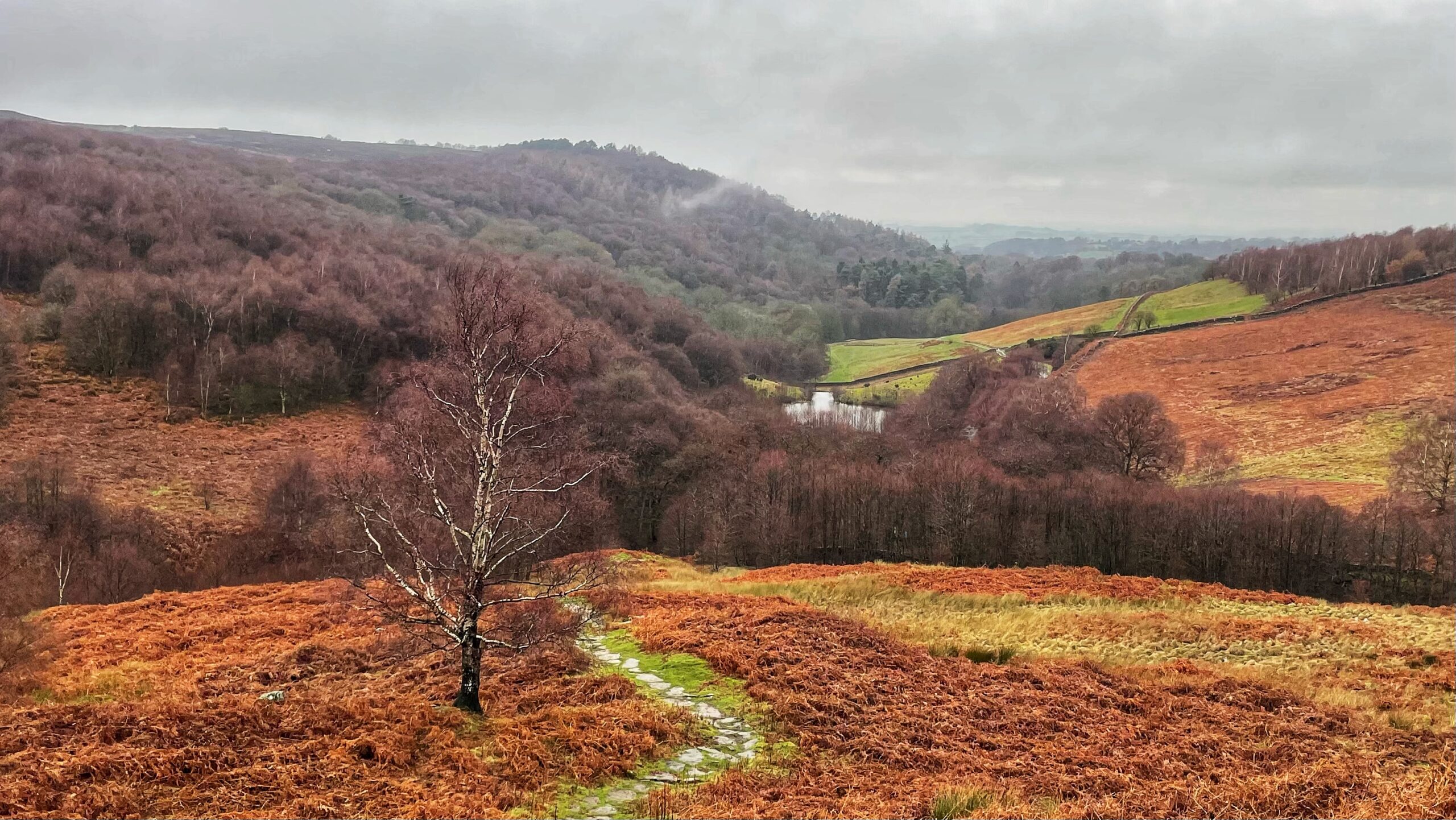
Solstice Greetings from Oakdale
Forty years ago, sending and receiving Christmas cards felt like a rite of passage, a quiet signal that one had stepped into adulthood and set up house. Some even embraced the annual letter, chronicling the family triumphs and tribulations for distant friends and relatives. We never warmed to the round-robin missive that trumpeted life’s successes,…
-
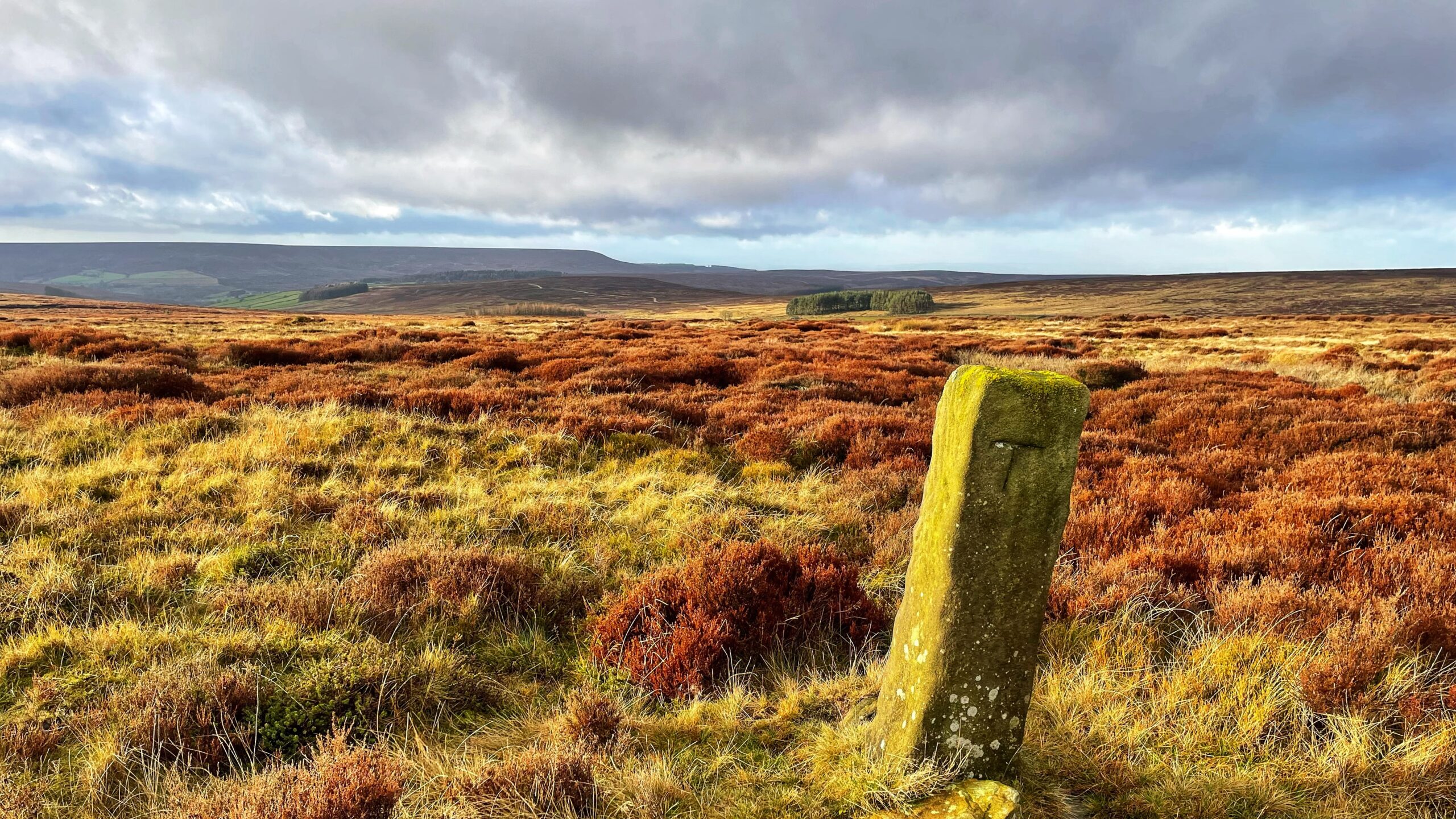
The “T” Stones of Bilsdale West Moor
The North York Moors are littered with boundary stones, each one usually stamped with a dutiful little initial, the sort of thing an aristocratic landowner might choose when feeling terribly important. An “M” for Manners, an “F” for Feversham, a “CD” for Charles Duncombe. All very neat, all very tidy. Then you stumble upon a…