Category: North York Moors
-
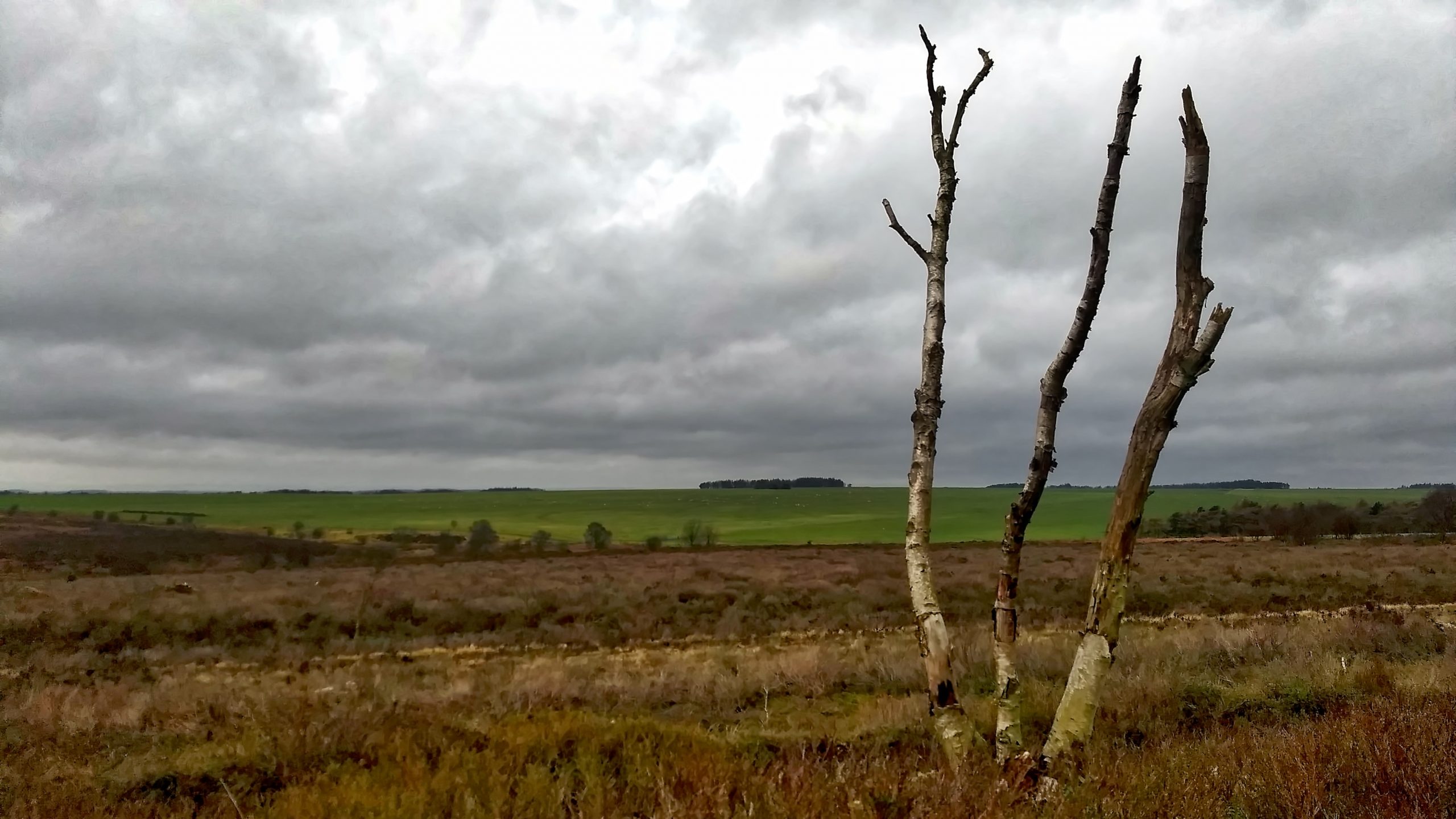
Rampike, Bridestones Moor
A rampike is the skeletal remains of a dead tree, in this case, a triple trunked birch standing alone on a windswept moor. The word comes from Canada but probably originated back in England in the 16th-century. It is thought the “ram” element means raven, i.e. as a perch favoured by these birds. It was…
-
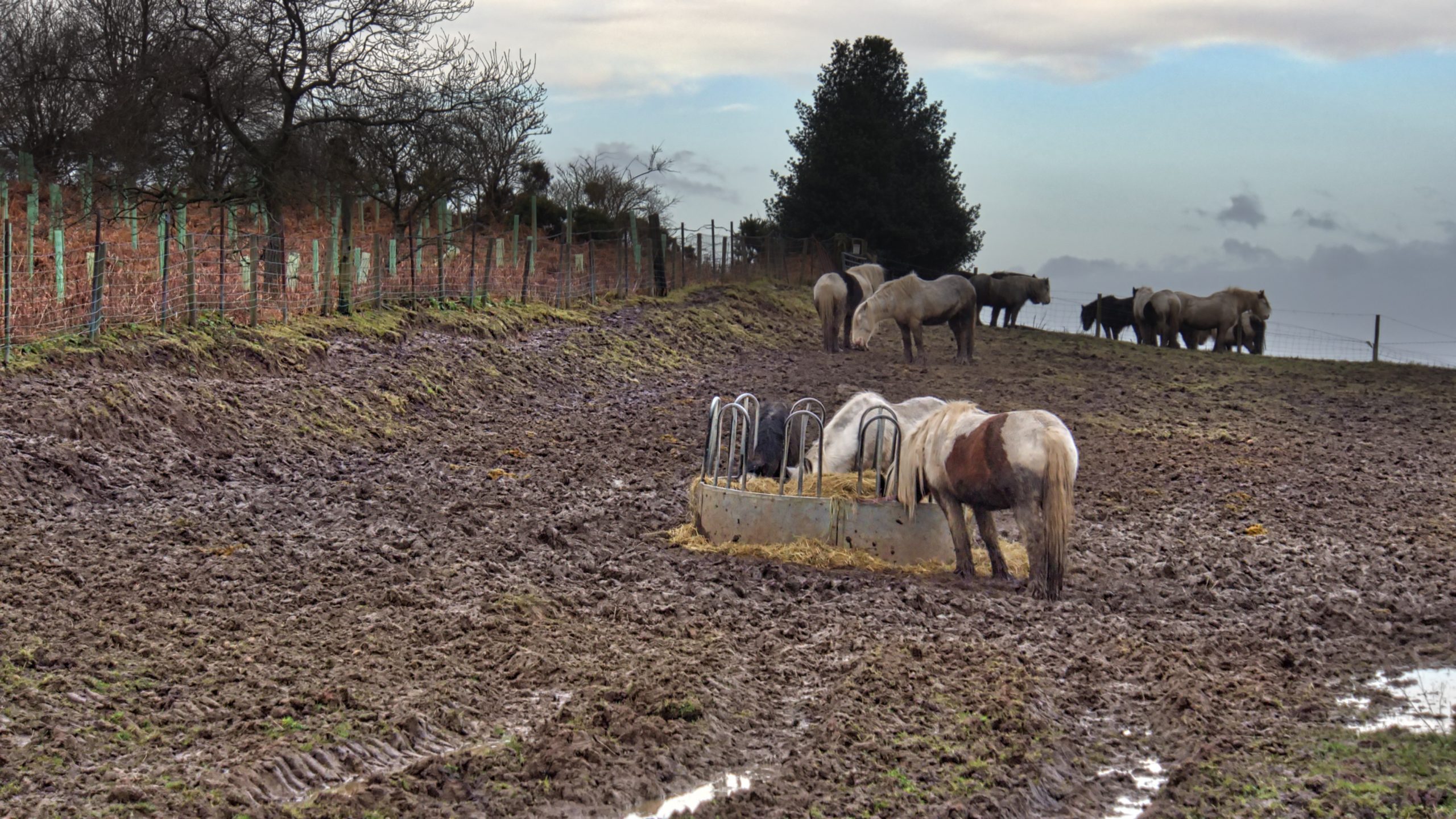
Paddock, Gribdale
I will be the first to admit that I don’t know much about horses. But I do feel sorry for this herd of horses at Gribdale. There must be close to a dozen of them in a smallish muddy field with very little grass. For sure, hay or other feed is obviously being provided but…
-
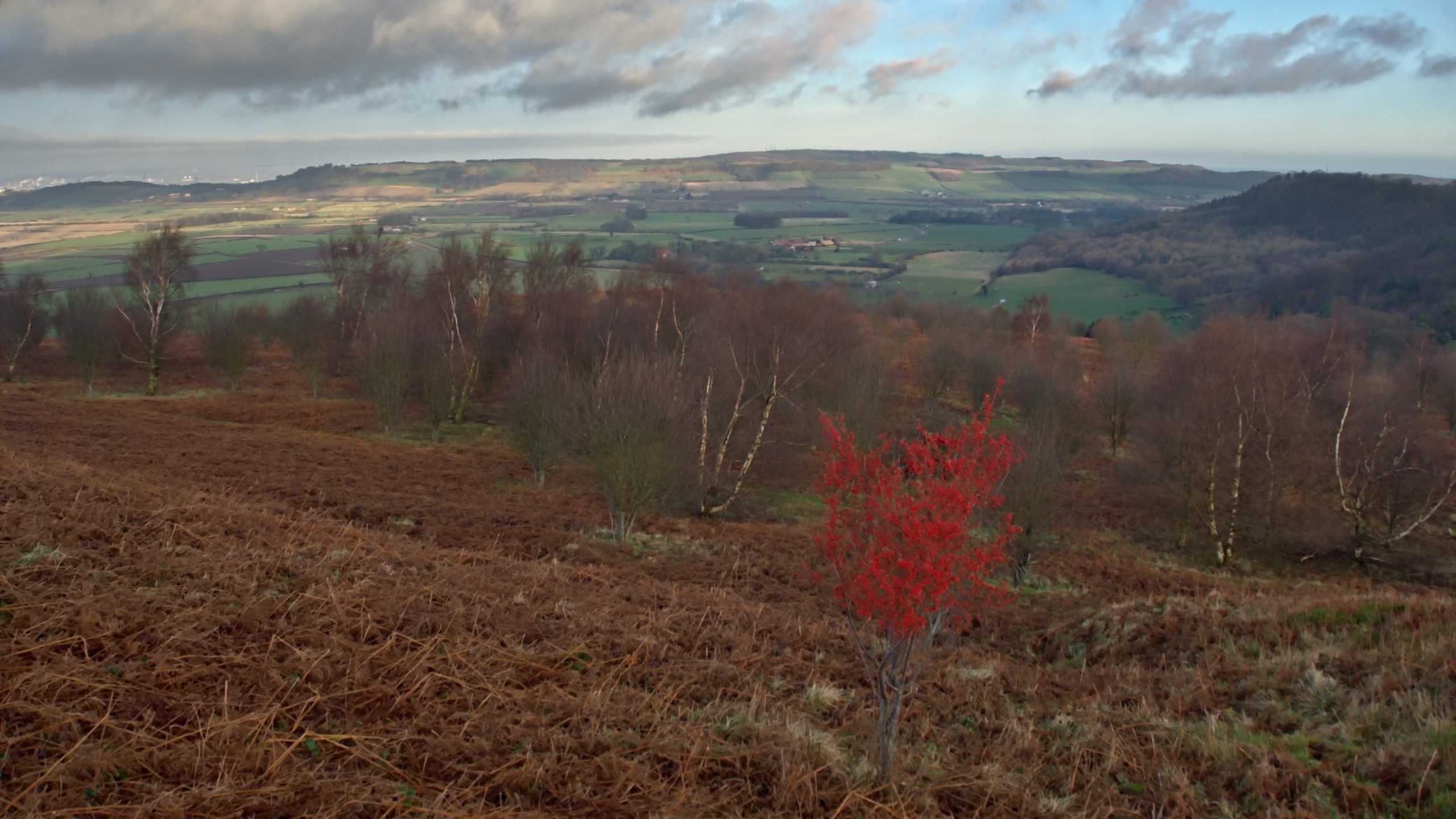
Cotoneaster, Roseberry Common
The lull before Storm Brendon. Sporadic sunshine and a meander around Roseberry Common. This small tree full of brightly coloured red berries stood out amongst the muted browns and greens of the winter foliage. Berries bigger and redder than haws, not a rowan. Whereas birds have been almost stripped the neighbouring rowans and hawthorns bare…
-
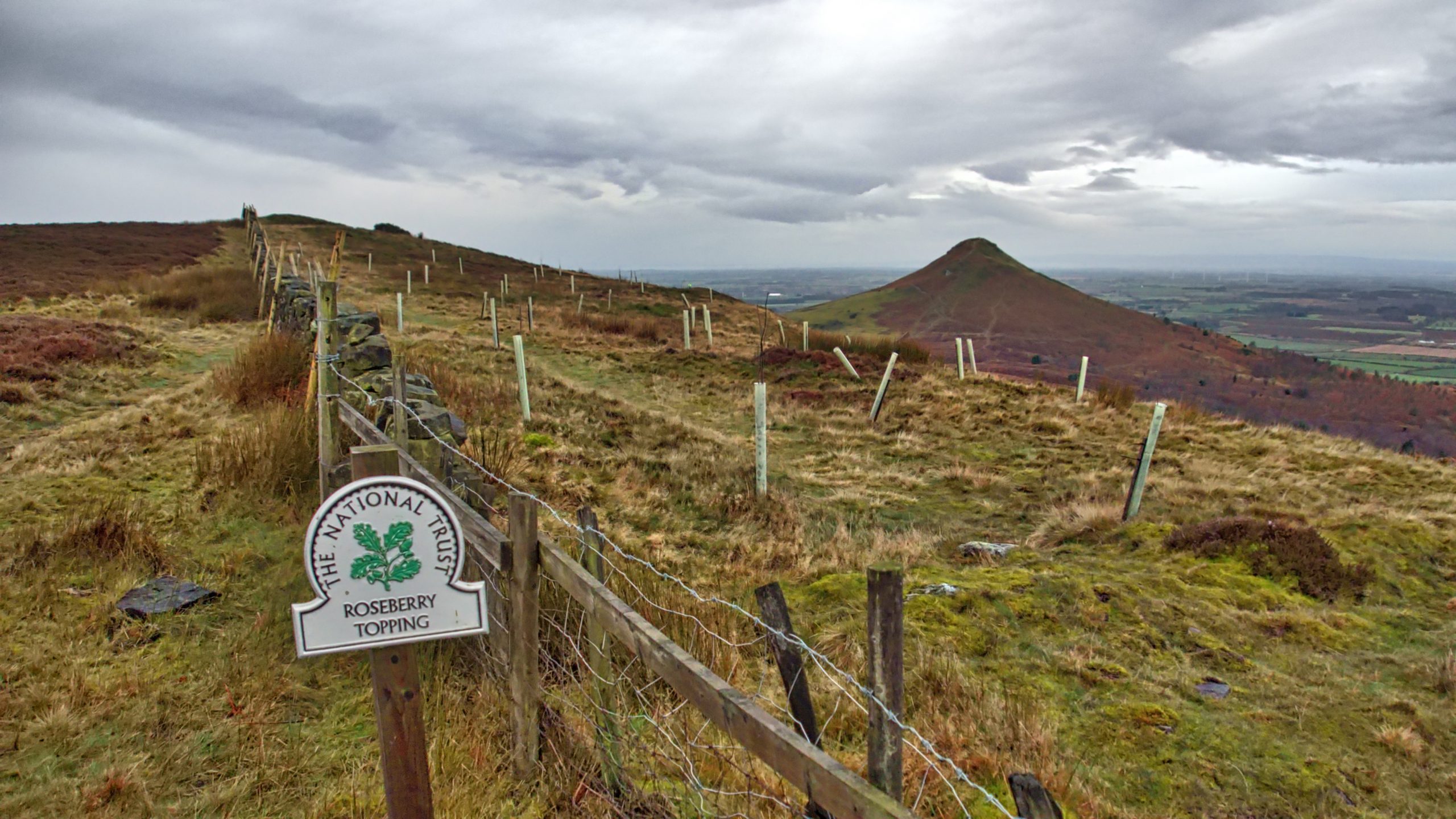
The National Trust, 125 years old today
On this day in 1895 three Victorian philanthropists, Miss Octavia Hill, Sir Robert Hunter and Canon Hardwicke Rawnsley met and founded the National Trust for Places of Historic Interest or Natural Beauty. Octavia Hill had campaigned about the poor availability of open spaces for poor people and developments on suburban woodlands. She had helped to…
-

Does Biodiversity Matter?
‘A moor that is well managed for grouse shooting is likely to have a higher biodiversity than an unmanaged moor.’ I came across this quote and the title on an activity sheet issued by the North York Moors National Park Education Service in conjunction with the Dawnay Estates and intended, I guess, for secondary school…
-

Roseberry Ironstone Mine
The site of the Roseberry Ironstone Mine which operated from 1871 to 1926 although, in the early years, there is some doubt as to whether the mine actually produced any ore other than in the brief period from 1881 to 1883. By 1906, however, the mine was again a going concern and operated throughout the…
-

Cleveland Hills from Cook’s Crags
A pootle around Coate Moor. This is from Ward Nab aka “Cook’s Crags”. Not much to say that hasn’t already been said, so I’ll have to trawl my memory bank for a completely unrelated fact. So looking at the date, 7th January, what happened in years past. Well, in 1904, the Marconi Company introduced a…
-

Painted Rock
My heart sank when I came across this while descending Little Roseberry. Now call me a killjoy but is this really necessary in a National Park, “our most breath-taking and treasured landscapes”. It’s only a painted pebble left in a prominent place and asking finders to post photos to a Facebook page. A craze from…
-

Siss Cross
A beautiful January but marred by the smell of burning heather. And on a Sunday too. It seems like we’re just spitting in the face of the Australians. And all to maximise the grouse bag. There are some rules: heather should not be burnt where the smoke is likely to damage health or cause a…
-
St. Nicholas’s “gold balls”
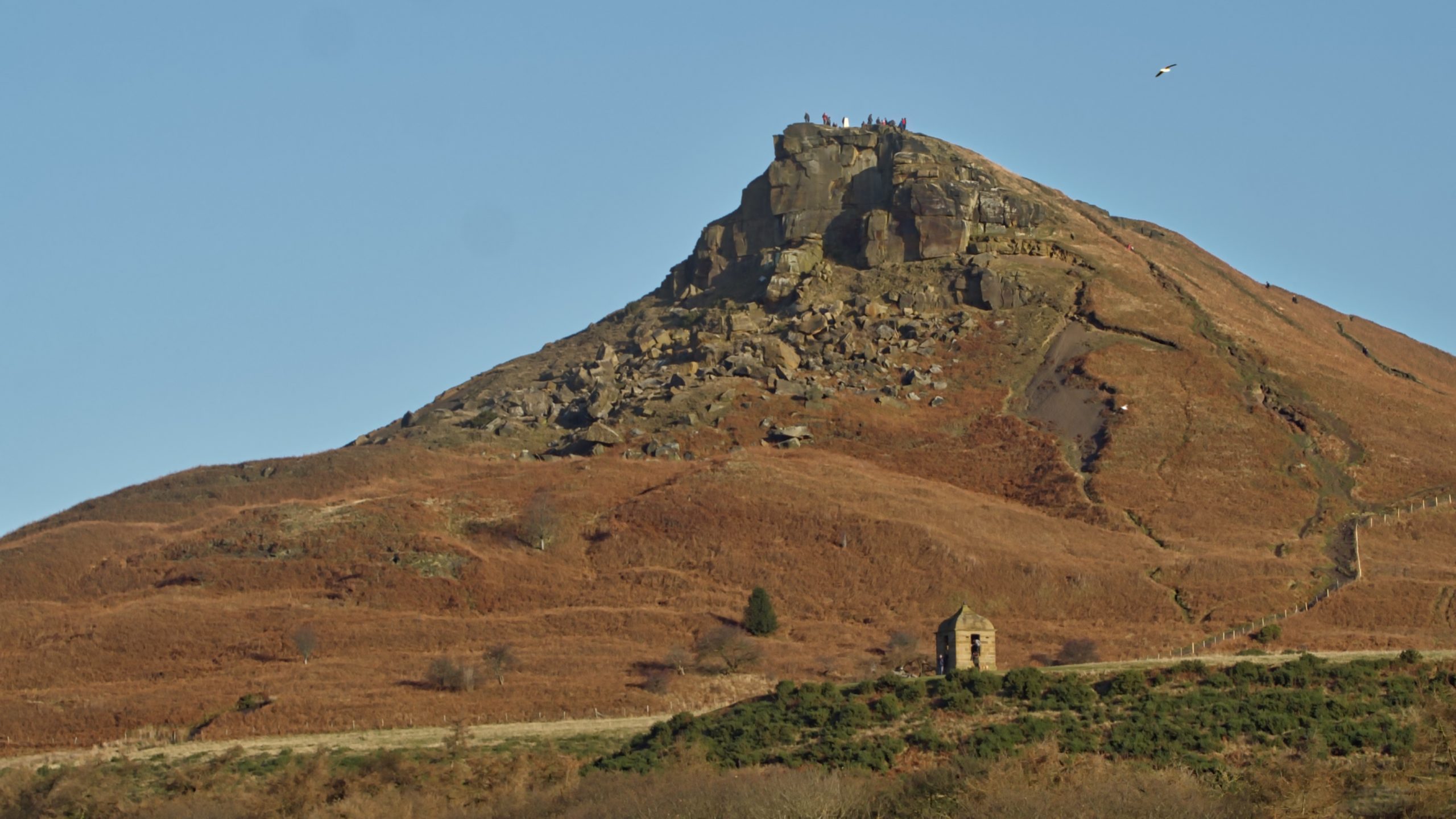
After the season’s festivities, the big cleanup begins. Roseberry is no different. A morning spent litter picking with the National Trust. The usual: cans, plastic bottles, little doggie presents. And plenty of orange peel scattered around, accompanied by the inevitable wet-wipe. What’s the big thing about oranges at Christmas? St. Nicholas’s “gold balls”. Of course,…