Category: North York Moors
-
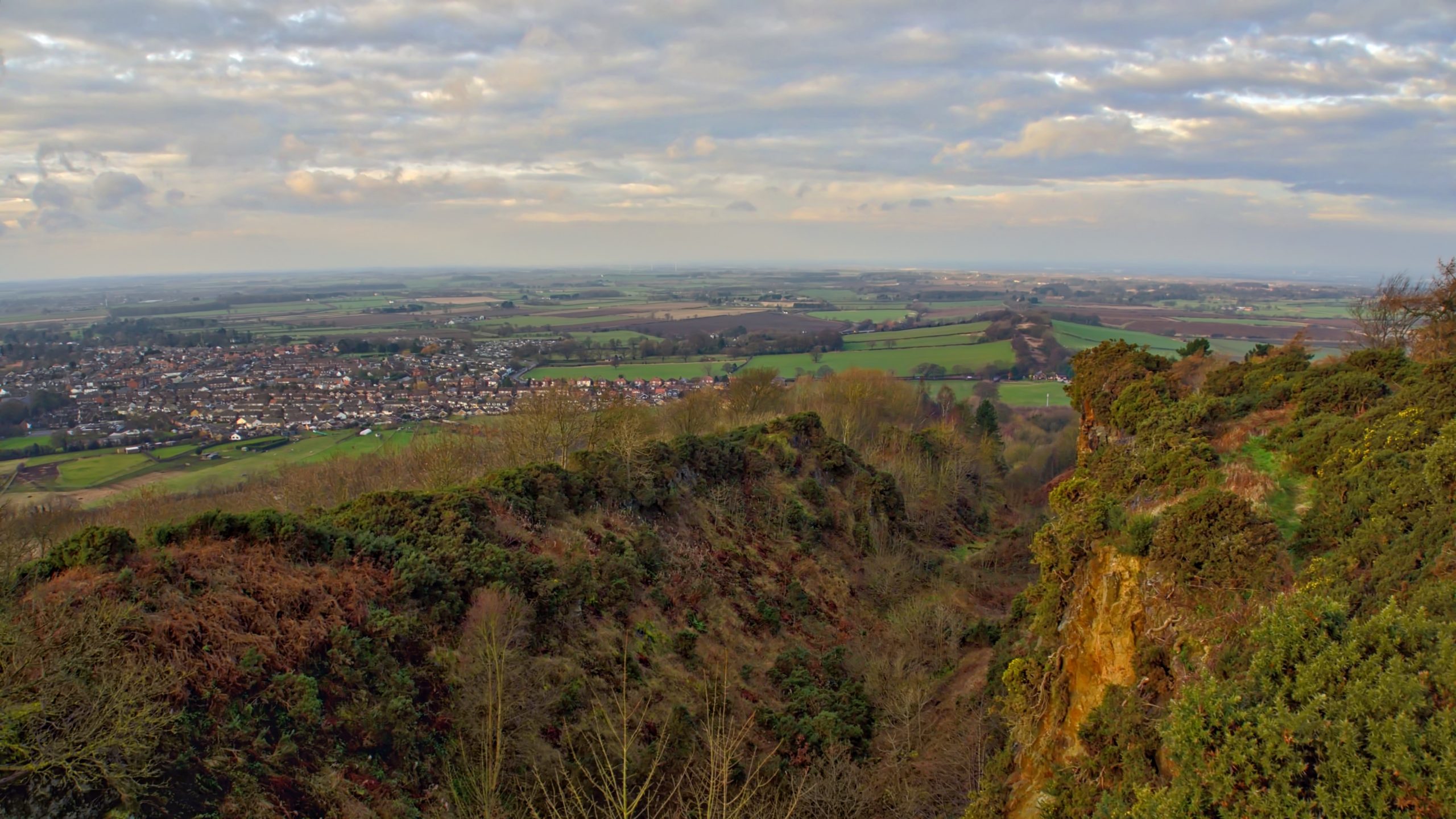
The Cleveland Dyke
A view north-west from Cliff Ridge along Langbaurgh Ridge and the line of the intrusion of igneous rock known as the Cleveland Dyke. The basaltic rock was intruded as molten magma flowed from a volcanic source near the Island of Mull in Scotland 58 million years ago. It is calculated the flow took up to…
-
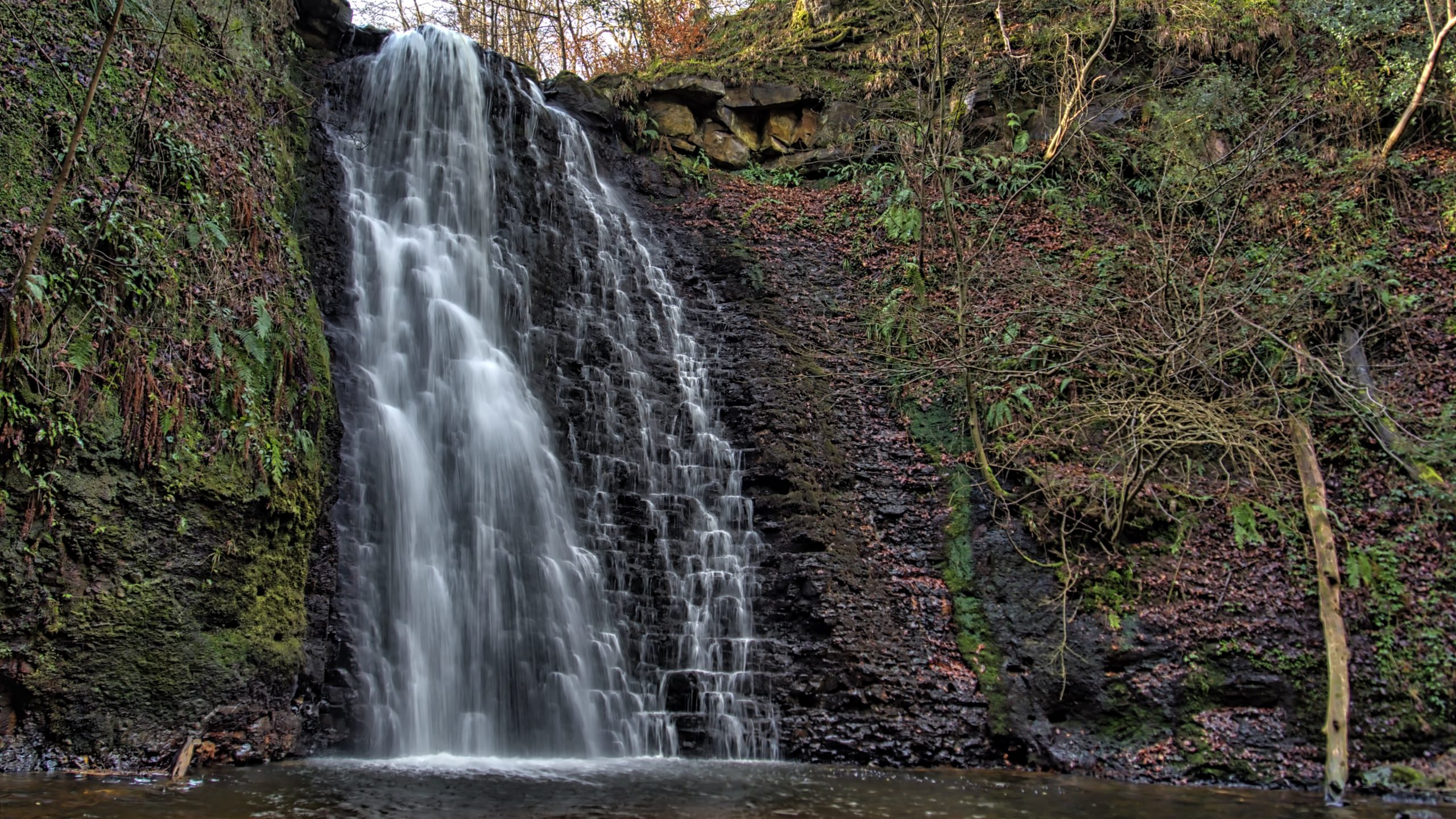
Falling Foss
One of the most picturesque waterfalls on the North York Moors. Thirty feet high, I have read, and viewed from the top of the deep gorge, the pool at the bottom was tempting. It turned out to be quite an epic. We started 700 metres downstream by a footbridge following a faint path which soon…
-
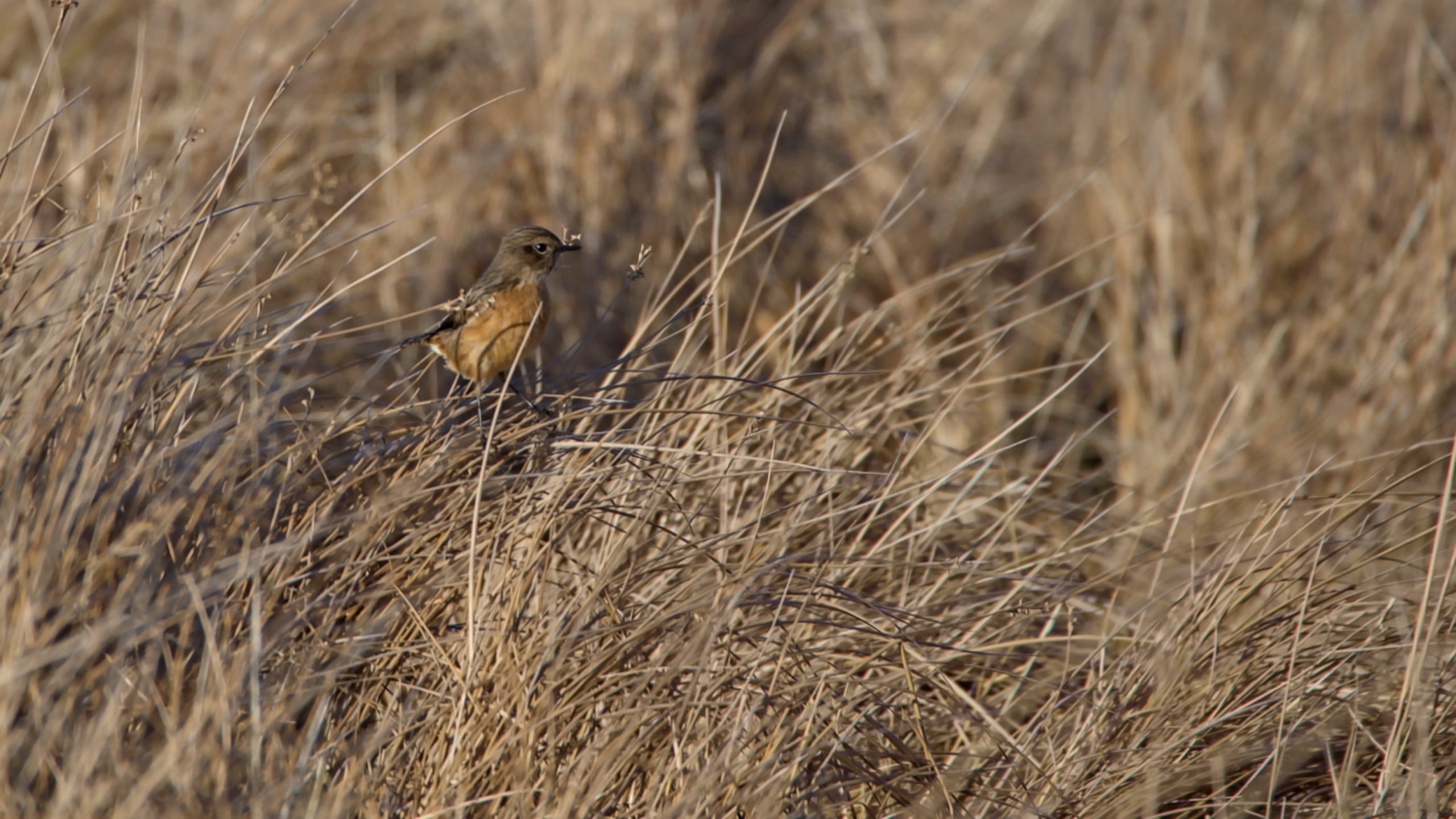
Stonechat
A break for lunch from filling in potholes in the National Trust car park at Cod Beck. With the compactor silent, nature soon returns in the form of a pair of Stonechats, each perching precariously on a stalk of a rush on the lookout for insects that are caught after a short flight. Some stonechats…
-
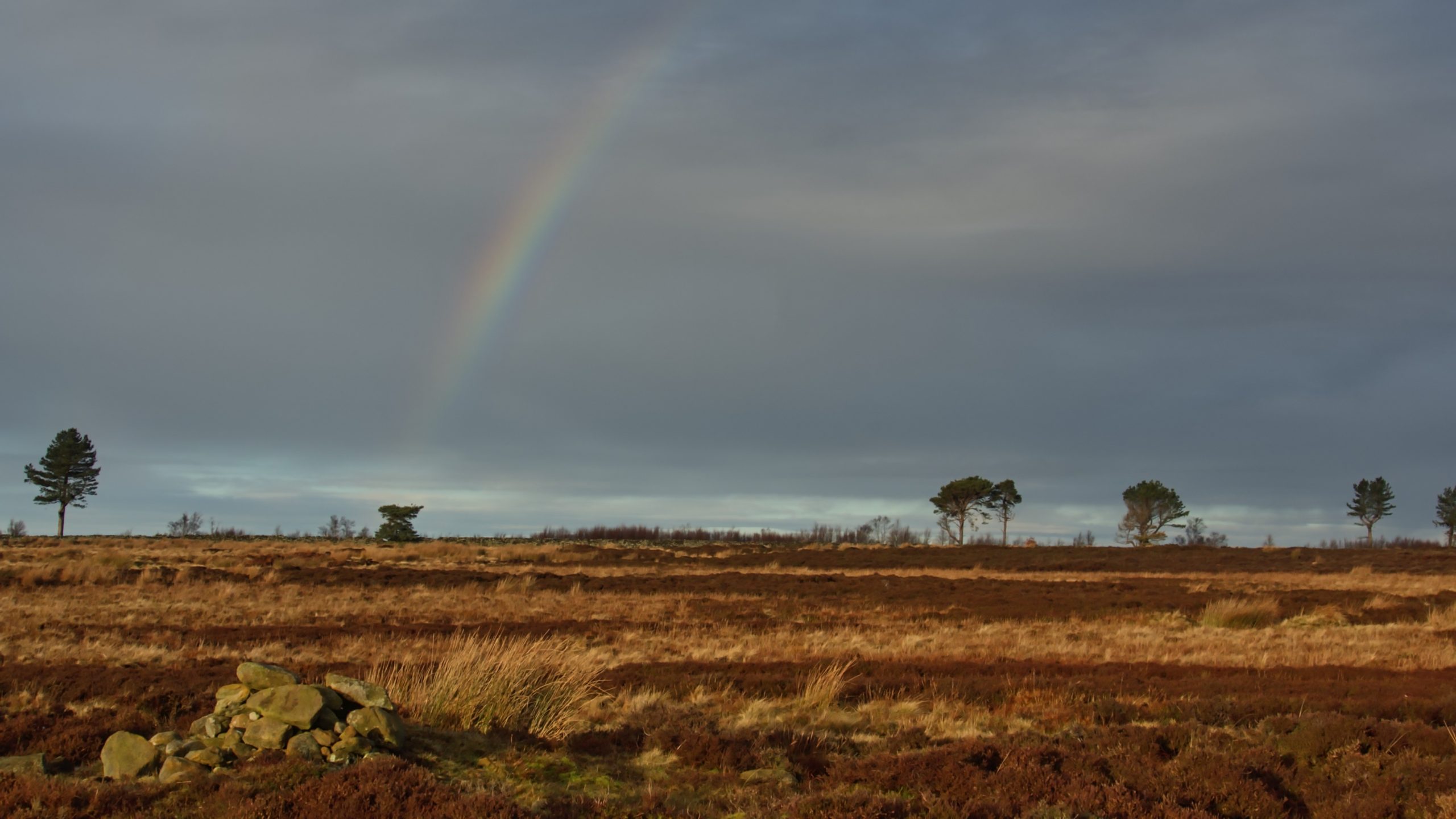
Great Ayton Moor
A sunny morning and a little obambulation over Great Ayton Moor. Surprisingly a rainbow. “A rainbow at night, fair weather in sight. A rainbow at morn, fair weather all gorn.” Happen to be near this cairn. Although Great Ayton Moor has many Bronze Age tumuli, sadly this cairn is not one of them. A modern…
-
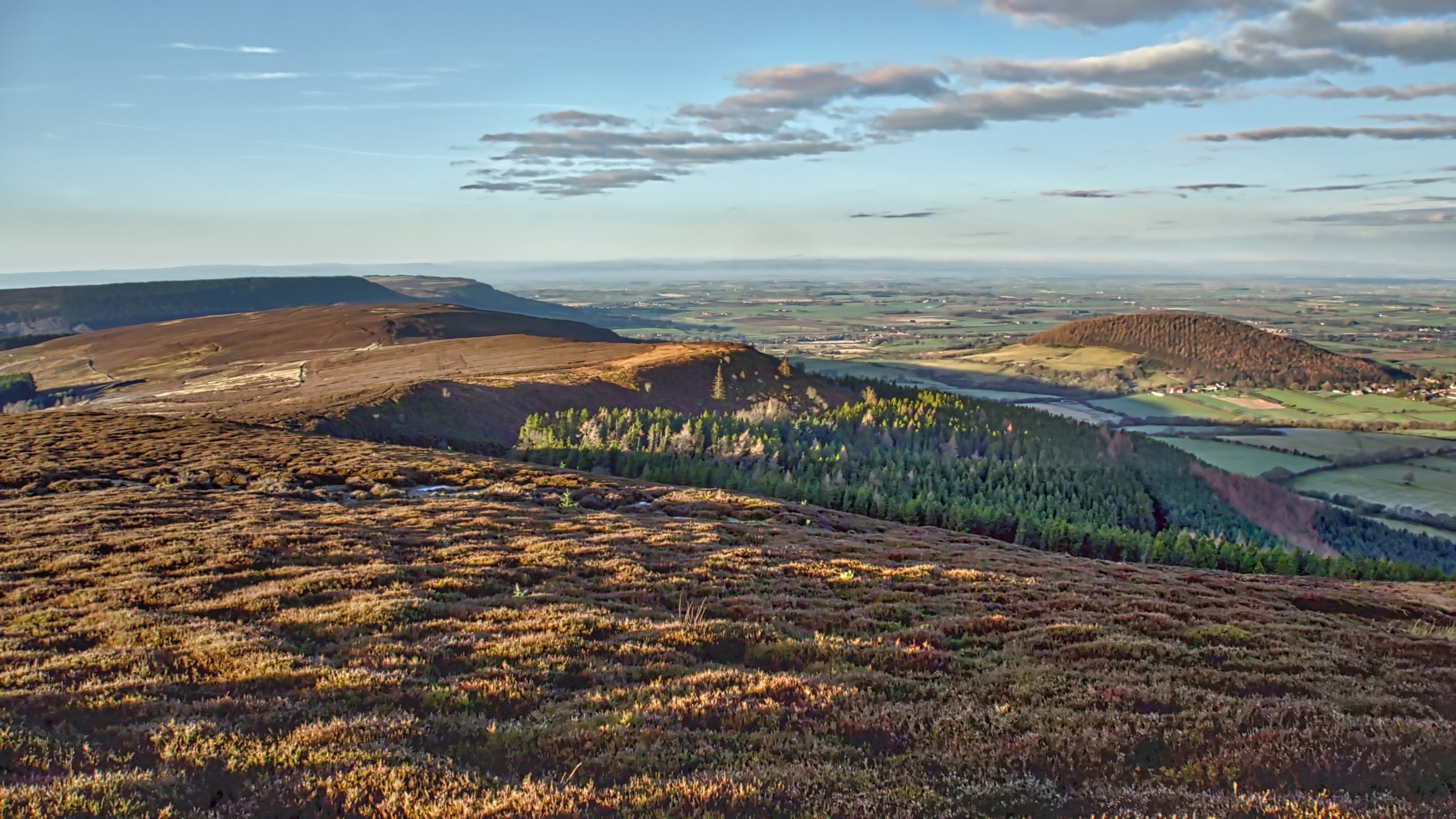
Gold Hill, Faceby Bank and Whorl Hill
A beautiful morning for a run along the escarpment to Knolls End and back via Thackdale. Surveying from left to right. Live Moor, peppered with Bronze Age features, barrows and field systems, was in the 19th-century common grazing for the villagers of Swainby who kept their donkeys used to carry coal and other goods. That…
-
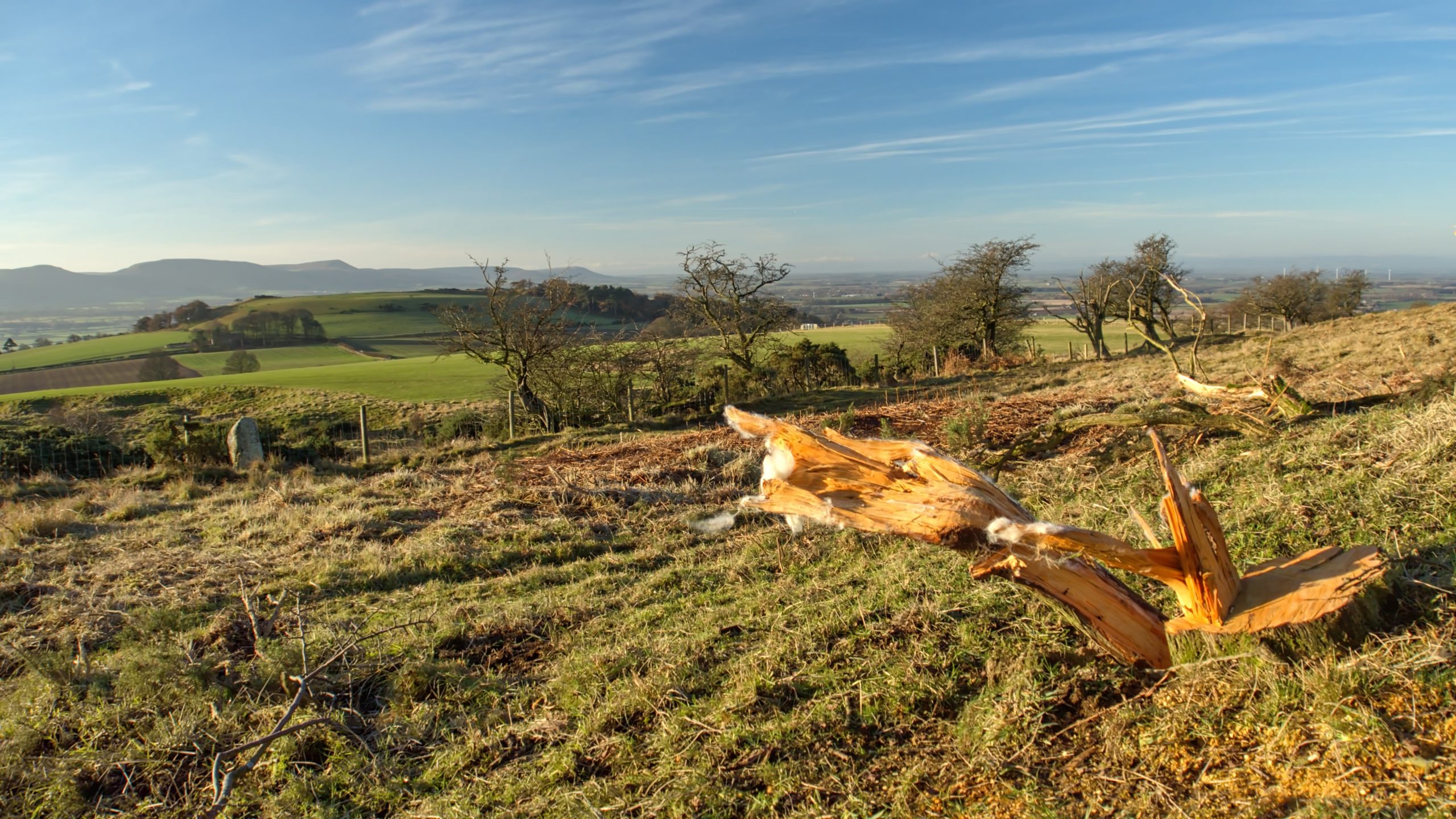
Cleared semi-open woodland of the slope of Roseberry
At peak times the summit of Roseberry Topping can get very crowded. Weekends especially. One of my regular routes avoiding the summit is to hug the boundary of the Open Access around the southern flank from Roseberry Ironstone Mine to the Summerhouse. It passed through a strip of semi-open woodland of mature hawthorn contouring around…
-
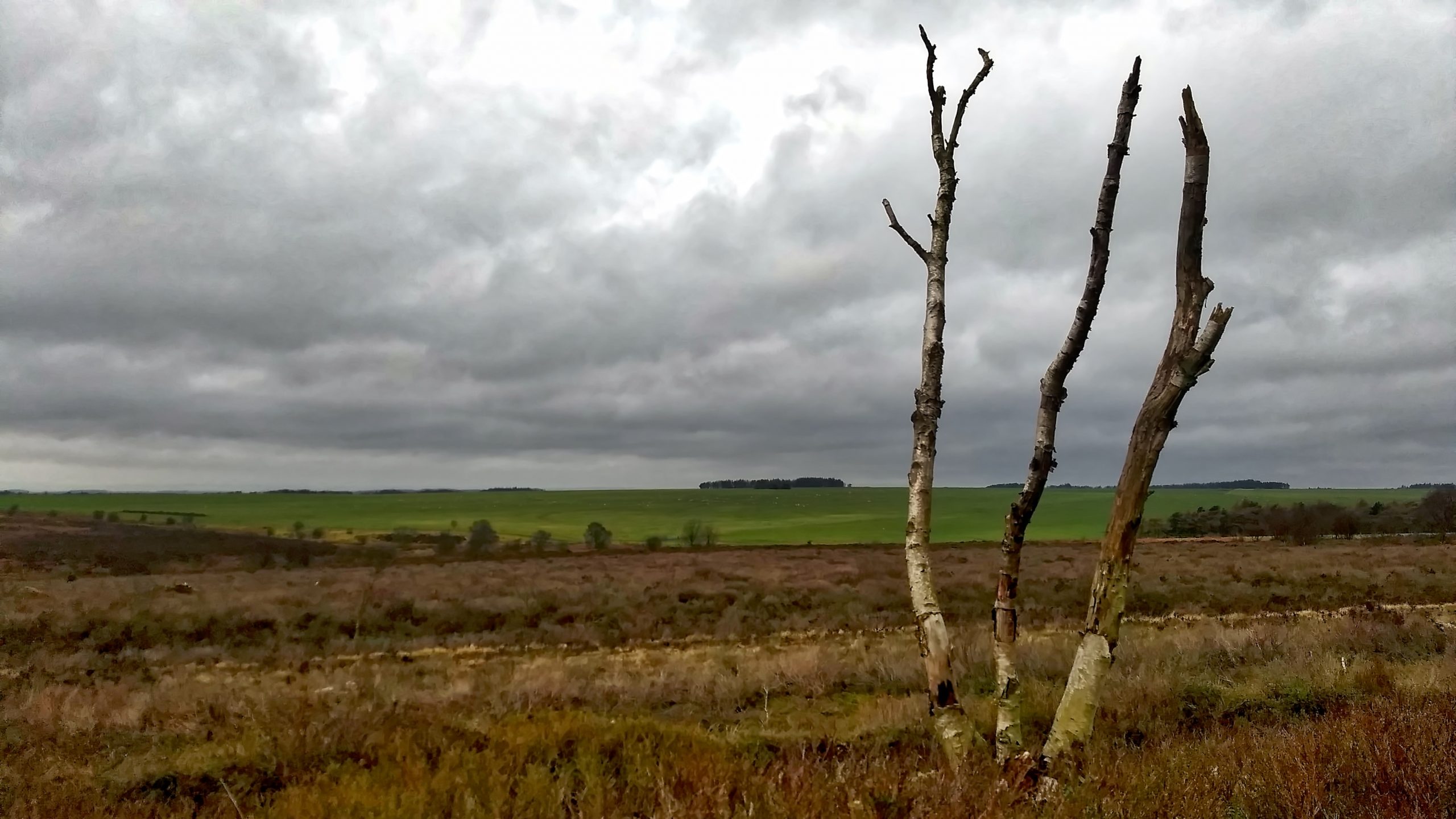
Rampike, Bridestones Moor
A rampike is the skeletal remains of a dead tree, in this case, a triple trunked birch standing alone on a windswept moor. The word comes from Canada but probably originated back in England in the 16th-century. It is thought the “ram” element means raven, i.e. as a perch favoured by these birds. It was…
-
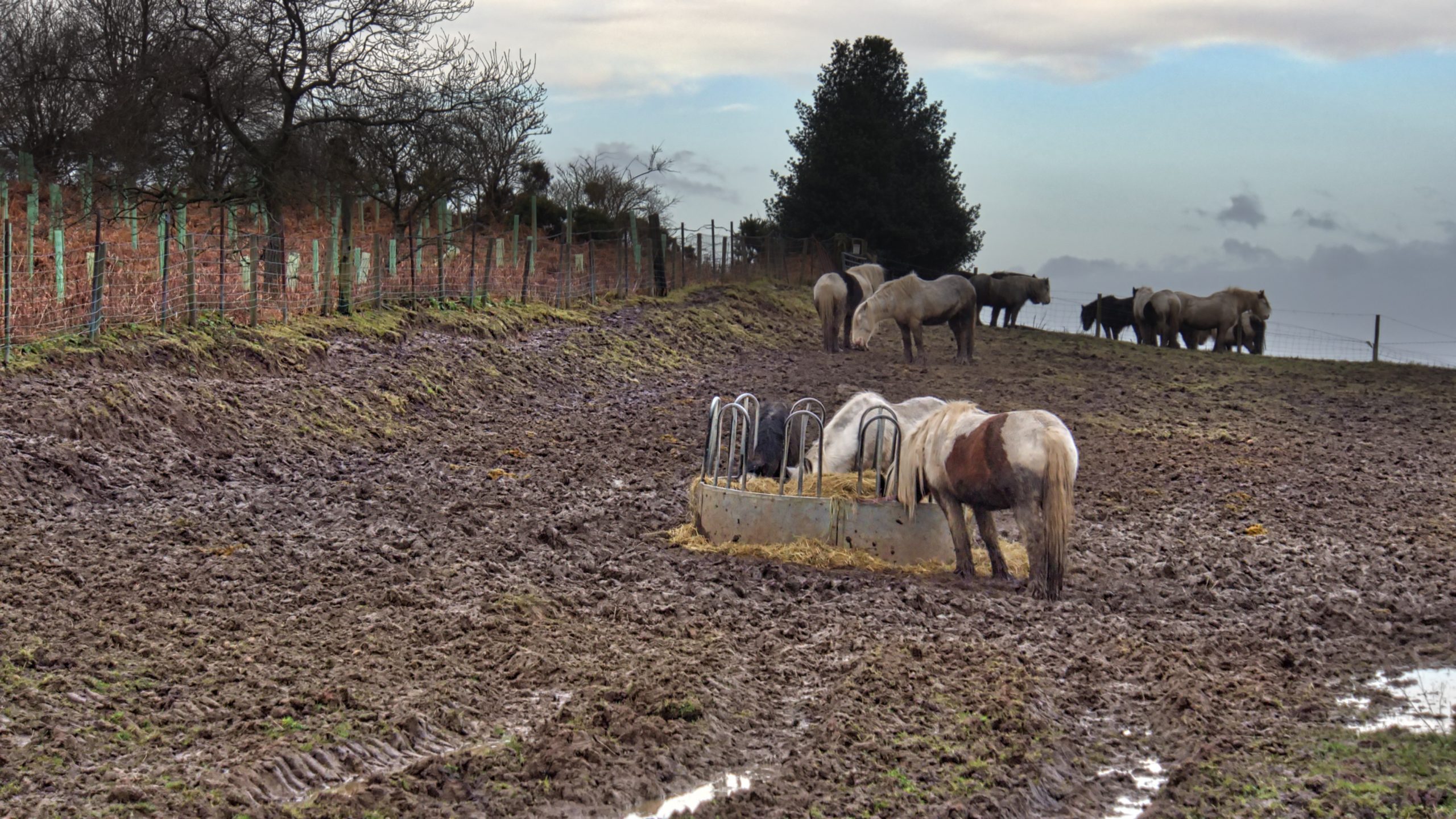
Paddock, Gribdale
I will be the first to admit that I don’t know much about horses. But I do feel sorry for this herd of horses at Gribdale. There must be close to a dozen of them in a smallish muddy field with very little grass. For sure, hay or other feed is obviously being provided but…
-
Cotoneaster, Roseberry Common
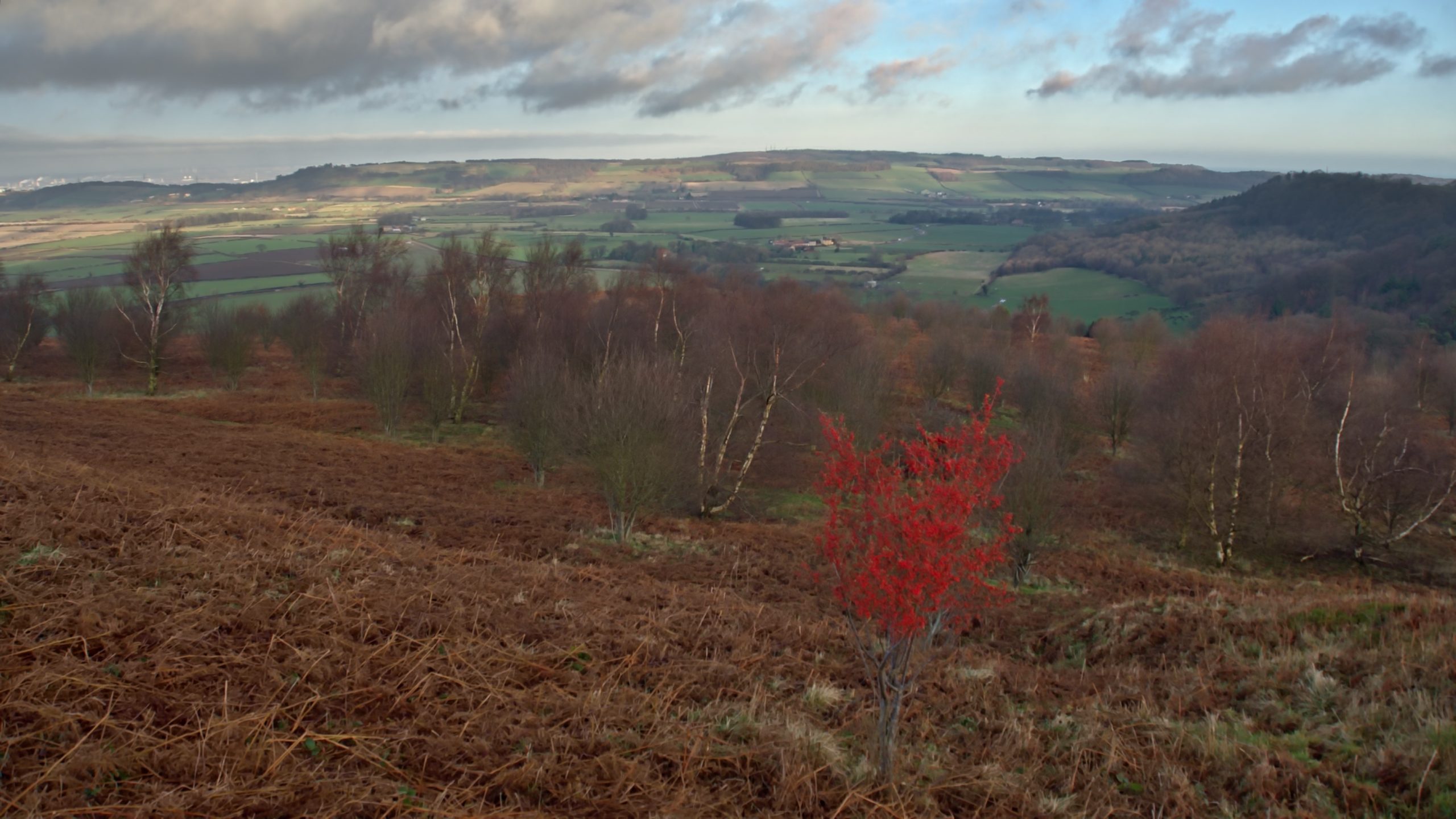
The lull before Storm Brendon. Sporadic sunshine and a meander around Roseberry Common. This small tree full of brightly coloured red berries stood out amongst the muted browns and greens of the winter foliage. Berries bigger and redder than haws, not a rowan. Whereas birds have been almost stripped the neighbouring rowans and hawthorns bare…
-
The National Trust, 125 years old today
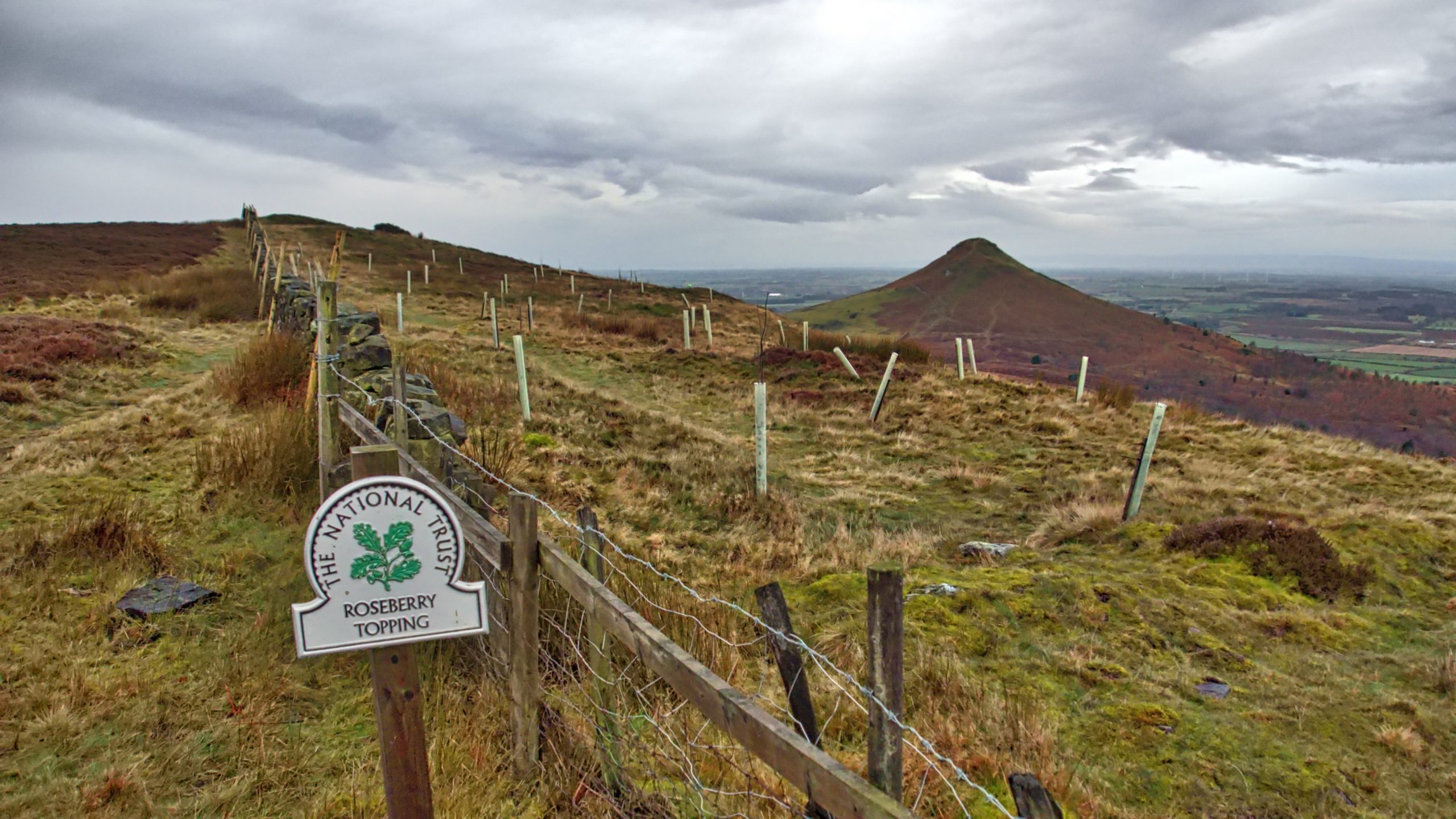
On this day in 1895 three Victorian philanthropists, Miss Octavia Hill, Sir Robert Hunter and Canon Hardwicke Rawnsley met and founded the National Trust for Places of Historic Interest or Natural Beauty. Octavia Hill had campaigned about the poor availability of open spaces for poor people and developments on suburban woodlands. She had helped to…