Category: North York Moors
-
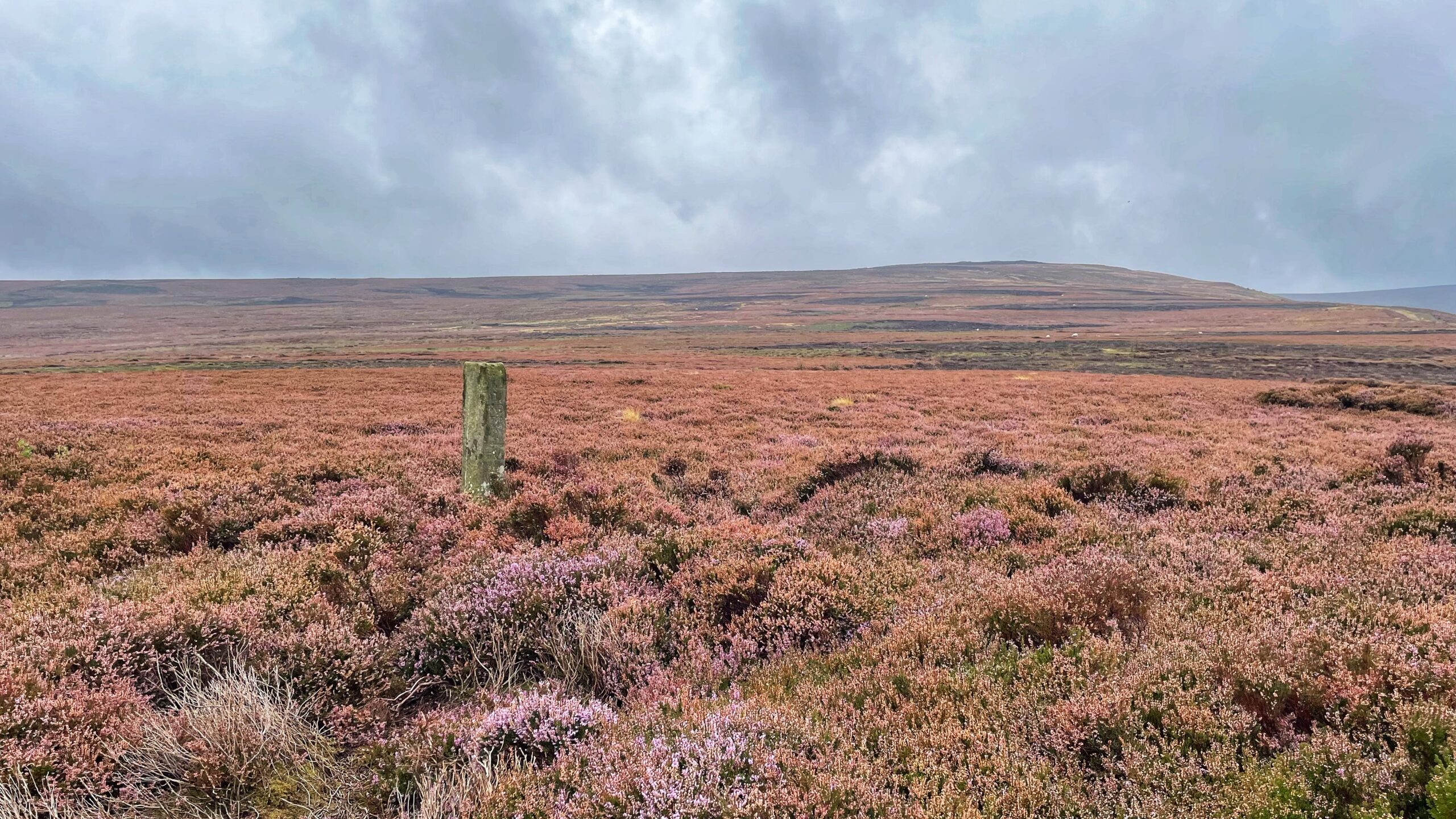
The Last Guidepost of Ingleby Moor
The North York Moors are scattered with standing stones. Silent, weather-beaten markers of human intent. Some once defined the edges of parishes or estates. Others reach much further back, into the medieval and even prehistoric past. Many still bear inscriptions: names, dates, and symbols carved into the rock, turning them into official signposts in a…
-
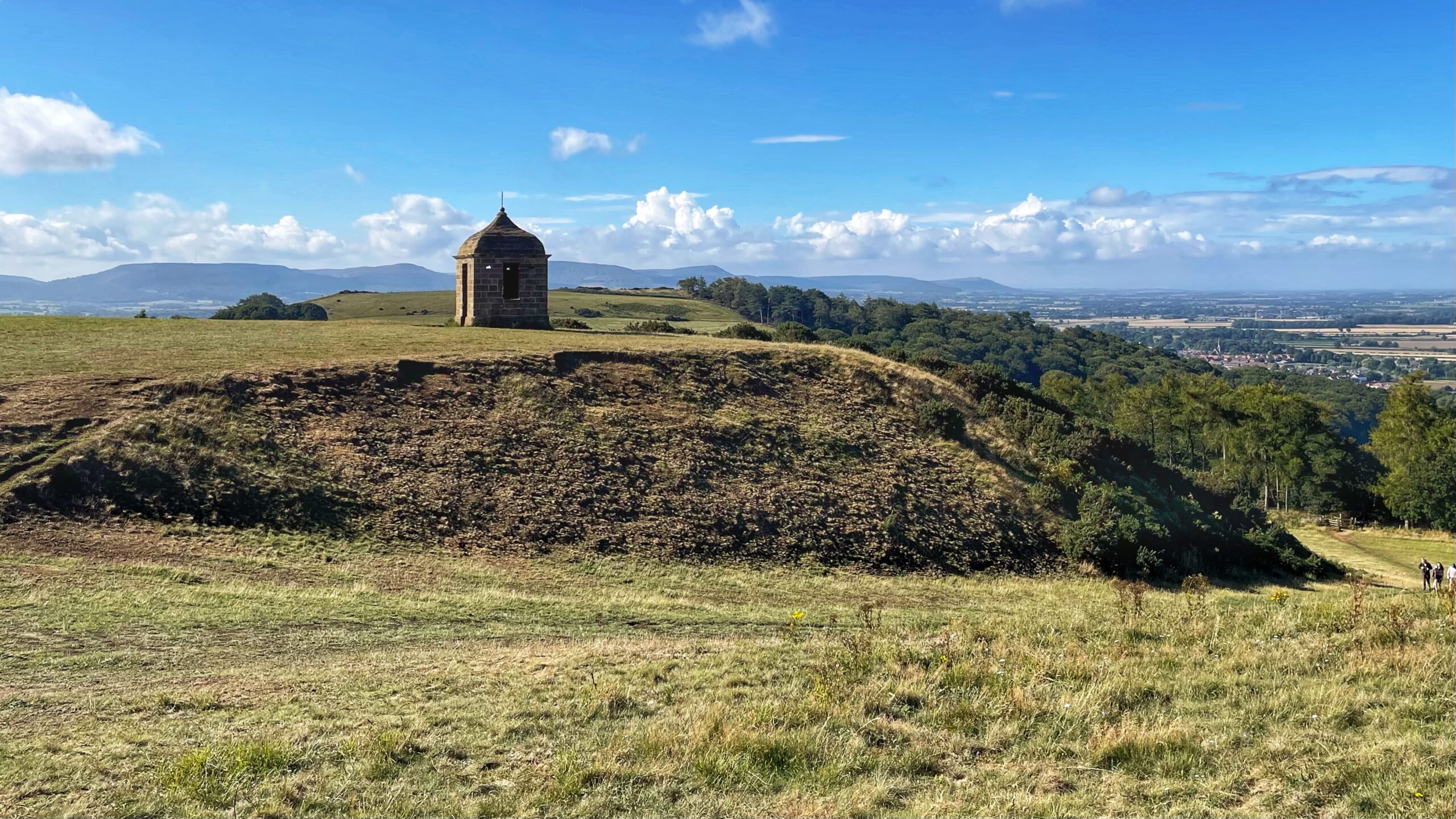
The Summerhouse Below Roseberry
A small plaque fastened to the wall of this sandstone shell of a building offers a neat explanation. It claims this was once a shooting box, commissioned by Commodore William Wilson of Ayton Hall. A tidy story, except for one small problem. It does not add up. A sketch by George Cruit in 1788 proves…
-
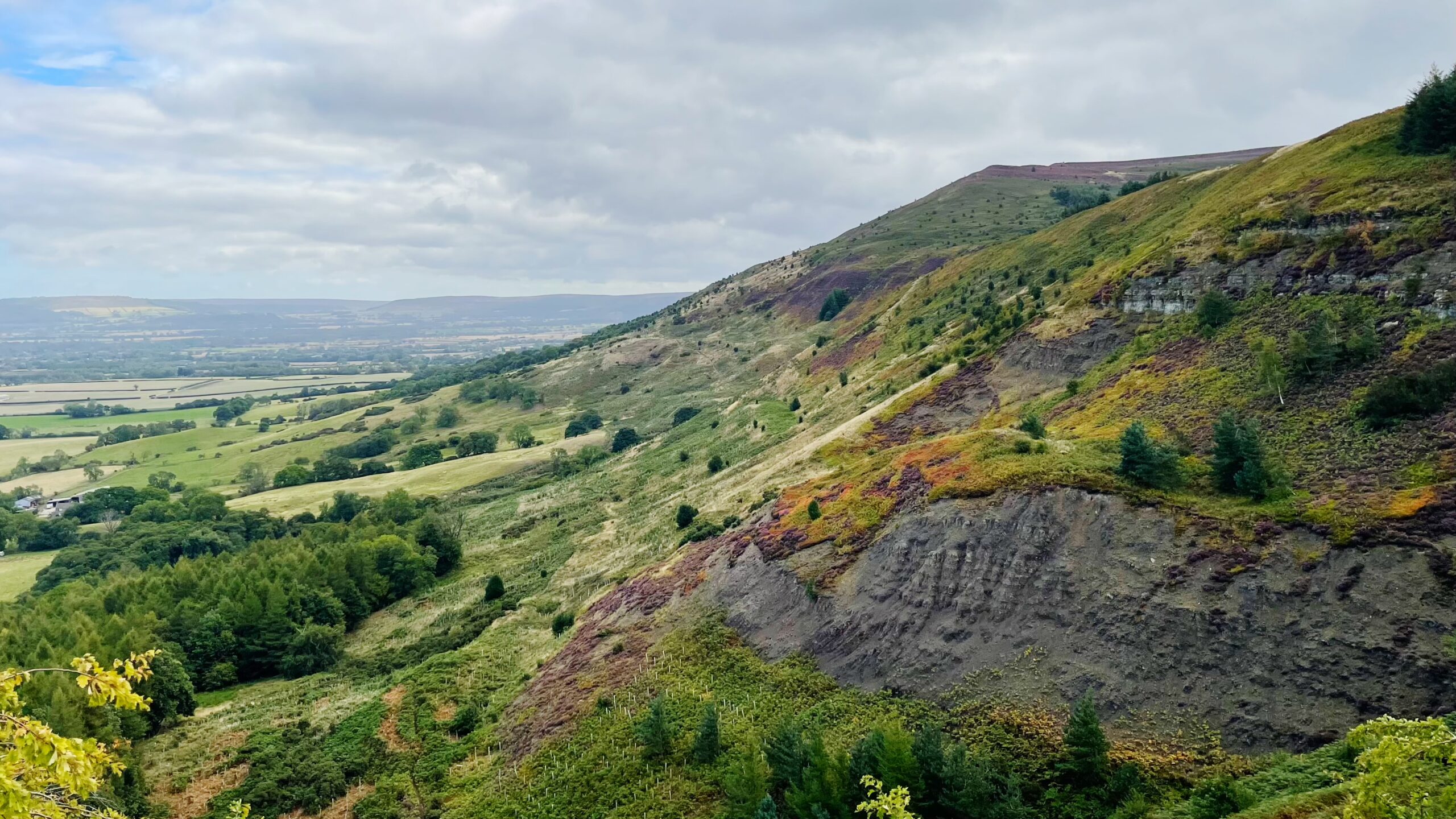
Autumn: The Killing Season
Green Bank — not very green on this first day of so-called meteorological autumn. The almanac though insists that autumn does not officially begin for another three weeks, though nature is already ahead of schedule. The harvest is in, or at least half of it, since some yields are reported at a dismal fifty per…
-
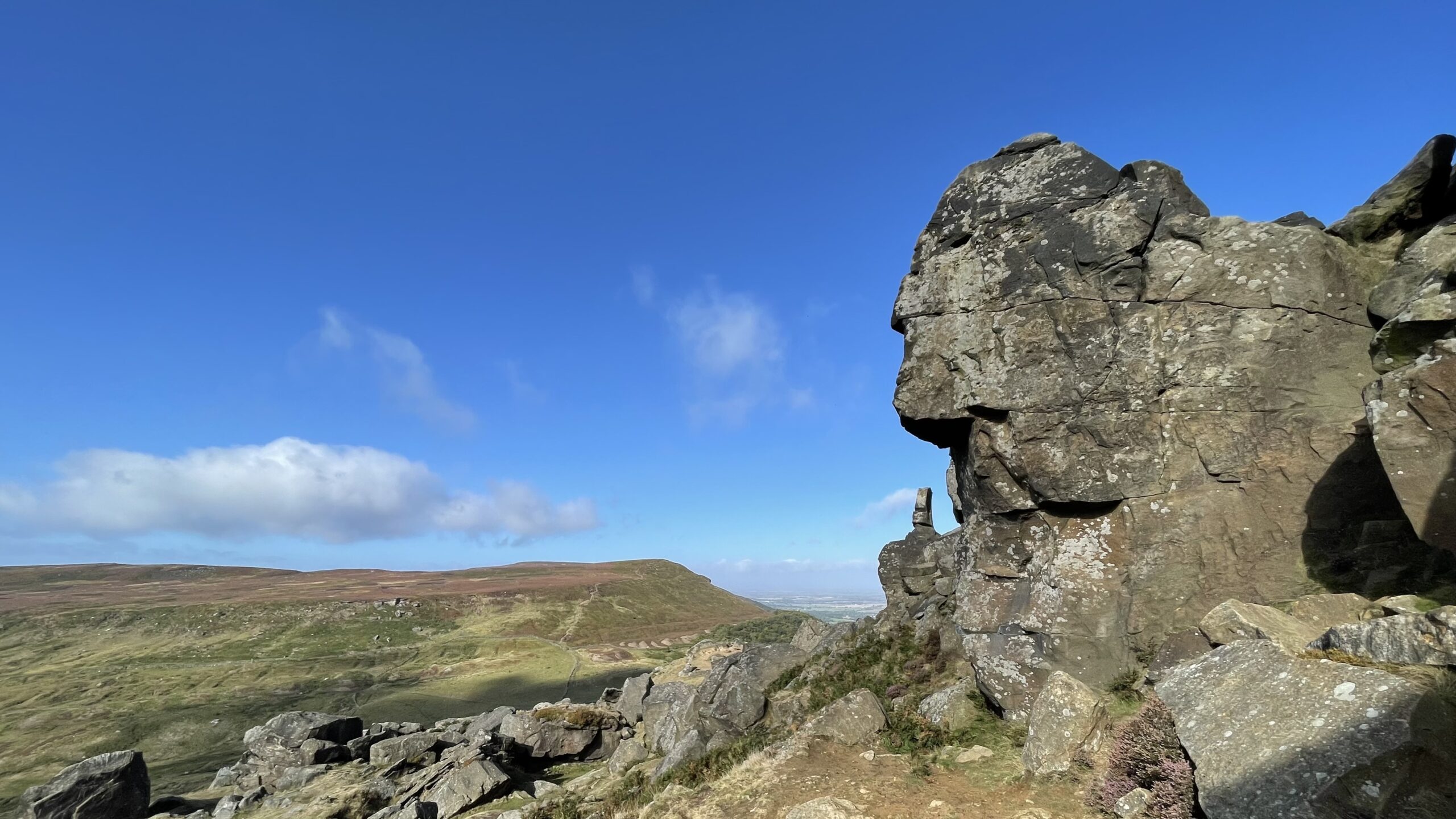
The Inscrutable Smile of the Wainstones
They say the Great Sphinx of Giza was carved from a natural limestone outcrop, its form inspired by the imagined body of some animal, perhaps a lion, perhaps not. Such acts of pareidolia echo across cultures and centuries. As for the Sphinx at the Wainstones, I cannot say who named it first. Perhaps it was…
-
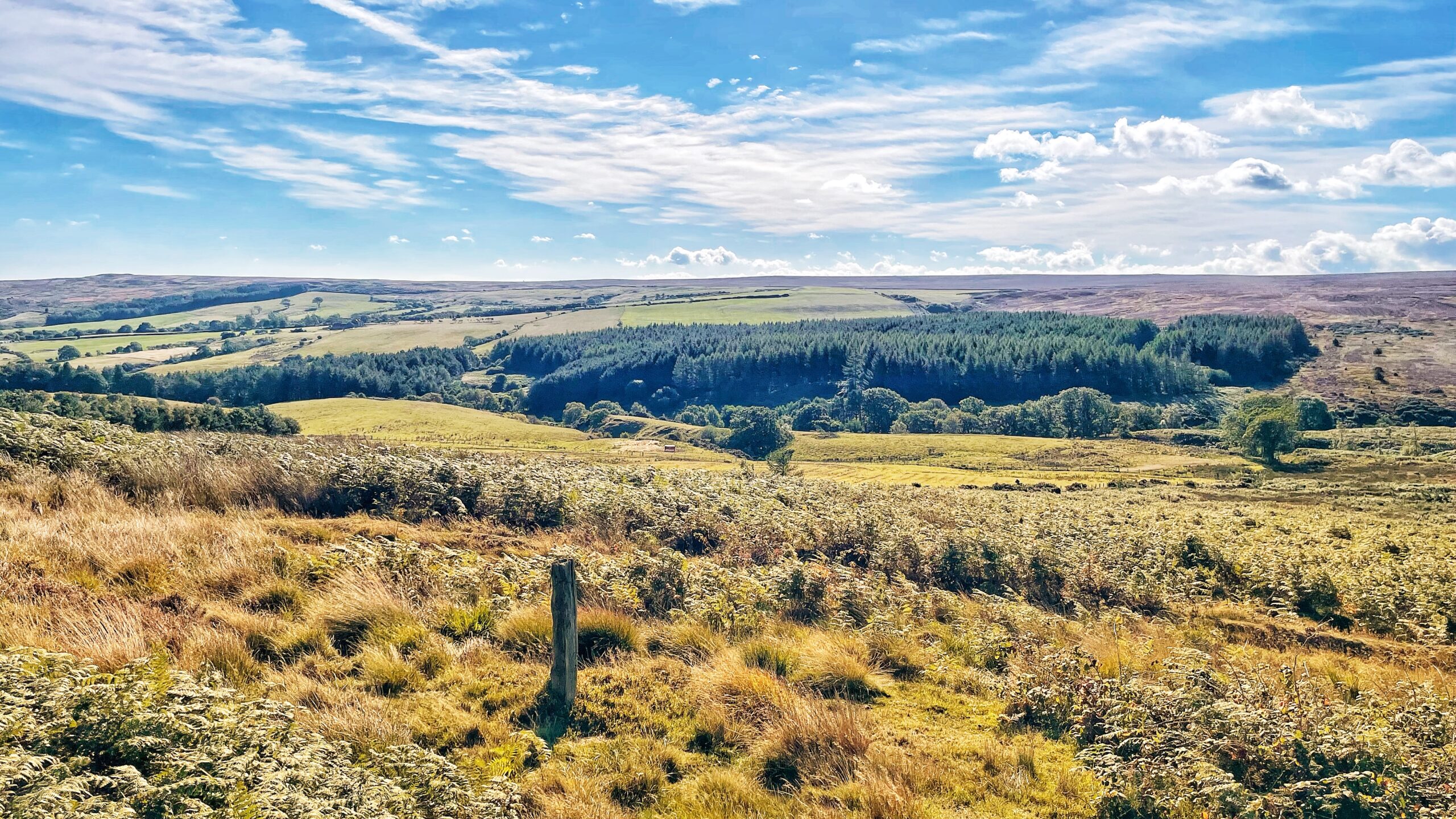
Westwith Chace
Westworth was once a favourite training ground of mine, and I knew it inside out. That plantation of mature conifers across the valley? I first passed through it when the spruce were no more than knee-high. By then, Westworth Farm itself was long gone. It had stood near that solitary tree on the right, its…
-
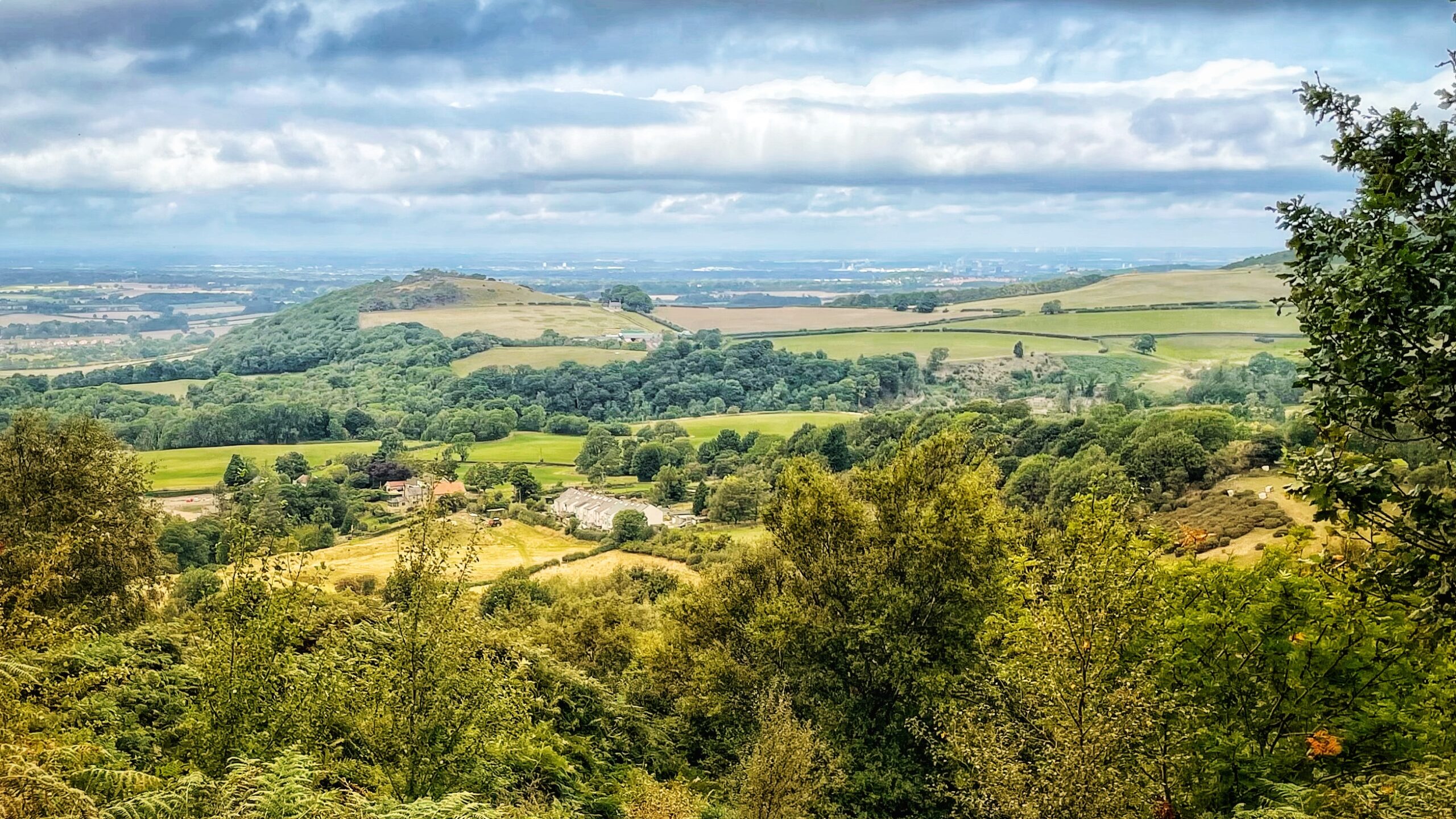
From Cliverick to Cliff Rigg: A Ridge of Hunts and Quarries
From the eminence of Cockshaw Hill, the eye is drawn across Gribdale Terrace to the hill that stands proud above the Cleveland plain. Today it is marked on the map as Cliff Rigg, but for centuries the locals knew it as Cliverick. Ralph Jackson, an eighteenth-century landowner with a taste for the hunt, noted in…
-
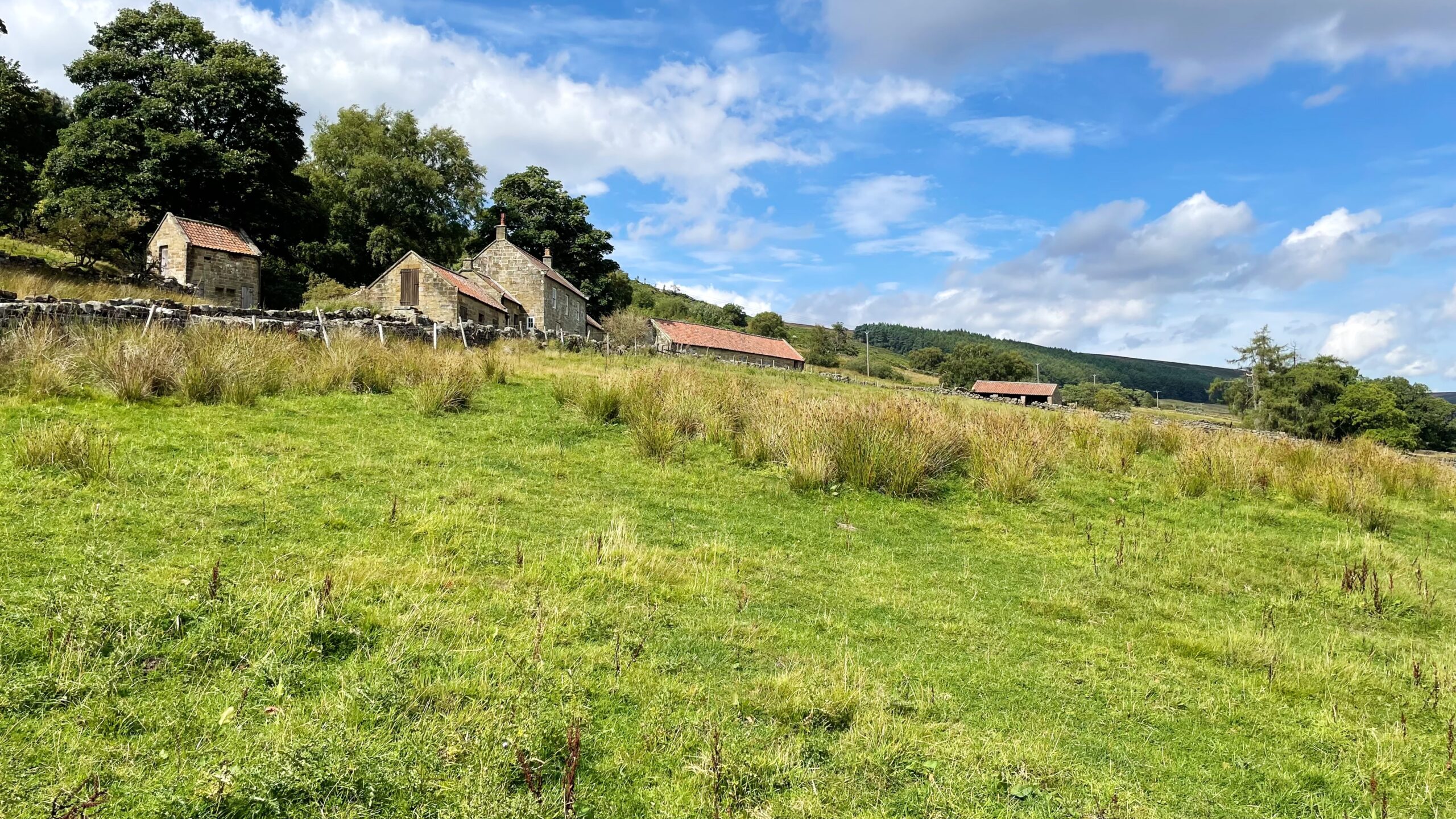
Low and High Elm Houses, Bransdale
These once neighbouring farmsteads tell a complex story. For those intrigued to know the details, take a look at my previous post. High Elm House apparently carries a date stone of 1666, probably reused, and also has “Mr Thos Chapman // 1780” carved above the byre door — but once again I forgot to look…
-
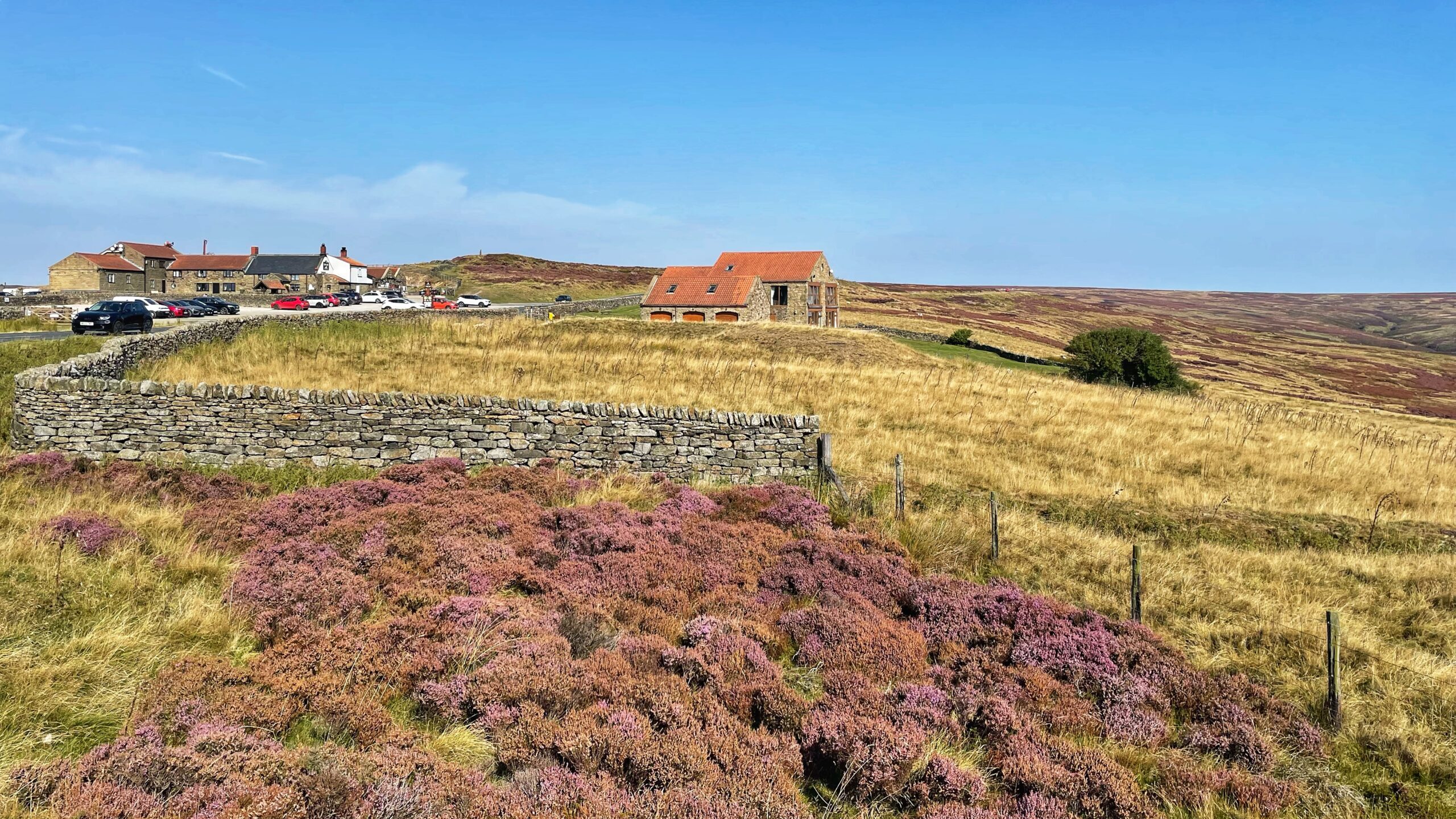
The Lion Inn: Travellers’ Refuge on Blakey Ridge
Perched high on Blakey Ridge, between Rosedale and Farndale, stands the Lion Inn, proud of its claim as the highest inn on the North York Moors. It is a welcome halt for weary Coast-to-Coast walkers, who by midday are replaced by visitors seeking lunch rather than lodgings. Few, one suspects, pause to read the framed…
-
Down among the Thistles
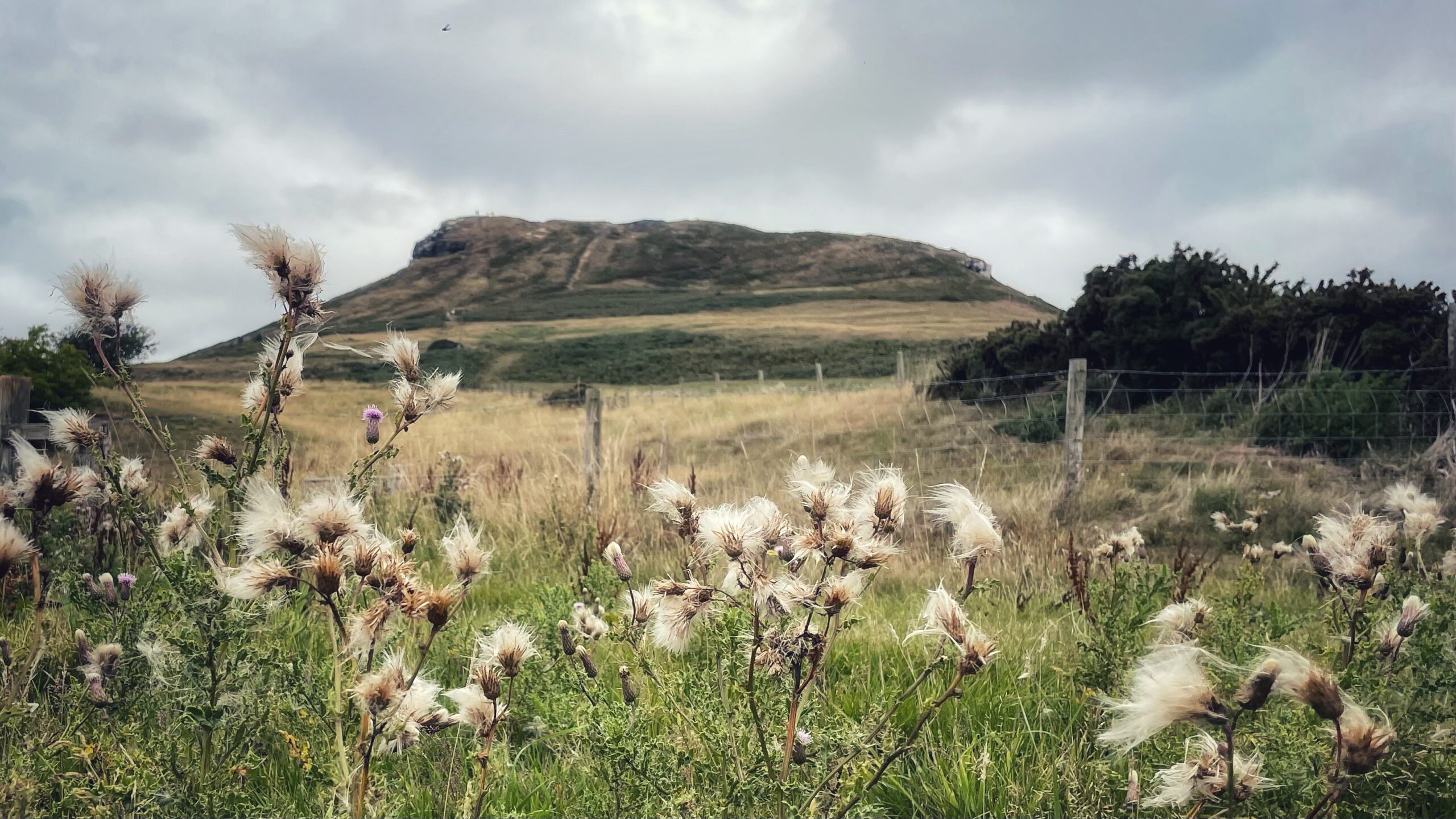
The hedgerows are heavy with the spoils of summer. Blackberries shine darkly in the shade, crab apples blush among the leaves, and Rowan berries hang in bright clusters. Rosebay Willowherb releases its silky seeds to the wind, while the thistles too surrender their down, sending it drifting like smoke across the fields. Thistles are cursed…
-
Sleddale: The Making of a Moorland Dale
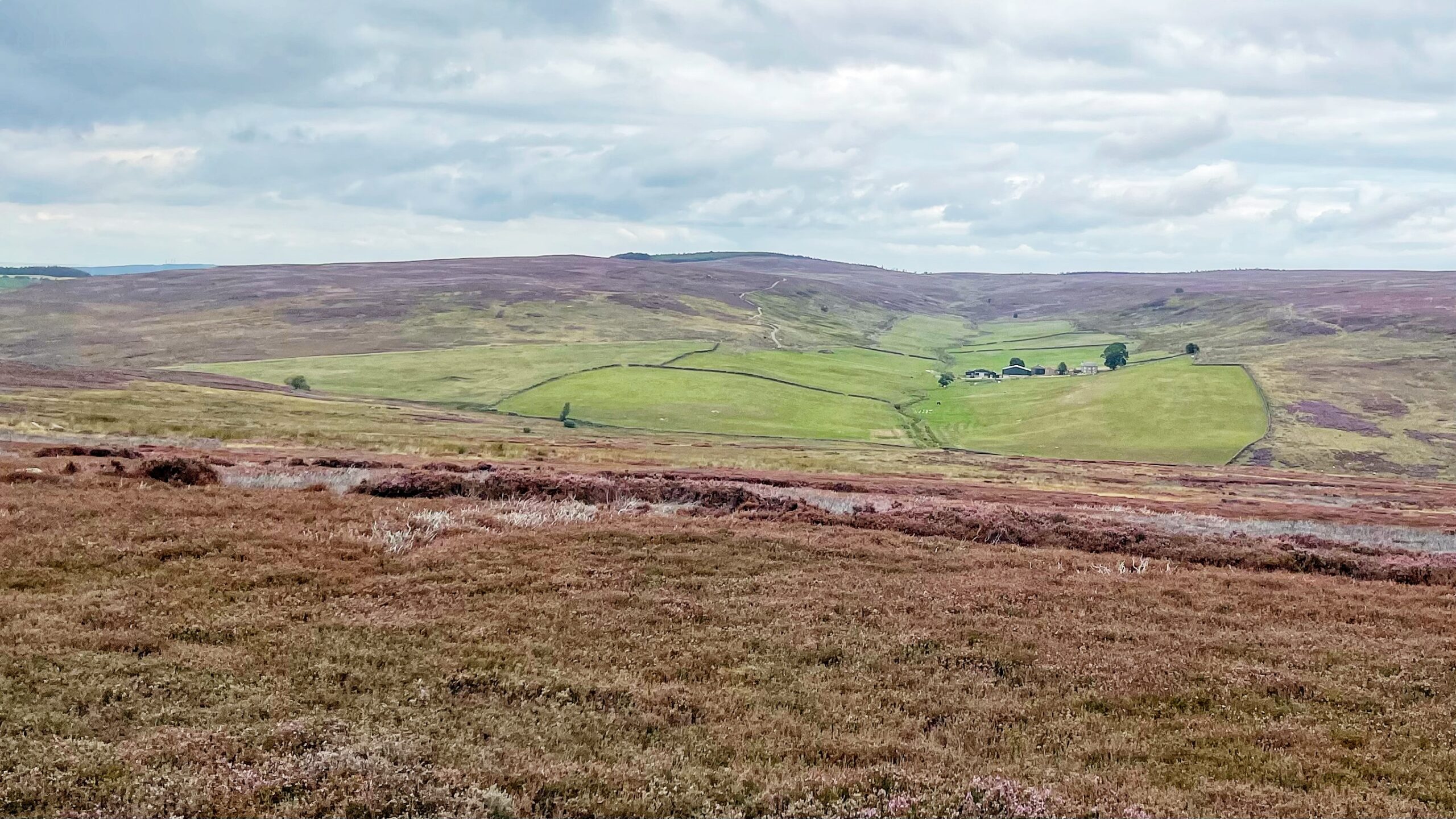
I once thought myself original in calling Sleddale an island in a sea of heather, only to find that Elgee had written the same words long before I was born. Perhaps I had read them somewhere, the phrase lingering at the back of my mind, waiting to be claimed as my own. No matter. The…