Category: Newton Moor
-
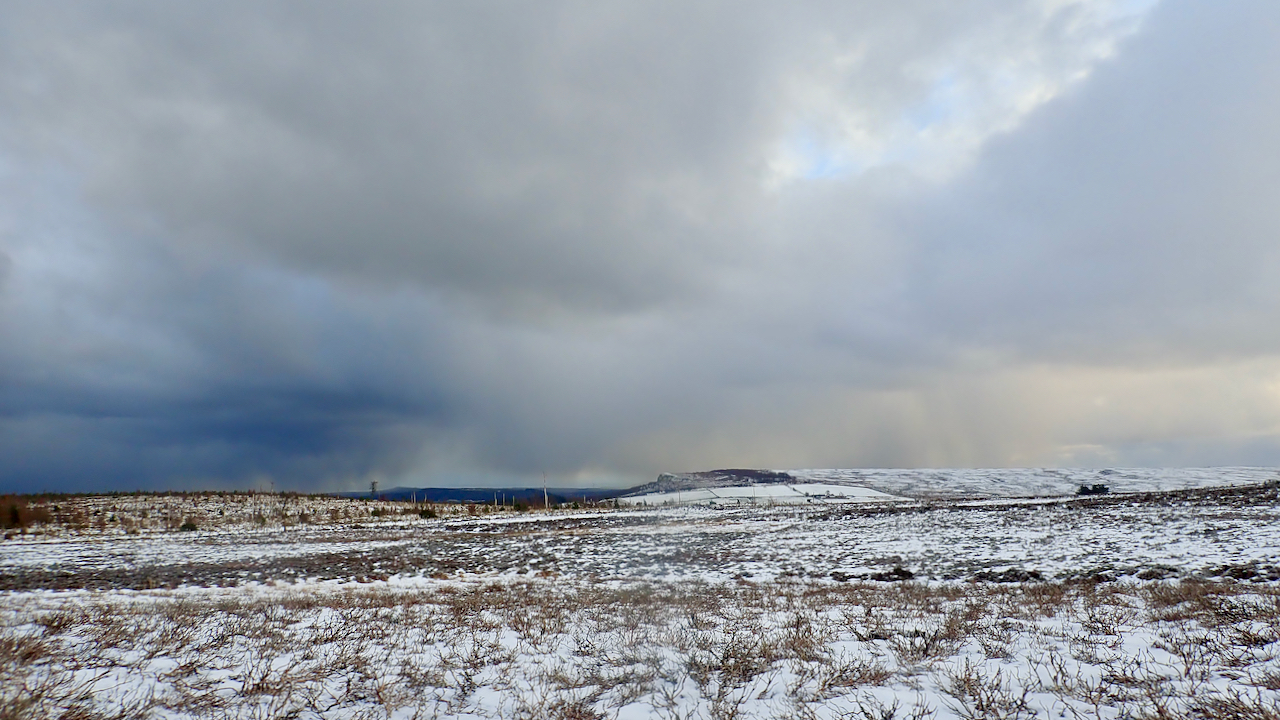
“It’s back to square one”
So headlined the Daily Mail this morning. Or as I heard on the radio; I didn’t actually read the paper. But it got me thinking where does that phrase come from. So I reached for my copy of the Brewer’s Dictionary of Phrase and Fable, the 1993 edition when the World Wide Web was still…
-
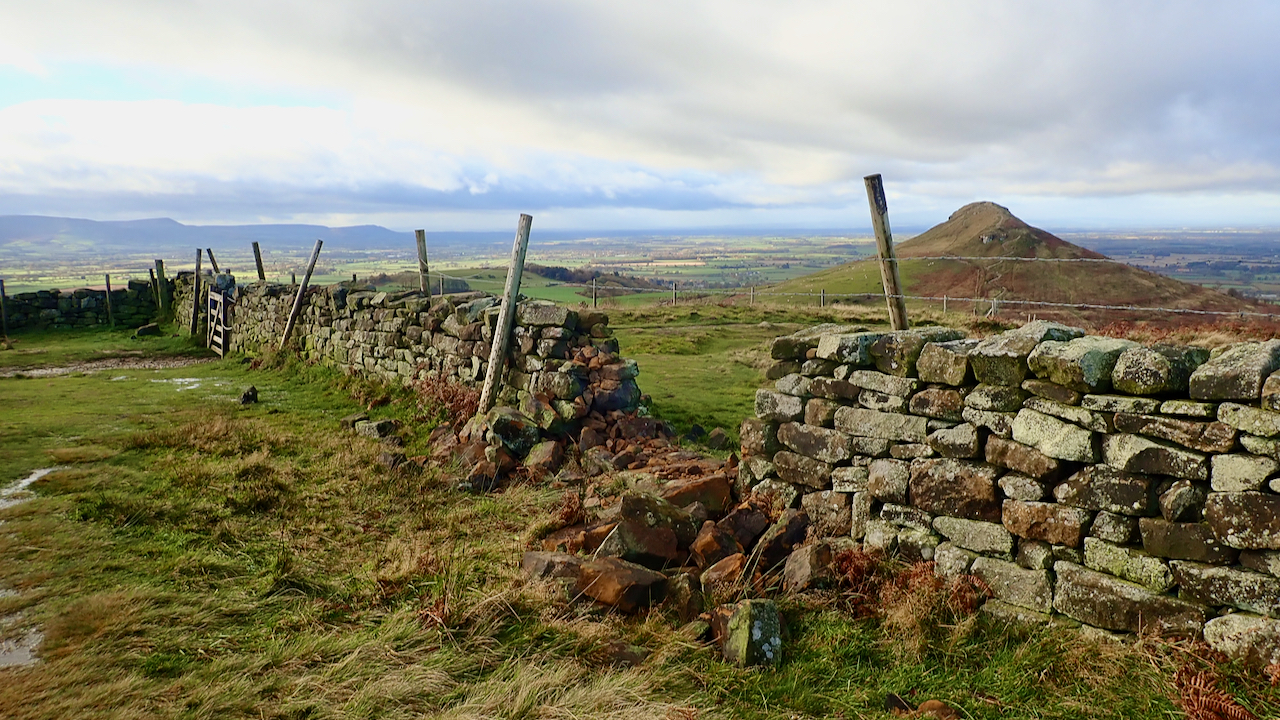
Who did this then?
I noticed this last week. It’s hard to imagine it was accidental. Someone has gone to the effort of moving the stones to the side creating a clear route through. If a stonewaller had done that, the stones would have been laid out and graded, heavier stones nearer the gap, with receding rows of smaller…
-
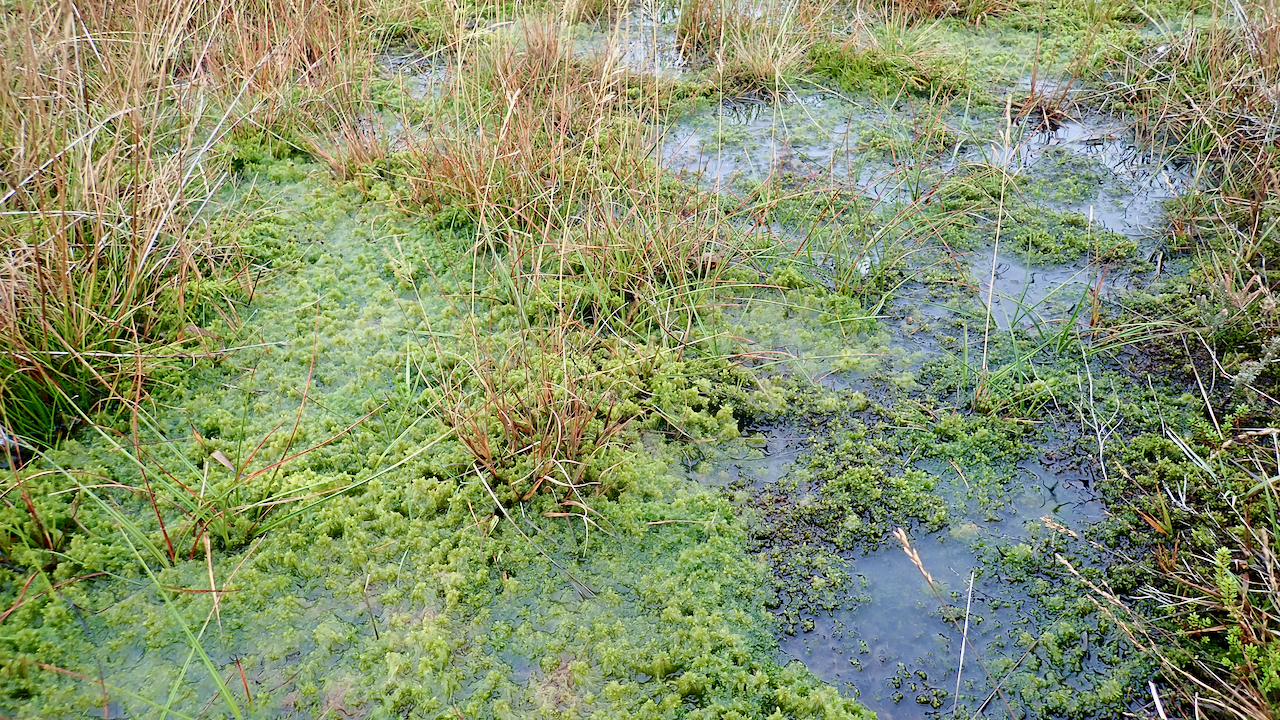
Quagmires, Sphagnum moss and WW1 wound dressings
If you find yourself stuck fast in an area of seemingly stable ground that suddenly gives way underfoot and leaves you becoming engulfed and unable to go forwards or backwards, you’ve probably found yourself in a quagmire. Obviously, there may be current political parallels but this is about quagmires in which the predominant vegetation is Sphagnum…
-
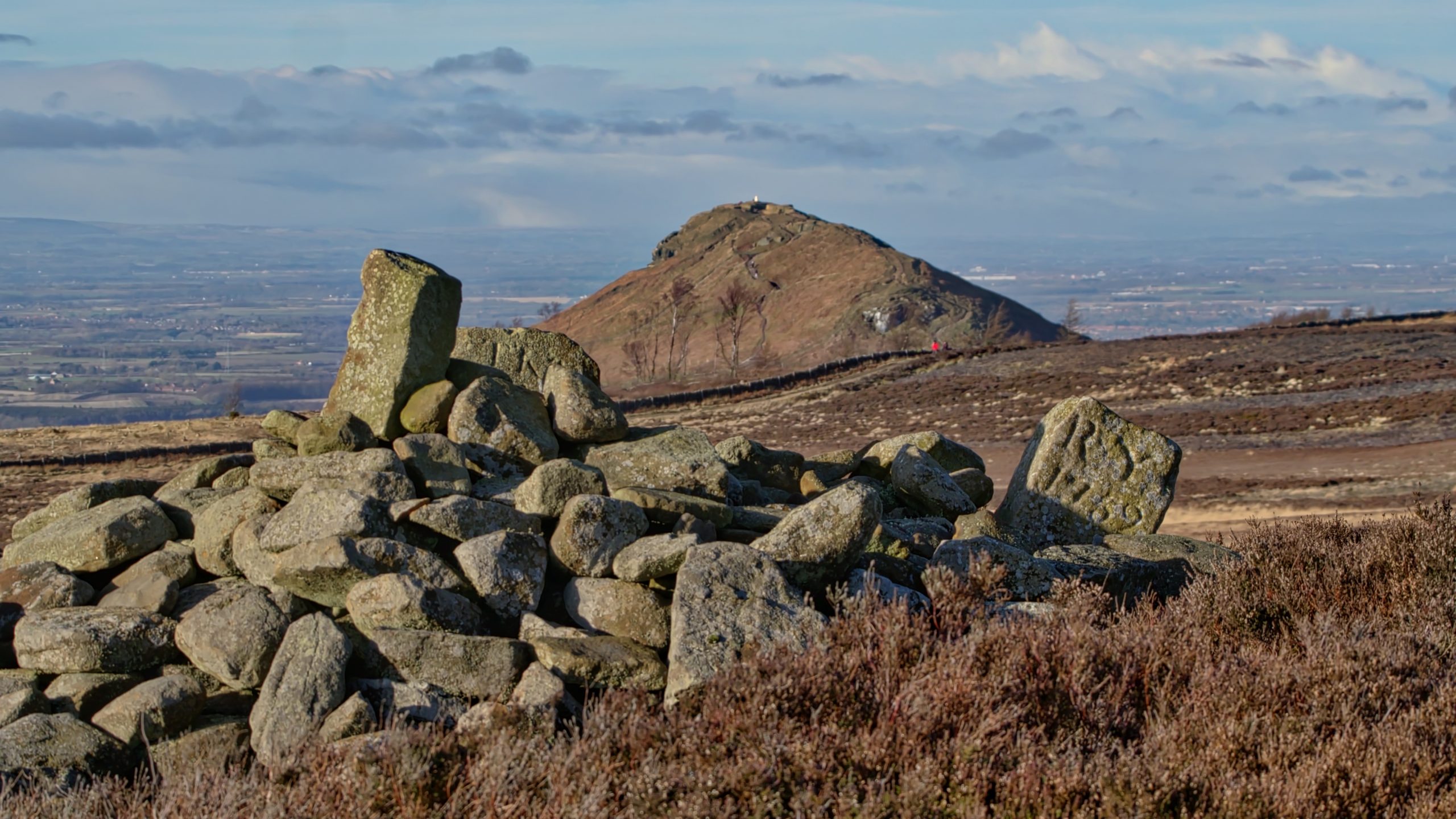
Cairn with two boundary stones
A glorious day. My attention was diverted by a pair of mewing buzzards but they kept too distant for my camera. So back to earth, on Newton Moor, one of a pair of Bronze Age round cairns with two partly buried boundary stones. One is inscribed “TKS 1815” and the other stone “RY 1752” on…
-
Moor Edge Stone
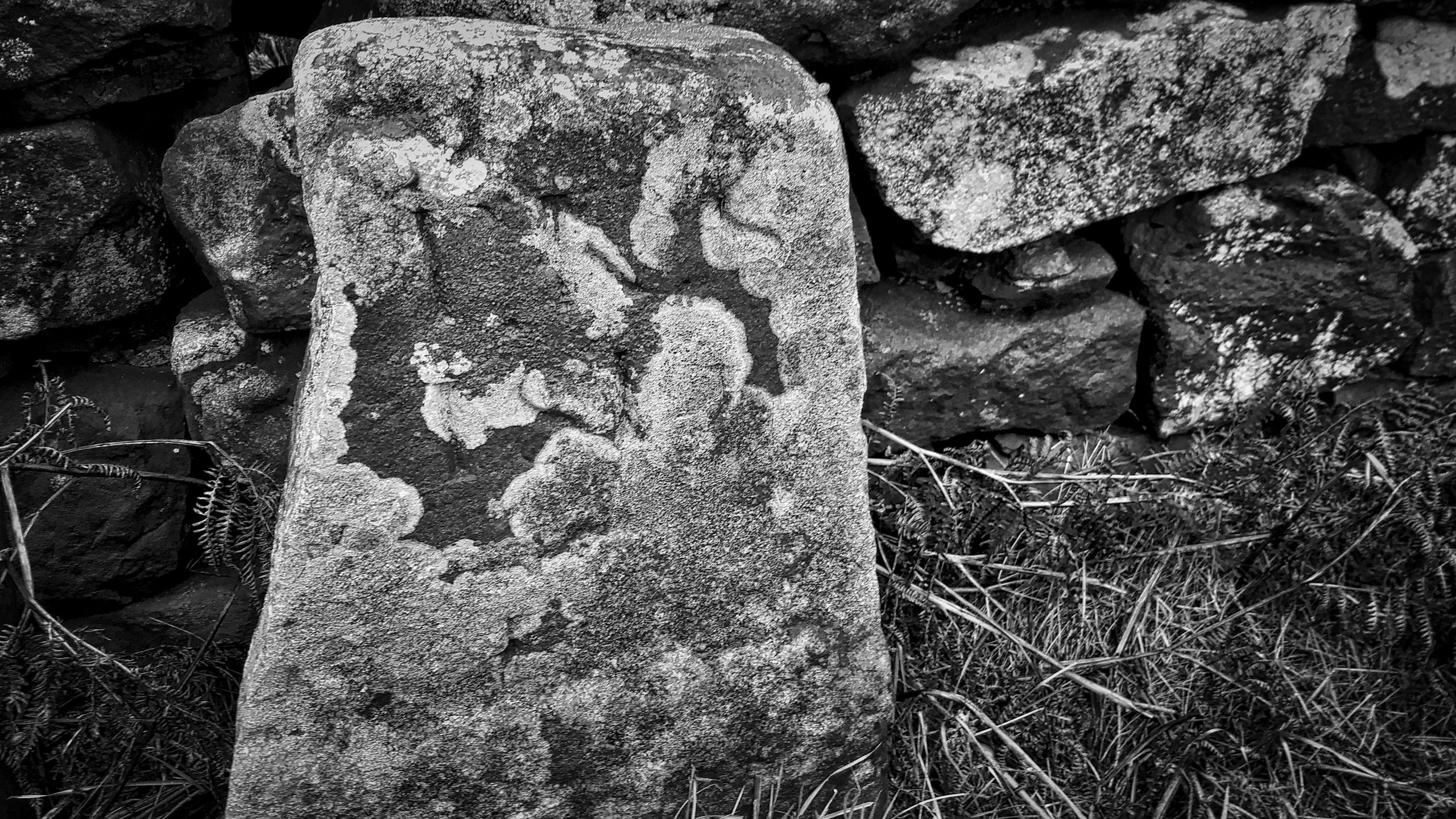
Another dull morning with a sky of corrugated grey cloud clipping the top of Roseberry. So an old favorite, the Moor Edge Stone marking the boundary between the parishes of Newton-under-Roseberry and Pinchinthorpe. Rendered in black and white in an attempt to emphasize the heavily weathered inscription of “TKS 1815” standing for Thomas Kitchingham Staveley…
-
Newton Moor
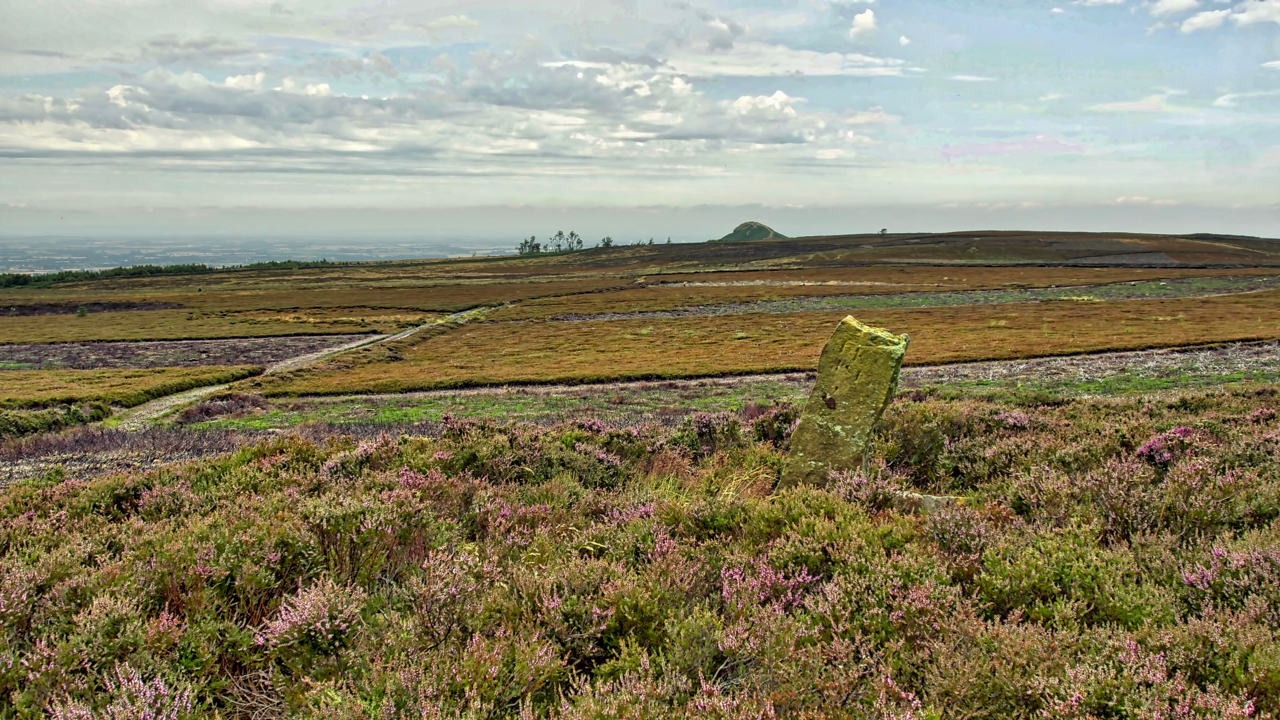
The mosaic of a managed heather moor, managed to maximise the number of grouse. Heather is burnt to encourage young growth which the grouse feed on. Patches of tall old heather are left for nesting. Yet every square inch of land in the photo (beyond the boundary stone) is National Trust property. The heather was…
-
Sunrise over Great Hograh Moor
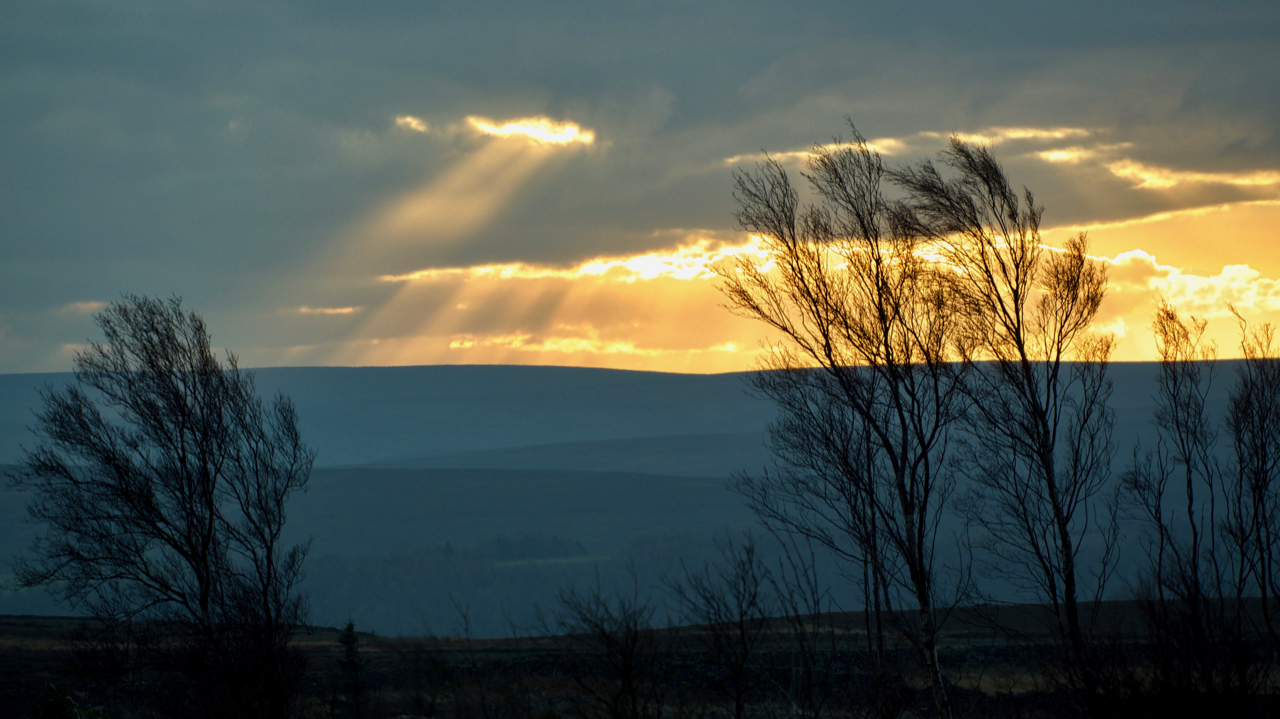
Early morning trot up to Newton Moor. Somewhere the sun is shining but a bank of cloud blocks it. A few birches left after the felling of the forestry on Black Bank, skeletonised for the winter. The graceful birch, one of the first trees to colonise Britain after the glaciers retreated. The wood is hard…
-
Bronze Age Round Cairn on a scorched moor
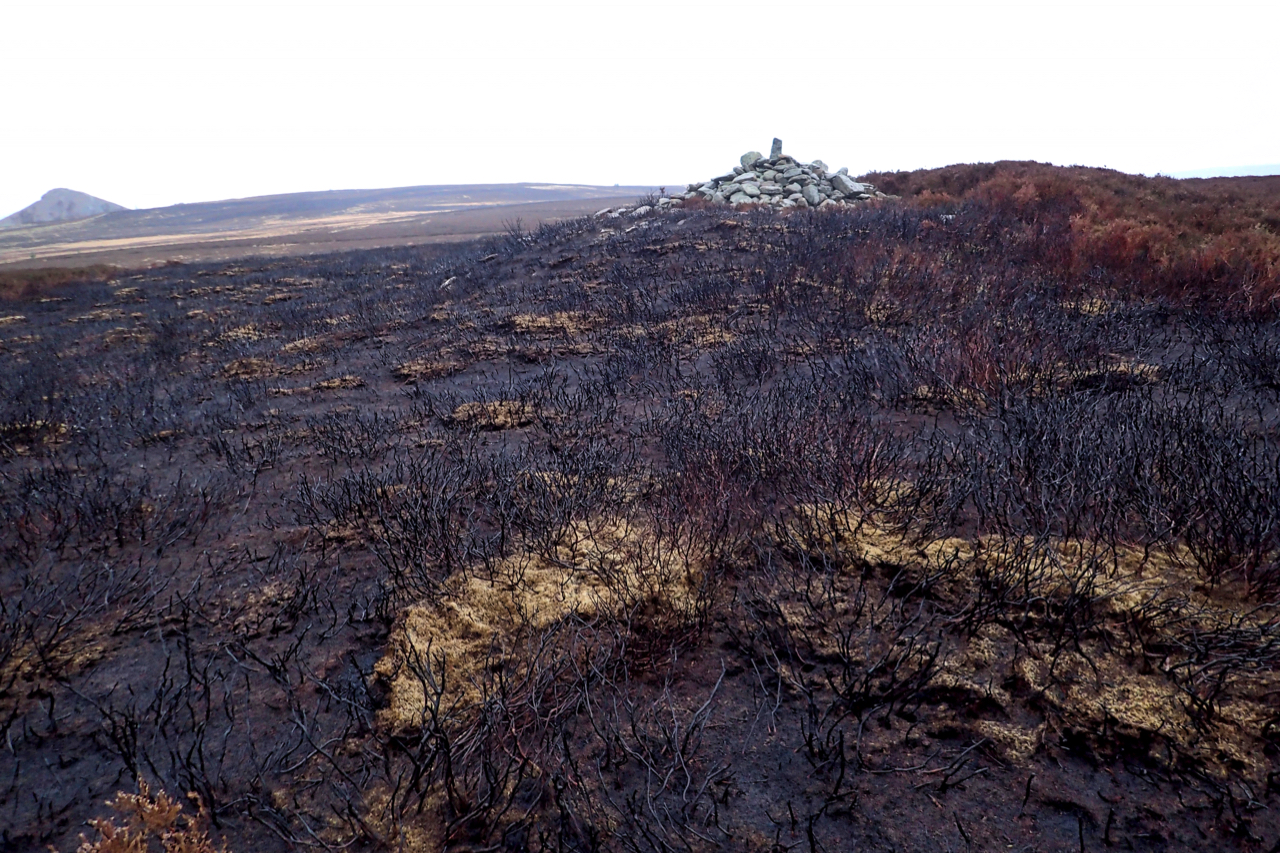
Sunday before last (18th) was a glorious November day. Blue skies, little wind with many walkers taking to the moors. I recall standing on Cliff Rigg and noticing the number of folk on Roseberry. But the scene was marred by dense black smoke coming from the direction of Newton and Great Ayton Moors. The periodic…
-
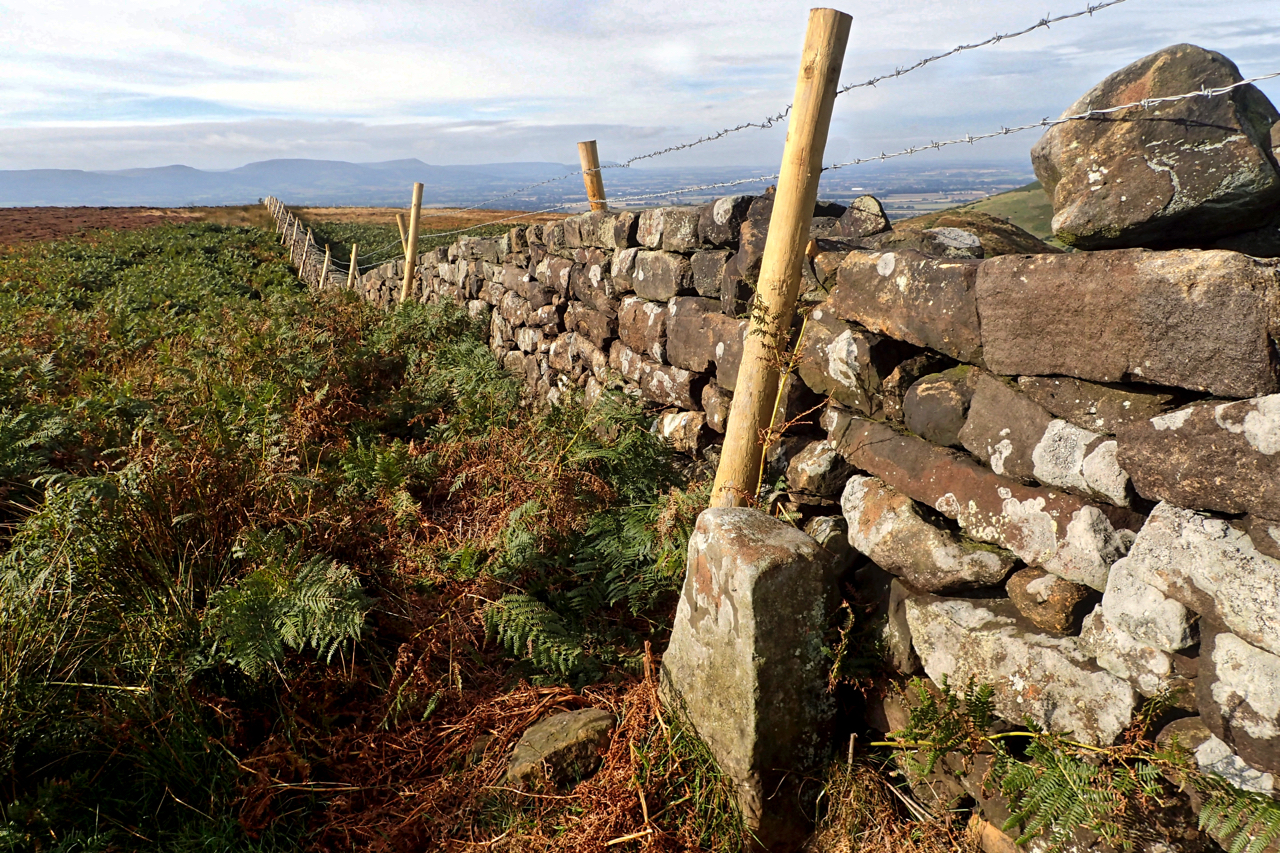
Boundary stone, Ryston Bank
Or perhaps better known as Newton Moor. The boundary stone is inscribed “T.K.S. 1815” and was erected by Thomas Kitchingham Staveley, the Lord of the Manor of Newton under Roseberry when the moor was enclosed. Interestingly towards the end of his life Staveley lived in Old Sleningford Hall, near Ripon, but named his eldest daughter…
-
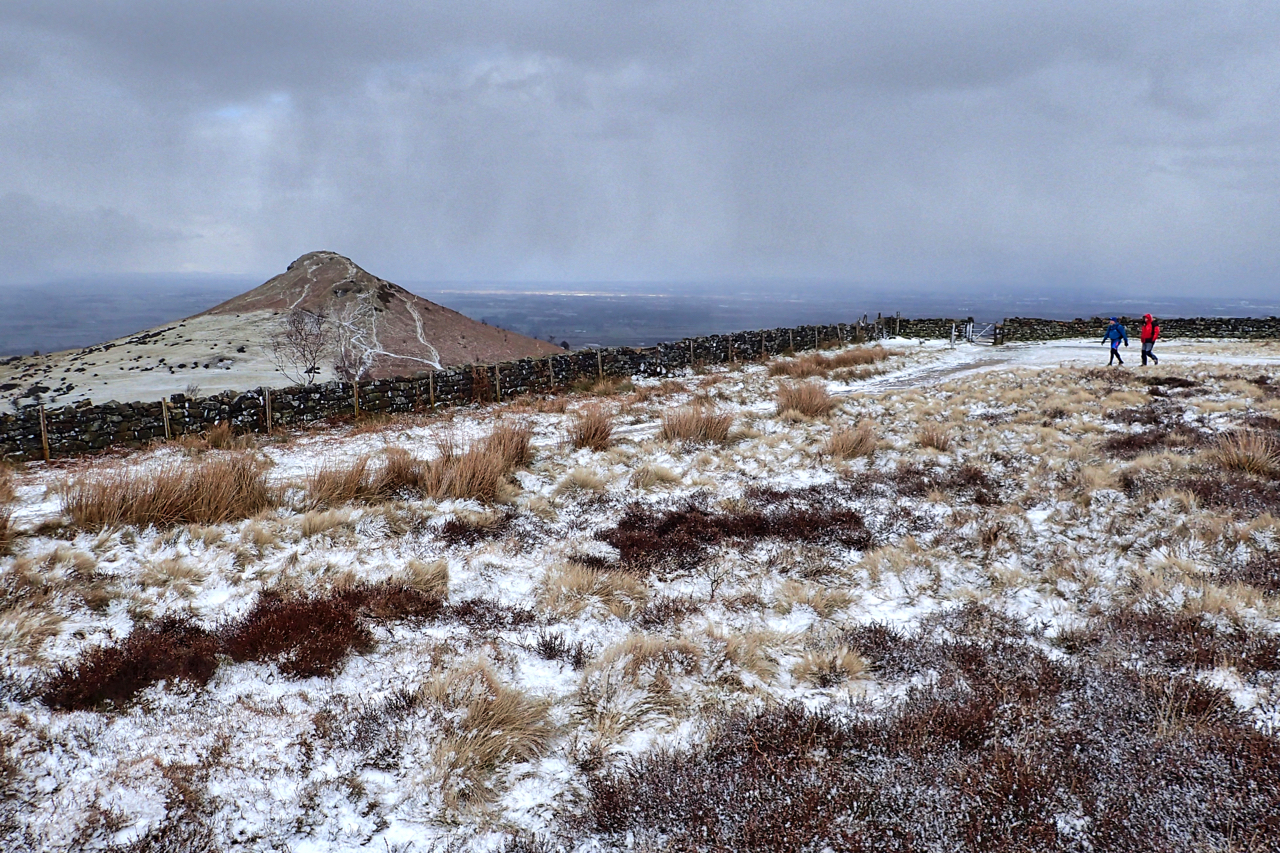
Beannachtaí na Féile Pádraig ort
St Patrick’s Day and a reminder needed that spring is on its way. The average date for the first swallow being spotted off the southern coast is 29th March. In the North-East, it will probably be a couple of weeks later. So in 3 weeks time, we could be seeing our first swallows arriving after…