Category: Kildale
-
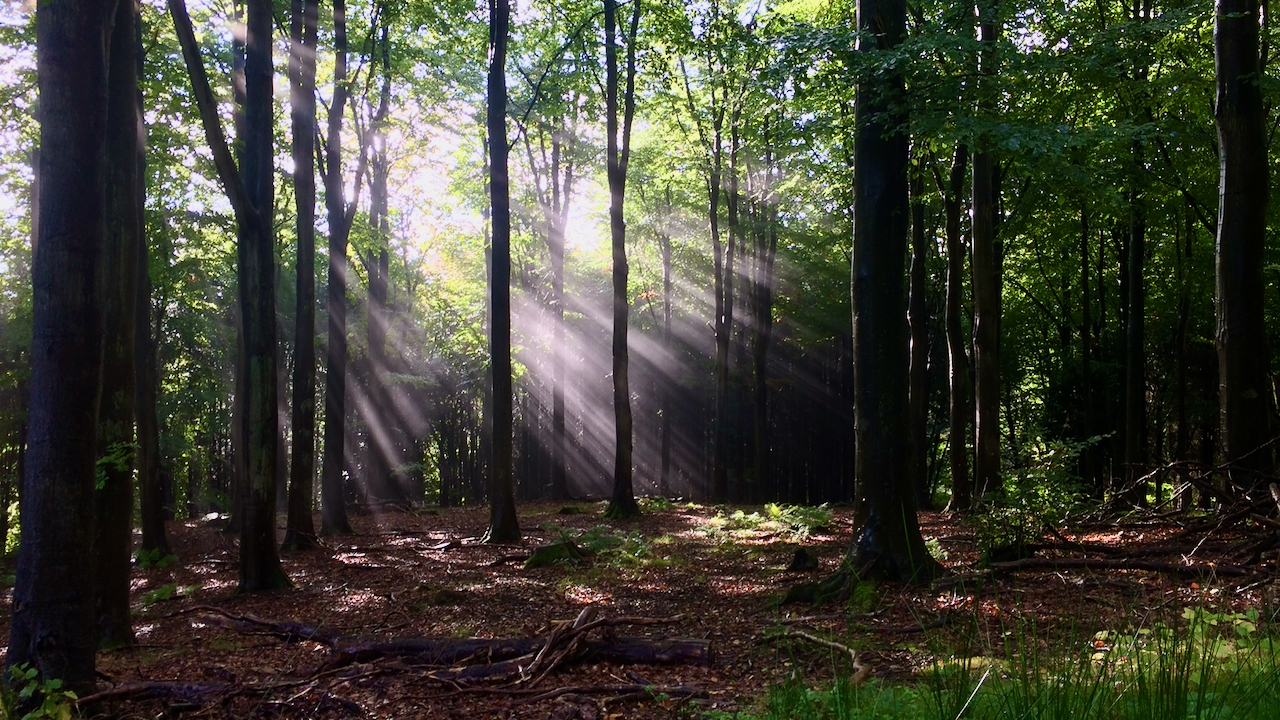
Sandbeds Plantation
Lovely morning lighting in Kildale Woods. This beech plantation was probably planted soon after Coate Moor ironstone mine was re-processed in 1875. It had been going for a mere three years. I’m not sure where the name comes from, apart from the obvious, but as far as I know there are no sand deposits in…
-
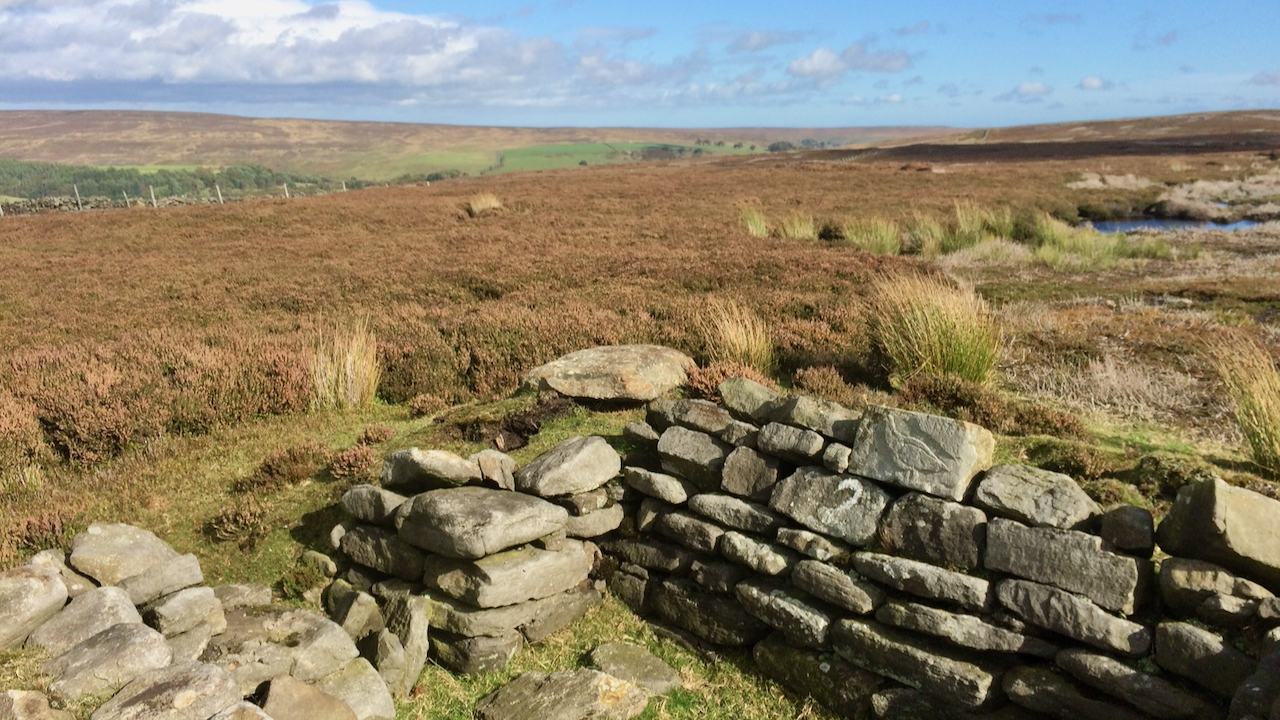
Shooting Butt No. 2 on Warren Moor
I will call this a ruined grouse butt although I suspect it is still in use. Anyway above the ‘2’ is a stone with a carved grouse dated, I think, 1975. I have it in mind that this was carved by Roland S. Close (1908-1978), the amateur archaeologist and an estate worker at Kildale. If…
-
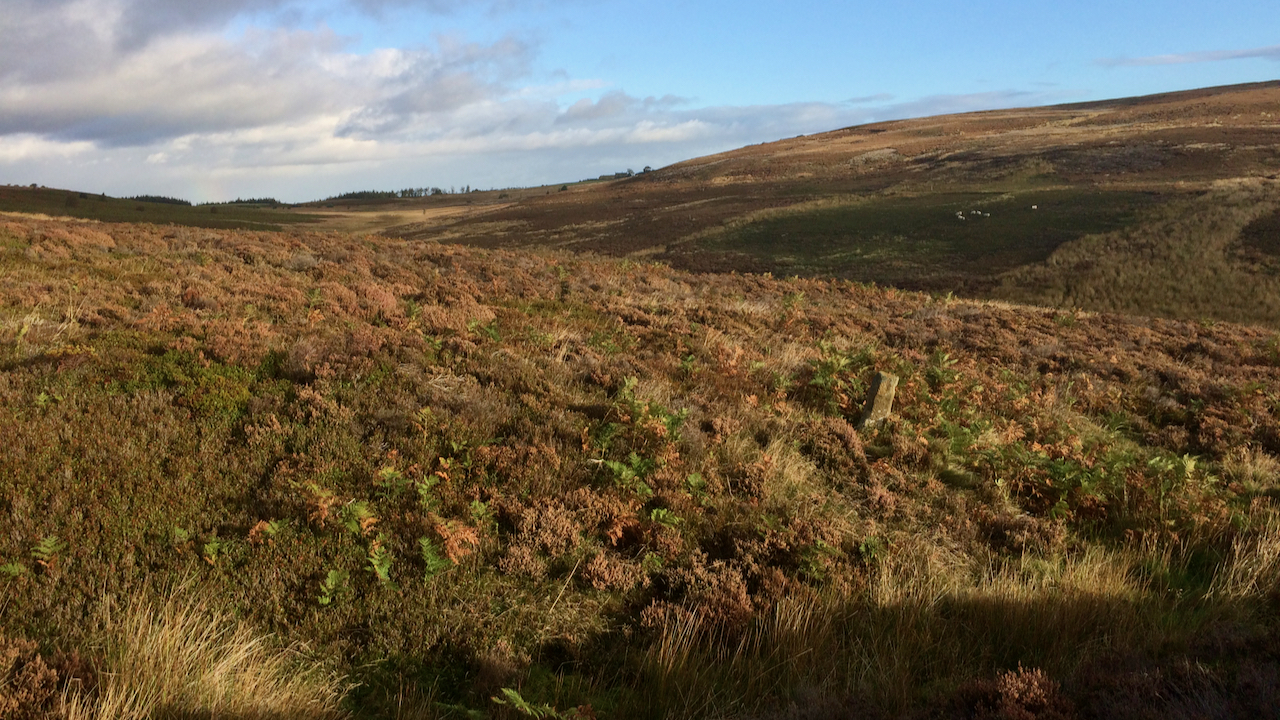
Standing Stone, Rivelingdale
At Percy Rigg Cross, a spur of the moment to pop down to have a look at the spring in Rivelingdale or Codhill Beck. There is one internet source which suggests the spring is a holy well with the name of ‘St. Mary’s Well‘. Apparently, it’s a name referred to by the archaeologist Roland Close…
-
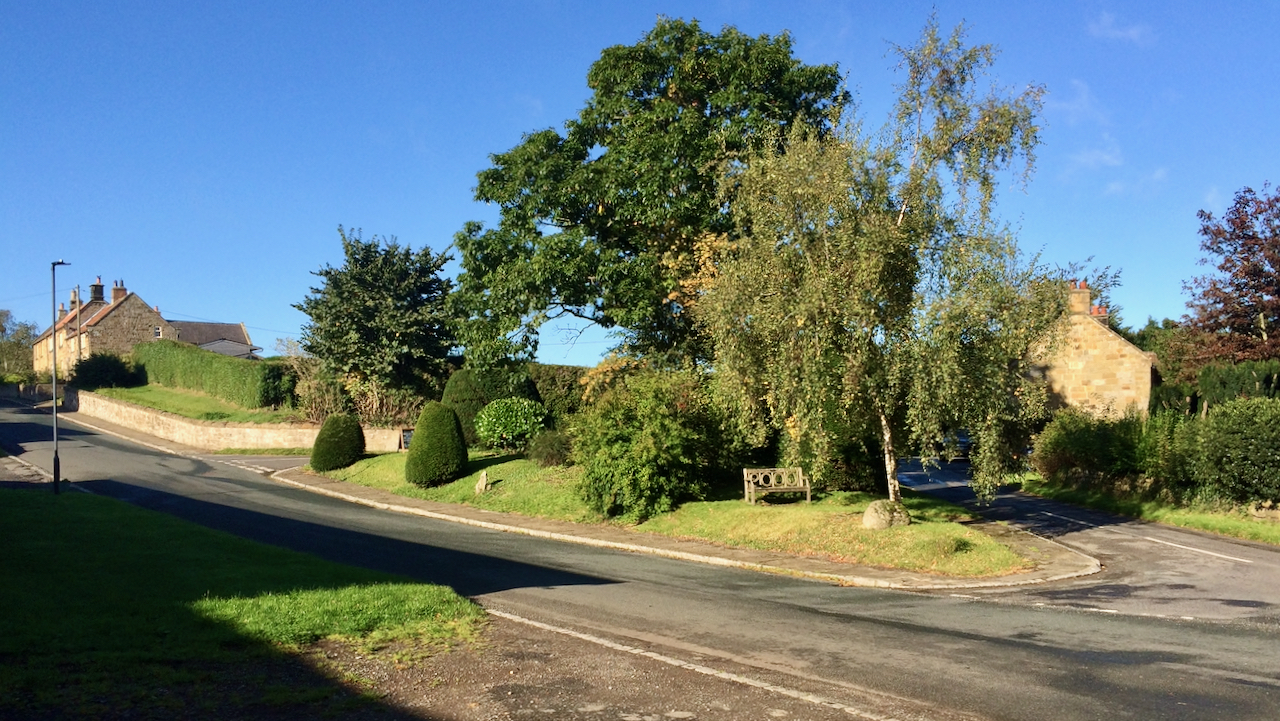
Kildale
The ‘village green’ at Kildale. Another glorious morning. And Michaelmas day to boot. St Michael’s Day, 29th September, the Feast of Michael and All Angels, one of the traditional four ‘quarter days’ in a year, the other being Lady Day (25th March), Midsummer (24th June), and Christmas (25th December). On these religious festivals, the agricultural…
-
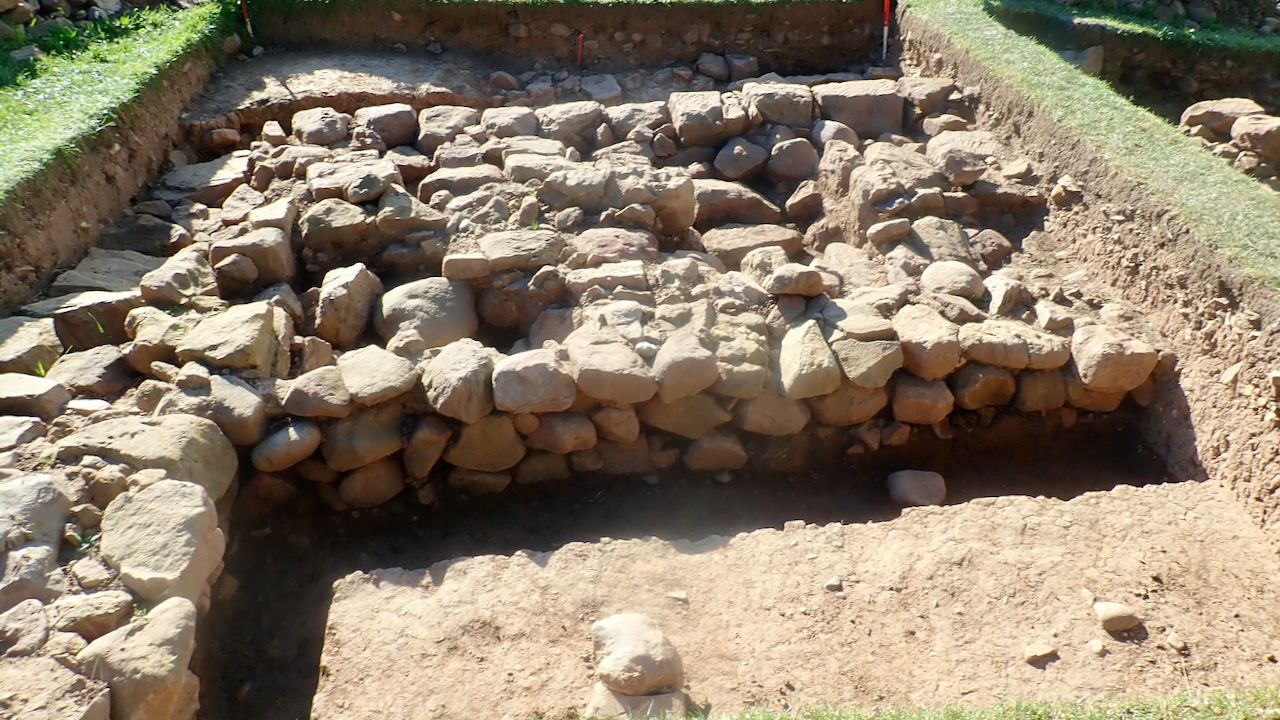
St. Hilda’s Chapel, Kildale
My penultimate day at the archaeological dig in Kildale which I have been involved with all summer. The site will soon be winterised until next year. It is thought the stone walls are the remains of a medieval chapel dedicated to St. Hilda, which was located through detective work by members of the Hidden Valleys…
-
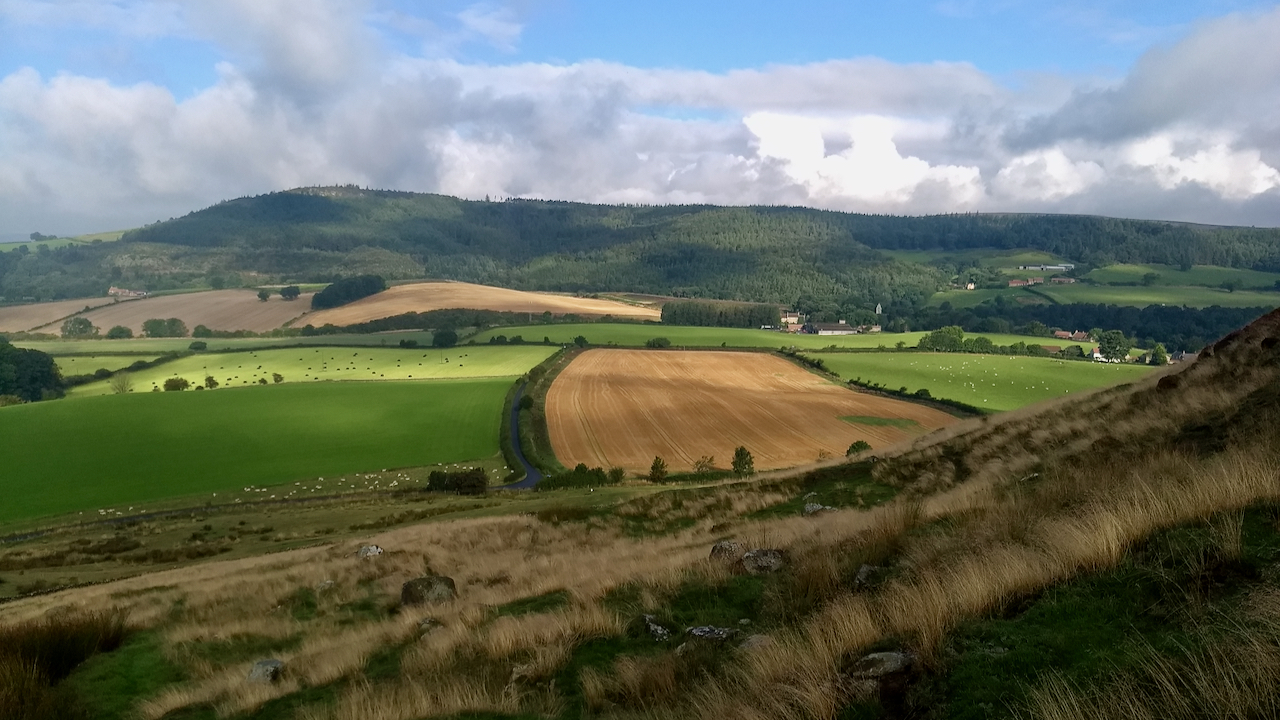
Nanny Howe and the Devil’s Court
A view across Kildale from Park Nab to the densely forested Coate Moor. The highest point towards the left is actually Easby Moor with its monument to Capt. Cook but this story is about a Bronze Age barrow hidden amongst the trees on Coate Moor called Nanny Howe. It’s a story about a witch and…
-
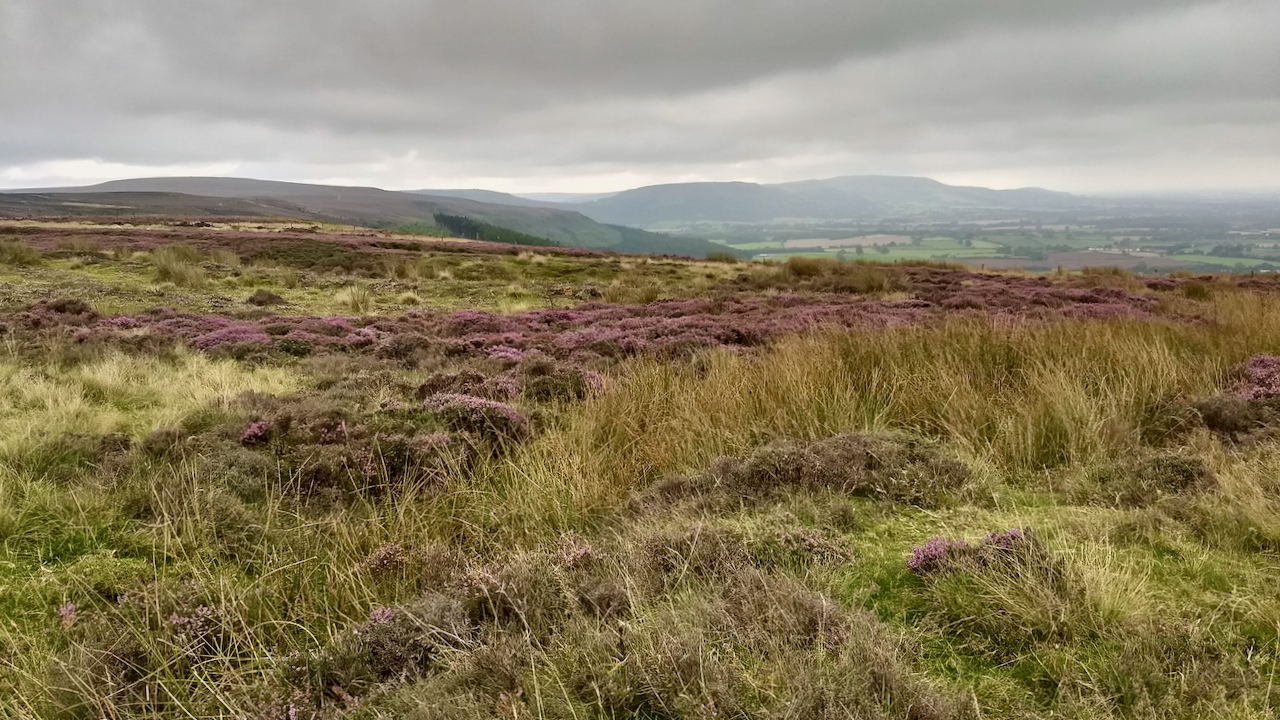
The Park, Kildale Moor
A view south along the Cleveland Hills on the meteorological first day of Autumn. Corrugated skies of grey. The heather is just about to change, not many more days when there is a hint of the purple. This moorland was once part of a medieval deer park of the Percys of Kildale. Just out of…
-
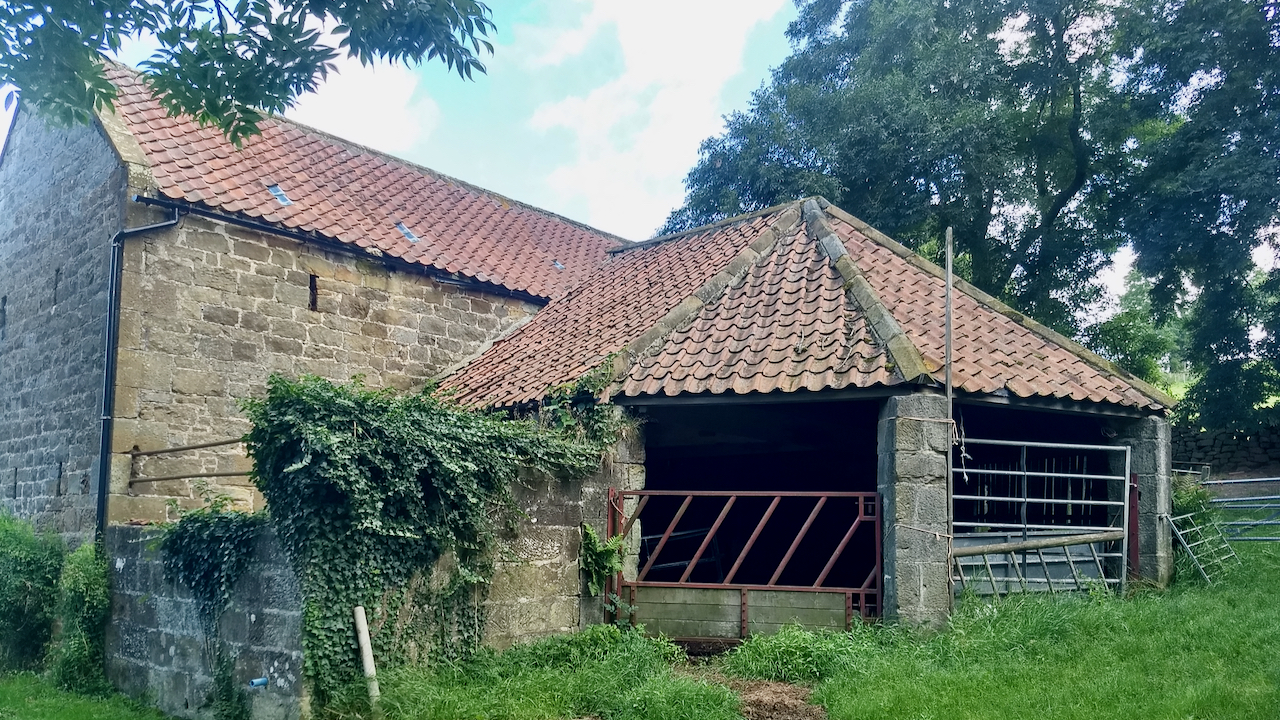
Gin House, Park Farm, Kildale
Horses were once a traditional source of power on the farm and in industry. Threshing, milling, pumping, lifting, sawing, churning would all be done under horse-power. On farms, the ‘gin’, a shortening of the word ‘engine’, was often undercover in a separate building attached to the barn called a ‘gin-house’, and in many cases these…
-
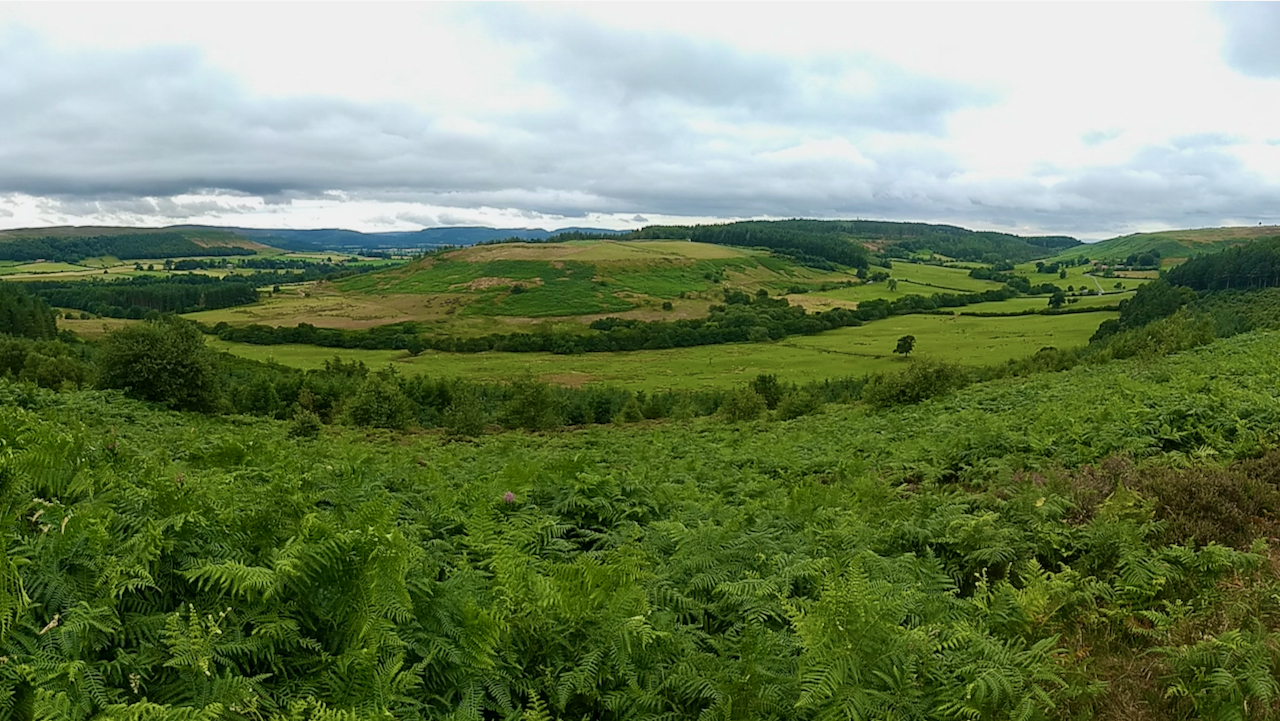
The Pale
I’m always on the look out for an out of the way viewpoint. I discovered this by a short walk across the heather from a bike ride up to Percy Rigg. It shows the full extent of Lonsdale, from its head at Gribdale gate to its confluence with Kildale and portrays a microcosm of history.…
-
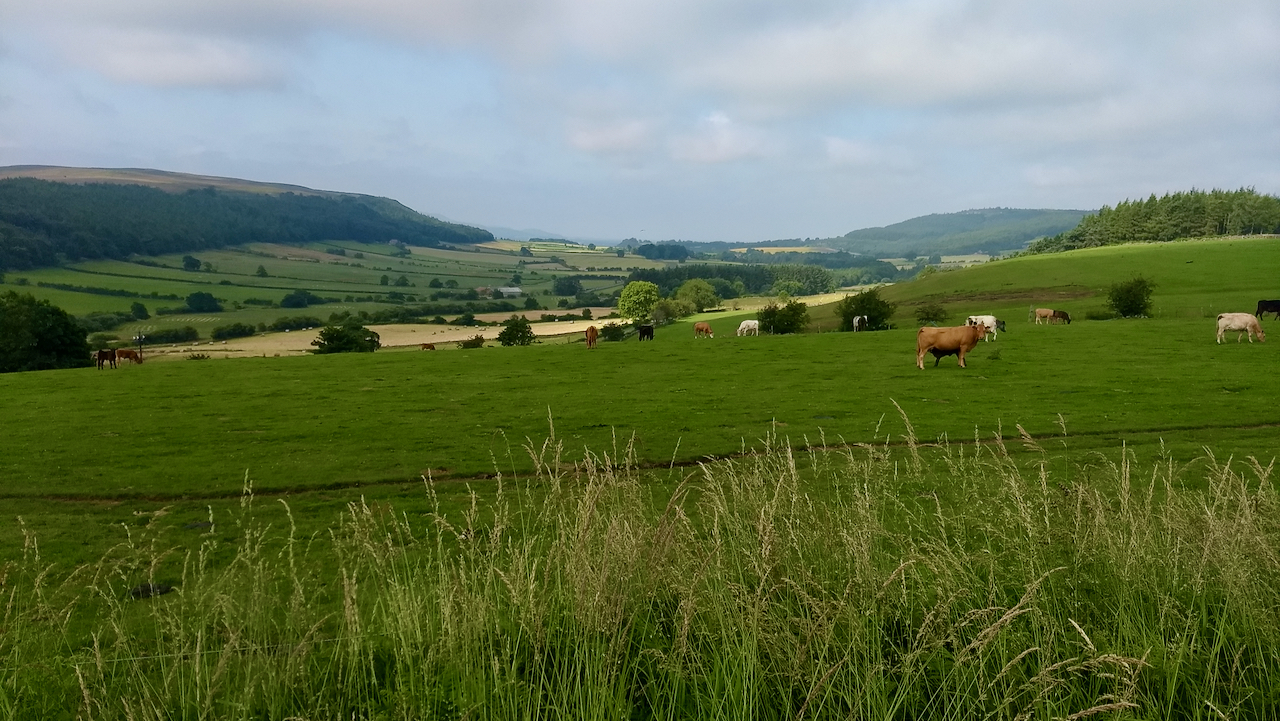
The manuring of Kildale’s fields
The lush fields of the Kildale are the result of generations of cultivation. Under his tenancy agreement, the farmer at Percy Rigg Farm (or Viewley Hill Farm as it was formerly known in the 19th-century) would have been under certain conditions to maintain and improve his fields. He “will lay and spread … in each…