Category: Kildale
-
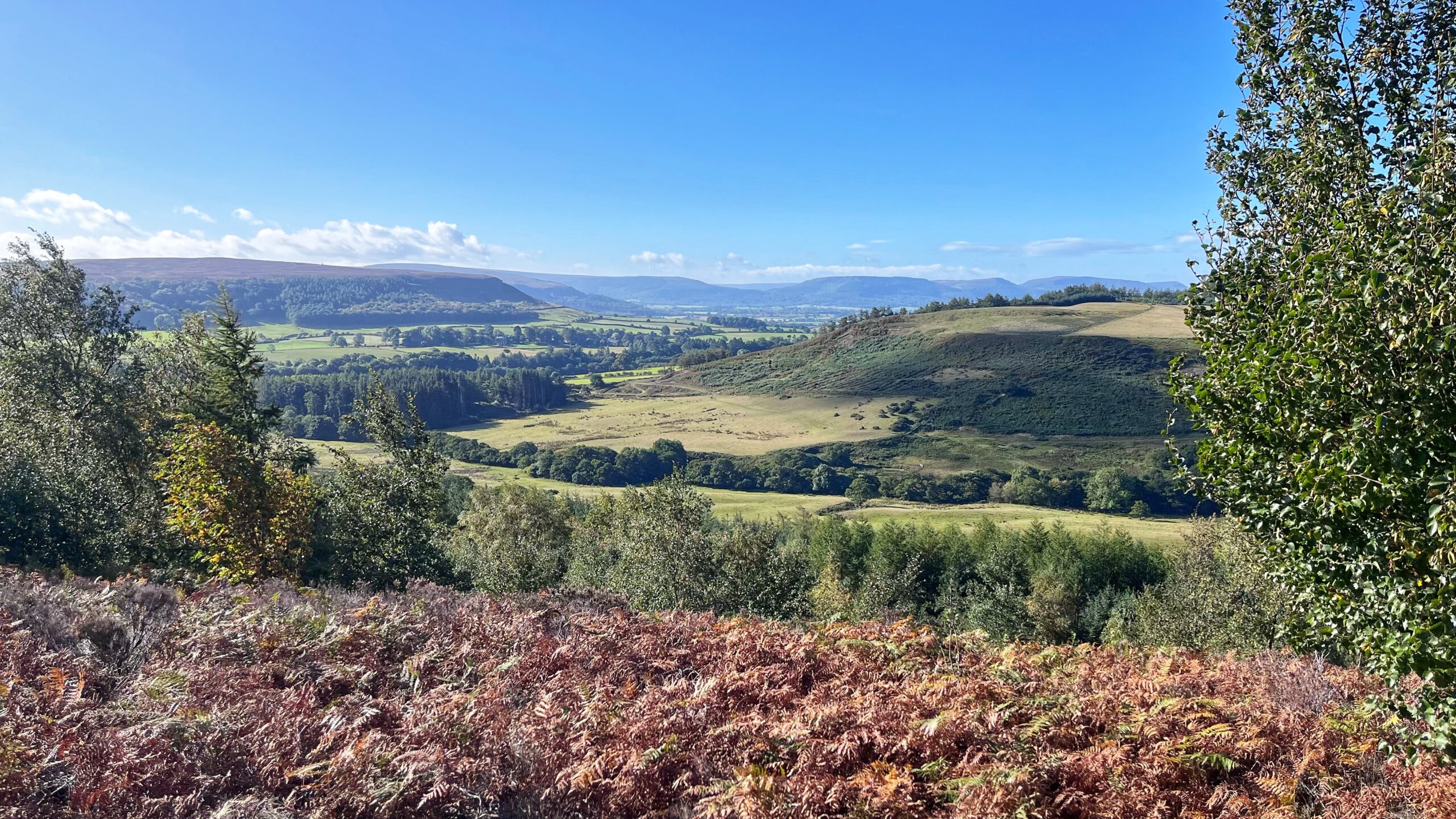
Shadows Over Kildale: The Colonial Slave Trade Links with a Yorkshire Manor
Beneath the moors of the Cleveland Hills lies Kildale, a dale that looks as though nothing has ever happened there. Something did happen, though. In 1662 the estate was bought by John Turner, serjeant-at-law, of Kirkleatham. John kept to the family business of being minor Yorkshire gentry. His younger brother, William, as was the lot…
-

The Dale Formerly Known As Golstandale
That clear felling on Nab End has certainly opened up Lonsdale. One minute there was a commercial plantation, the next it looks like a bad haircut. Down below Percy Cross Rigg, the dale still plays its usual trick of looking peaceful. Green fields, quiet trees, the works. But scratch the surface and you find centuries…
-
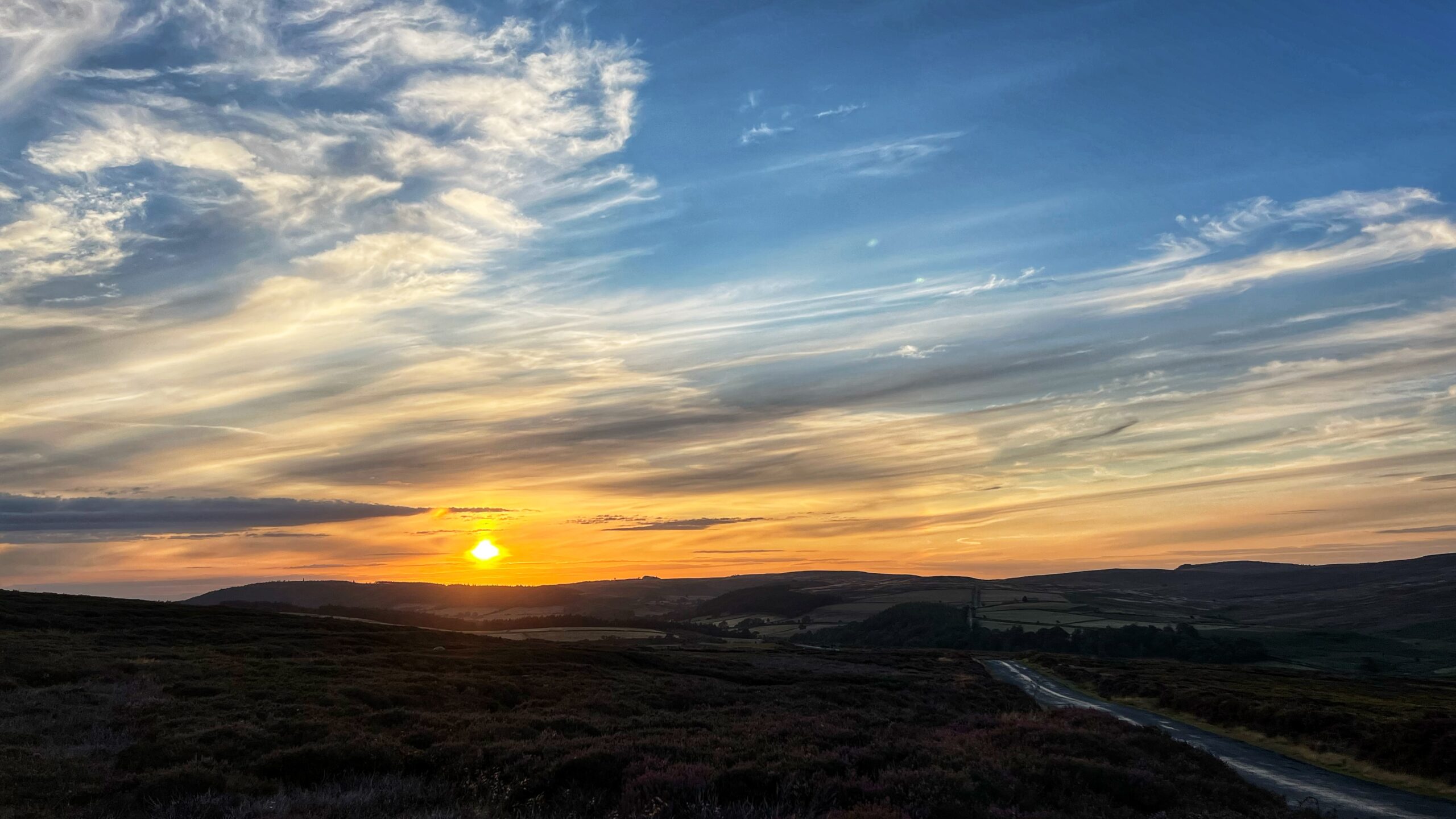
Driving Home into the Setting Sun
It is not often these days that I find myself driving home across the moors at sunset. By that time I’ve settled in for the night. Most cloud formations save their best trick for this hour. High cirrus, with a smattering of some lower, featherier clouds thrown in for good measure, catch the low sun…
-

Petlar’s Bridge Quarry: A Brief Flirtation with Industry
I must have cycled past this old quarry near Petlar’s Bridge a couple of dozen times or so since the plantation hiding it was felled, and it has since been on my list to write about. The quarry likely pre-dates the Eskdale railway by half a century. One unverified internet source claims whinstone was extracted…
-
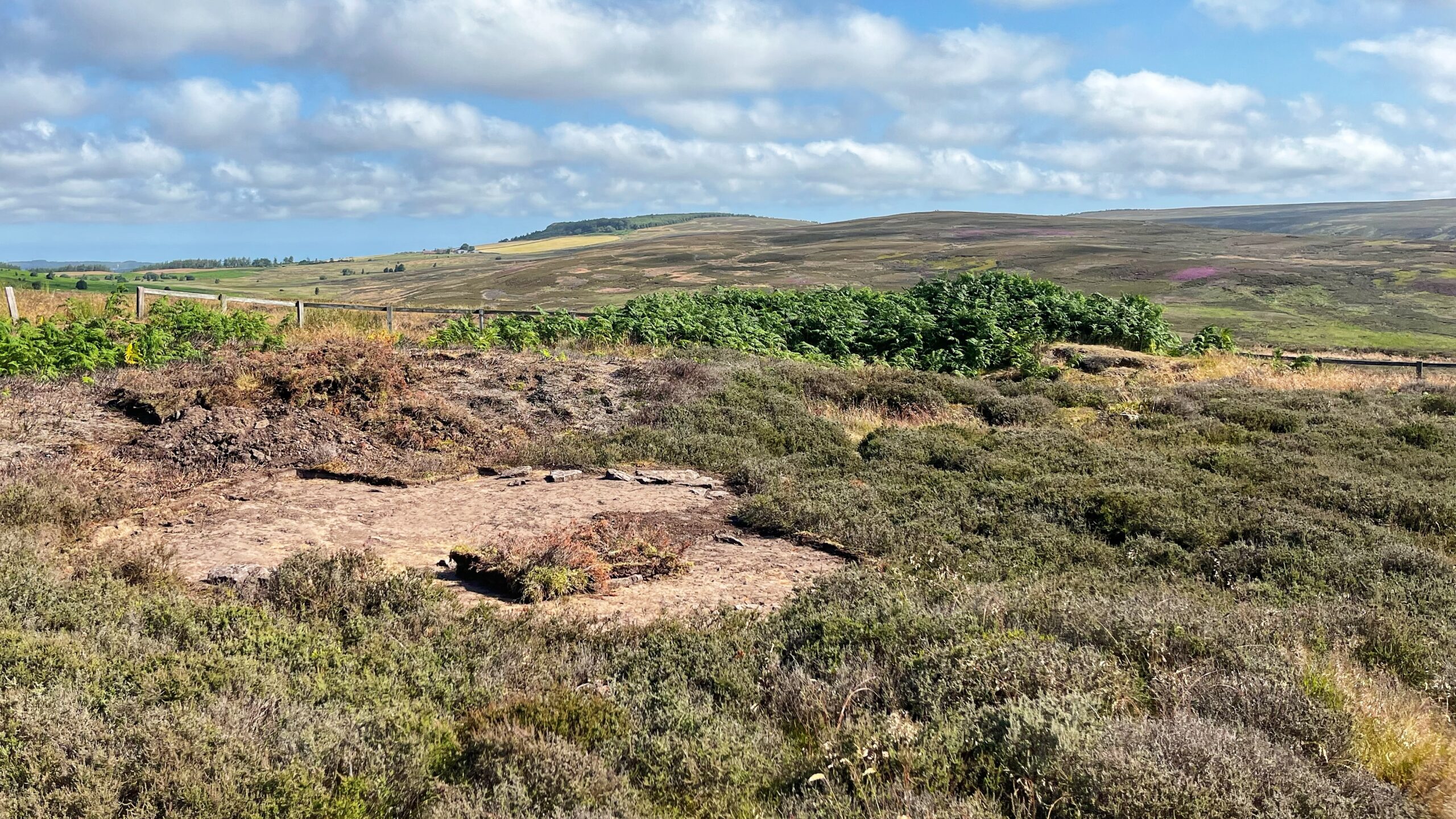
Percy Rigg: Iron Age Living
The heather has gone. Local archaeologists have begun to strip the vegetation back to where the 1960s excavators left off, not to dig fresh ground, but to expose what was already found and read it again with sharper eyes. The aim is a proper sequence: which house came first, which blocked which, and how five…
-

Echoes in the Vale: The Ghostly Rise and Fall of Leven Vale Cottages
By the mid-1850s, “Ironstone Fever” had Cleveland in its grip. The success at Eston tempted the Trustees of the young Robert Bell Turton to open up the Kildale Estate through an 1855 Act of Parliament. Investors fell for the “rabbit hole theory” — the tall story that John Marley had stumbled upon Eston’s underground riches…
-
A Murder at Kildale, 1871
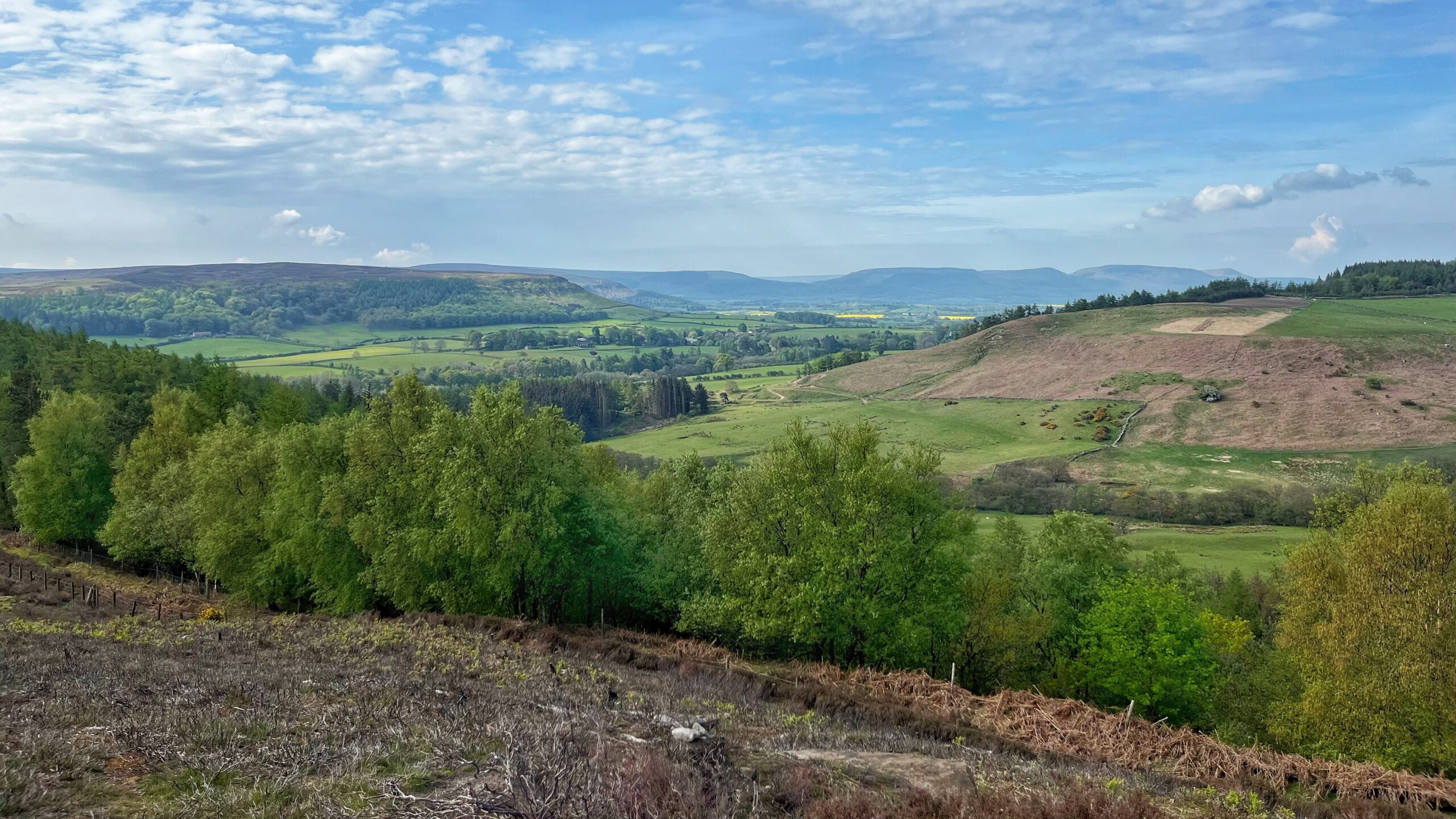
The view from the hills above Kildale, taken yesterday — when the weather was rather more agreeable than today’s thoroughly dreich conditions. The North York Moors is not the sort of place one associates with violent crime. Yet on the evening of Wednesday 16 August 1871, a quiet farm in Kildale became the scene of…
-
The Pale — Playground of the Percys
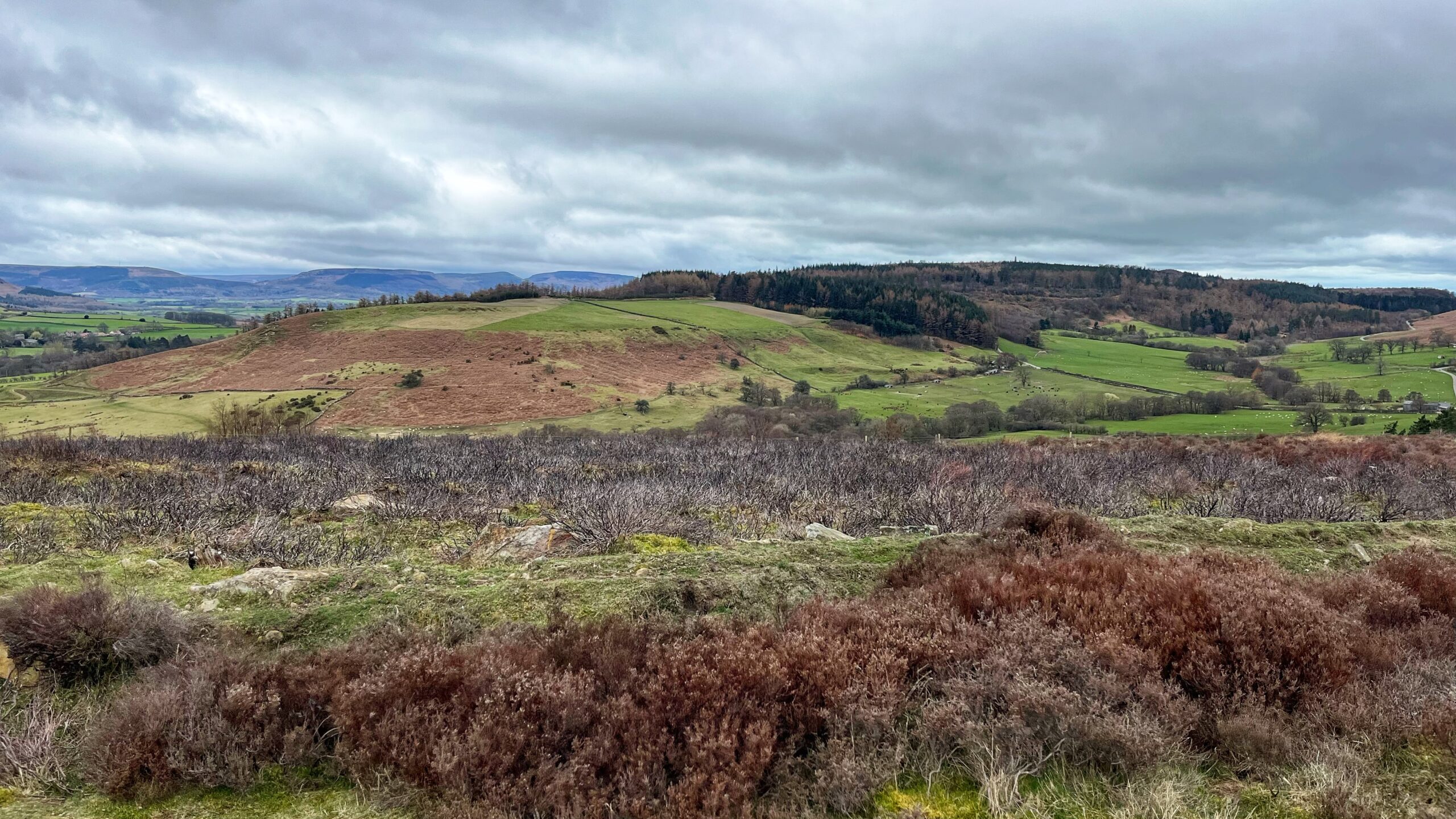
Viewed here from Percy Cross Rigg, Capt. Cook’s Monument is just about visible on the highest point of Easby Moor. This eastern end, in the parish of Kildale, is known as Coate Moor and those unforested fields on the spur are labelled “The Pale” on Ordnance Survey maps. It is a relic of one of…
-
Iron Age on the Moors: Percy Rigg’s Hidden Houses
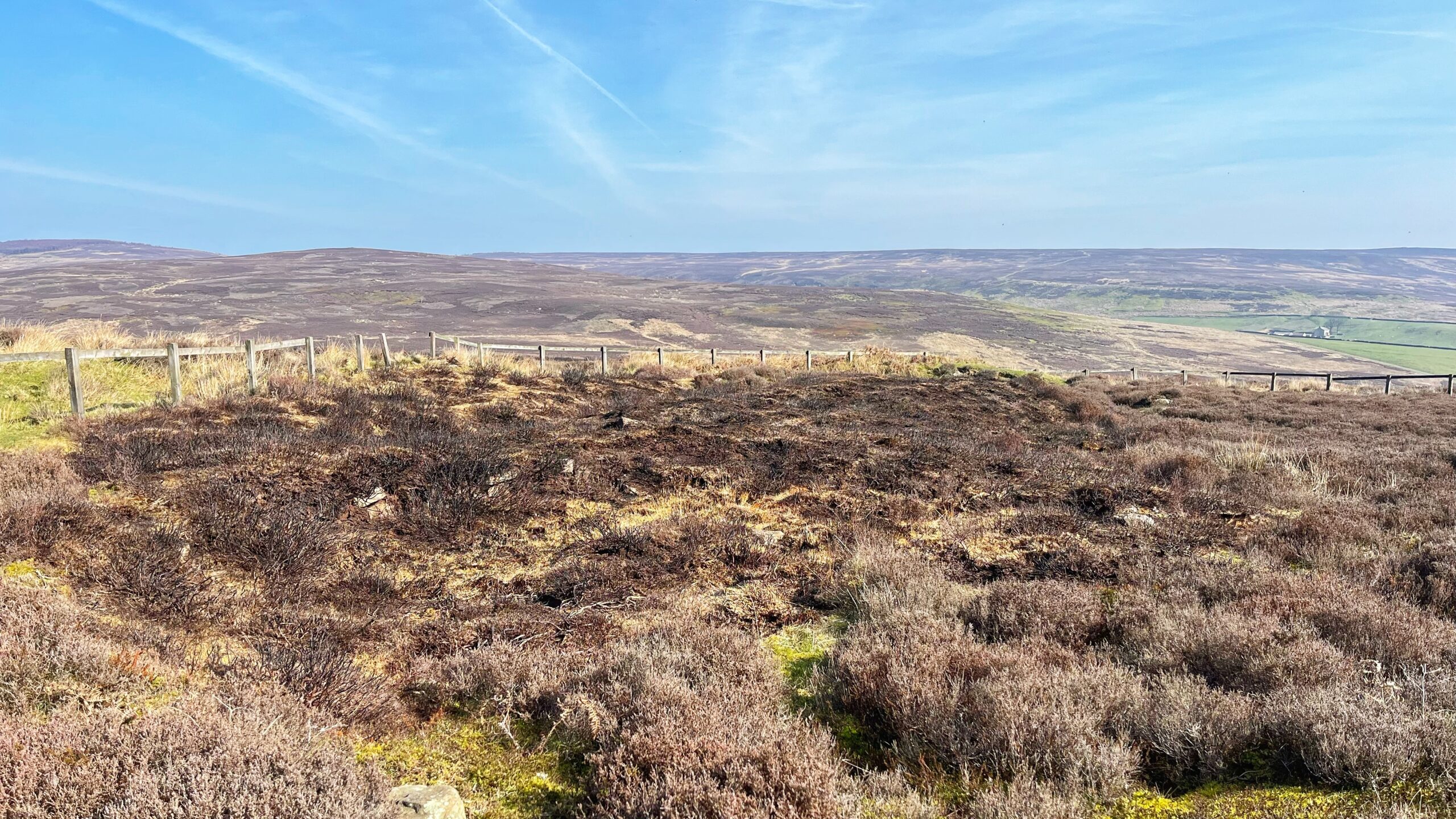
For centuries, five Iron Age round houses sat quietly on this ridge in North Yorkshire, and nobody noticed. Not bad for a neighbourhood that was probably occupied for over 300 years. The site was only spotted in 1962, when Fred Proud of Sleddale Farm found it and reported it to local archaeologists Roland Close and…
-
When Infographics Burn Brighter Than Evidence
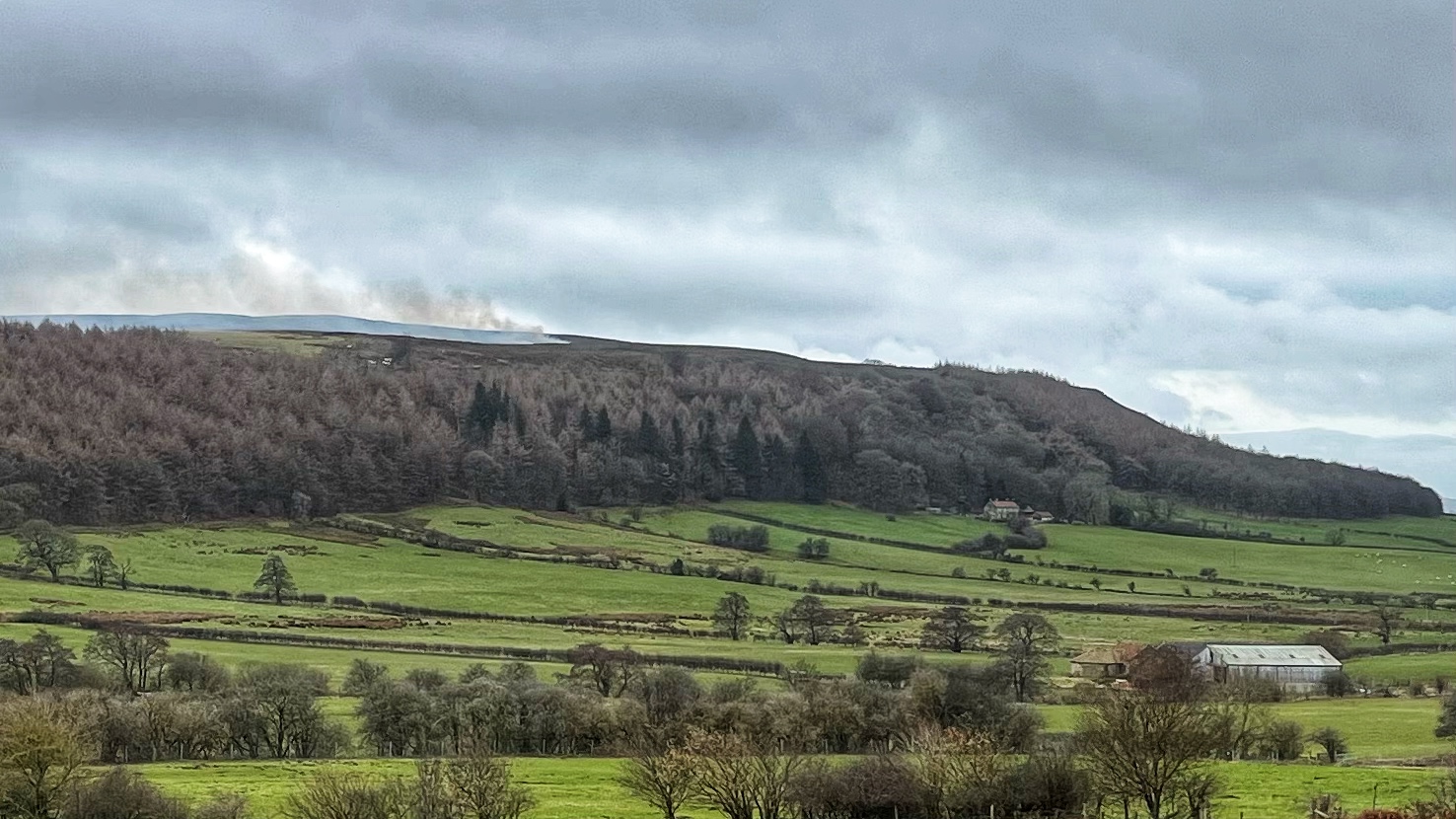
An image drifted across my feed this morning: a mugshot of a certain former prince. Briefly amusing, obviously fake, the work of some obliging AI dressed up as reality. Elsewhere, a Facebook post from the Moorland Association offered something far less harmless. A polished infographic declared, with confident certainty, that ‘The “Burn-to-Rewet” Method Cuts Methane…