Category: Great Ayton
-
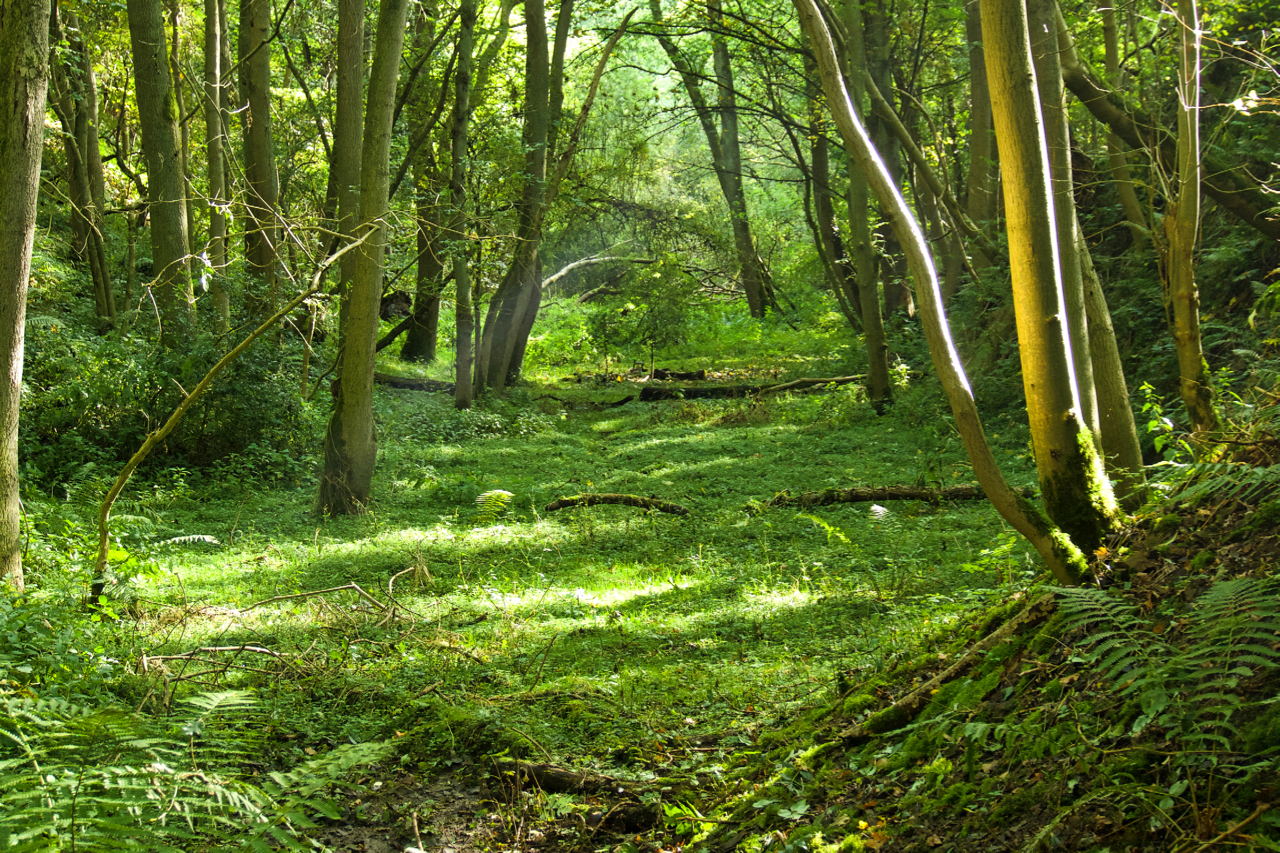
Lichtung
Shafts of light falling on a carpet of wood sorrel, a clearing in Slack’s Quarry Wood, a former whinstone quarry. Long gone are the smells and noises of quarrymen. A place now of peace and quiet, a place for contemplation. Heidegger, the German philosopher, likened a clearing such as this to a state of the…
-
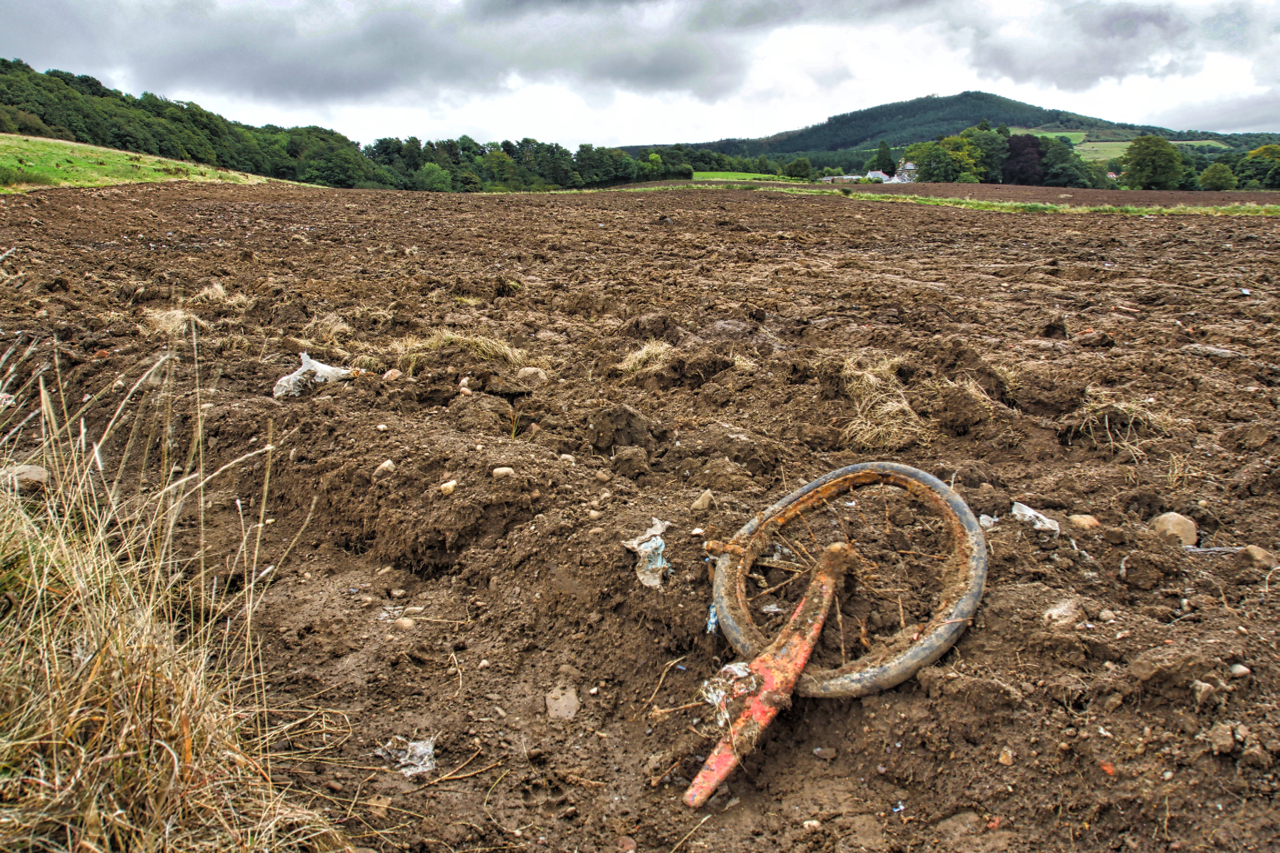
60’s Rubbish
Rye Hill, Great Ayton. In the late 19th century the North Eastern Railway company began operated a gravel pit on this sloping field below Cliff Ridge Wood. By the 1940s a small tramway was operating to the sidings for Whin’s quarry, a few hundred metres north-west. Sometime later the gravel pit was abandoned, filled in…
-
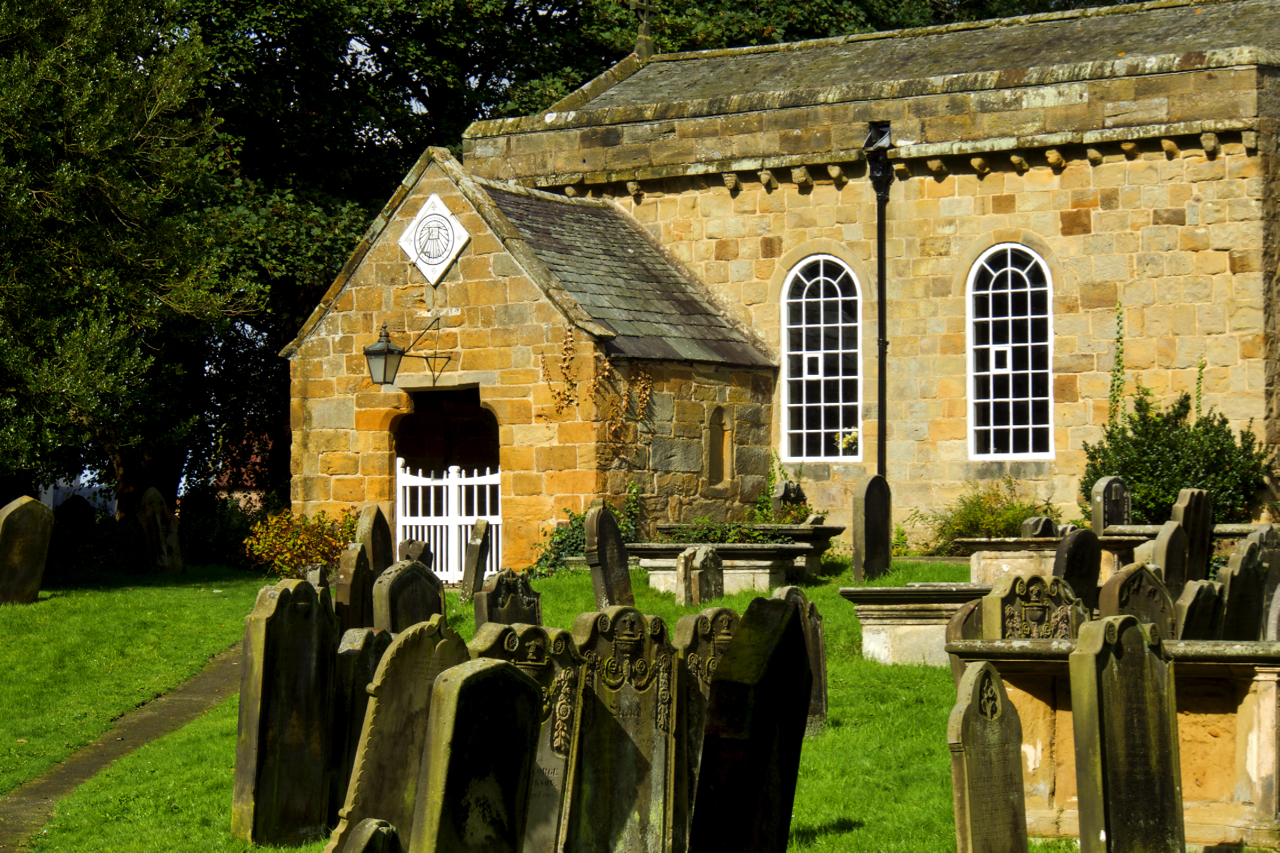
All Saints Church, Great Ayton
All Saints Church is tucked away behind the Conservation Club and only briefly visible from Yarm Lane. A brief glimpse then of sunlit sandstone as I cycled past on an otherwise overcast day. The church is Great Ayton’s original church. The main building is predominately 12thcentury but Pevsner, the renown architectural historian, suggests the walls contain fragments of masonry…
-
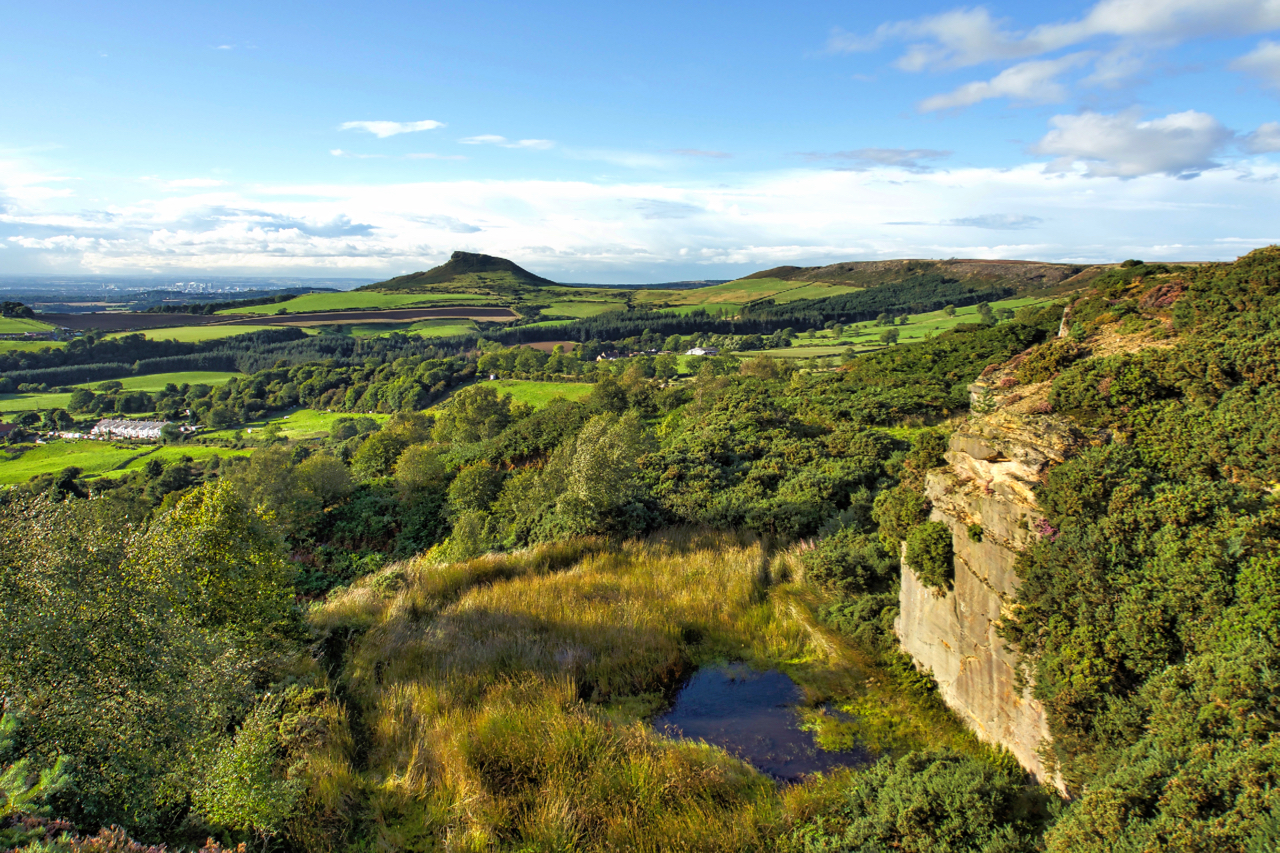
Cockshaw Quarry
A glorious evening, very autumnal although Autumn is still a week or so away. Cockshaw is a very abused part of the escarpment between Captain Cook’s Monument and Roseberry Topping. The sandstone cap was intensively quarried. Lower down the remains of a clamp, leaching pits and cisterns for the alum industry can be traced, except…
-
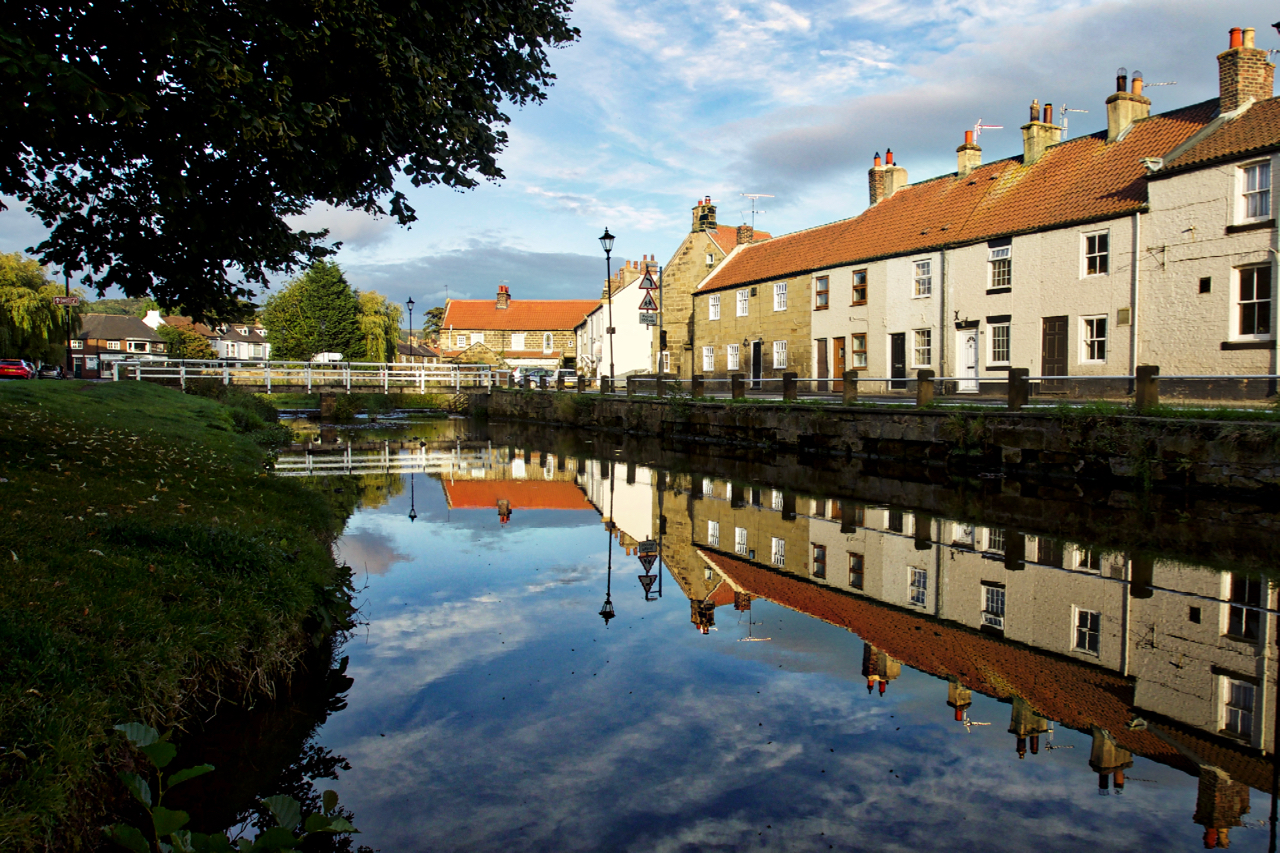
The Leven
A purling brook swift gliding from its fount, From Botton Head (that sterile, craggy cliff), The rill descends, meanders down the hill, The woody Hagg its course continues on, By Ingleby then gurgling through the meads, Loses its current, and the Leven joins; So runs the Leven down from Kildale’s brows, Thence falls to Easby,…
-
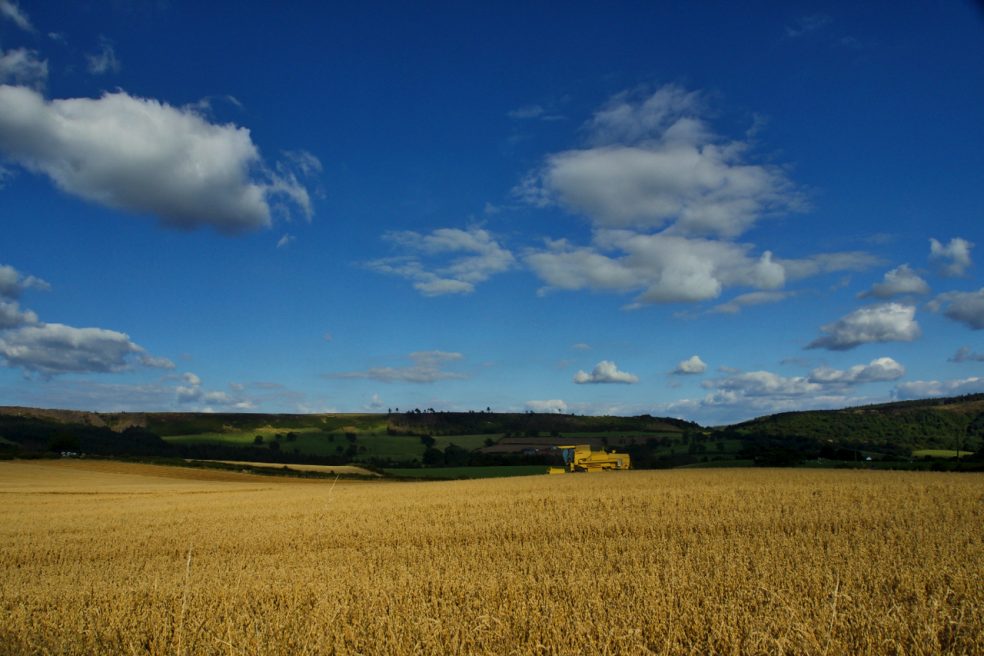
Blue sky, golden fields
Harvesting at Aireyholme Farm. Wheat I think. The skyline is the escarpment to Great Ayton with Gribdale Gate to the right.
-
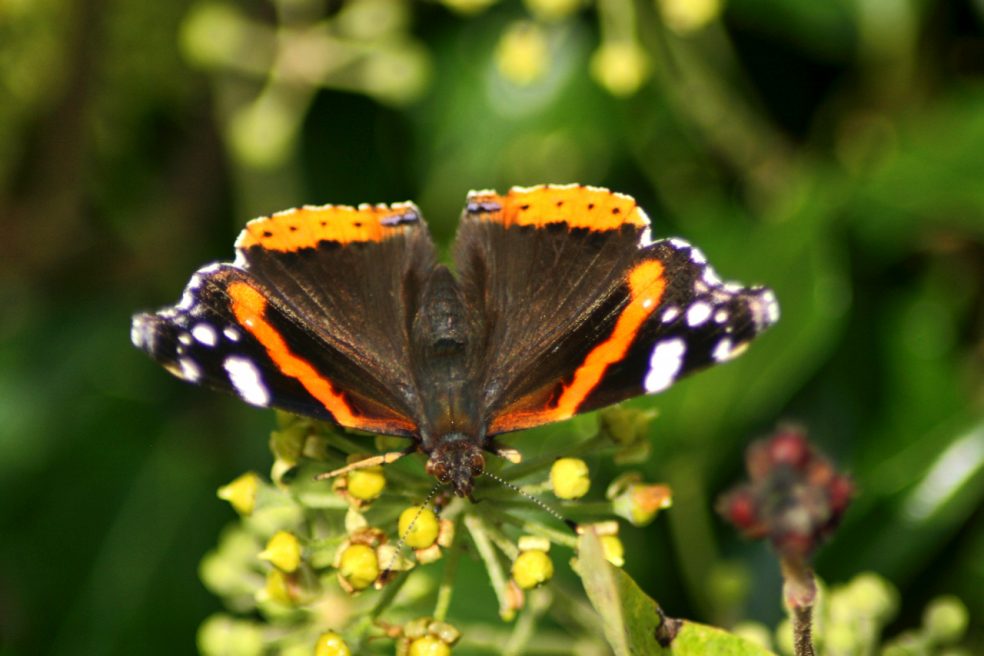
Red Admiral
I have’t noticed many butterflies this year. Has there been a shortage? This Red Admiral was fluttering about the ivy flowers on a hedge on Dykes Lane at Gribdale. It’s one of the last butterflies to be seen before winter sets in. Arriving in the spring from the continent nettles are a major food source for its caterpillars.…
-
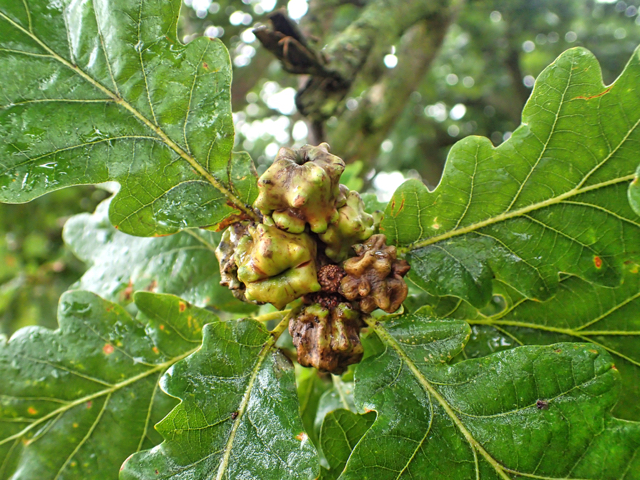
The complicated sex life of the Knopper gall wasp
Almost three hundred species of insect are associated with the oak tree. And that doesn’t include over 400 species of mites. One of these is a tiny wasp, Andricus quercuscalicis, which lays its eggs in the Spring in the buds of our native oak tree. This results in a woody growth or gall being formed between the…
-
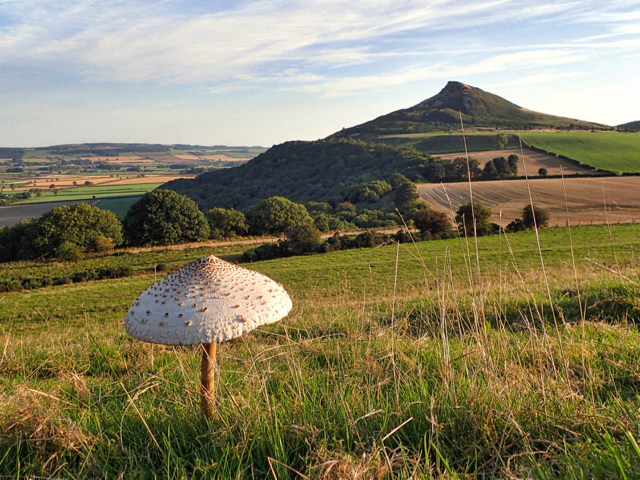
Parasol Mushroom, Roseberry
I love mushrooms. Sautéed in butter with a hint of garlic. And if this is a Parasol Mushroom, Macrolepiota procera, it is reputed to be one of the best to eat. But if it’s a False Parasol, Chlorophyllum molybdites, I would be in trouble as it’s poisonous. Although native to North America it has been found in Scotland. Or then it could…
-
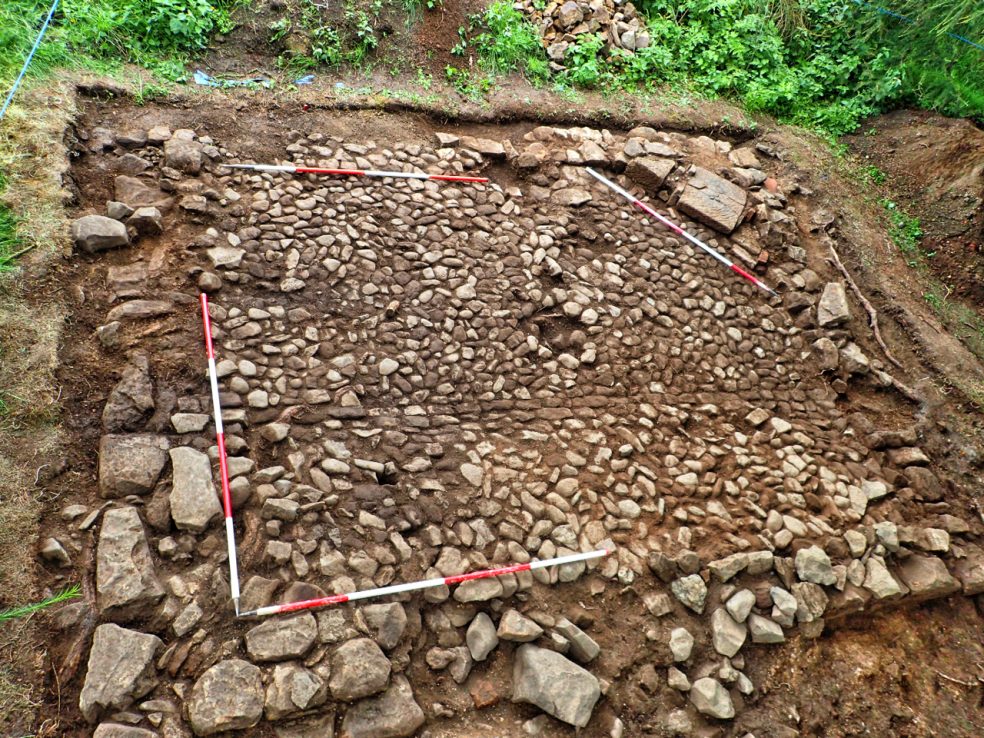
Capt. Cooks’ Cottage Archaelogical Dig
That’s it. That’s as far as we go. The archaeological excavation at Aireyholme Farm, near Great Ayton, is done. Today has been spent tidying and cleaning for photographing and recording. Going on the evidence of oral tradition of the farmer at Aireyholme that the boyhood home of Capt. James Cook was within a stand of…