Category: Great Ayton
-
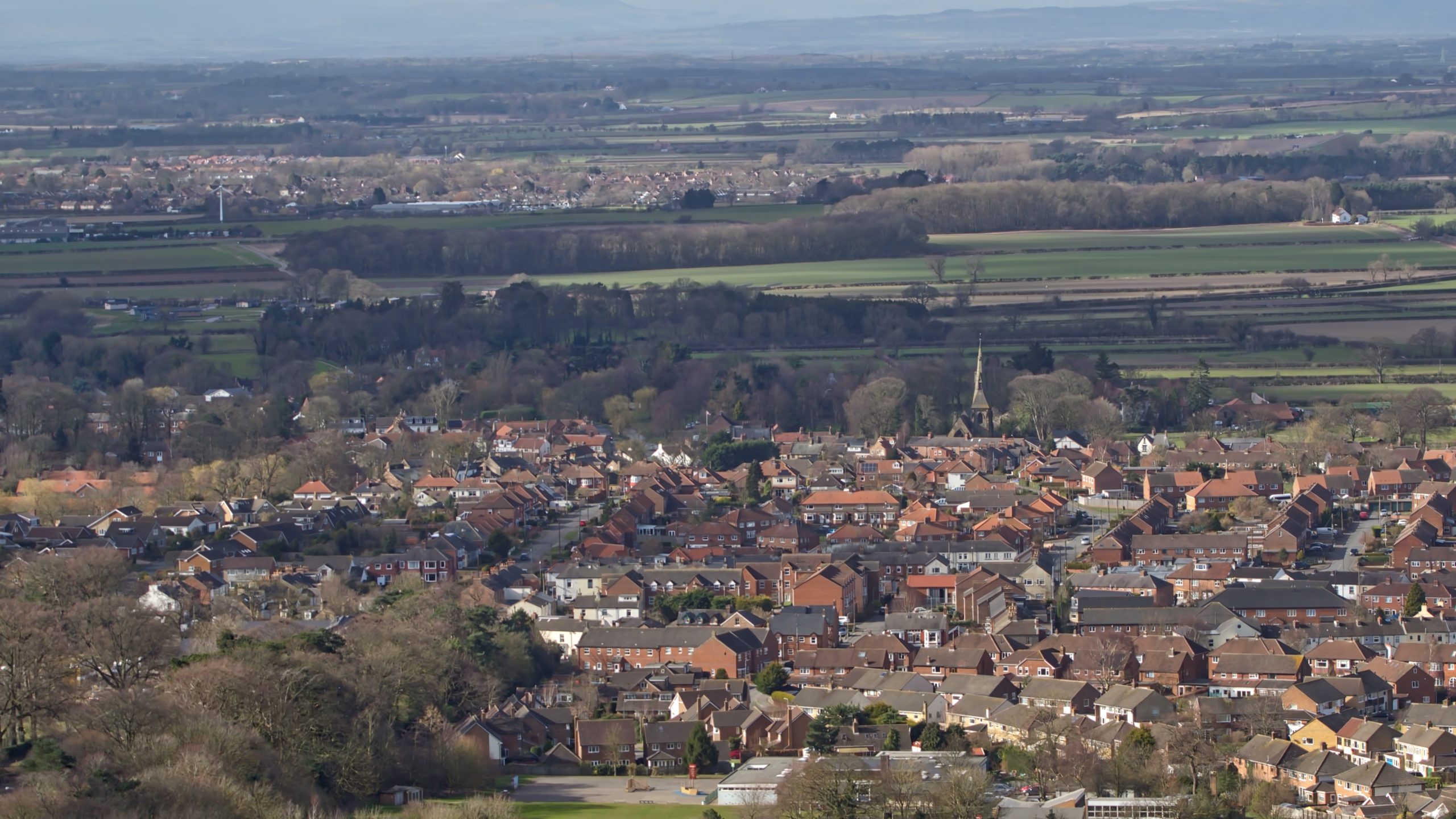
What, will these hands ne’er be clean?
The current concern with the Coronavirus disease has been much compared to the 1918 influenza pandemic. Although this is commonly known as the Spanish Flu, current thinking is that the first cases were in 1916 in the field hospitals of the Western Front. By the time it had run its course it is estimated that…
-
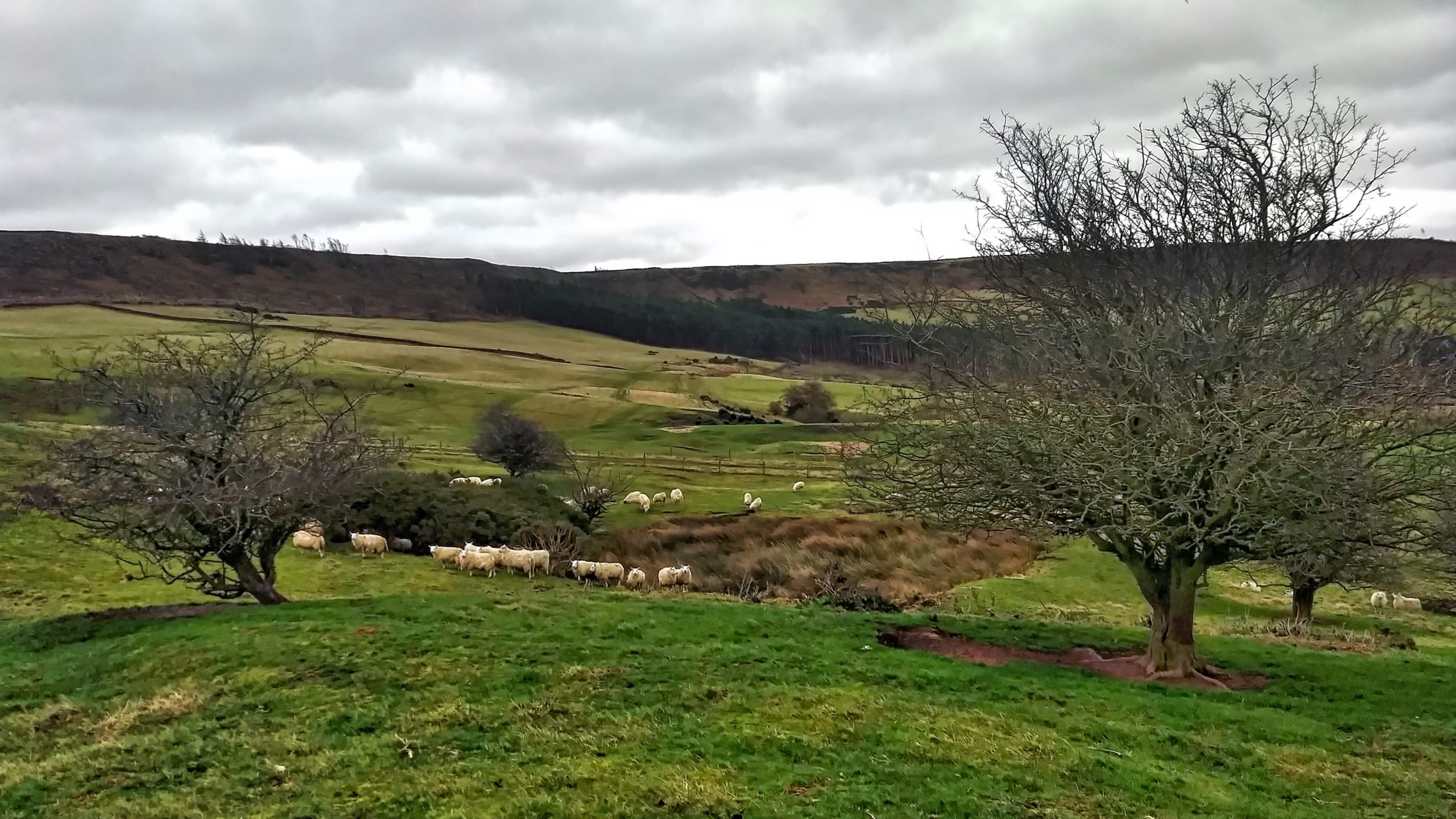
Roseberry Mine Reservoir
Operations at the Roseberry Ironstone Mine would have been dependent on steam power. In the 1931 public auction when the mining equipment was sold off, the lots included 2 hauling engines, 1 compressor, 1 fan engine, 4 boilers, and 2 pumping engines. To supply all these steam engines with sufficient water a reservoir was built 25 feet on the slope…
-
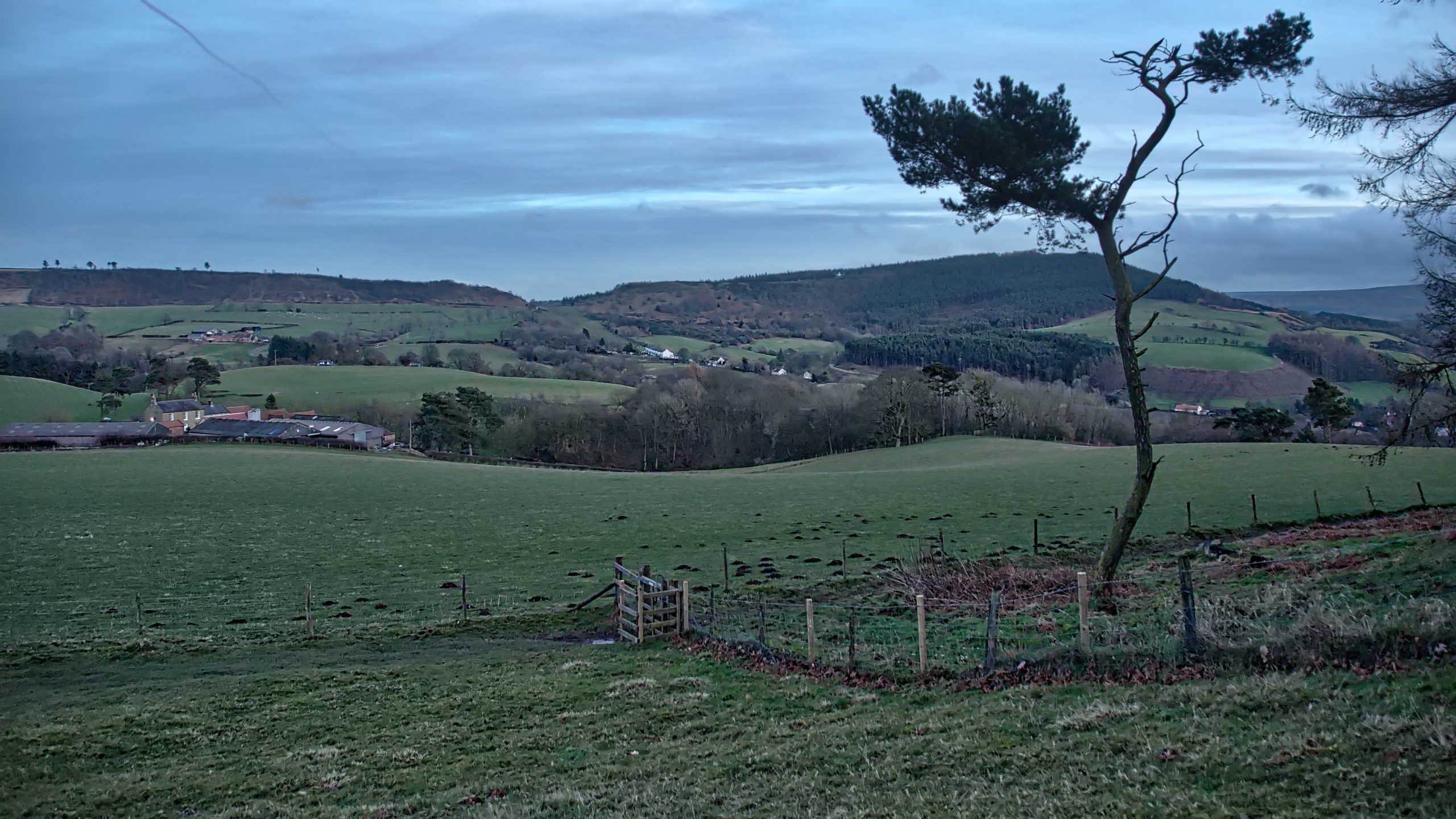
14th February 1779 – Death of Capt. Cook in Kealakekua Bay, Hawaii
I can not let St. Valentine’s Day pass without a mention of Captain James Cook R.N., Great Ayton’s most famous son, who was killed on this day in 1779 in Kealakekua Bay, Hawai’i. He is remembered as a hero, a great explorer, navigator, cartographer, “discoverer” of New Zealand. Ayton was his boyhood home, his father…
-
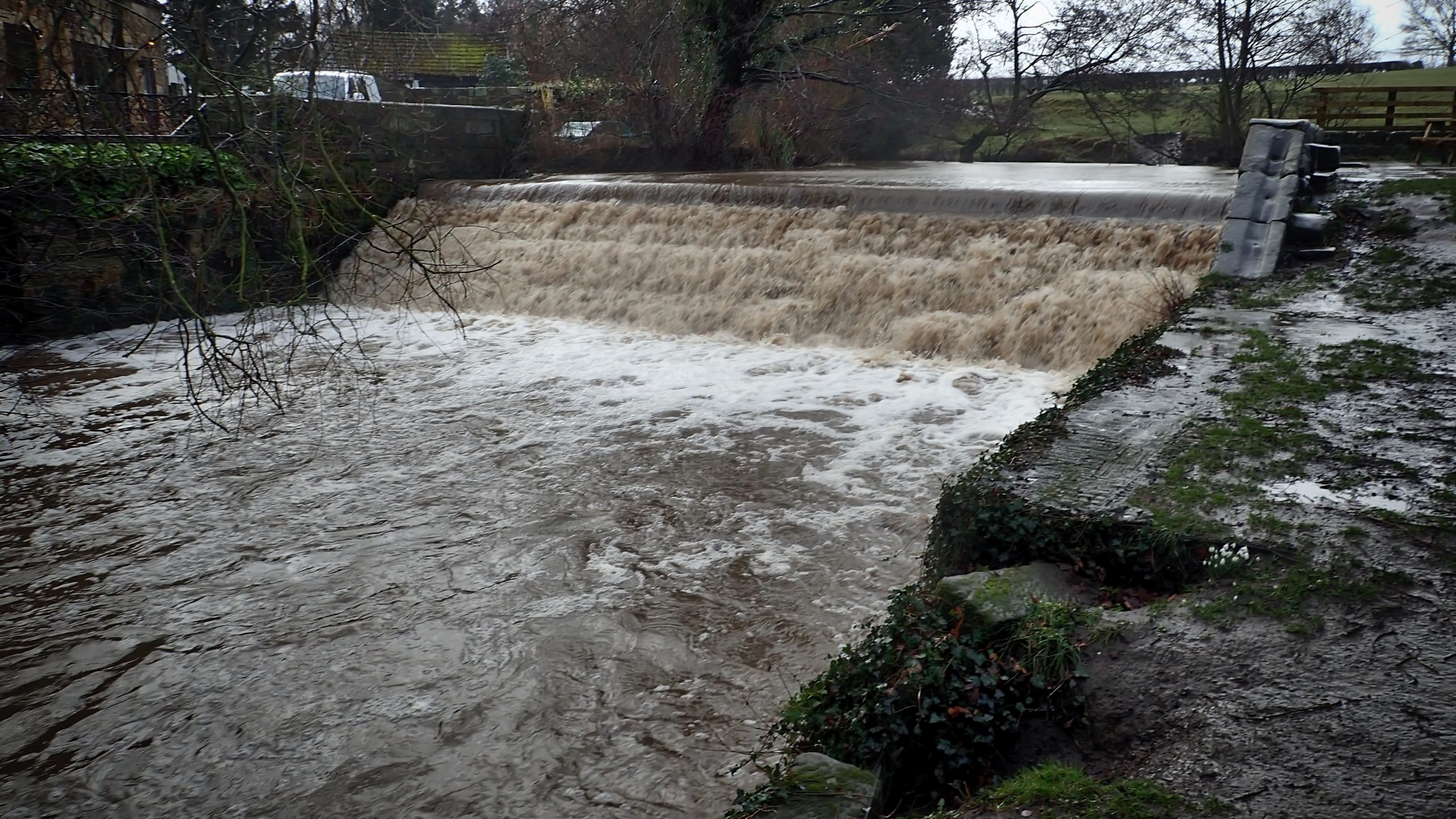
The star attraction in Great Ayton’s Waterfall Park
A snatched photo before the lens fogged up. The Leven’s high, few hardy souls about, the paths awash with flowing streams. In Newton Wood, I disturb flocks of wooshats sheltering from the storm. Returning home so wet and battered, I feel I’ve been through the washing machine. Ah, kissed by Ciara. Except, of course, it’s…
-
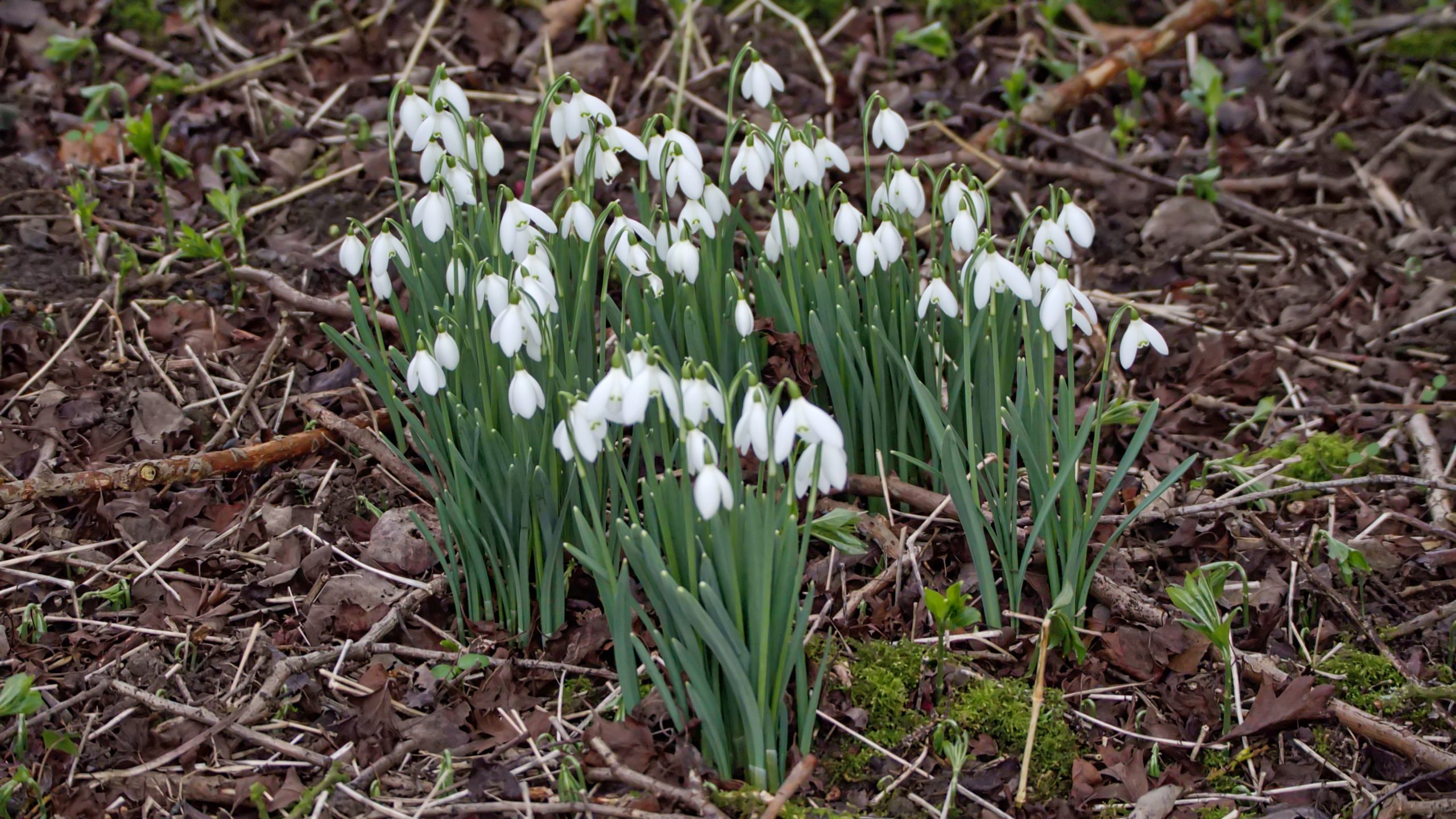
Parting is such sweet sorrow
Shakespeare understood. He has Juliet say these words to say goodbye to Romeo. Their parting is full of sorrow but looks sweet as it gives them pleasure in the hope that they will see each other again in the morning. And a little alliteration does make it sound better. “Goodbye”, of course, is a valediction,…
-
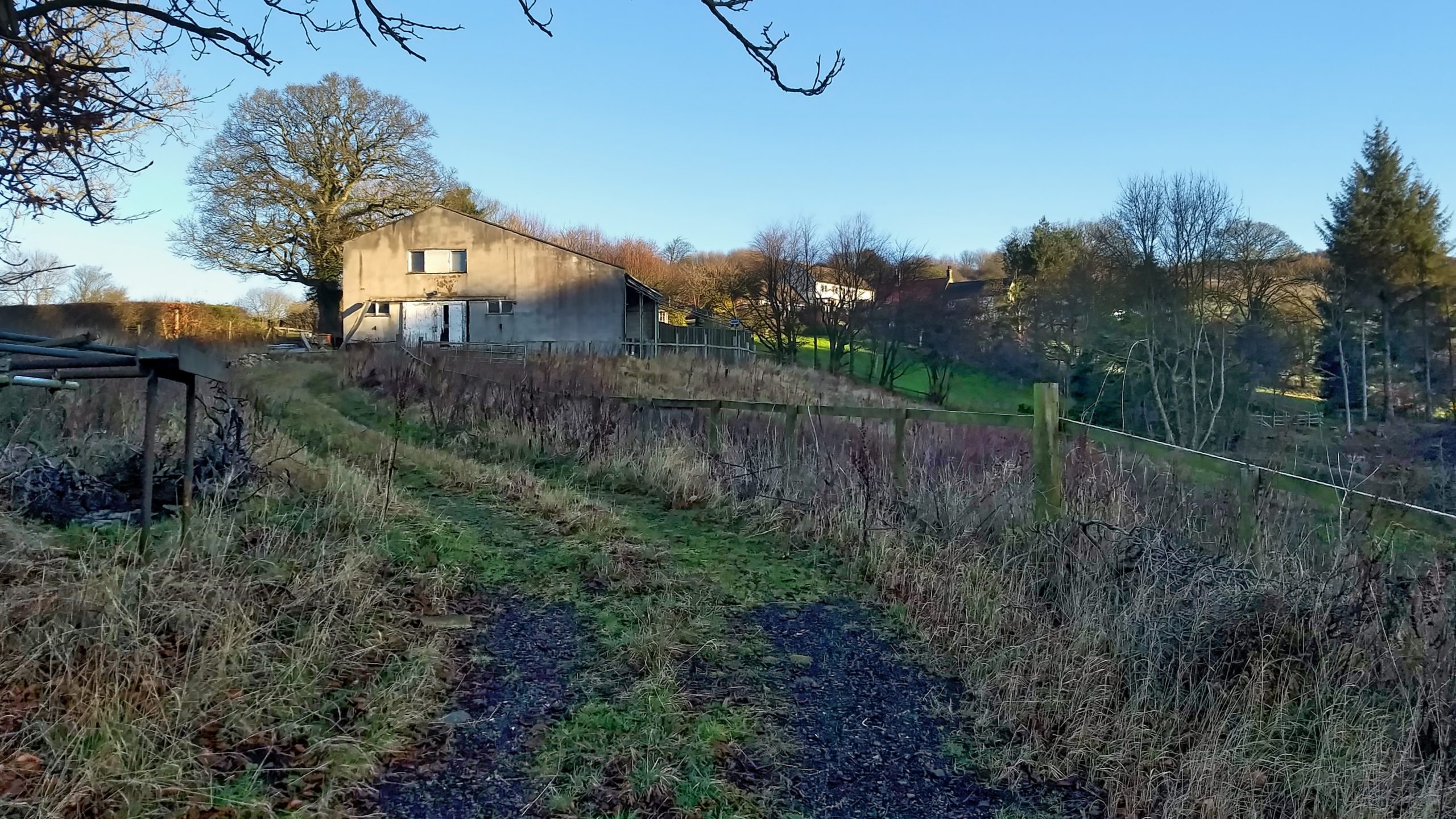
Former “Equine Trecking Cente”
A photo taken for posterity. This former “Equine Trecking Cente” (sic) on Dikes Lane below Gribdale Terrace has planning permission to be converted into a “Cycle Hire Shop, Cafe and Holiday Accommodation”. It was built in 1973 as an equine trekking centre with car parking for 20 cars but I can not remember it ever…
-
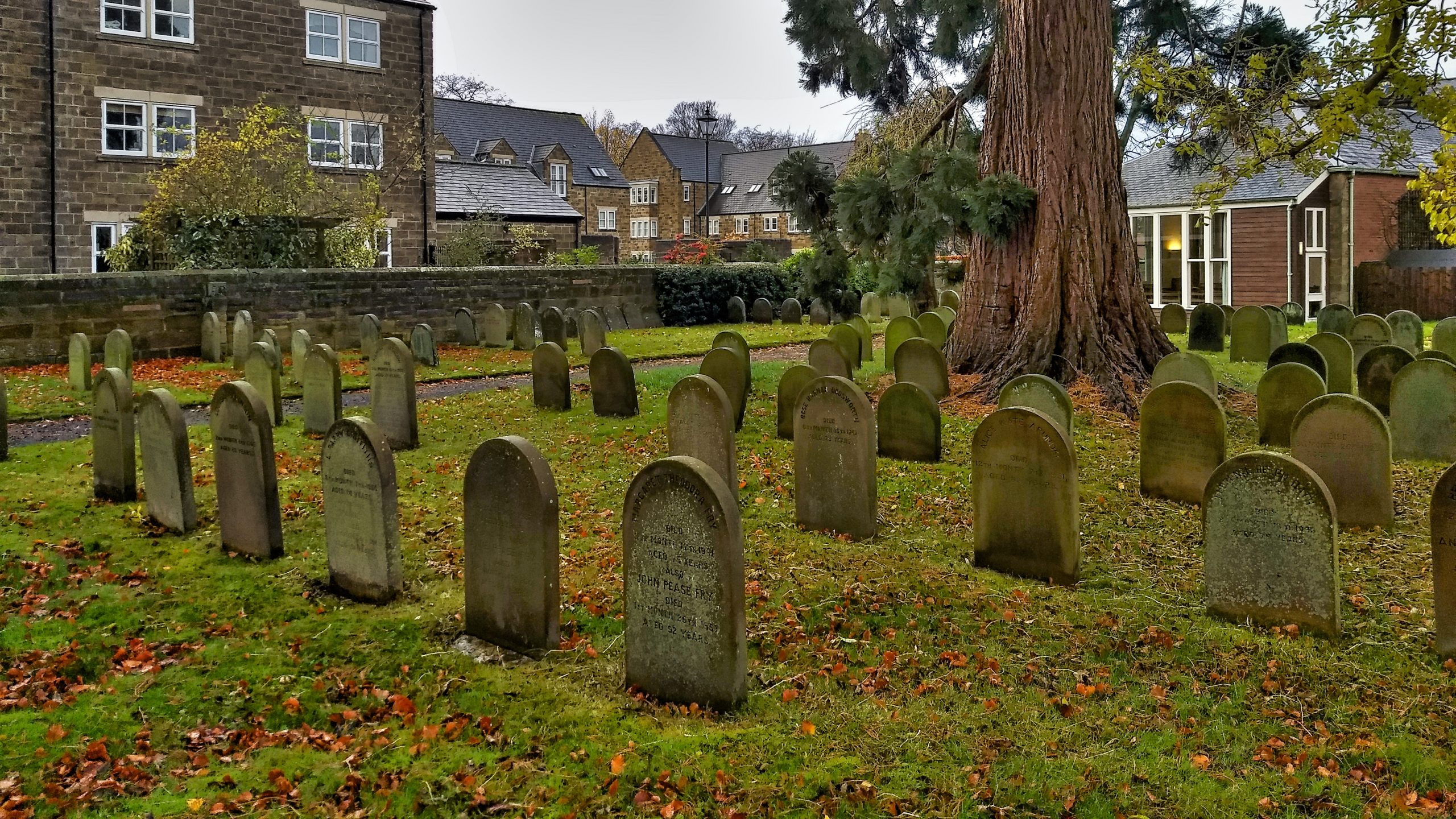
Quaker Graveyard, Great Ayton
Quakerism began to attract support in the North York Moors soon after its emergence after the Civil war in the mid-17th-century. Almost every dale would have its populace often sizeable and with their industrious philosophy, many soon became highly successful farmers. There is a record of George Fox, the founder of Quakerism, visiting Danby Dale.…
-
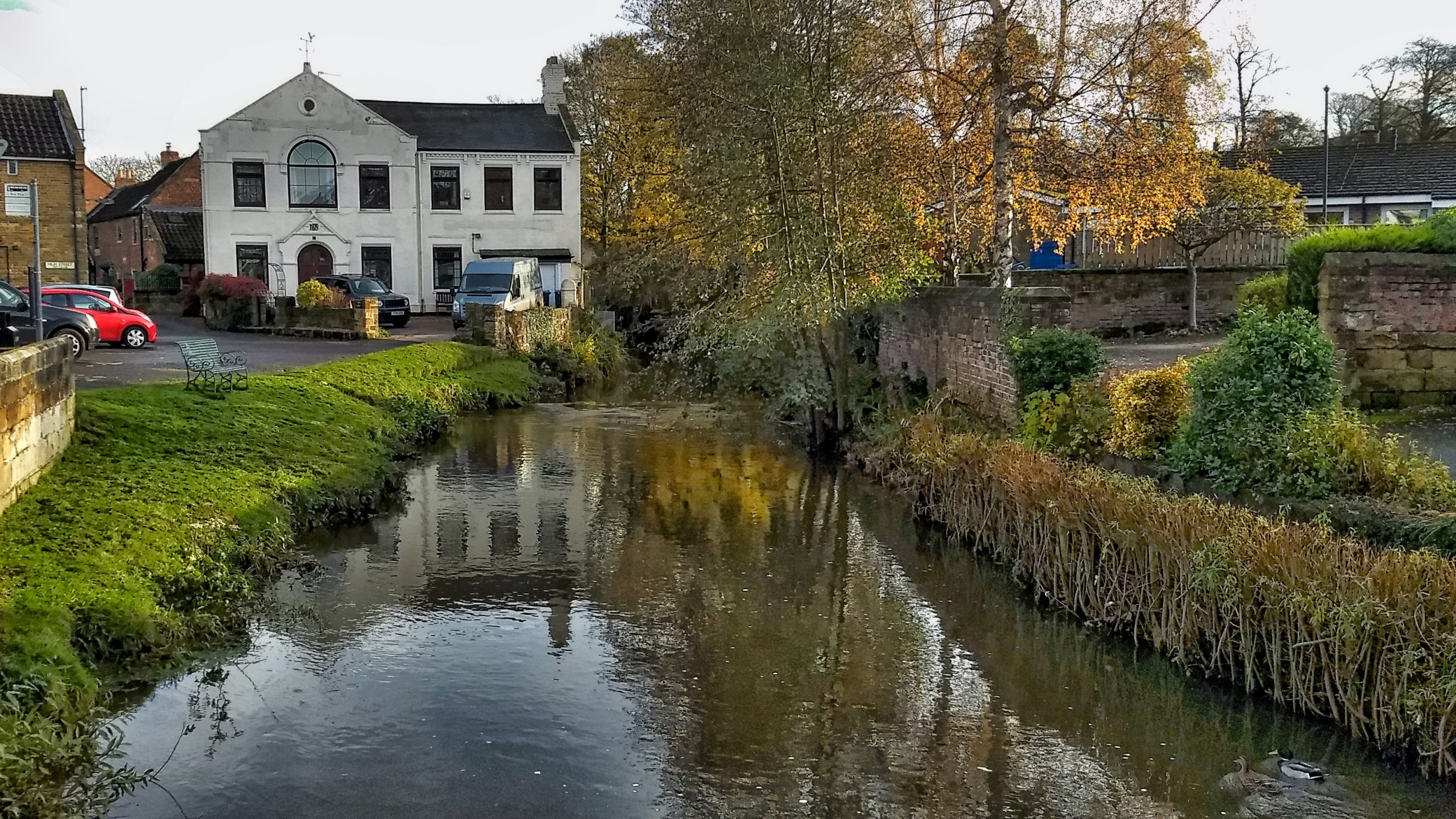
River Leven and the Hinmers Congregational Chapel
A few tentative steps down the village. With a heightened sense of awareness of, while not major obstacles, they are nevertheless unwelcome. Slippy rotting leaves, inconsiderate parking blocking half the pavement, dog crap, indeed the mere anxiety of a frisky dog even if on a lead. “He won’t hurt you”. A realisation of the problems…
-
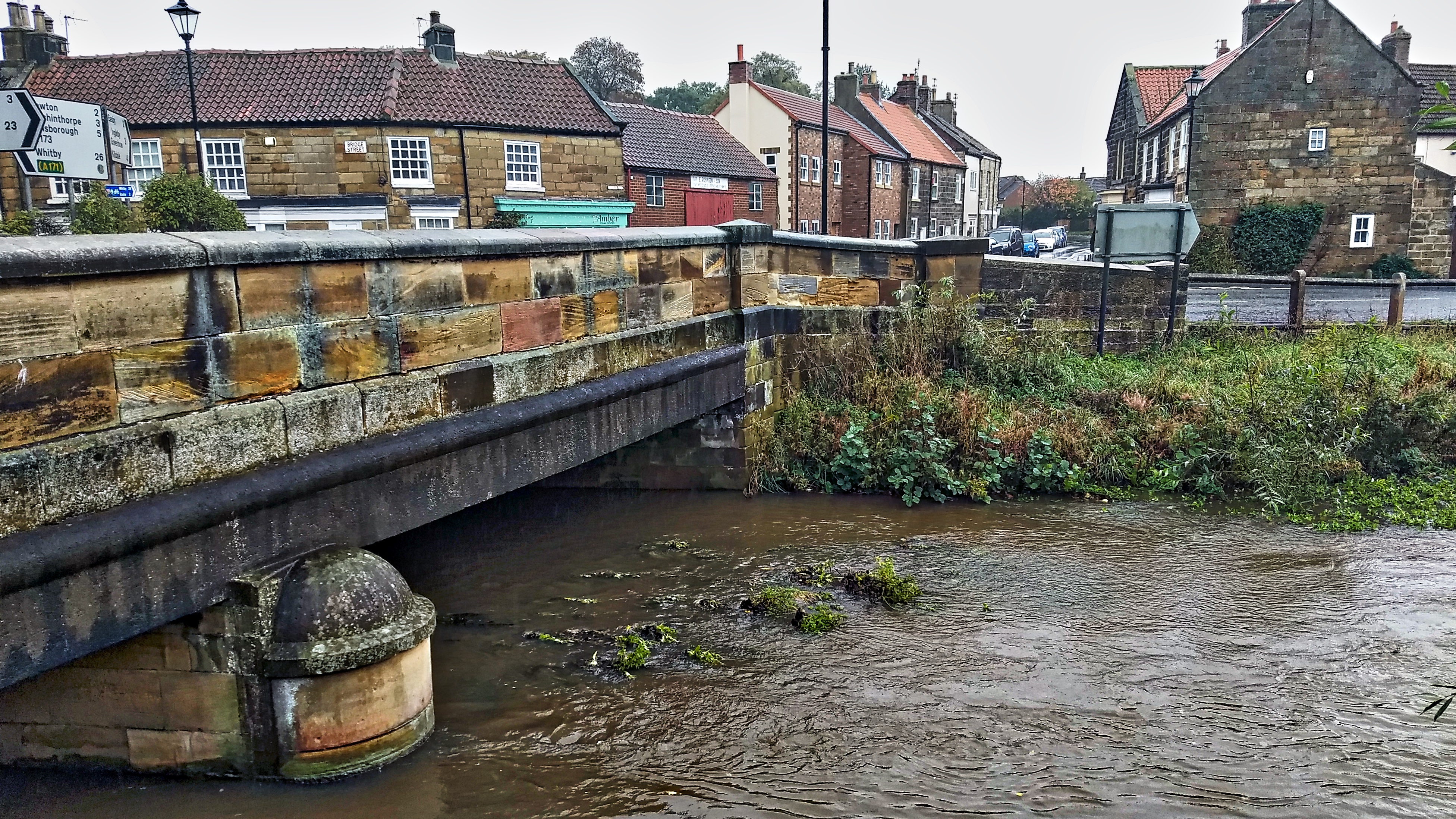
Great Ayton Bridge
Another drizzly misty morning so came back through the village. Ayton’s bridge over the River Leven was built in 1909 replacing an earlier humpbacked one. There has been a lot of rain overnight and the river is high. But I really wanted to photograph Easby Lane. That’s it, a residential road heading off in the…
-
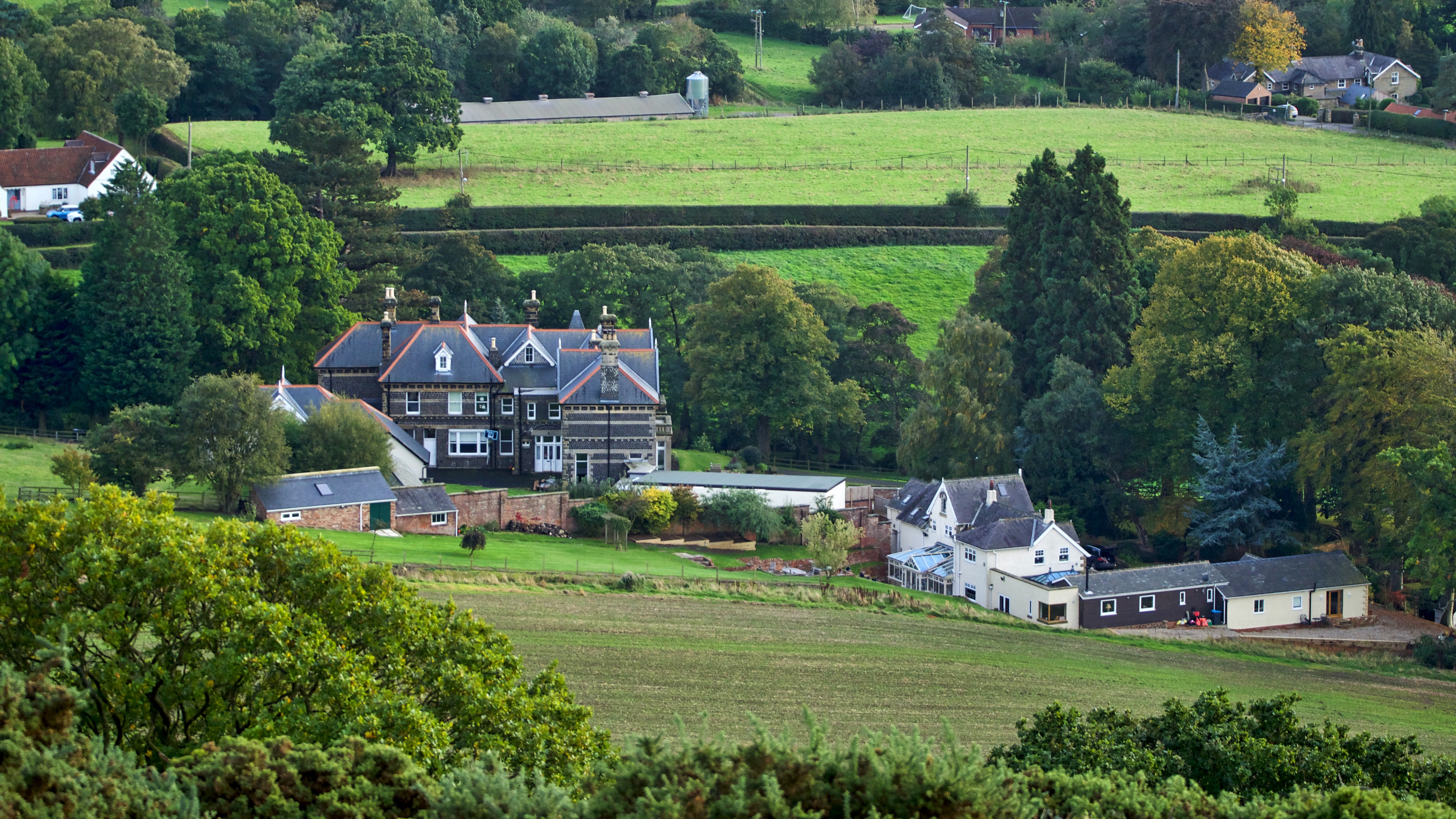
Undercliffe Hall
I have posted many times about the whinstone quarry at Cliff Rigg near Great Ayton. It was a major industry for the village. The whinstone was an extremely hard basalt rock and used mainly for road surfacing. It could be knapped into setts and it was frequently said that the streets of Leeds were cobbled…