Category: East Cleveland
-

Stagnant Ponds No More
Moorsholm Docks do not often see me cycling past, which is a shame, since the place has a story worth telling more than once. These six sunken sandstone troughs sit along the High Street of a village that could not look more like a postcard if it tried. This time round, a collared dove stood…
-

Cattersty Cliffs, Not Quite Jurassic
Ironstone was found at Skinningrove in 1847, and the Cleveland coast has not looked back since. By 1874 the Loftus Iron Company had two blast furnaces lit and roaring above the village, built on land leased from the Maynard estate. Boom turned to bust within three years. The company went under, sold at auction in…
-
Is the East Cleveland Rail Link Worth the Risk?
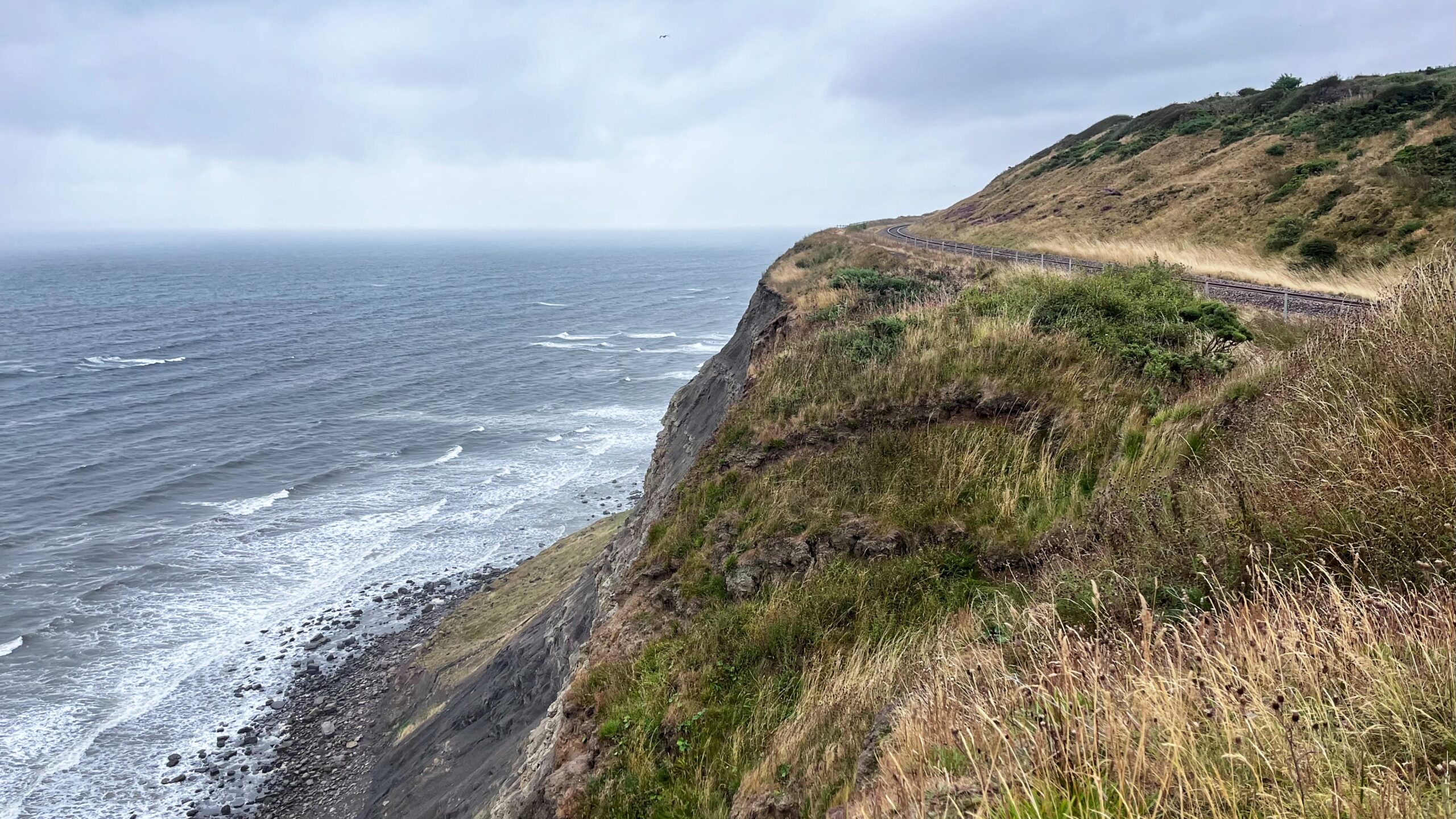
Restoring passenger rail to East Cleveland is a dream that has flickered in and out of local politics since the last carriage left in 1960. Connecting isolated coastal villages, boosting tourism, “levelling up” a corner of the world that feels forgotten. Lovely stuff, on paper. Geology does not care about lovely stuff. The Tees Valley…
-
Grinding Up Saltburn Bank
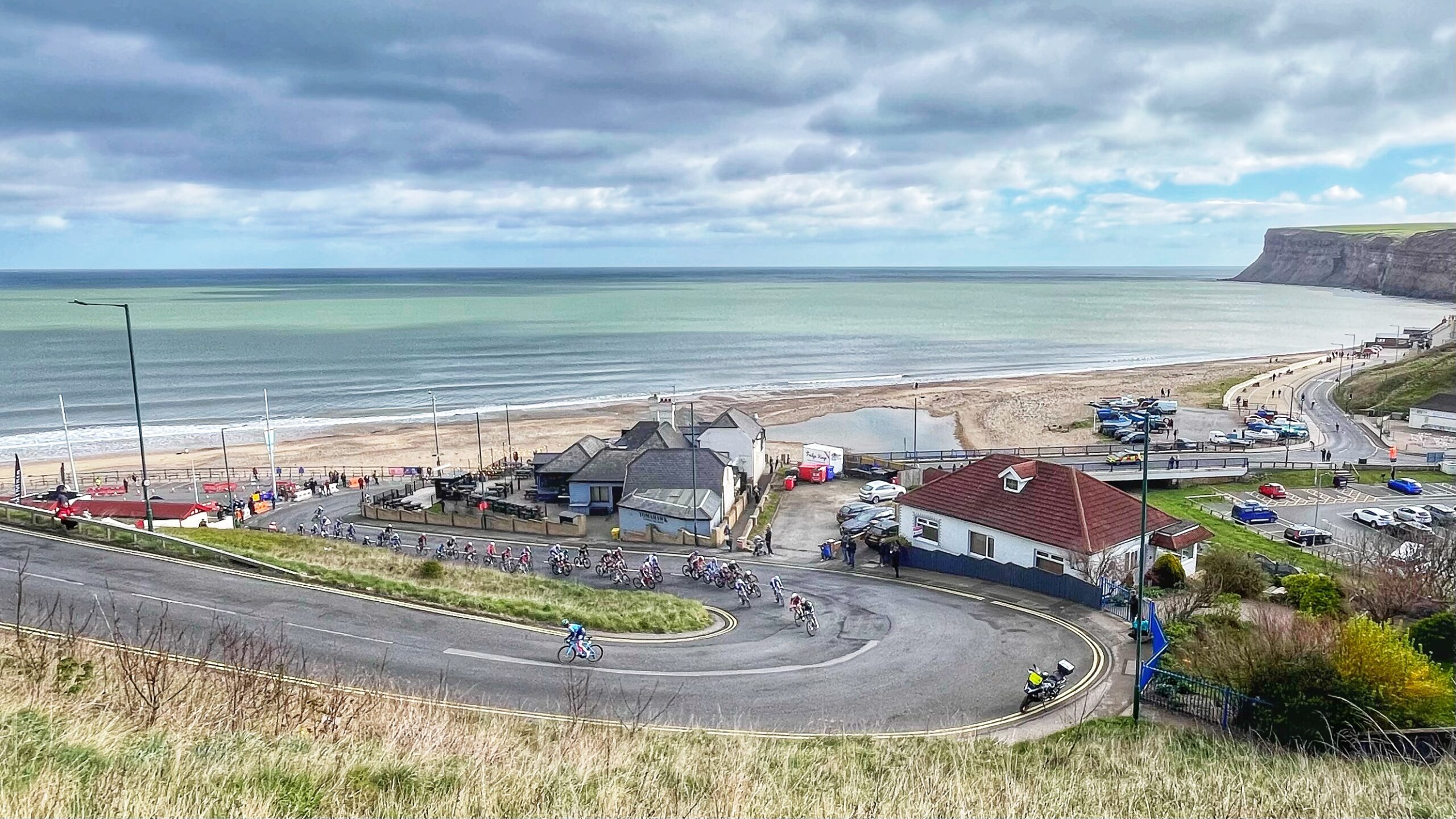
These female athletes are grinding up Saltburn Bank in the 2026 East Cleveland Classic cycle race. They look powerful, focused, and gloriously free. In the 1890s, those same faces would have been handed a medical diagnosis. Doctors called it “Bicycle Face”. Victorian critics insisted that women’s “delicate” bodies were simply not built for the bicycle.…
-
Skinningrove: Facebook History and Other Unreliable Gossip
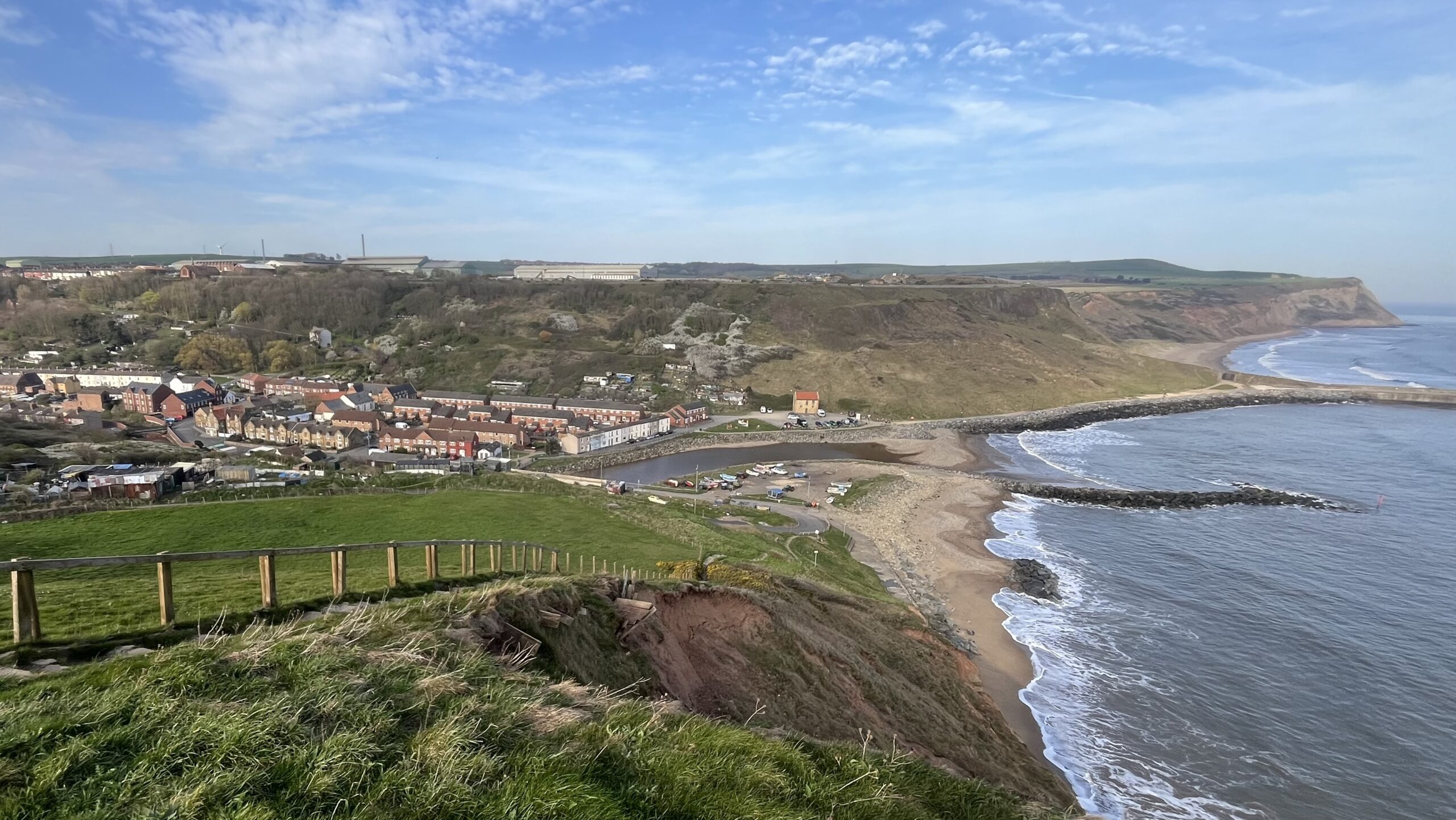
Yesterday’s descent of Hummersea Cliff into Skinningrove. Terraced houses cluster around Kilton Beck where it meets Cattersty Sands. Rocky breakwaters hold back the North Sea, which is doing its level best to reclaim the shore. The wooden shoring in the foreground is losing an argument with coastal erosion. Will this be the first instance of…
-
Lewis Hunton: The Boy Who Read the Rocks
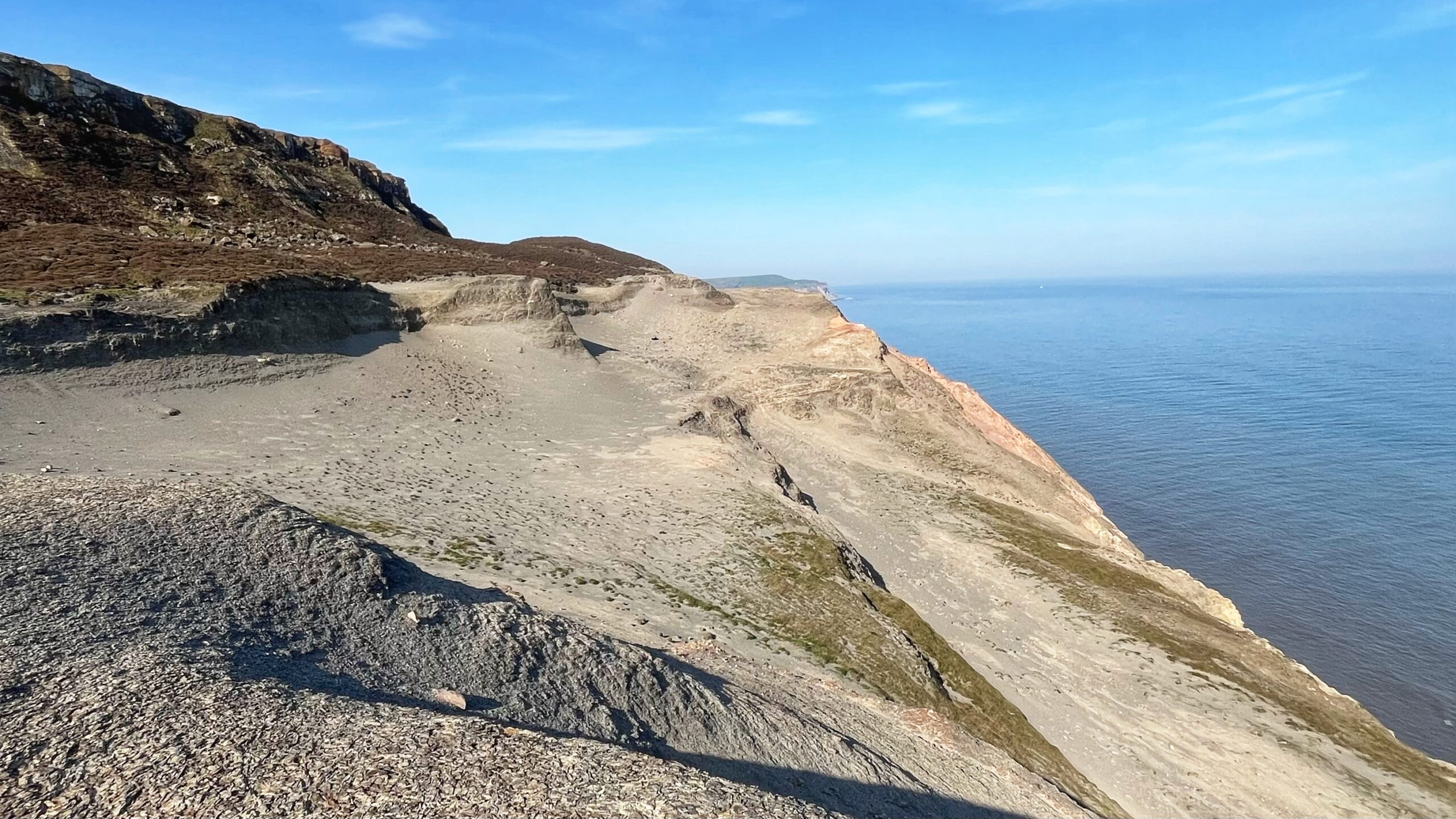
Stand on the site of the old Loftus Alum Works and you feel rather small. These 213-metre cliffs are not pretty. For centuries, workers burned shale and processed aluminium sulphate here, poisoning the ground so thoroughly that almost nothing grows. The place looks dead. It seems more of the remains of the seeping pits and…
-
Lieutenant Wilfred Littleboy: Remembered on the Day he Fell, 9 October 1917
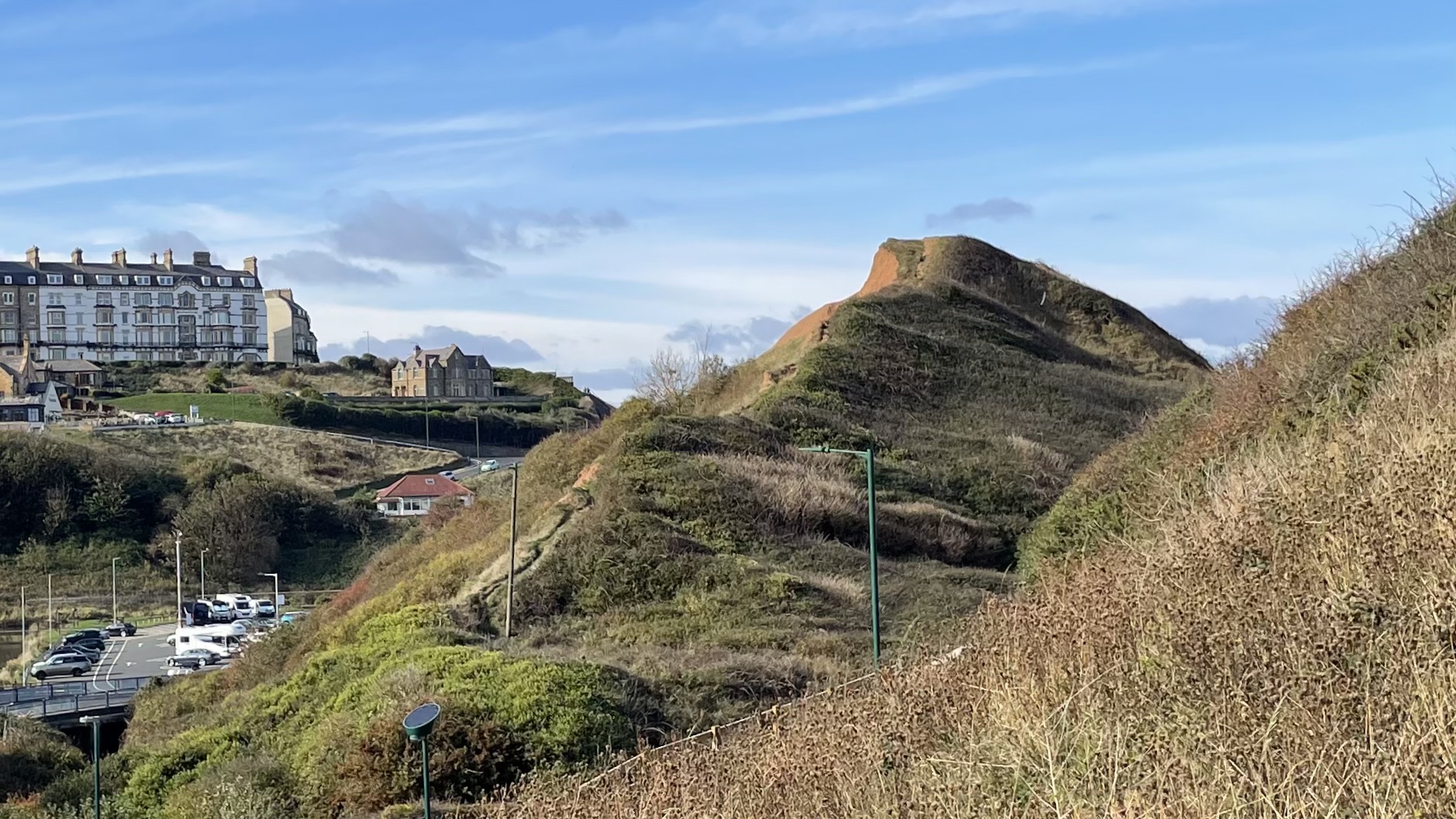
No one can say for certain whether young Wilfred Littleboy ever scrambled down the steep bank to cross the new bridge over Skelton Beck and wander into Old Saltburn, with its whitewashed cottages huddled beneath Cat Nab and the gaiety of its fairground by the sea. It is difficult to picture a spirited boy resisting…
-
Along the Howl: Echoes of Old Marske
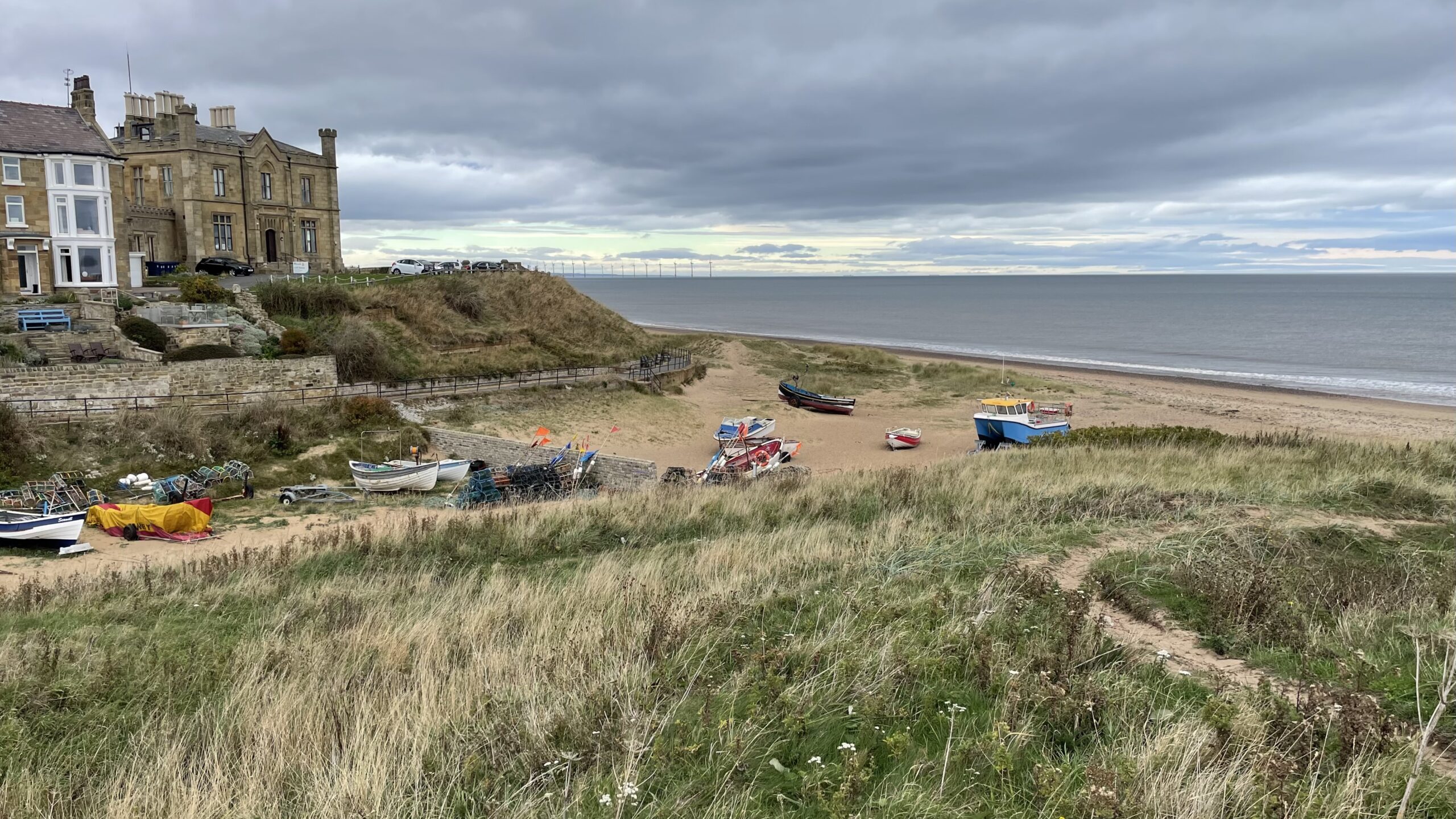
Marske can justly claim to be among the oldest settlements on the Cleveland coast. The lonely tower of St Germain, with its small cemetery, stands upon ground that has been holy for some fourteen centuries, the first church being raised there in the Saxon age. For many generations, worshippers from Redcar and Coatham made their…
-
The Parched Pond of Margrove
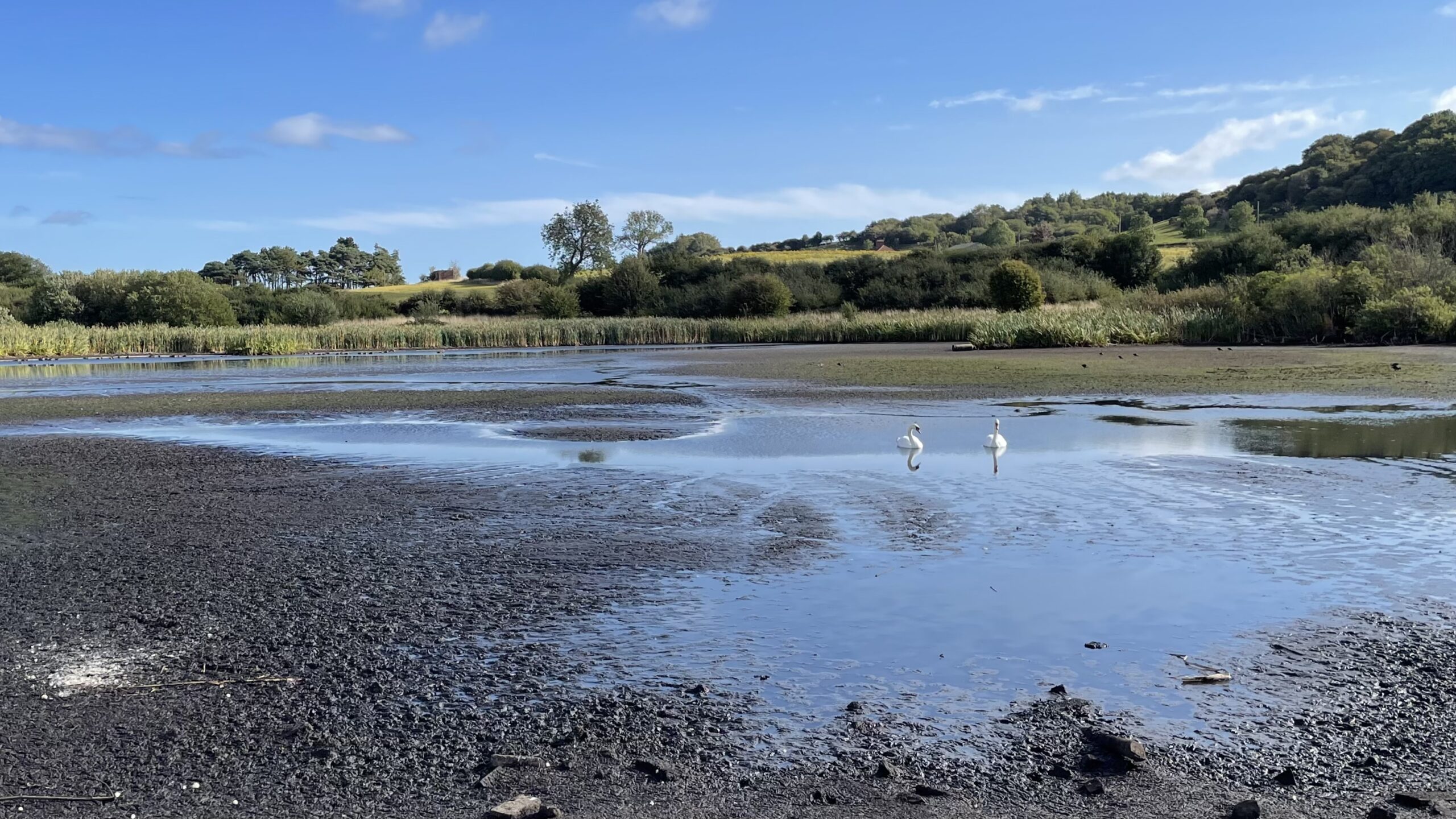
Two swans drift across the shrunken waters of Margrove Pond, looking strangely out of place in a wetland that has seen so much reshaping and had so much optimism. This 18-acre site, given to the Cleveland Wildlife Trust in 1993, lies on land once called “The Carrs,” a name that simply meant swampy ground. The…
-
The Lingdale Mine Disaster of 1953
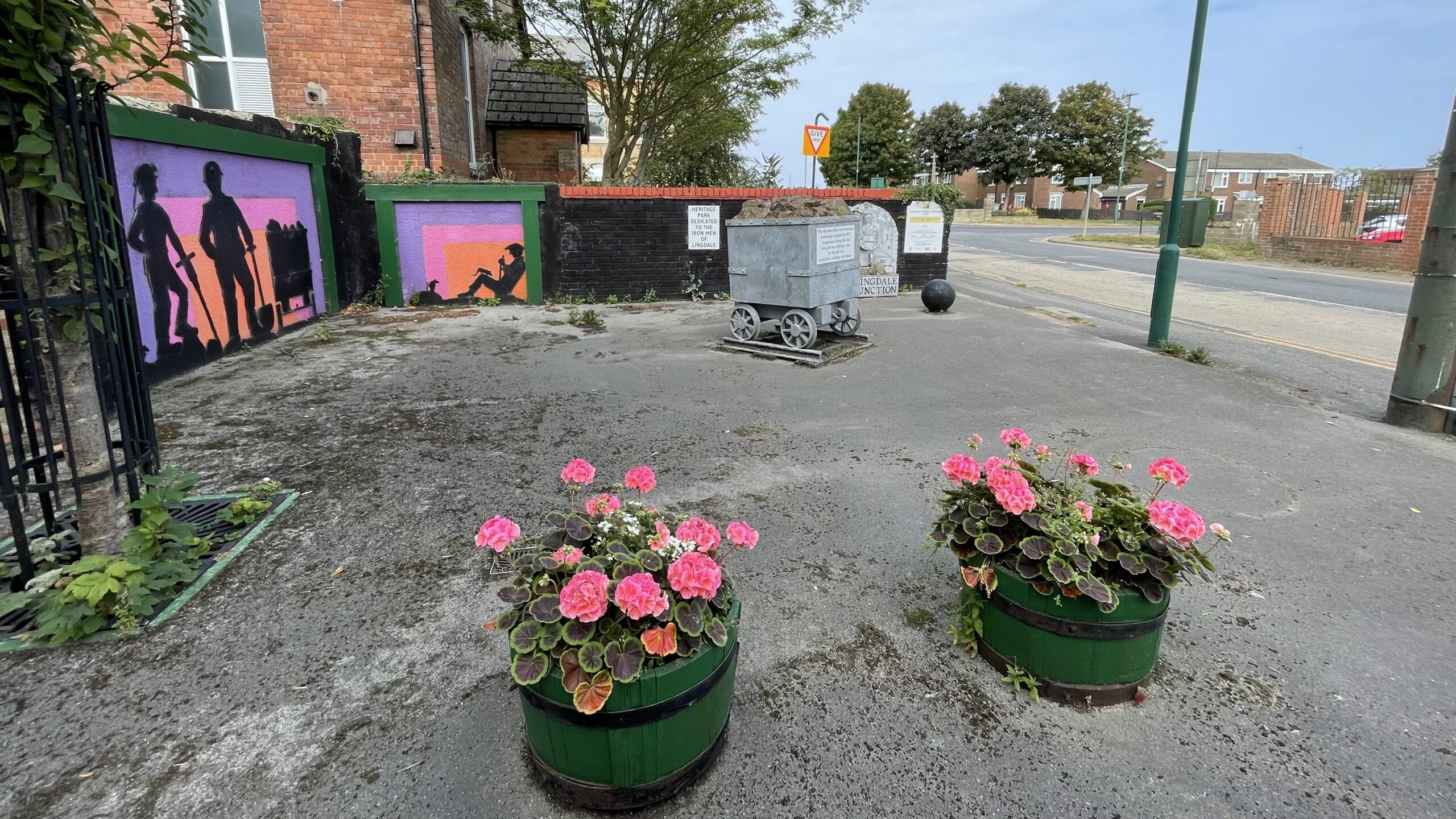
On this day in 1953, Cleveland suffered its worst ironstone mining disaster. At Lingdale Mine, an explosion claimed the lives of eight men. The blast was sparked when the flame of an acetylene lamp ignited gas released by a rockfall deep underground. The morning shift had been underway when the fall occurred, 180 metres below…