Category: Cleveland Way
-
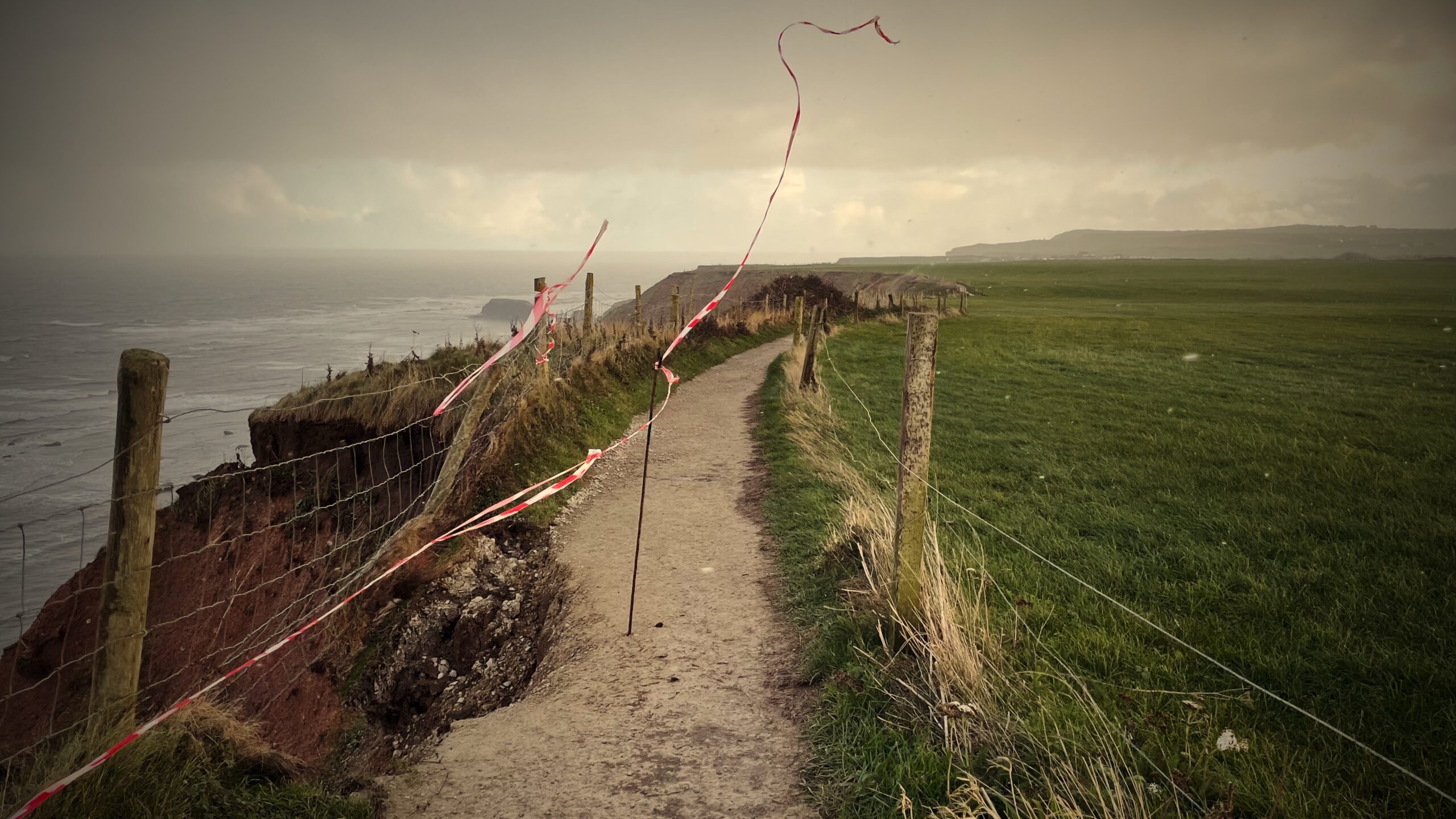
The Cleveland Way: A Slow March Into The Sea
One from Tuesday’s little jaunt to Whitby. I had fancied a stroll along the coastal path to Saltwick, though the weather had other ideas. A mischievous wind and a steady parade of squalls were doing their utmost to suggest that I might prefer to remain upright. The path here is crumbling with admirable enthusiasm. One…
-
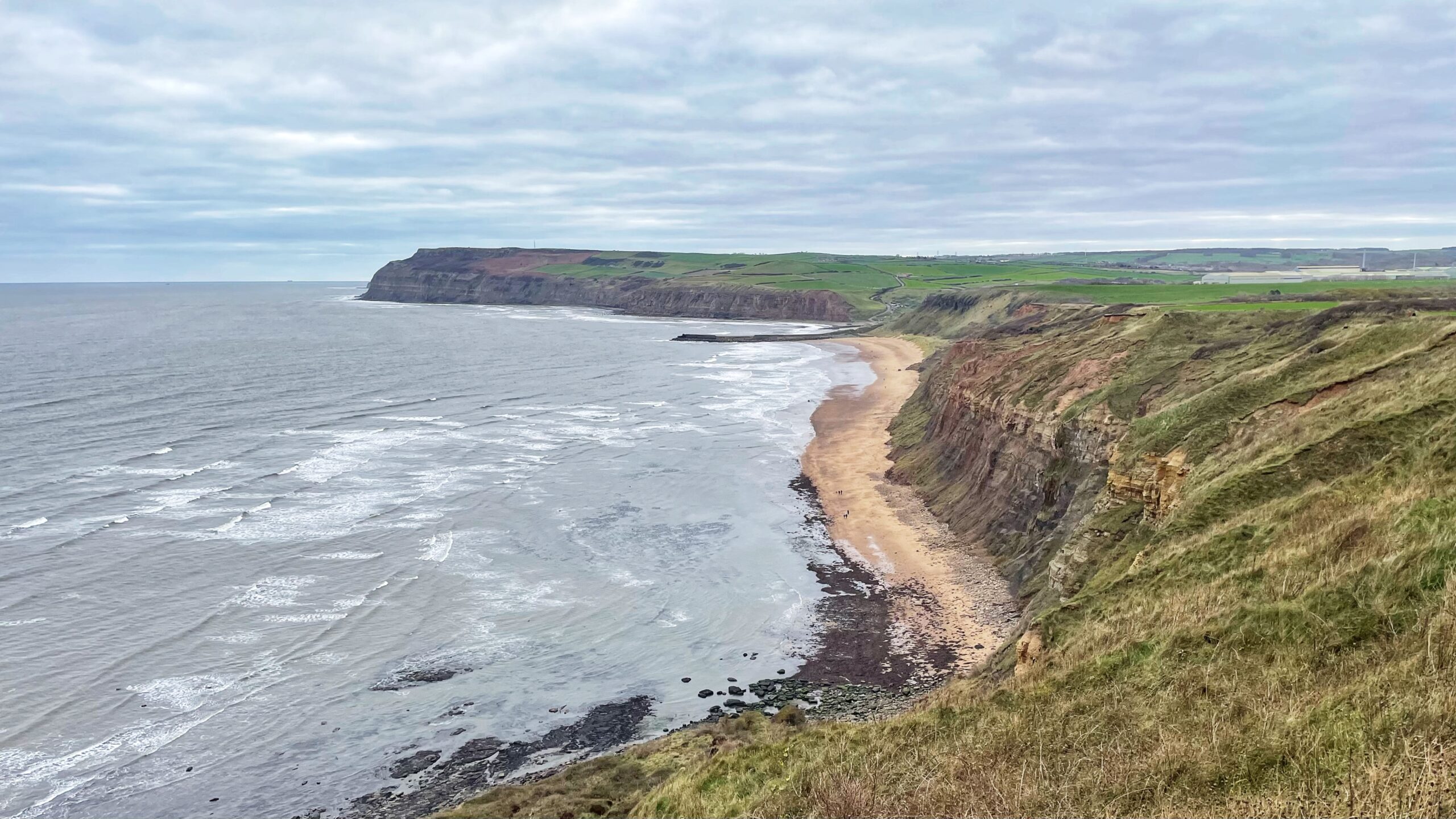
The Lost Path of Jackdaw Crag
Just along the coast from where the Cleveland Way passes by the mineral railway, far too close to the shear drop for comfort, past the Charm Bracelet sculpture the cliff becomes deceptively less steep. Here walkers might breath a sigh of relief. Yet somewhere below, hidden from view, lies Jackdaw Crag, no doubt once favoured…
-

Under the Beech: Kildale’s Tribute to the Fallen of WW2
In the quiet heart of Kildale stands this modest stone shelter. Walkers on the Cleveland Way pause here to rest, unwrap their sandwiches, and watch the rain fall. Each morning, local children gather beneath its roof, waiting for the school buses to Stokesley or Ingleby Greenhow, their laughter echoing through the valley. Today, it also…
-
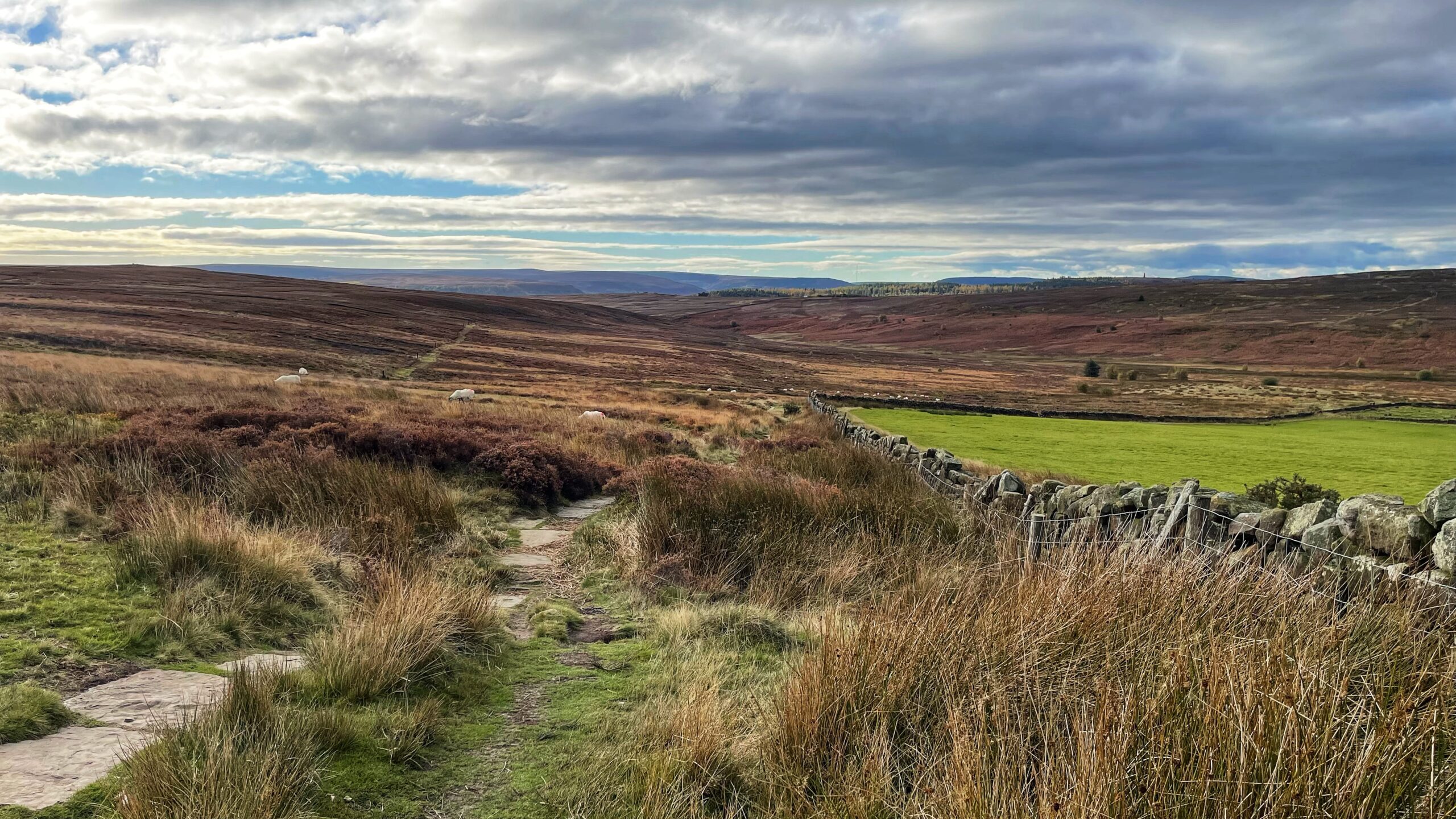
Daylight Saving: An Experiment in Collective Jet Lag
Every autumn, we perform our favorite ritual of self-sabotage: we change the clocks and then act surprised when our bodies protest. The great “extra hour of sleep” myth returns, while our circadian systems quietly implode. And tonight’s the night, as the clocks are about to jump back, our bodies will begin their hormonal bedtime symphony.…
-
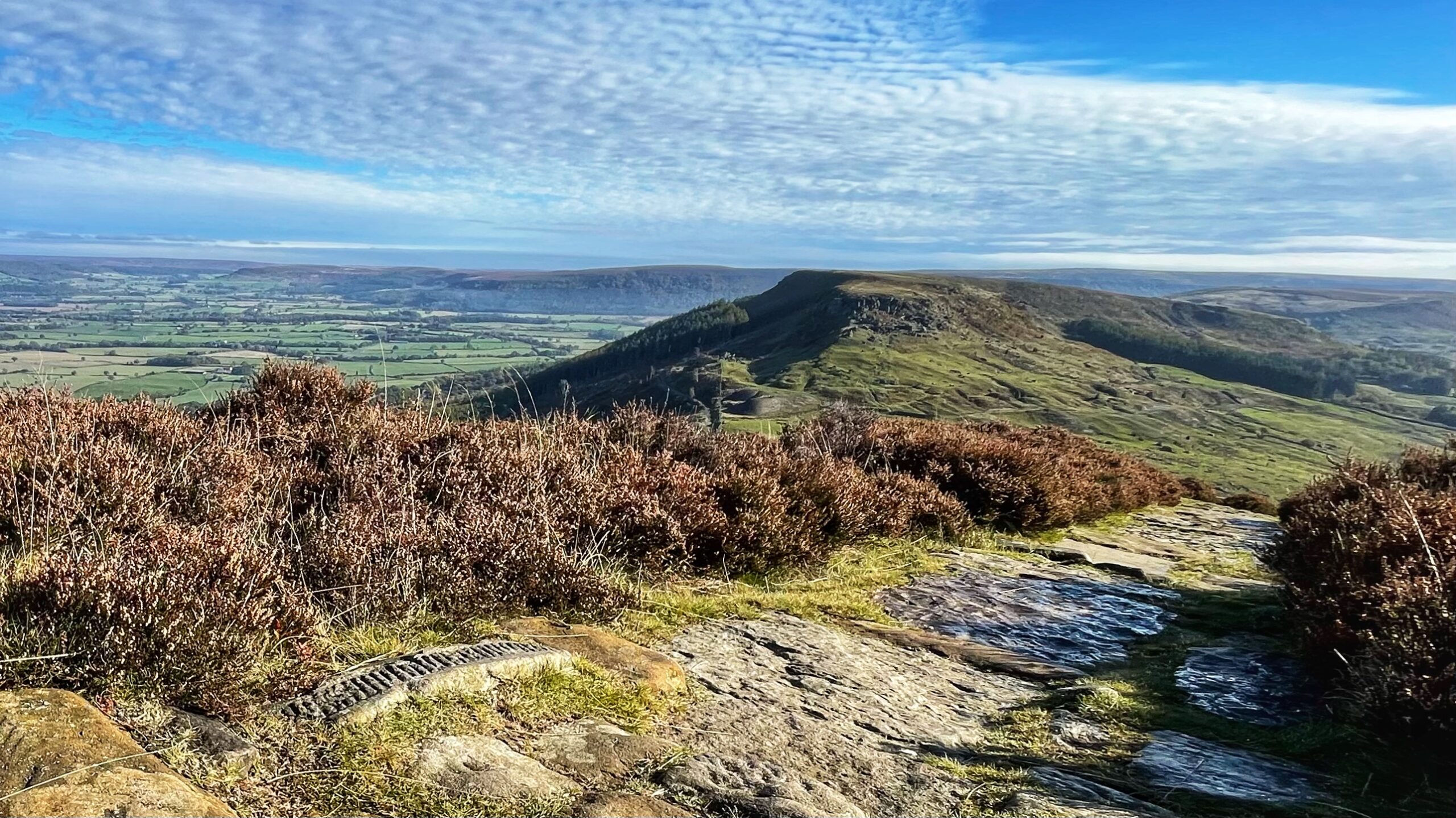
A Mystery Beneath our Feet on Cold Moor
Last Sunday, the weather gods allowed a final memorable spectacle of blue skies over the North York Moors before the autumnal gloom. From the heights of Cold Moor, the view towards the Wainstones was as grand as ever, but my eye was drawn not to the distant crags, but to something rather more curious: that…
-
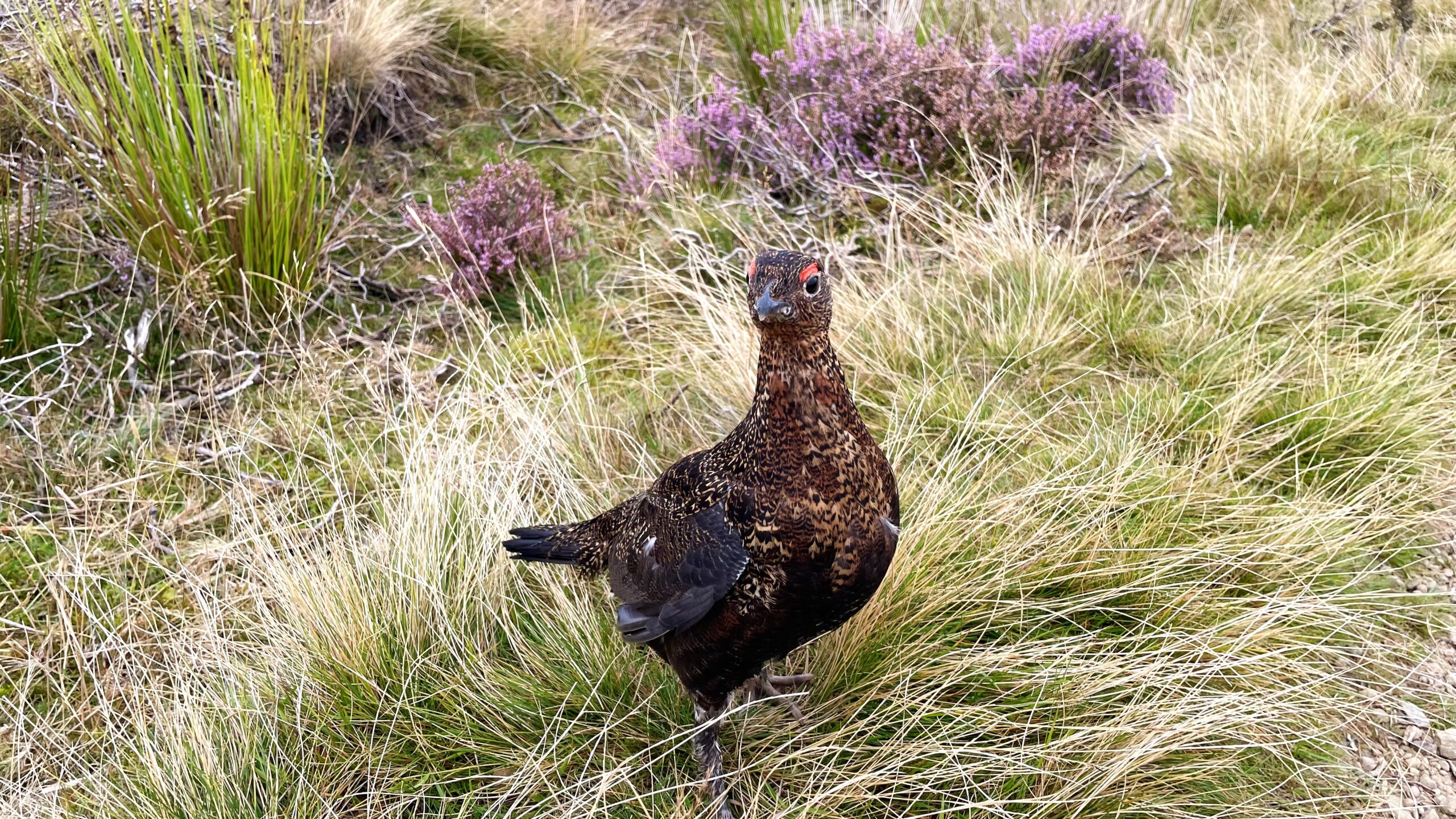
Guardian of the Cleveland Way
Had those two ominous notes from Jaws been playing in my earphones, I might have sensed what was coming. Just two notes, faster and faster, the sound of danger creeping closer. This red grouse appeared on the Cleveland Way path over Carr Ridge, no more than ten metres away, a plump silhouette against the heather.…
-

A Boundary Stone of 1860 and a Chaloner Legacy
A one-way walk to Guisborough—infinitely preferable than a circular route. Today’s image features Highcliff Nab, seen from just below Black Nab across the fields of Codhill Farm—or Highcliffe Farm, depending on whom you wish to offend. One must name both or risk mild social unrest. The boundary stone, engraved “T.C. G 1860,” of course refers…
-

High Lingrow: From Wartime Deception to Agricultural Use
At Port Mulgrave today, where the weather could not make up its mind, shifting between sunshine and snow flurries. Lingrow Cliffs is just that little headland across the bay, not really anything special, especially at low tide. But near its highest point—named, with great imagination, High Lingrow—there was once a Second World War bombing decoy…
-

Zen and the Art of Being Out & About
Another gloriously miserable day on the North York Moors, the sort of day where fog clings like a wet blanket over everything, damping one’s bones. I heard later the Great North Air Ambulance had been grounded due to poor visibility. It is, as ever, a perfect day for a bit of being out and about.…
-

90 Metres of Progress: The Curious Case of a New Bridleway
It is a curious thing, is it not, that the powers-that-be, in their infinite wisdom, believed they could neatly parcel up the English countryside like so many slices of cake, each path and bridleway served with a side of bureaucracy. Under the National Parks and Access to the Countryside Act of 1949, a grand endeavour…