Author: Fhithich
-
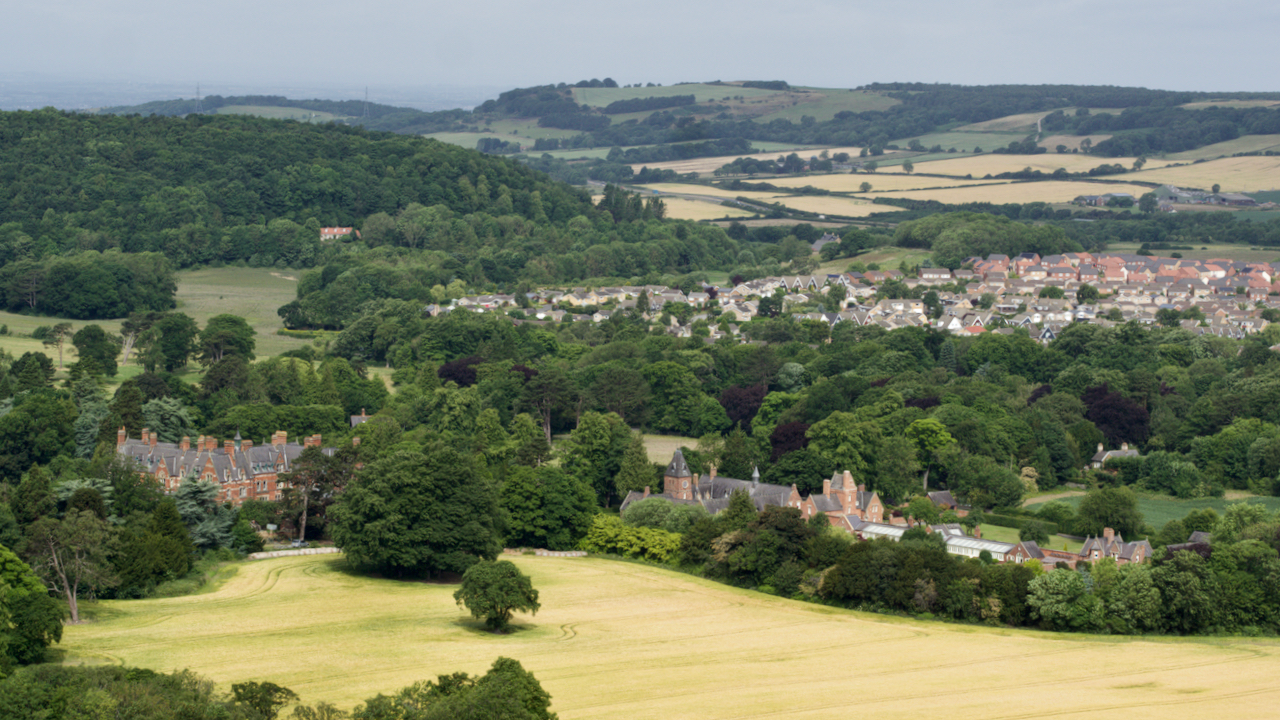
Thing
Last week, I was fortunate enough to be shown around the Scottish Parliament Building in Edinburgh, designed by Spanish architect Enric Miralles. It’s a Marmite type of building — you either love it or loathe it. It certainly has some idiosyncrasies, but, on the whole, I liked it. The central communual area has an outdoor…
-
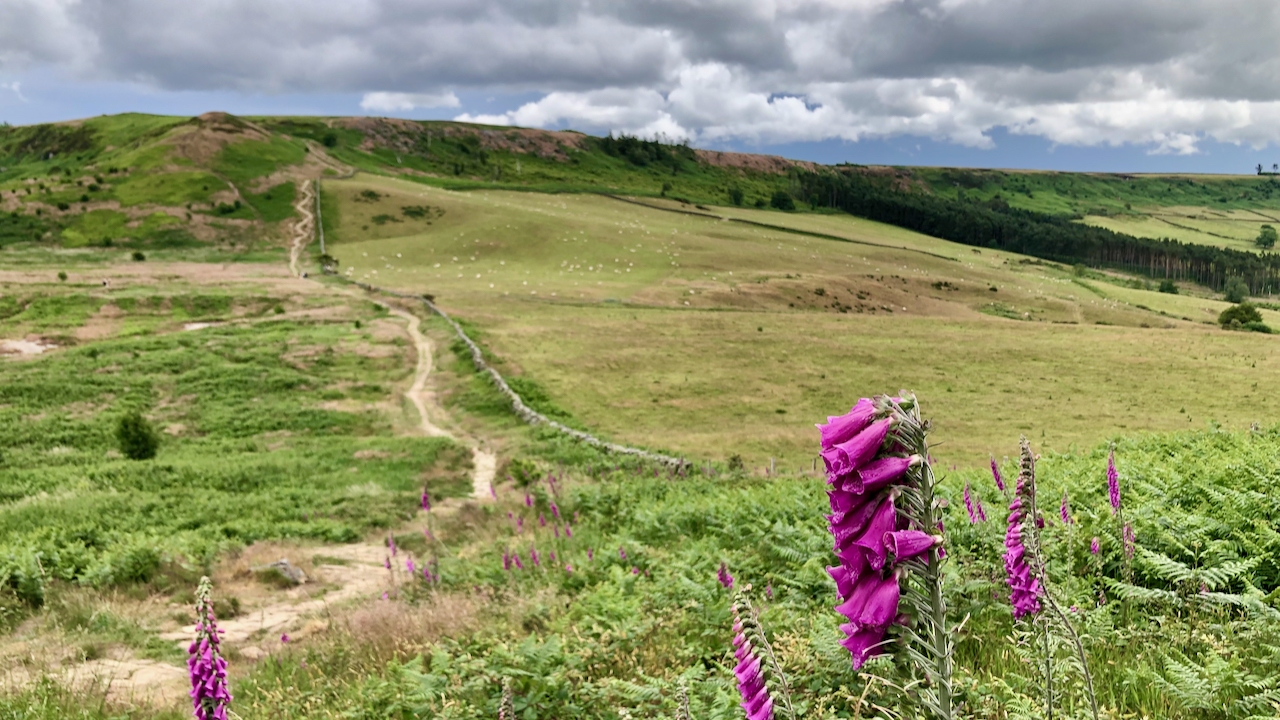
After the downpour
Colours are brighter, there’s a freshness in the air, and that earthy smell you get when rain falls on dry soil — petrichor. A word constructed from petra, Greek for ‘stone’, and ichor, in Greek mythology the fluid that flows through the veins of the gods.
-
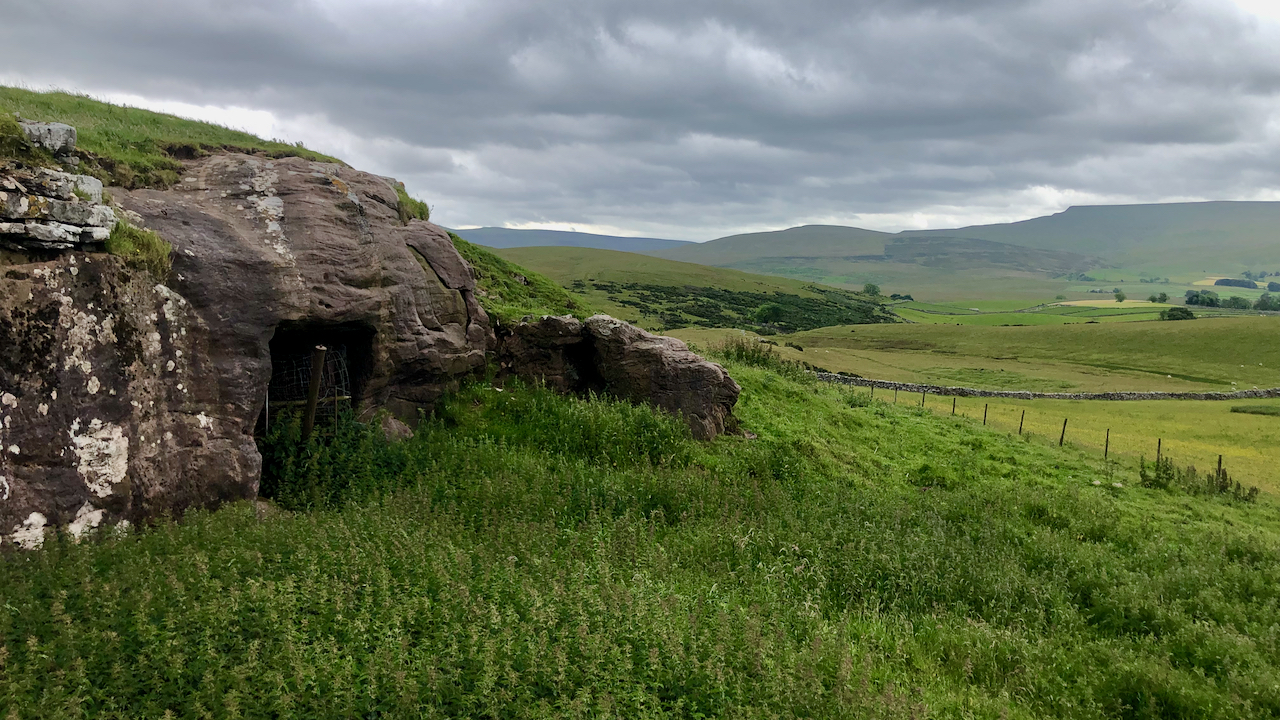
The Stone House
You would have thought that a structure dating back to at least the 18th-century and of sigifnicant historic value to be Grade II listed by Historic England would be cherished and looked after. But not so, this manmade cave on Ash Fell overlooking Ravenstonedale is being used as a dump for redundant fencing and other…
-
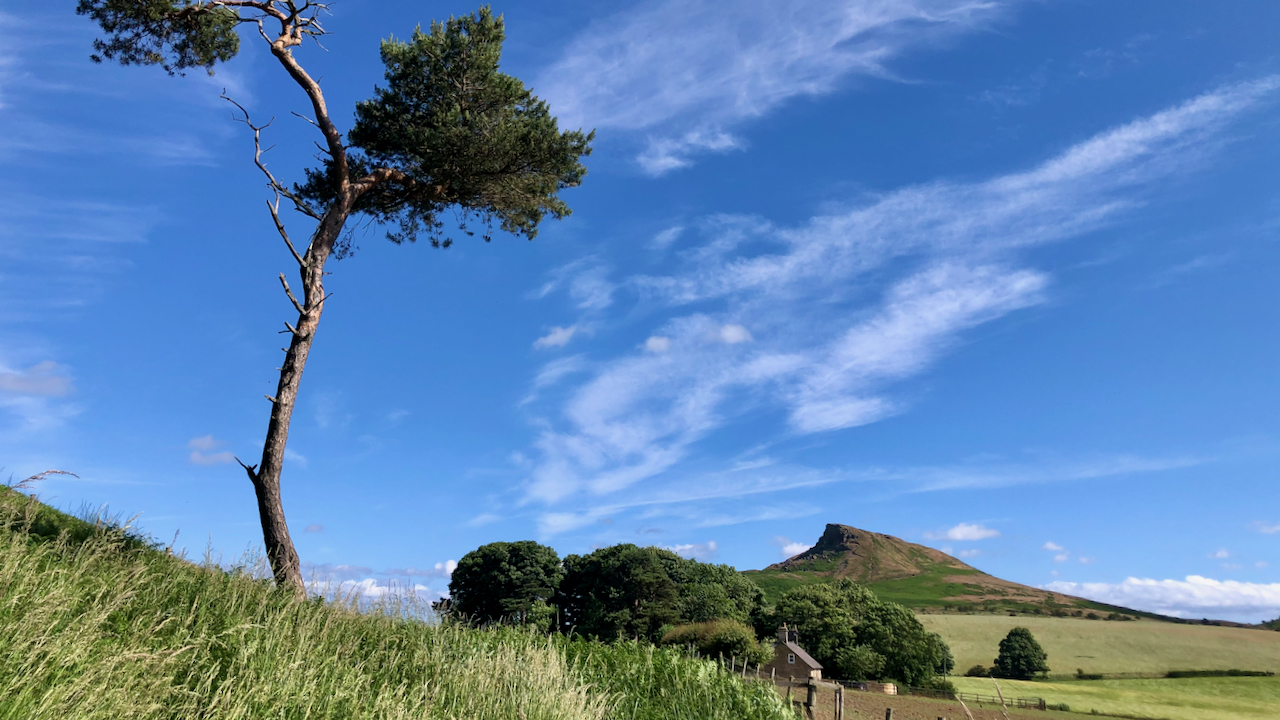
Another sunny morning, but a tad windy on the Topping
“Trace in the sky the painter’s brush — Then winds around you soon will rush” The last few days have dawned with blue skies and a smattering of cirrus clouds. High wispy cirrus clouds are composed of ice crystals and usually portend an approaching depression from the west and the associated deterioration of the weather.…
-
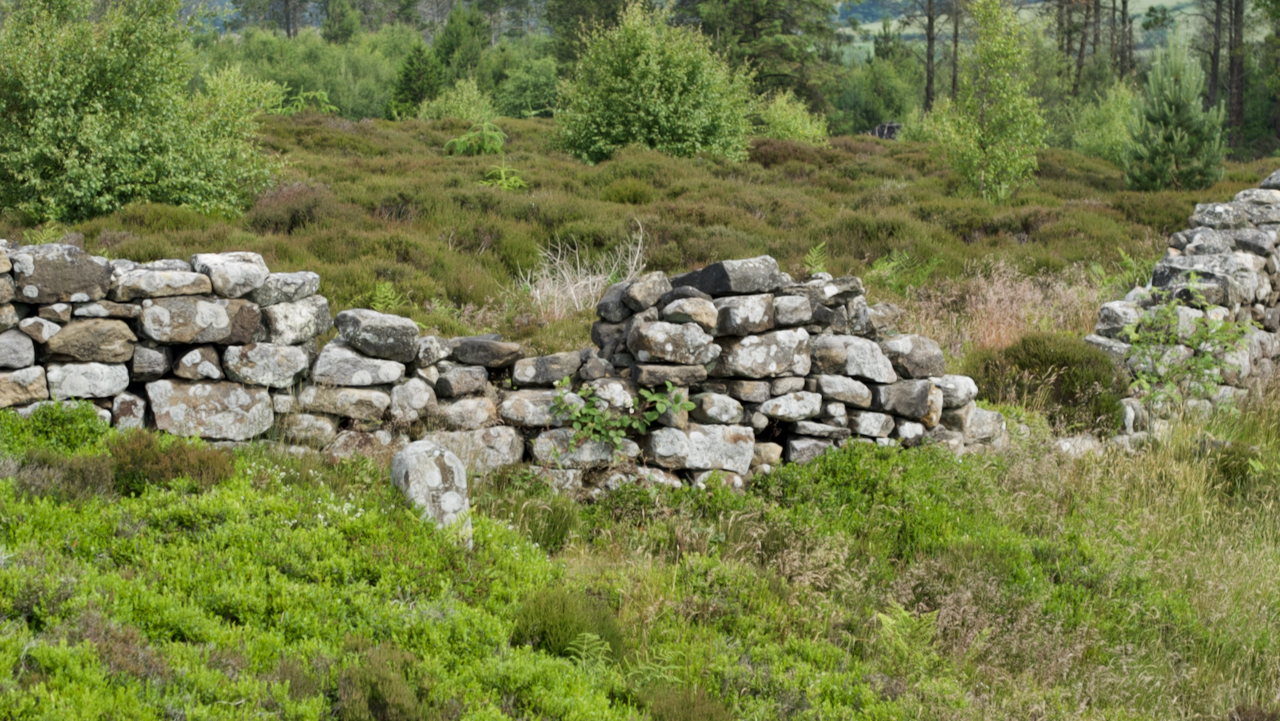
Boundary stone on Easby Moor
A boundary stone on Easby Moor just to the north of Captain Cook’s Monument. I’ve passed this many times before, and may well have posted a photo of it. I tend to forget what I’ve done. Someone pulled me up about that the other day but … hey ho. The stone marks the boundary between…
-
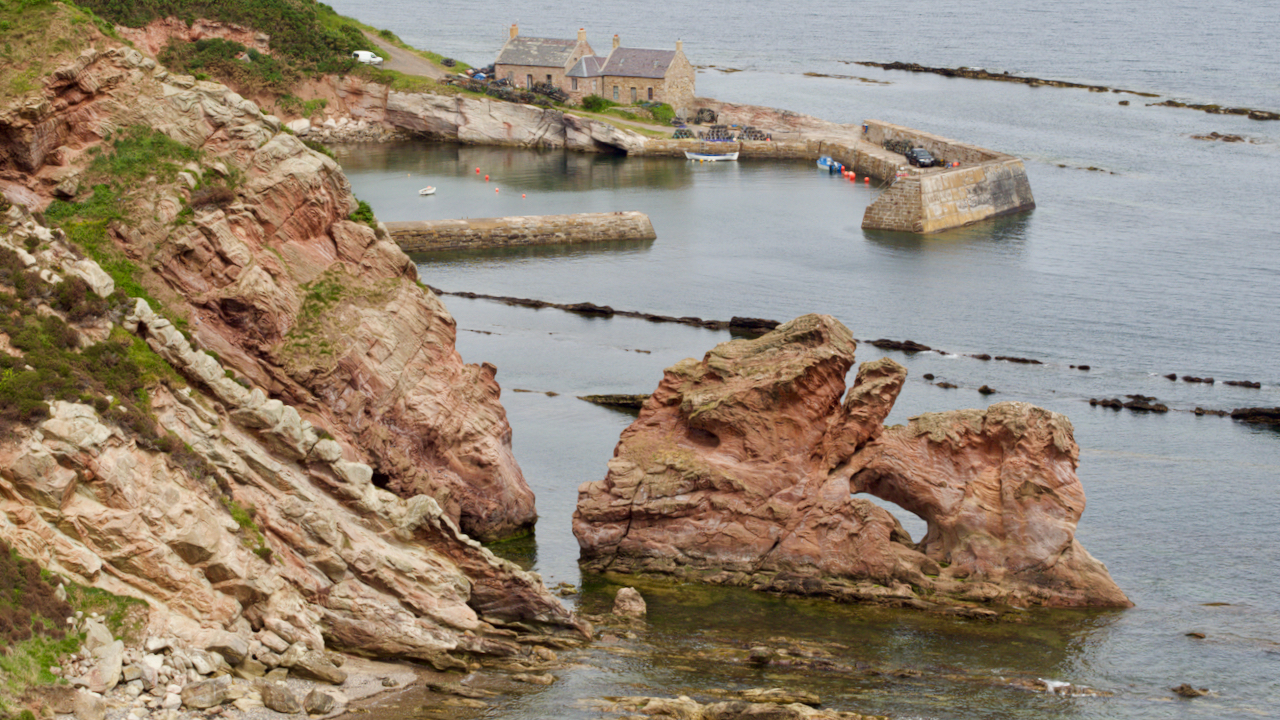
Cove Harbour
A quaint harbour just down the coast from Torness Nuclear Power Station. In the summer of 1984, about 200,000 tons of rock from the construction of the power station were dumped about three-quarters of mile offshore from Cove to create an artificial reef about a half-mile long and 200 yd. wide, at the time the…
-
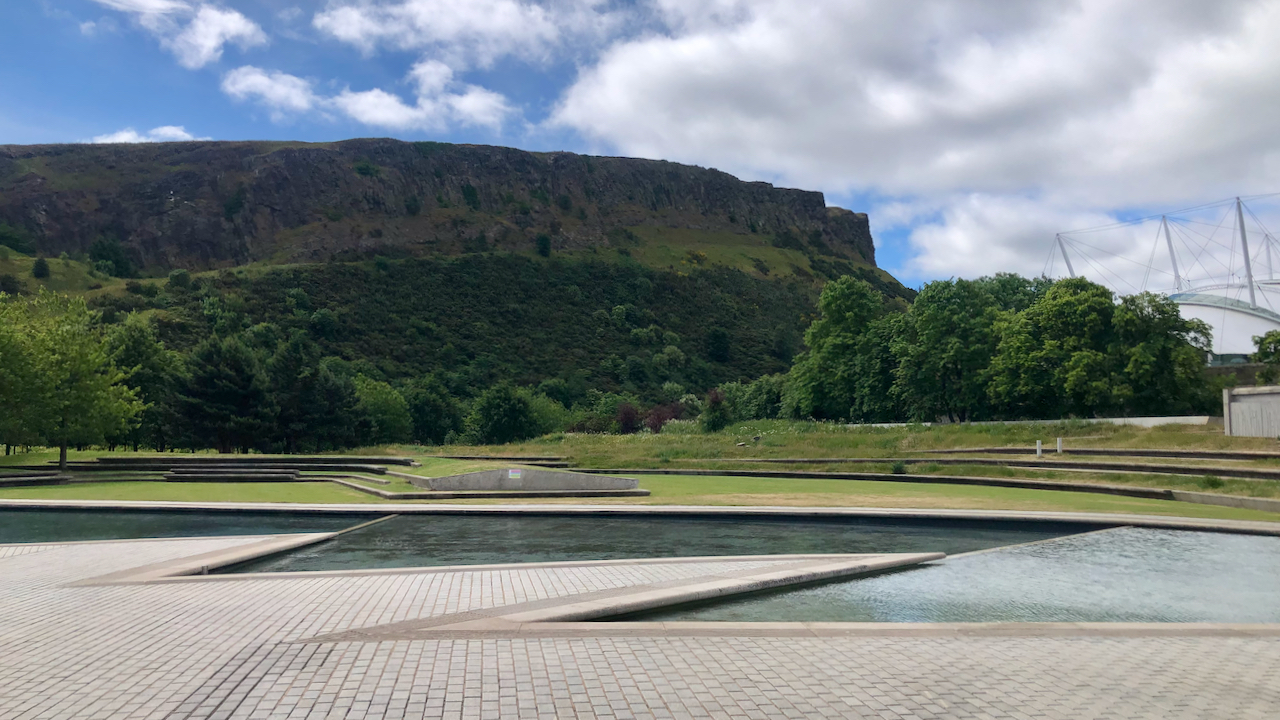
Salisbury Crags
A line of crags of igneous rock formed 342 million years ago, when lava erupted at Arthur’s Seat through the underlying sedimentary rock. The crags are famous in the world of geology because it is where James Hutton (1726 – 1797), ‘the father of modern geology‘, concluded that the magma intruding into the existing rock…
-
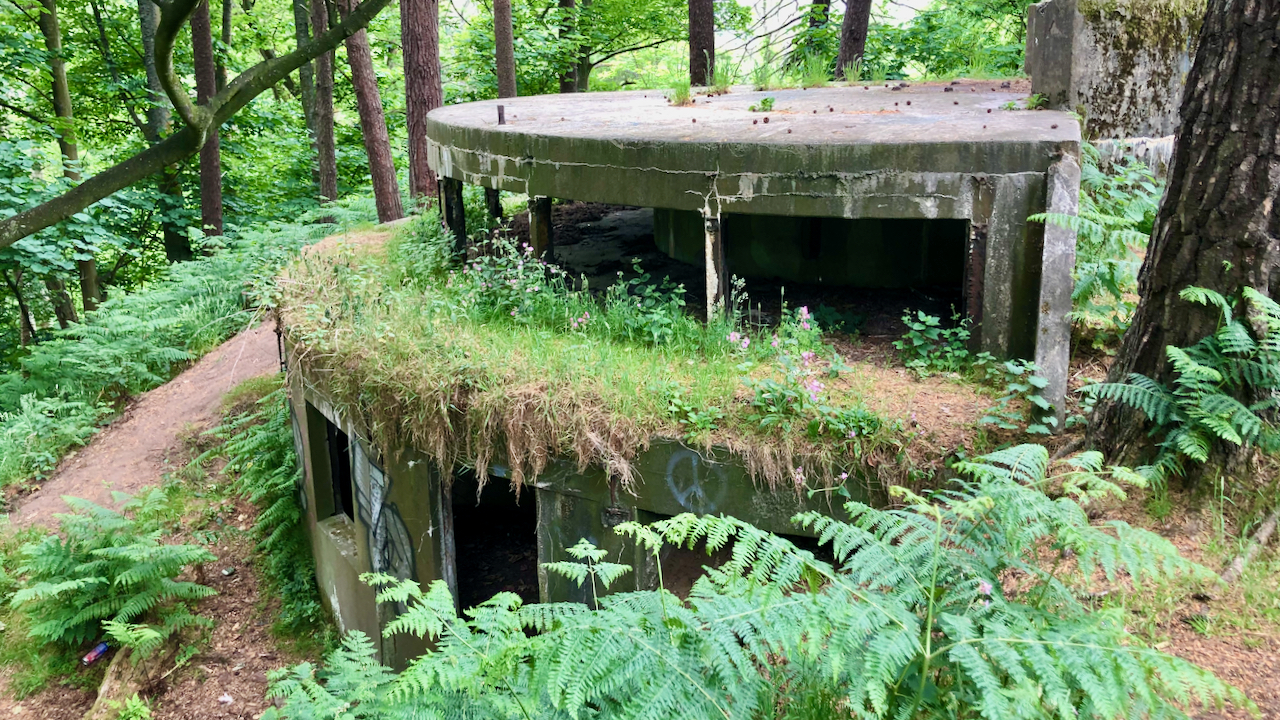
WW1 Gun Battery
I came across a ghostly complex of forgotten concrete structures whilst wandering through Dalmeny Park on the coast of the Firth of Forth near Edinburgh. It turns they are part of a gun battery built during the First World War to protect the Firth with its naval shipyards. Work on this battery actually began before…
-
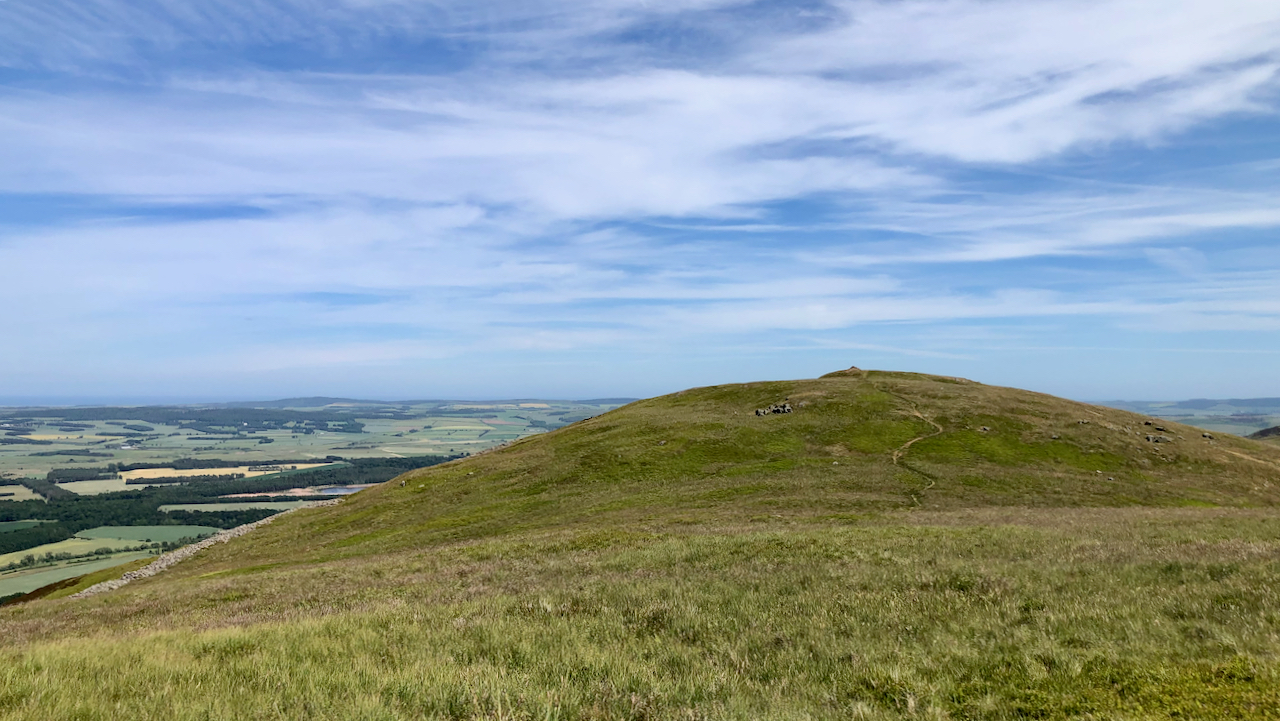
Yeavering Bell
I must admit I was a bit disappointed. The largest Iron Age Fort in Northumberland, occupying 12 acres of a twin topped, 361m. The most interesting are the remains of the perimeter stone rampart. Within it, archaeologists believe there were 100 timber-built roundhouses or other buildings and an inner fort excavated out of the rock.…
-
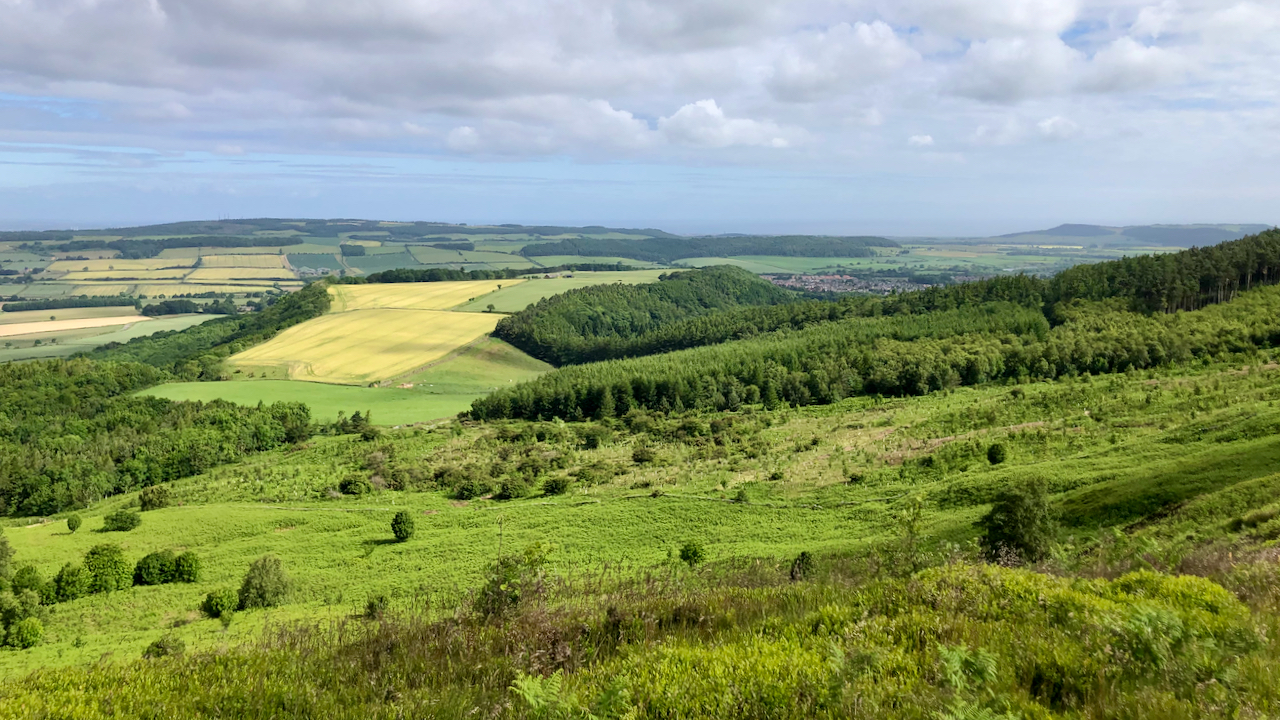
Lord of the Flies
Fields of barley on Bousdale Hill golding under the Summer sun. OK, I made that word up. Gilding? Goldening? I was trying to find a link with William Golding, Nobel Prize awardee in Literature in 1983, knighted in 1988, and fellow of the Royal Society of Literature, who died on this day, 19 June, 1993…