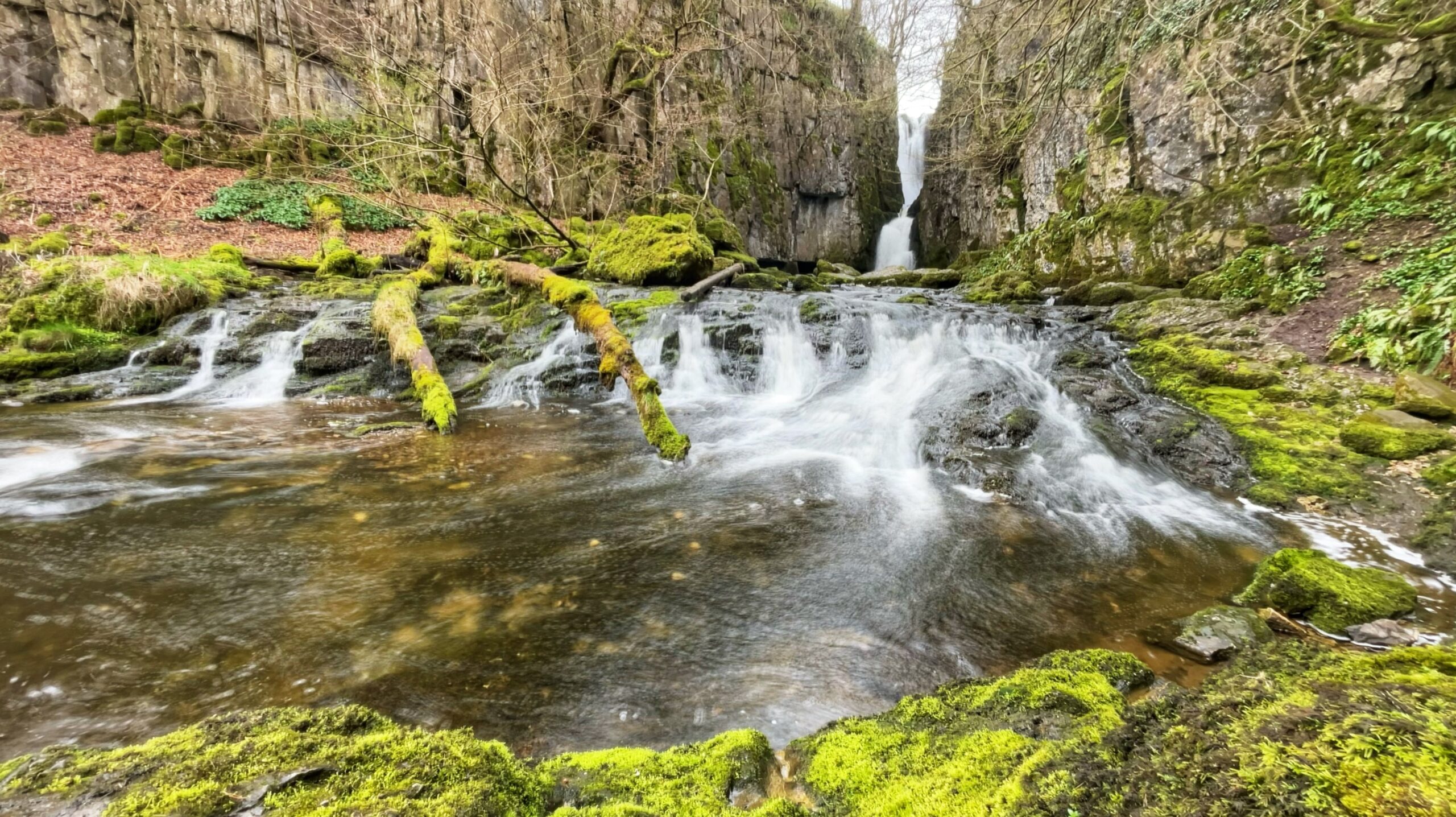
Big numbers do heavy lifting. You have millions of experiences in a lifetime. You think thousands of thoughts a day. The odds of something lining up occasionally are not slim — they are enormous. The surprise is not that coincidences happen. It is that we are surprised. Or perhaps it is just Jung’s “synchronicity.”
I have never paid much heed to Edward Elgar. In a pub quiz I might, of course, name his famous pieces — Pomp and Circumstance and Enigma Variations — but there it ends. Then last week we watched the 2025 film The Choral, written by Alan Bennett. The plot centres on a fictional 1916 performance of Elgar’s The Dream of Gerontius by the choral society of a Yorkshire town. Elgar, played by Simon Russell Beale, arrives before the performance — which is due on the evening of the day on which he is to be invested as an honorary Doctor of Music at the University of Manchester. Almost certainly not, in real life — poetic licence on Bennett’s part. Initially effusive, Elgar becomes pompous and hostile, and withdraws his permission for the performance.
But two things need to happen before you get a coincidence. And the co-occurring event was a visit to Catrigg Force, this astonishing hidden waterfall above Stainforth in Ribblesdale, pictured above.
Before the days when reaching the remoter parts of the Dales by public transport was something of a challenge, Catrigg Force was a popular excursion from Settle. And it turns out that Elgar was fond of visiting the Dales — and this waterfall in particular. It was here, they say, that he found the inspiration for those most famous of his works1Catrigg Force. Yorkshire Guide. http://www.yorkshireguides.com/catrigg_force.html [ Accessed 6 April 2026].
Which is not bad going for a morning’s wander.
- 1Catrigg Force. Yorkshire Guide. http://www.yorkshireguides.com/catrigg_force.html [ Accessed 6 April 2026]
Leave a Reply