Month: March 2026
-
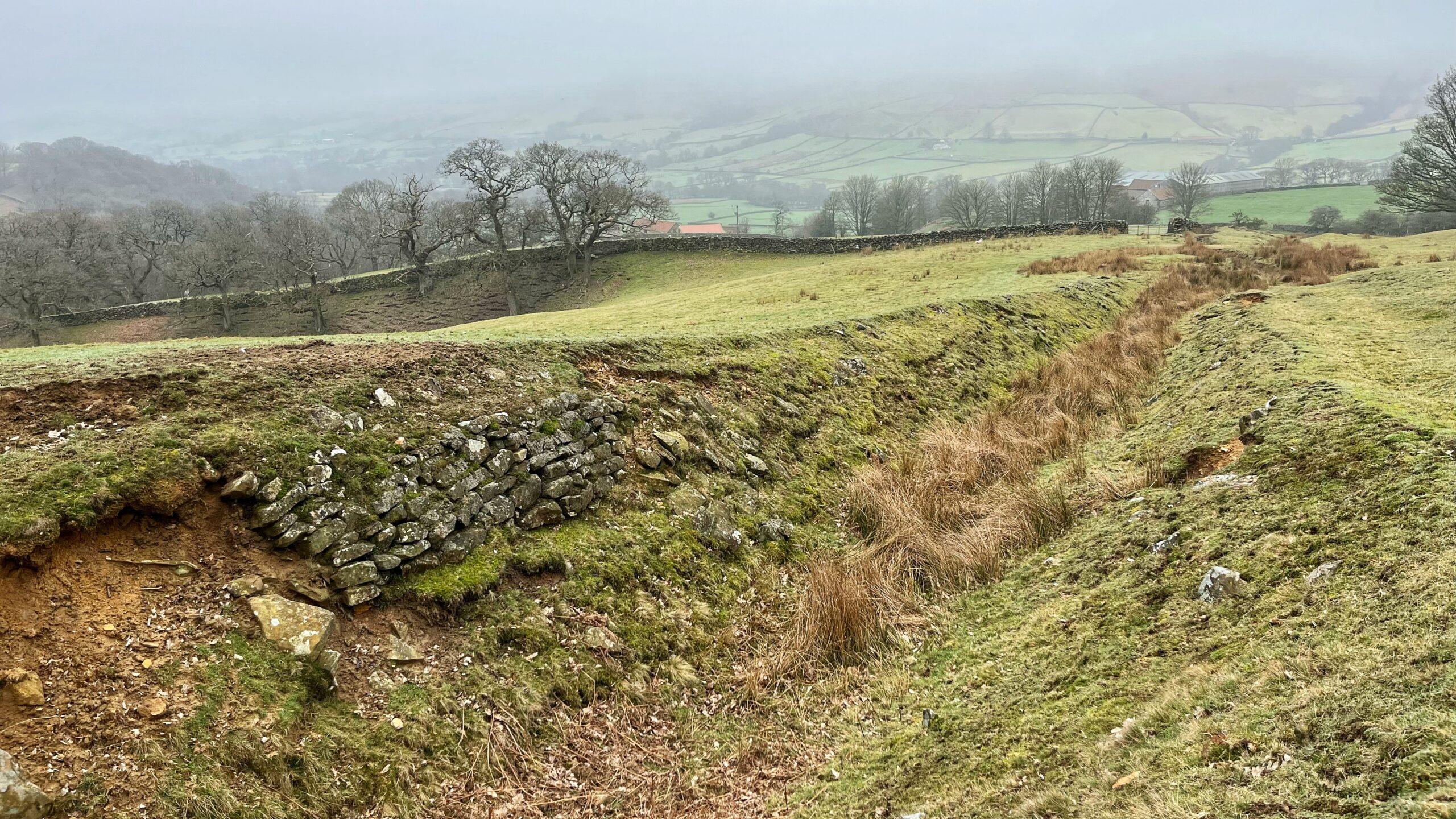
Fog, a Hollow Way and a Reservoir That Never Was
The watershed between the River Esk and River Rye tributaries was today more than a geographical line. It was a weather frontier. While Castleton and Westerdale basked in spring sunshine a mile or two away to the north, Farndale sulked under a damp mist so thick you could almost wring it out. From the aptly…
-
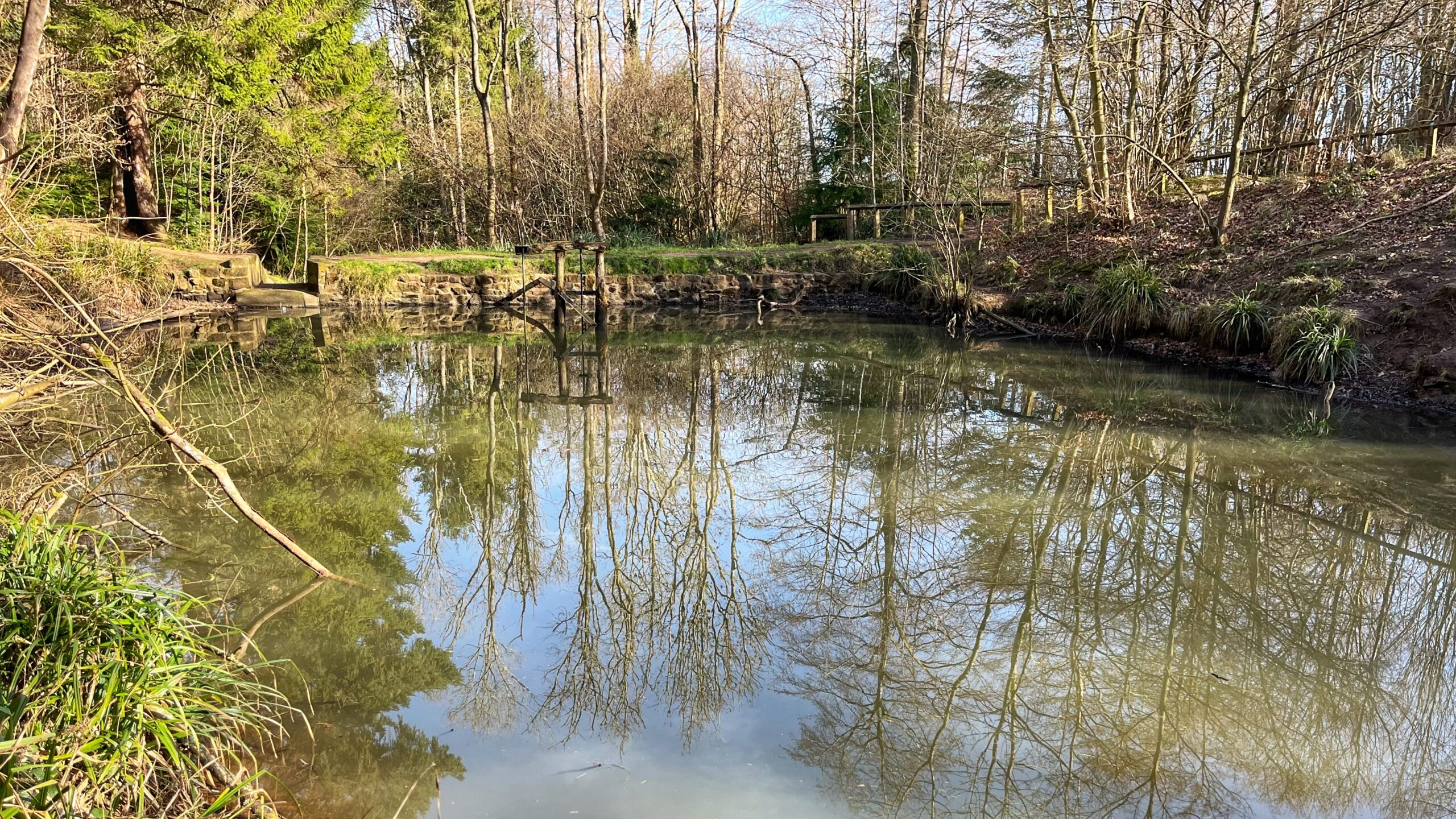
Hanging Stone Dam and the Fall of Sir Joseph
The pond in this photo was built in 1880 by Sir Joseph Whitwell Pease to power hydraulic machinery at his Home Farm half a kilometre downstream. It served that purpose until the 1950s, after which it became a swamp. Local volunteers restored it in 2004/5. Known originally as Hanging Stone Dam, it sits at the…
-
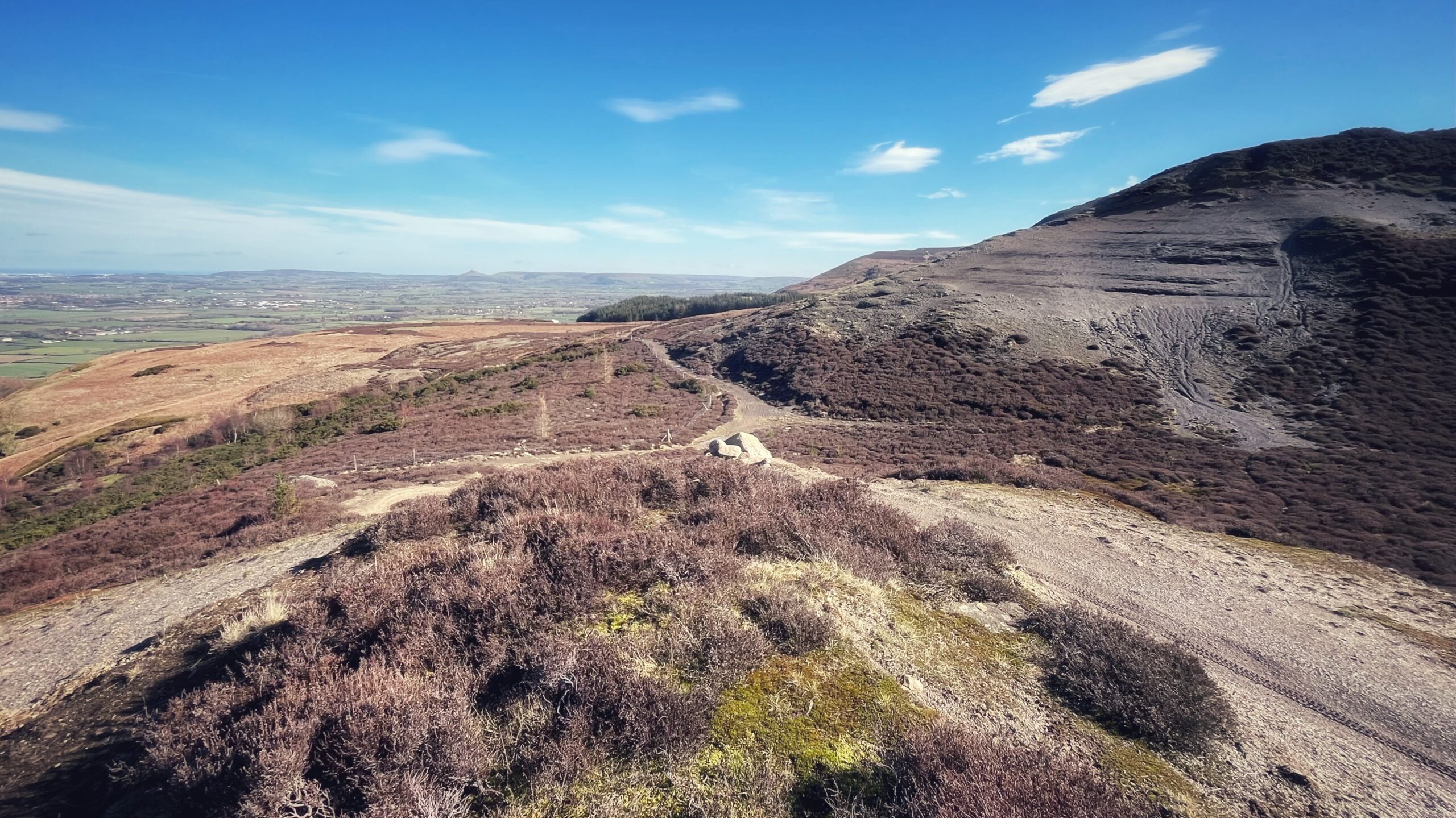
Pirates, Sugar and Stone: The Carlton Bank Alum Works
Some industrial stories begin with a balance sheet. This one begins with a privateer’s cannon. The alum works at Carlton Bank, gorged out of the Cleveland Hills, has a history that stretches from the Caribbean to the Cleveland coast. It is, when you look closely, a rather splendid tale of sea dogs, sugar barons, and…
-
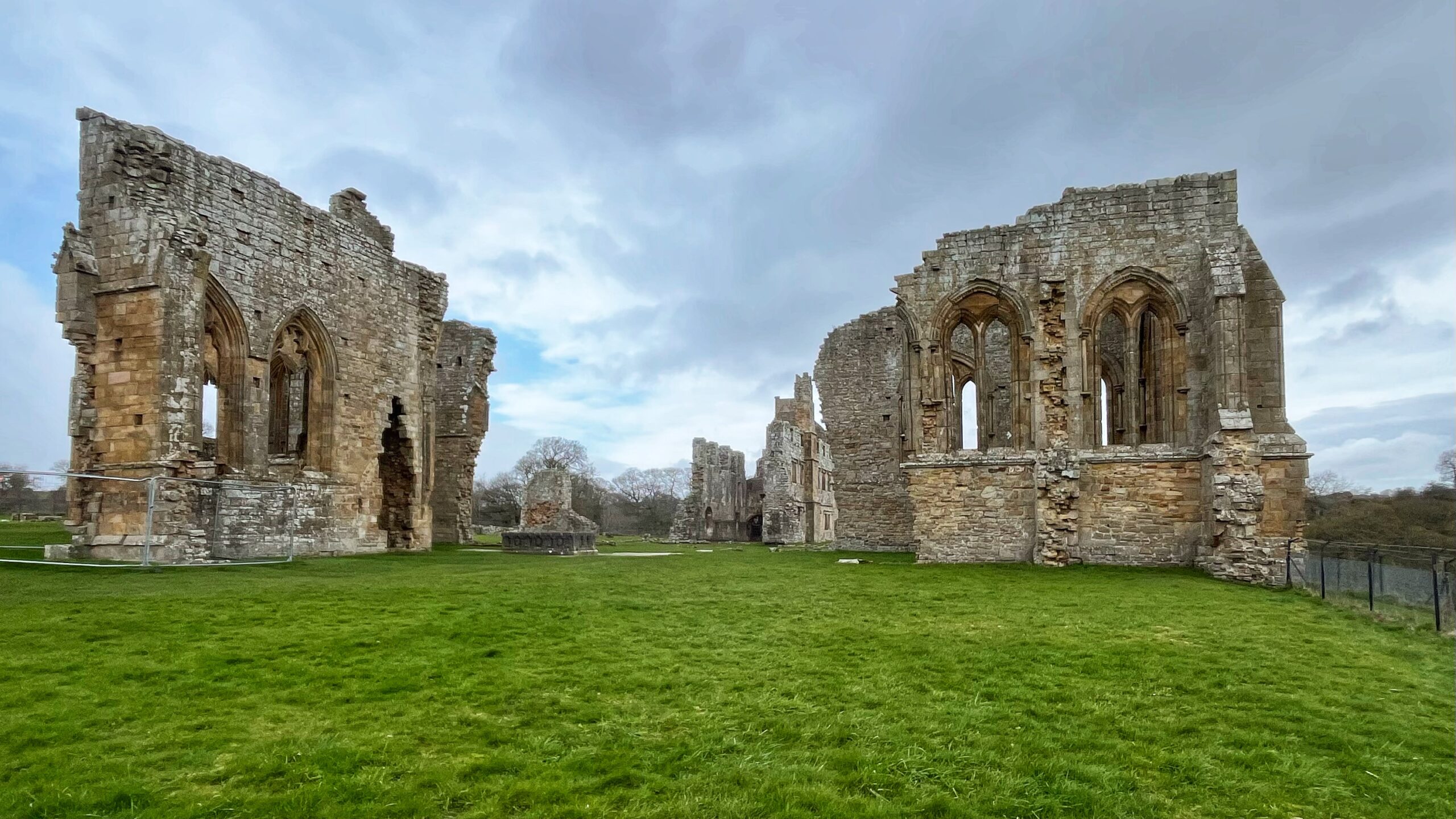
Egglestone Abbey— The Poorest House in England
Just under two miles south-east of Barnard Castle, the remains of Egglestone Abbey stand above the south bank of the Tees. They are, not to put too fine a point on it, rather good. Egglestone was a Premonstratensian house, founded around 1195. The Premonstratensians — known as the White Canons — were ordained priests who…
-
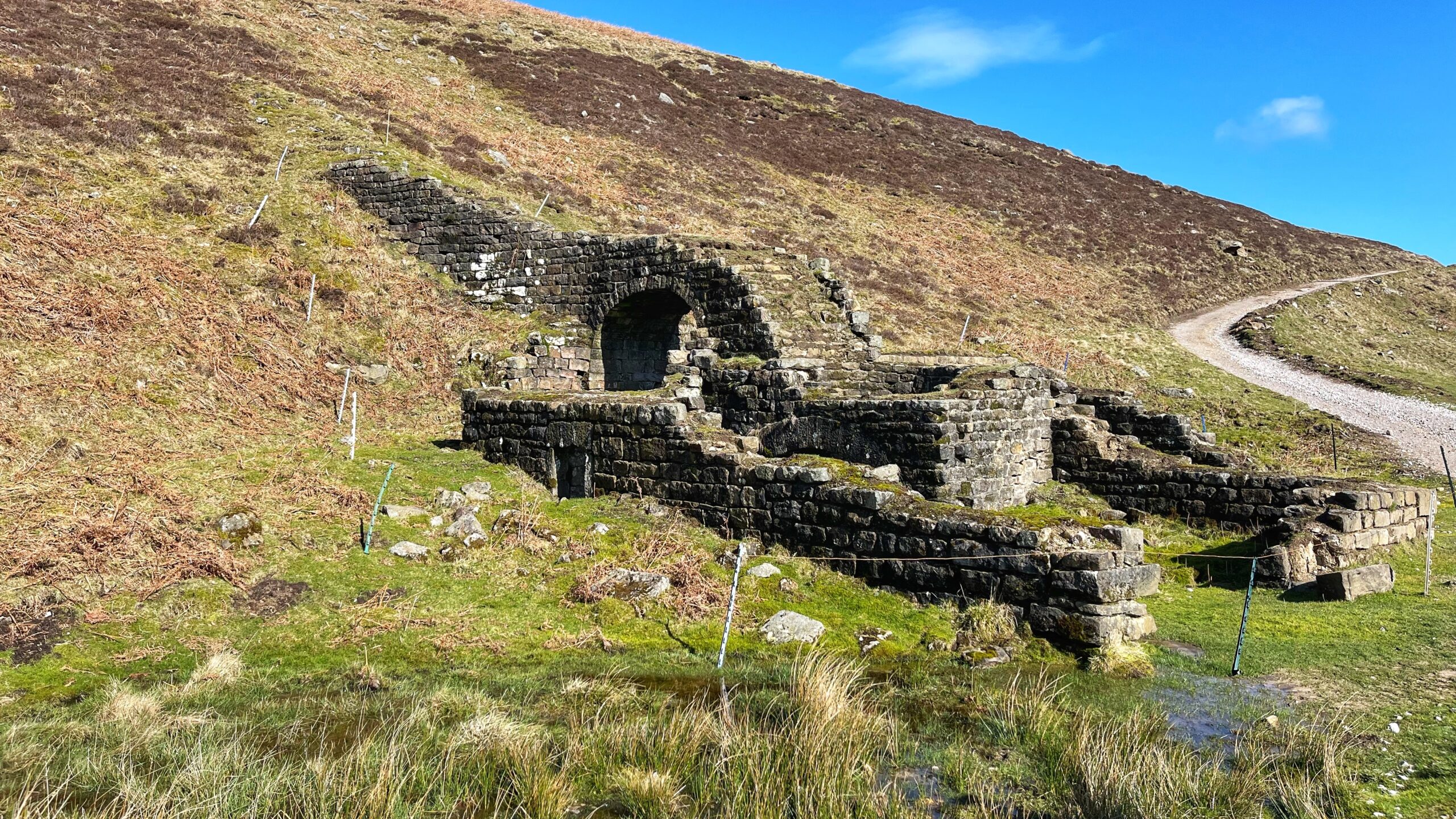
Providence Smelting Mill – Lead, Sweat and and 200 Years of Silence
The arch in this image above has stood on this windswept Yorkshire moor for over two hundred years. It is now the most eye-catching feature in this otherwise barren valley. Near Greenhow, west of Pateley Bridge in Nidderdale, the ground holds centuries of industrial history just beneath the surface. In 1840, Michael Colling, agent to…
-
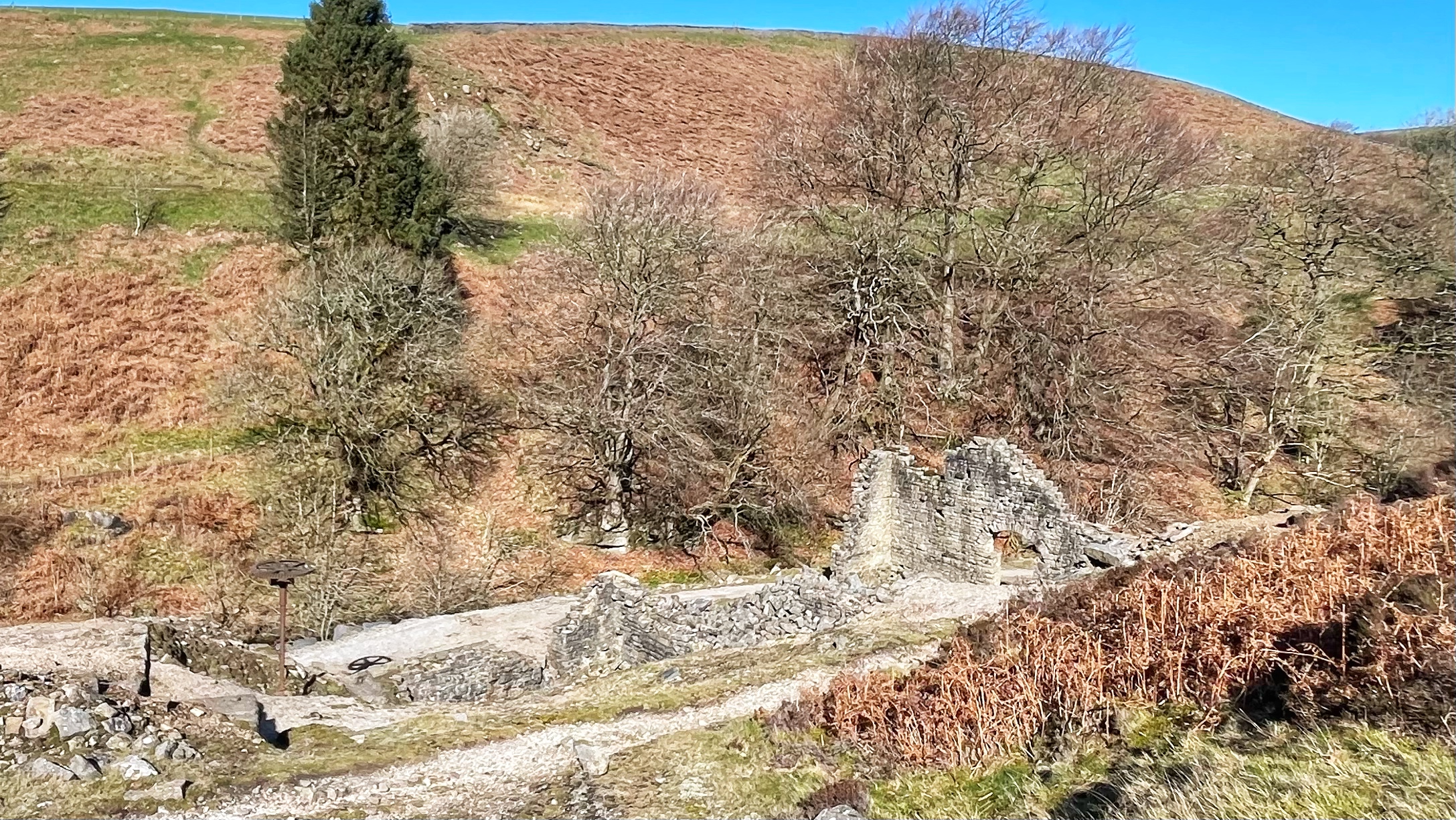
The Prosperous Smelt Mill
These crumbling stone walls tell quite a story. Standing at the foot of a bracken-covered hillside near Pateley Bridge, the ruins of the Prosperous smelt mill look like something from a forgotten world. They are, rather fittingly, exactly that. Lead was probably first mined here by the Romans. The first written record dates from 1781.…
-
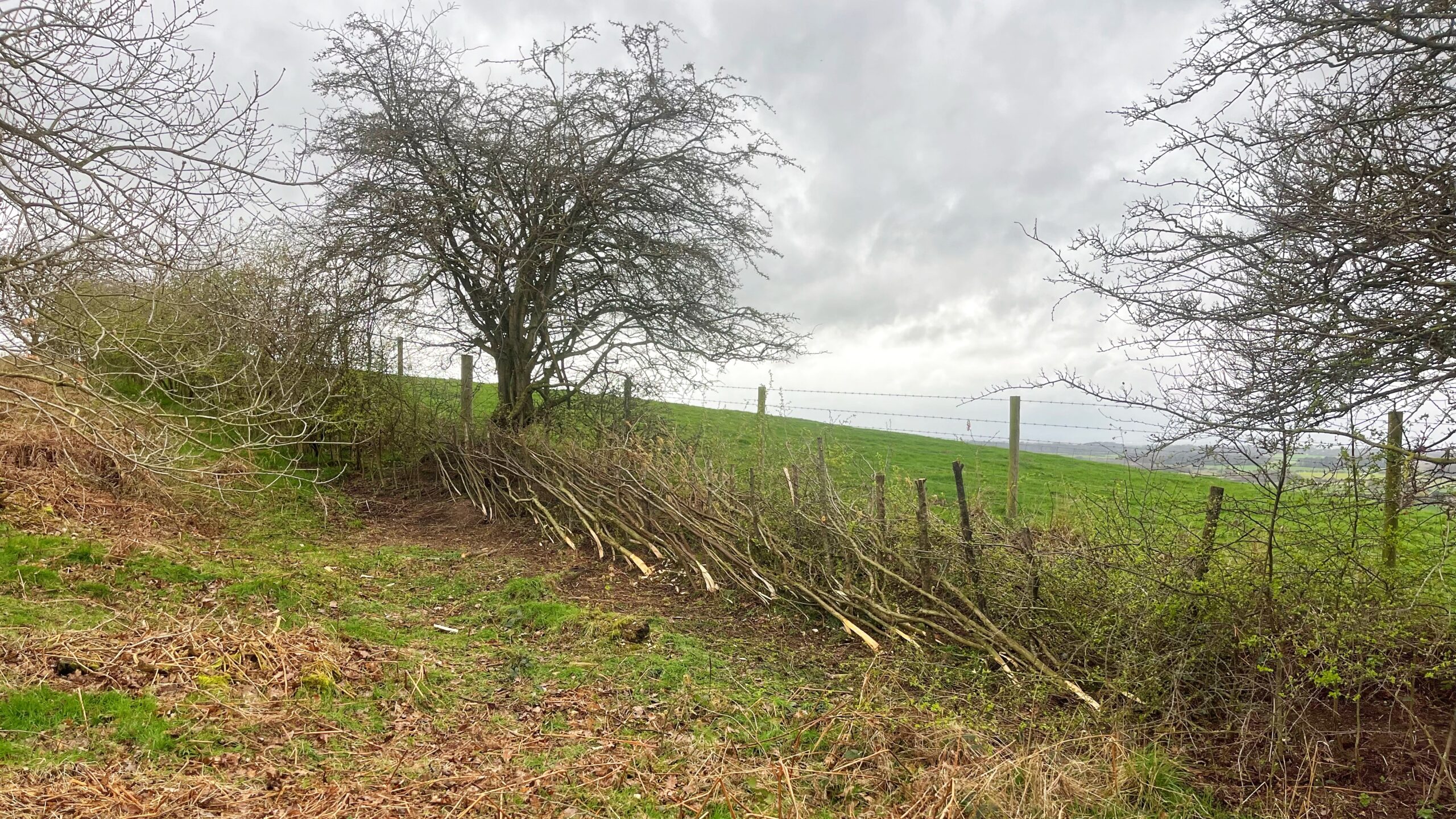
Roseberry’s Hedge: Ten Years in the Making
Ten years ago, I helped the National Trust plant 4,000 saplings along the north west boundary of Roseberry Topping, where it meets the fields known as Rye Banks. The North York Moors National Park Traditional Boundary Scheme footed the bill. Hawthorn made up the bulk of the planting, with blackthorn, maple, hazel and dog rose…
-

Cool Burns and Warm Fictions
Ah, that warm, pungent smell of a recent so-called “cool burn”. Now, I do not know whether these moorland burns truly reduce the fuel load and help prevent catastrophic wildfires as it is claimed. I will heed the scientists and the fire brigade experts, but I am immediately sceptical of lobby groups pushing a single…
-

The Smell of Progress
A lone tractor crawls below Roseberry Topping, spreading muck across an upland field. The scent hits you before the sight does. This, believe it or not, is what civilisation smells like. That machine is just the latest chapter in a very old and very smelly story. Centuries of farmers knew something we have mostly forgotten:…
-

From Gold Chains To Pink Fur: Our Great Squirrel Blunder
Humans have an impressive ability to create a total dog’s breakfast of the natural world. We take a creature from the other side of the ocean and decide it would look nice in a park. Now we spend millions of pounds every year trying to fix the mess. Whilst keeping our native red squirrels as…