Month: February 2026
-
Access Without Respect
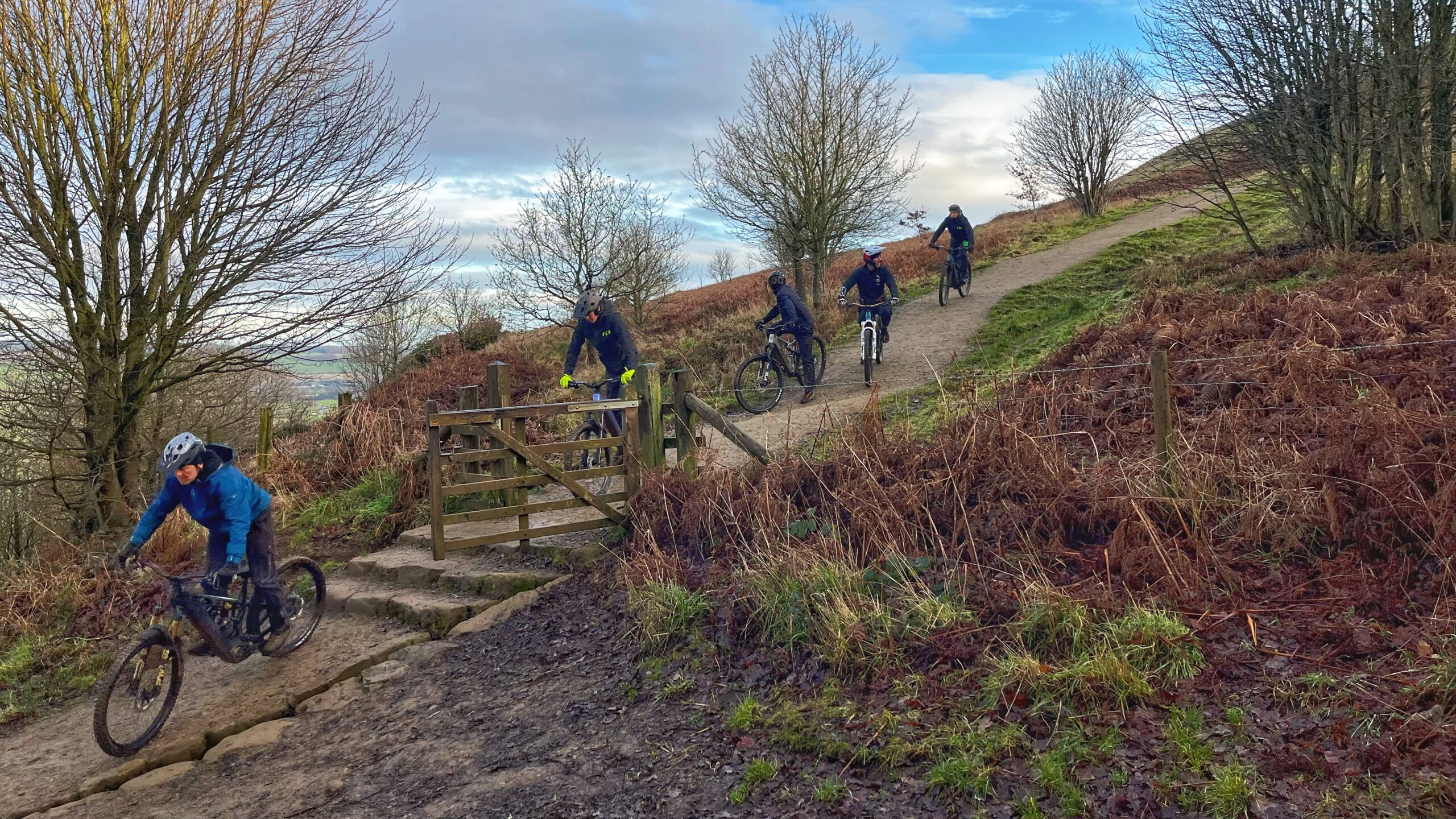
A pack of a dozen mountain bikers bursts down the newly rebuilt, stone-stepped path on Roseberry Topping. Several are motor-assisted. Gravity does the rest. Gravel skitters, walkers flinch, gates are left yawning behind them. For a few loud seconds the hill is theirs, claimed by speed and noise. It looks impressive, in the way a…
-
The Smallest Forest on the Stump
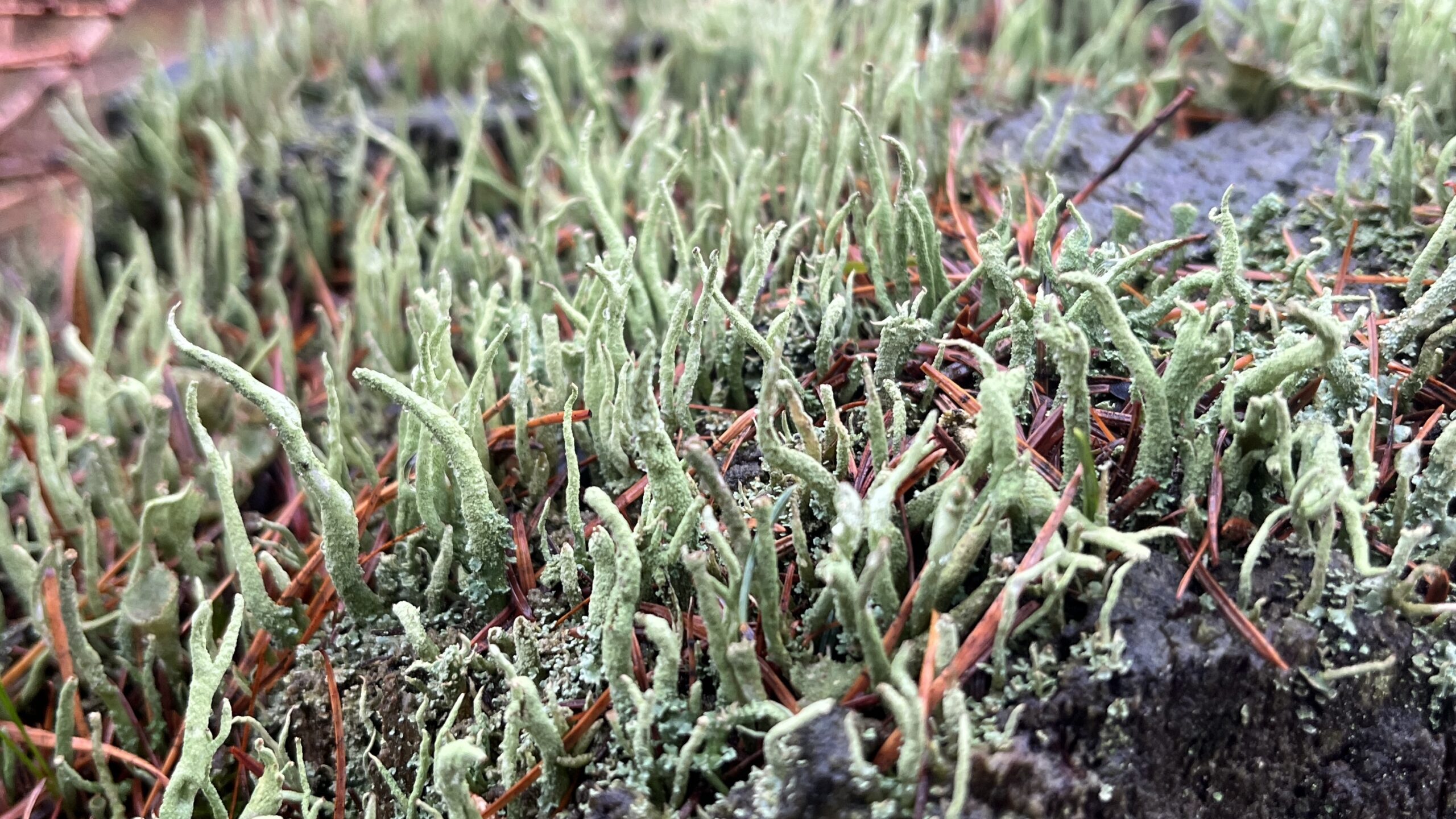
I have discovered an app on my phone that had been hiding in plain sight. The ‘Magnifier’. A small thing, yet it has opened a door. The everyday world has shrunk and turned strange. Tree stumps become miniature forests. Rough wood turns into a map of ridges and valleys. Peering at a pale green stand…
-
Grief with a Power Tool
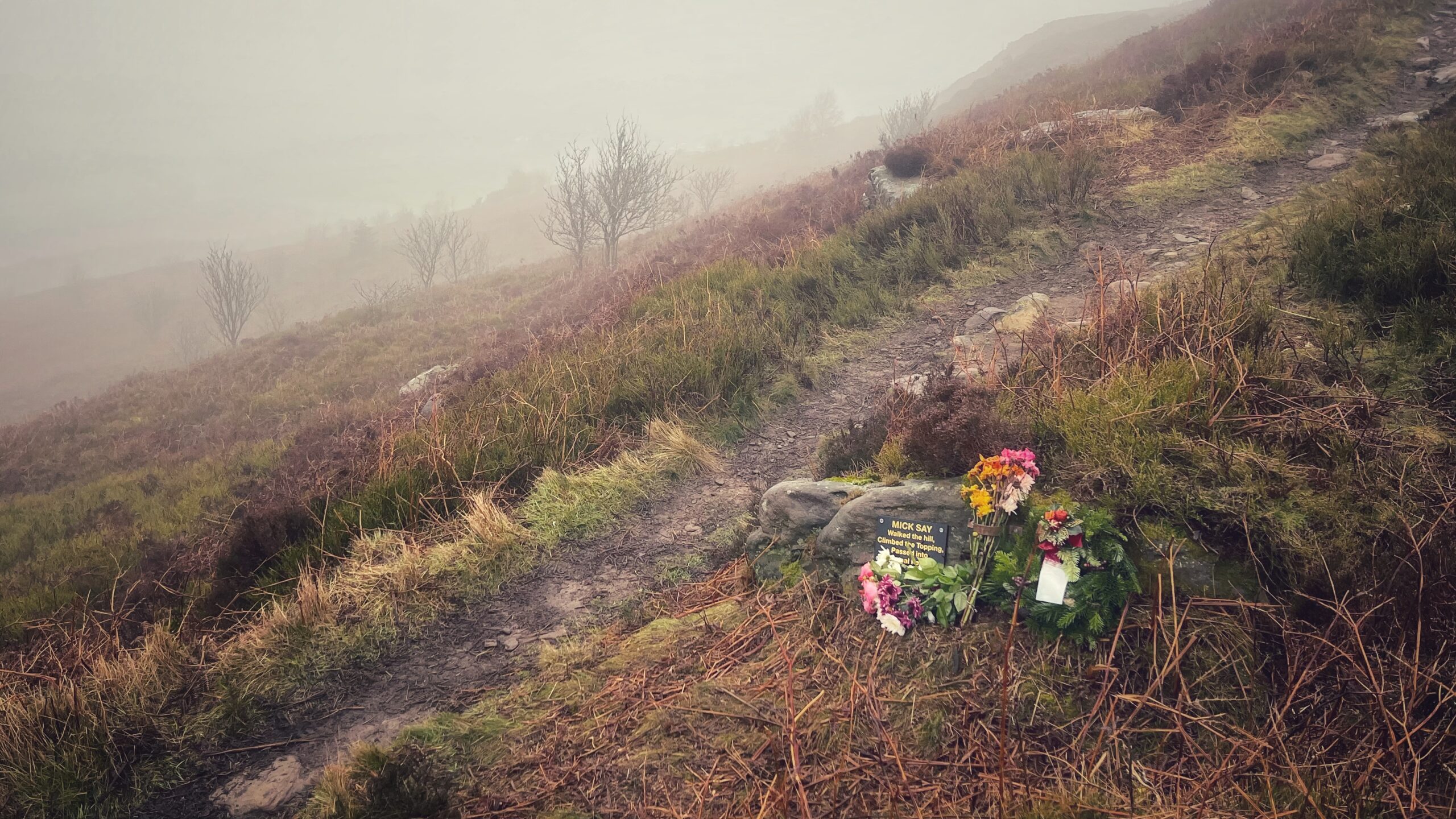
In medieval churches, the pauper’s voice often survives with their graffiti remembering loved-ones on the walls and pews — essential memorials for the 95% of society who couldn’t afford headstones. Today, this vernacular memorialisation has turned toxic. In the North York Moors, ironically beneath the monument to Capt. Cook, a sandstone crag—naturally beautiful with centuries…
-
Hob Holes: Where the Hob Lived and the Jet-Diggers Evicted
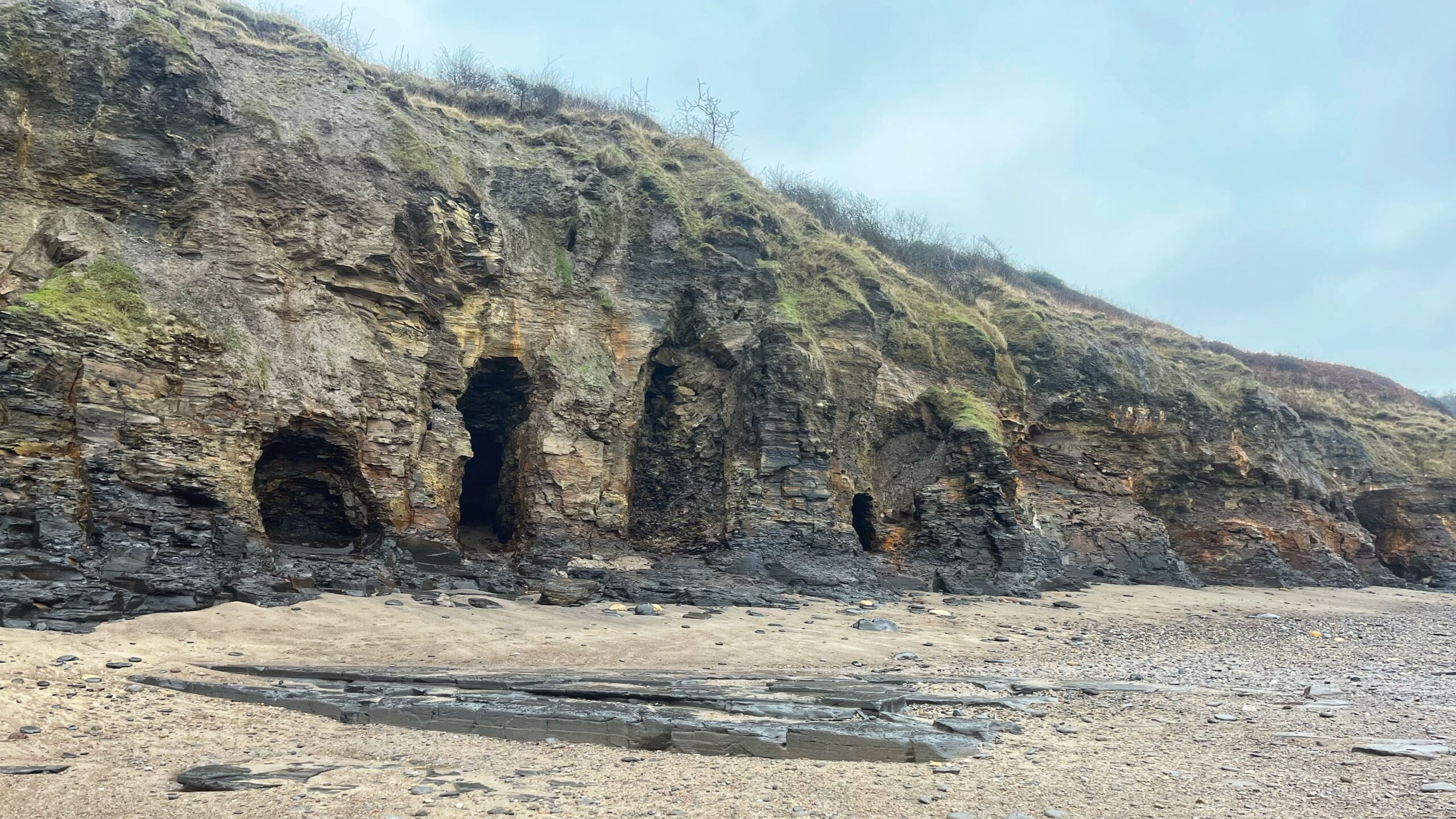
Runswick Bay takes its character from the Hob Holes, raw wounds in the shale cliffs cut by the North Sea going about its daily vandalism. They are not just the work of water on stone. They are the blank spaces where memory used to live. In those gaps sat the Hob, a local figure of…
-
When the Monks Assarted Bilsdale
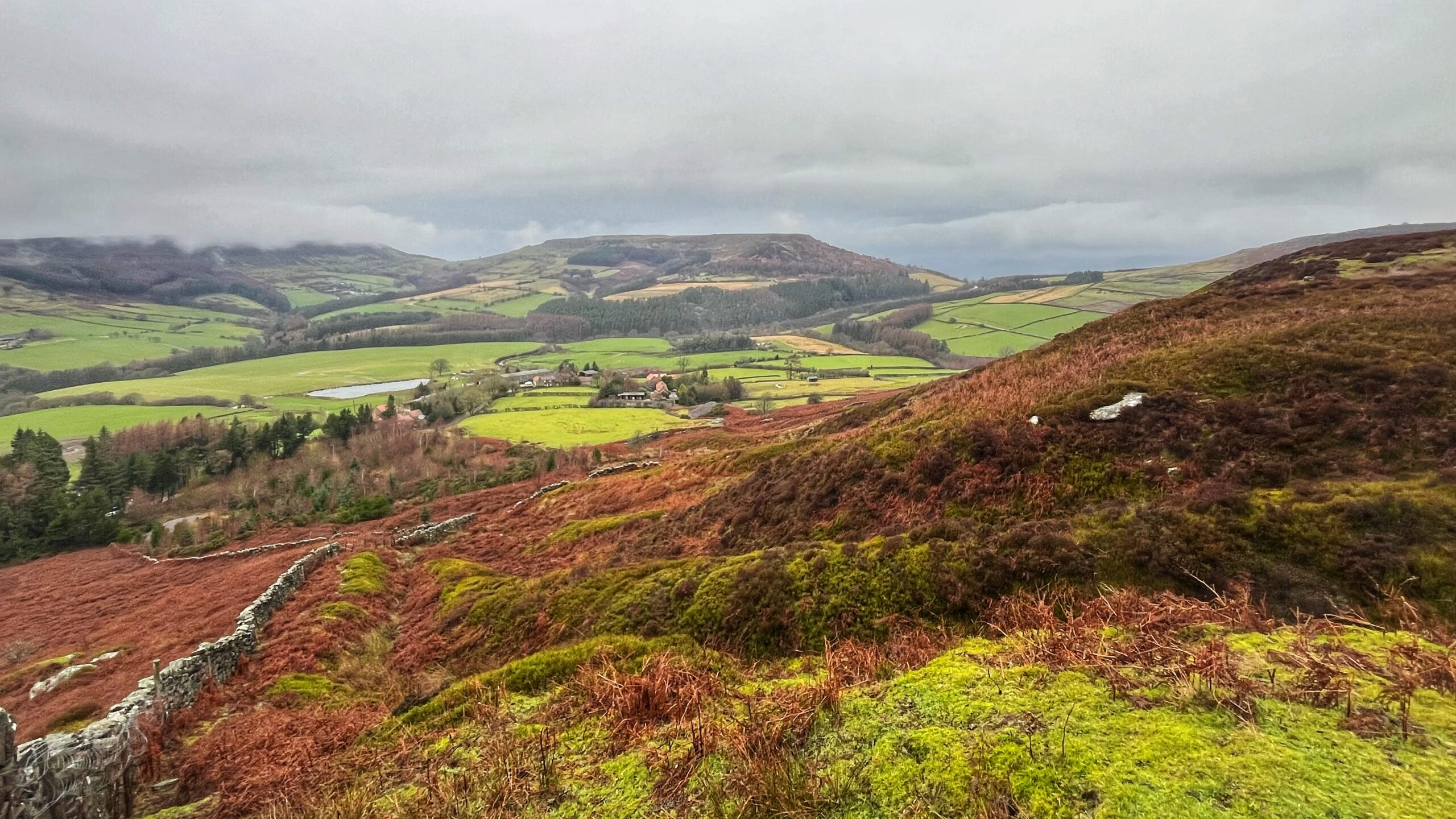
In windswept Bilsdale, a ring-fence of bank and ditch at Garfitts and a scatter of medieval sherds tell a story not often told. This was not always a quiet dale of lonely farms. For a brief, brittle spell it was a proving ground, a place where organised power tried to turn moor and forest into…
-
Shoring up the Leven
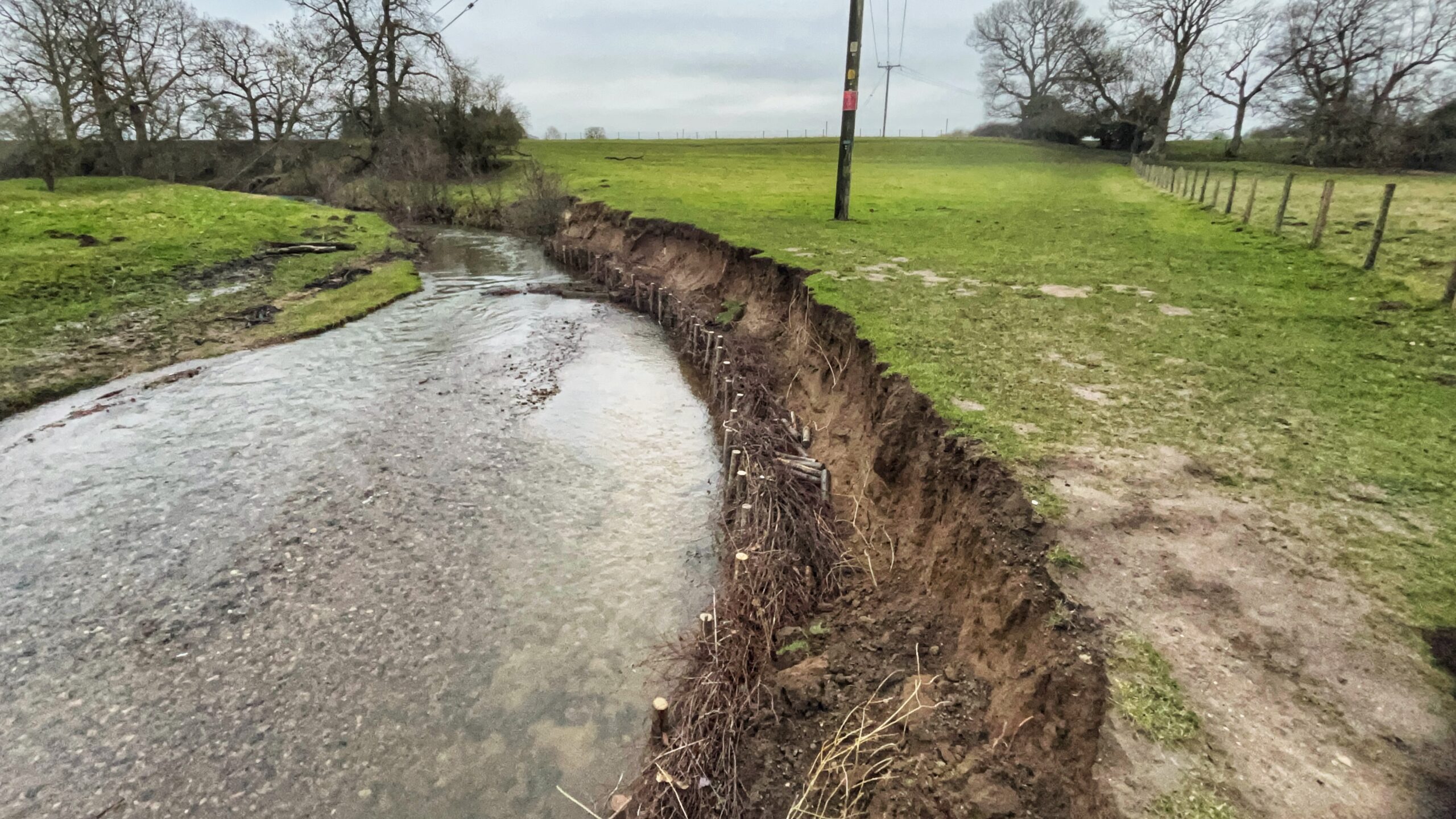
I have been fretting about the riverbank by Holmes Bridge at Little Ayton for a while now, the way you fret about a loose tooth. Each flood leaves that electricity pole looking more exposed, more hopeful of a swim. And every time the river rises, the public footpath from the bridge looks closer to stepping…
-
More Than a Water Tower
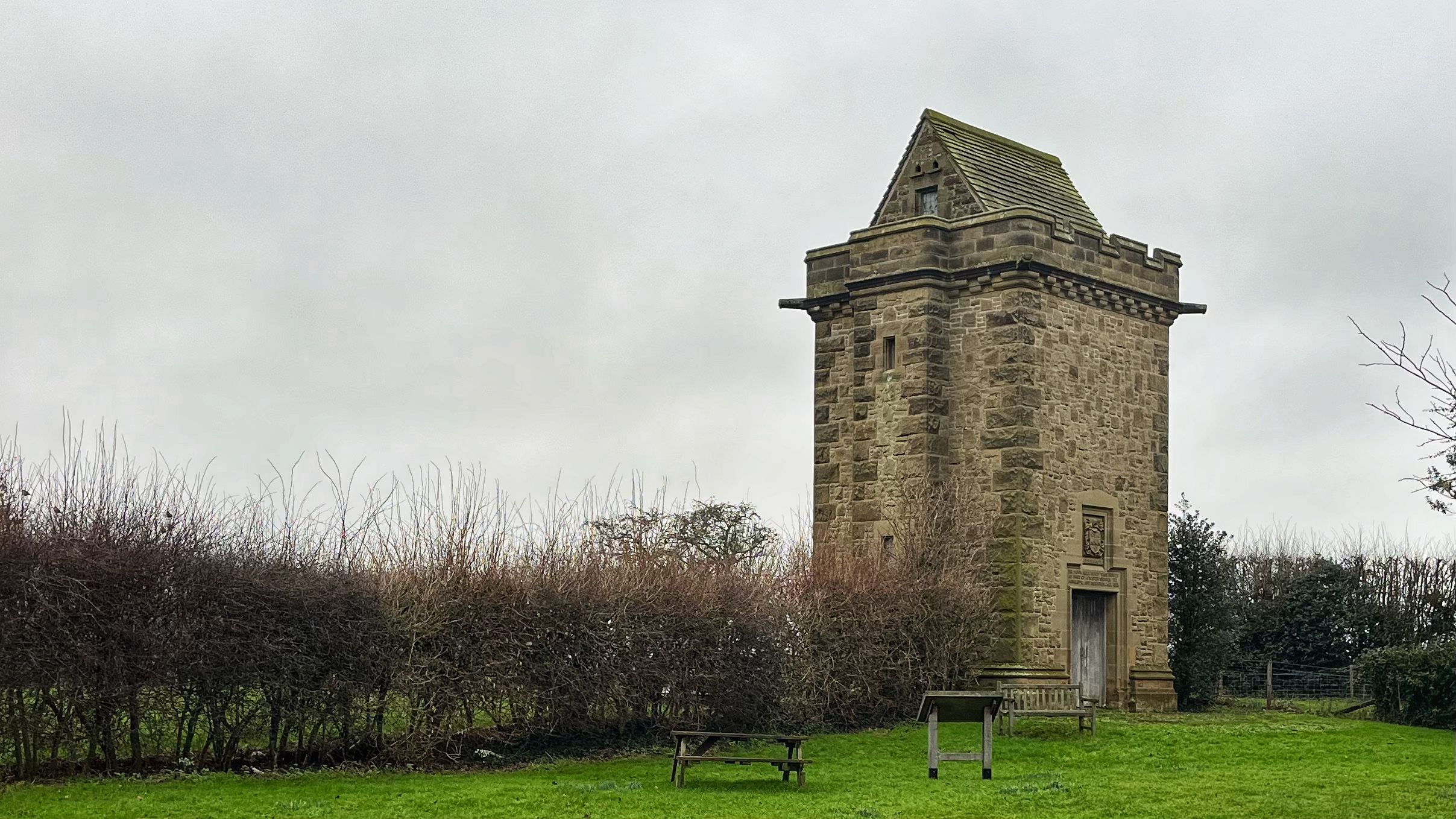
At first glance, this stone tower at Ingleby Arncliffe looks like a small, rugged castle left behind by history. It is easy to imagine it as a lookout, guarding the Cleveland Hills. But its story is not about defence or conflict. It is about hope, craft, and a quiet promise made for the future. This…
-
Solmōnaþ — Cake, Mud, and Lowered Hopes
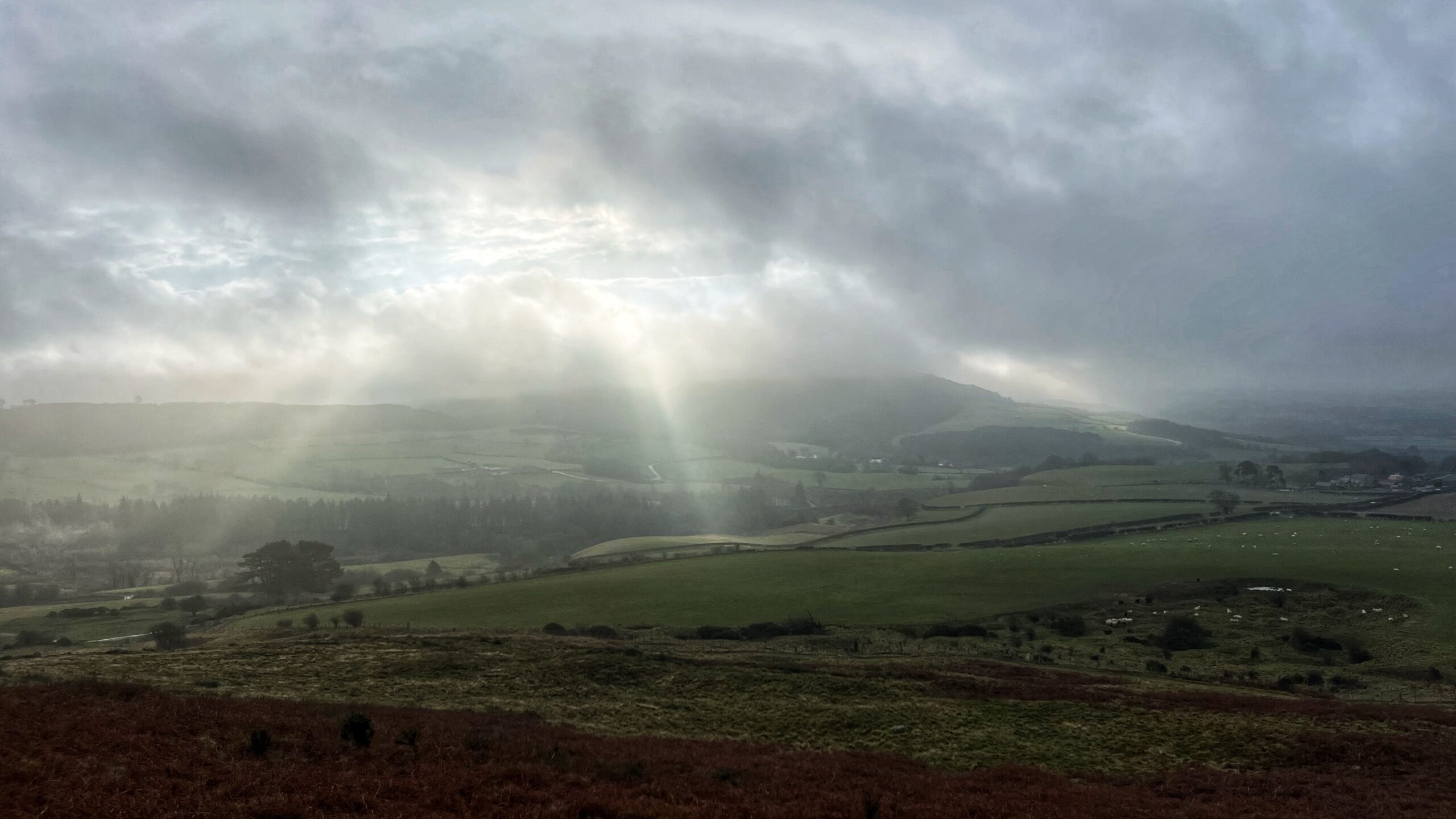
It is Solmōnaþ. Cake Month. A rare cause for cheer in the damp gloom of February. In the Anglo-Saxon calendar, Solmōnaþ sat where February is now. It marked a time when offerings were made to pagan gods, back when England was less Christian and more heathen. The idea was simple. Feed the gods and hope…