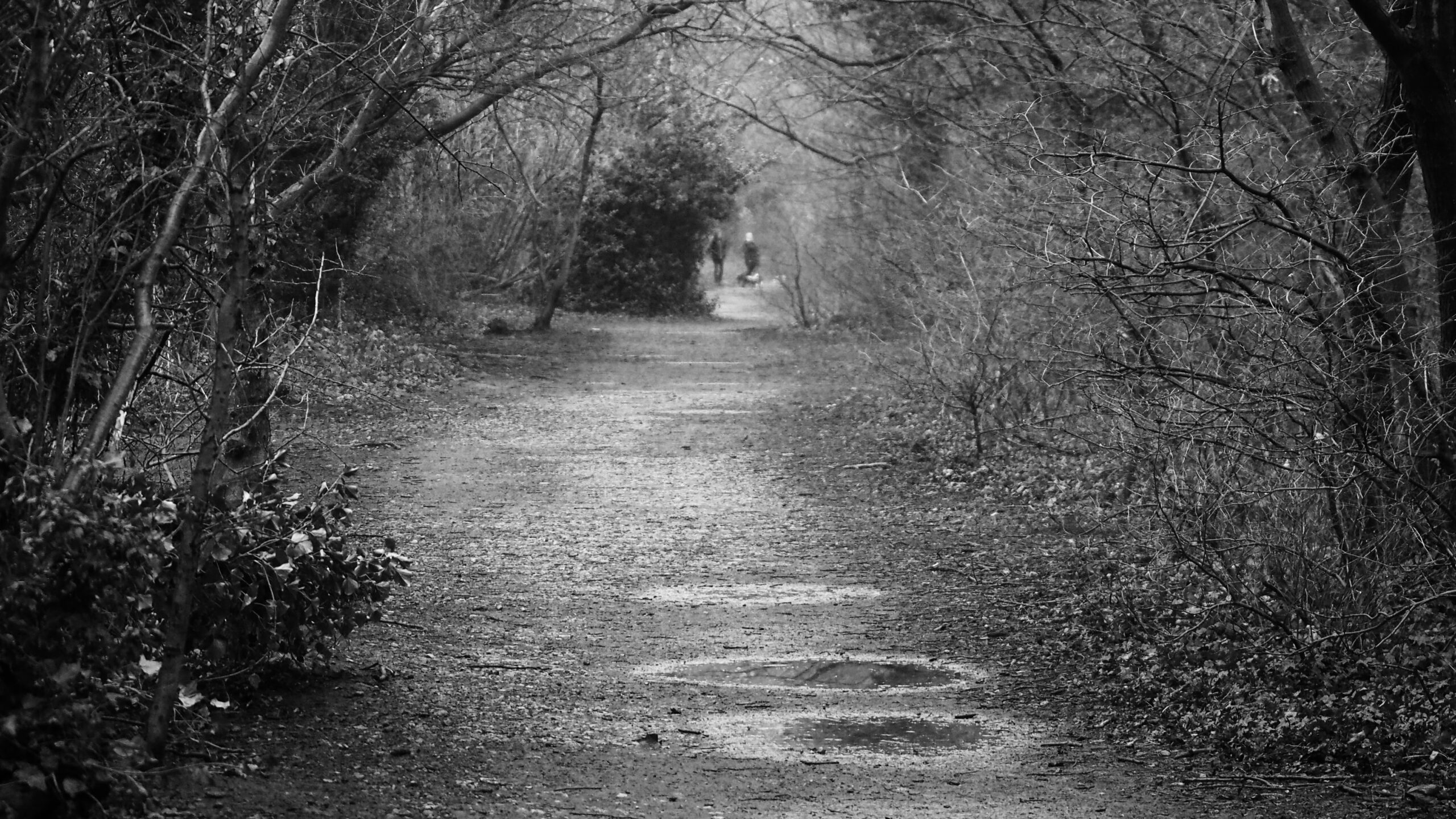
A gloomy photograph for a gloomy day in a gloomy month. The sky is doing that flat grey thing, the sort that drains the colour out of everything. As if on schedule, the news has joined in, with fresh misery arriving from across the Atlantic, where the headlines manage to sink the mood even further. With that as the backdrop, here comes the latest report, landing like putting on wet socks.
Picture the nation’s environment on the doctor’s table for its yearly check-up. The doctor this time is the Office for Environmental Protection, the official watchdog whose job is to tell us how England’s natural world is really doing. The latest report has landed, and it does not come with a cheery sticker. What it says matters to all of us, from our sense of who we are to the state of our wallets. Here are the four points that should make you stop what you’re doing.
First, the old story of England as a “green and pleasant land” takes a proper knock. The report says, without blinking, that “The UK has the distinction of being one of the most nature-depleted countries in the world and having one of the lowest rates of nature-connectedness.” That is not gentle criticism. It means we are not talking about sprucing up a well-kept garden. We are trying to revive something already on life support, after years of neglect that have left both nature and people cut off from each other.
Second, the main verdict is damning. The government is missing its own legally binding targets on basics like wildlife and clean water. These are not vague hopes. They are written into law. Yet the report finds, witheringly, a “little sense of urgency.” The Foreword spells it out: “Government’s progress continues to be too slow to overcome, even to keep up with, the environmental challenges the country now faces.” In other words, this is not fate or bad luck. As the report puts it, meeting or missing the 2030 targets is now a choice for this government.
Third, the report pours cold water on the idea that environmental damage is some fluffy side issue. Letting nature continue to rot could leave the UK’s GDP around 6% lower by the 2030s than it should be. That is not pocket change. On top of that, the OEP warns that losses like collapsing biodiversity will “amplify threats to national security,” feeding global problems such as “conflict for territory and resources, displacement and deteriorating health.” Nature breaking down does not stay politely in the countryside. It comes home with the bills.
Finally, and perhaps most maddeningly, the problem is not mainly a lack of laws. The report says England’s environmental rules are often good enough on paper. The failure is in actually carrying them out. The law, it says, “is not being implemented effectively or at the pace and scale needed.” This is less about dreaming up new rules and more about doing the basics properly, with some backbone and follow-through.
So the diagnosis is clear. The treatment plan exists. But the report warns that the window to hit the crucial 2030 targets is “closing fast,” while the patient keeps getting worse through simple inaction.
Time is slipping through our fingers. The question is whether these warnings finally lead to urgent action, or whether we keep admiring the beautiful sunsets while the house floods.
Sources:
‘Progress in Improving the Natural Environment in England 2024/2025 | Office for Environmental Protection’. 2026. Theoep.org.uk <https://www.theoep.org.uk/report/progress-improving-natural-environment-england-20242025> [accessed 17 January 2026]
‘Environmental Regulation – NAO Report’. 2026. National Audit Office (NAO) <https://www.nao.org.uk/reports/environmental-regulation/?nab=0> [accessed 17 January 2026]
Leave a Reply