Month: July 2016
-
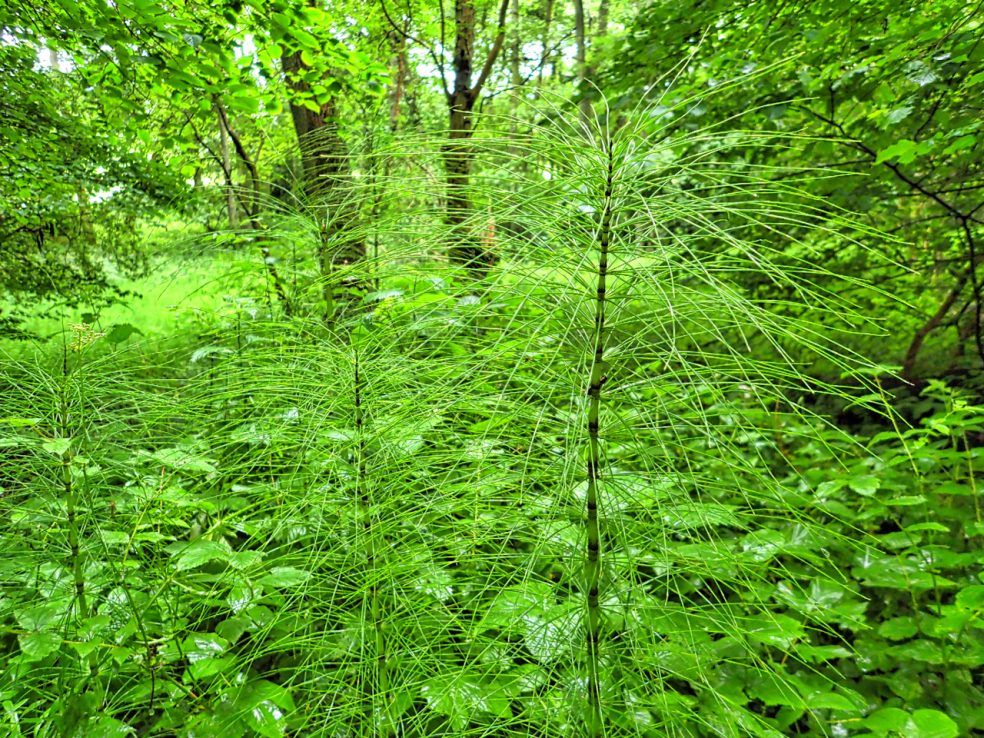
Horse Tails
Horse Tails has been described as a living fossil. It is the only surviving member of the class of plants known as Equisetopsida which dominated the forests 360 million years ago during the Carboniferous period. At a time when the dinosaurs still had to evolve Equisetopsida for 100 million years grew up to a height of 30m during which our coal…
-
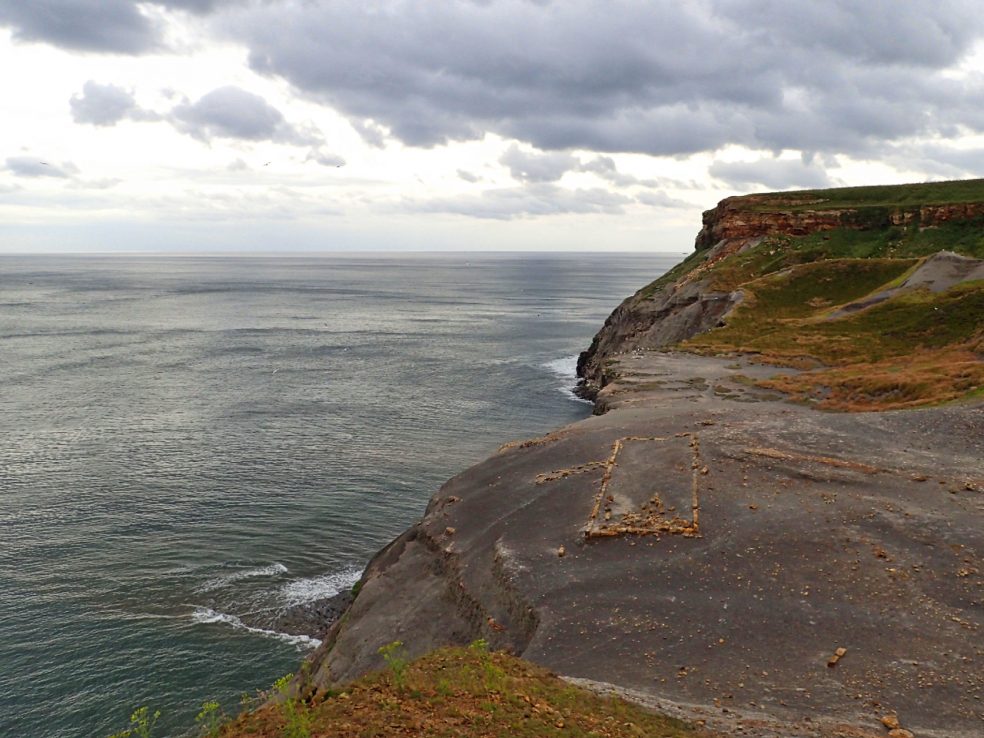
Kettleness Alum Works
The alum works at Kettleness has completely transformed the promontory jutting out into the North Sea. It resembles a moonscape where nothing much grows even after the 150 years since the last alum was produced. Work started in the early 18th century. There are few remains. Much have been lost to the sea. It is only a…
-
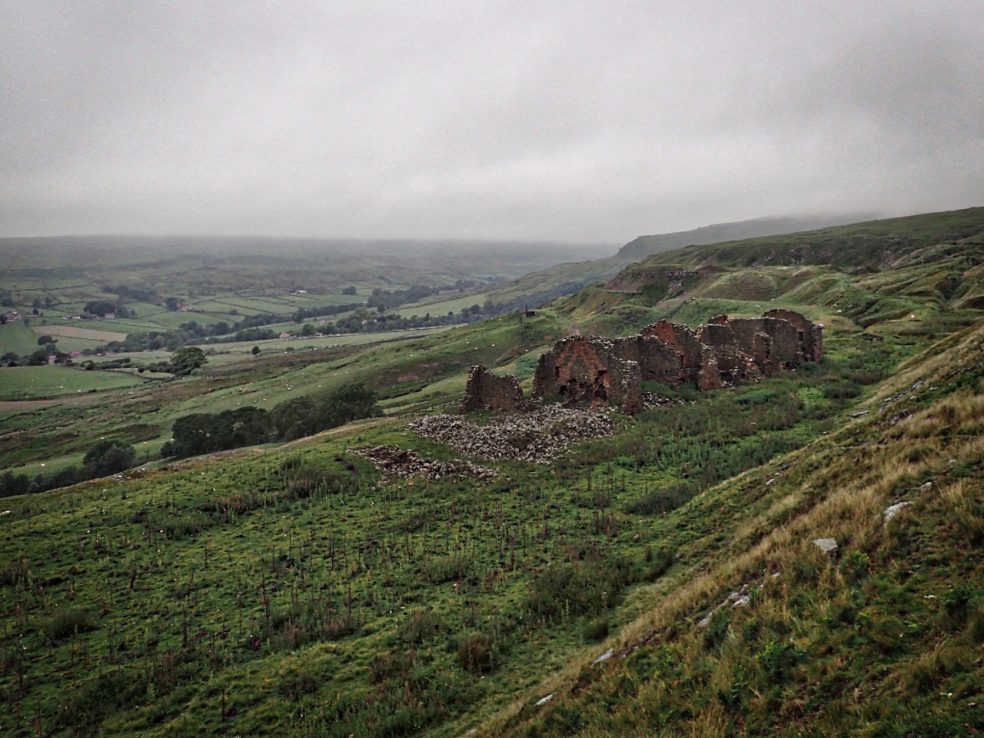
High Baring Cottages
Why is it, I thought as I was driving over Rosedale Head, that every time I head into Rosedale it’s damp and it’s foggy. A truly miserable morning. The plan had been to park high on the east side, cross the dale and have a look at the kilns on the west side. Dropping out of…
-
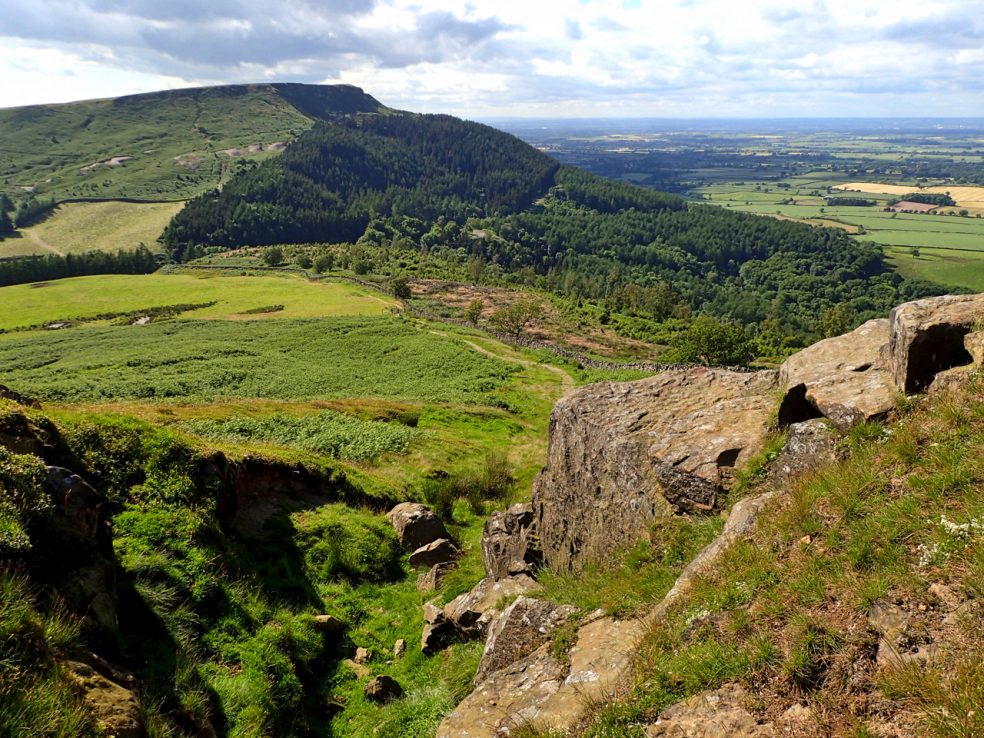
Hasty Bank
A view west from Carr Ridge towards Hasty Bank. Whether the gulley is natural or man made, a holloway created by the centuries of use, is uncertain. The track is certainly of antinquity, an old way called Haggesgate which linked the market town of Stokesley to the Thurkilsti road heading south along Bransdale Rigg to Welburn. In parts of Yorkshire,…
-
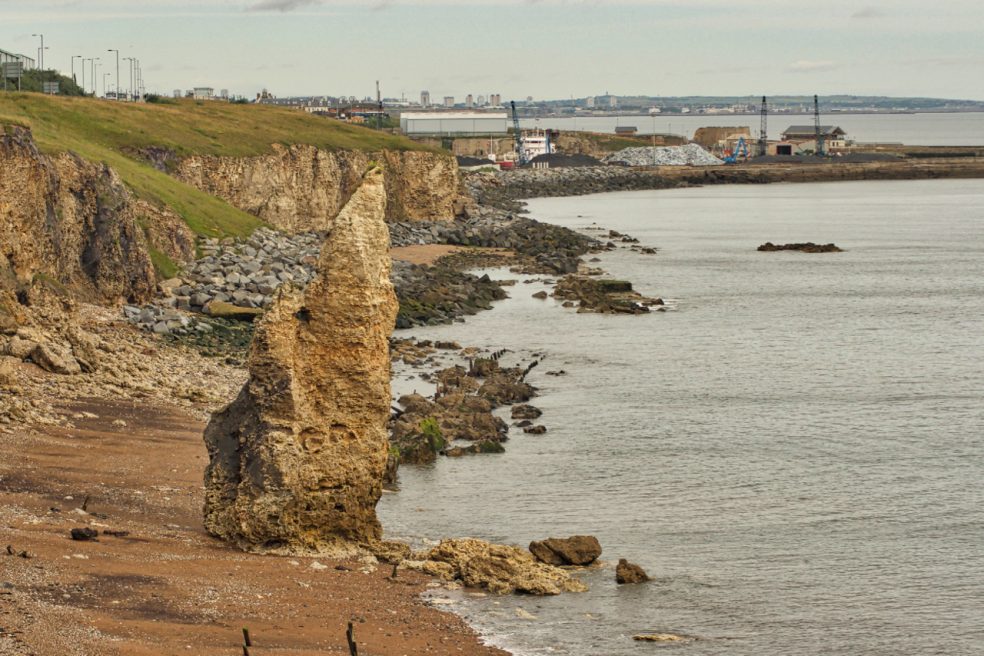
Sea Stack, Chemical Beach, Seaham
A surprisingly unnamed magnesian limestone sea stack on the Durham coast. The beach on which it sits, south of Seaham, is named after the Seaham Chemical Works which occupied the immediate cliff top for a short time. It was established in the 1860s, by the 1890s it had gone. But Chemical Beach continued to be…
-
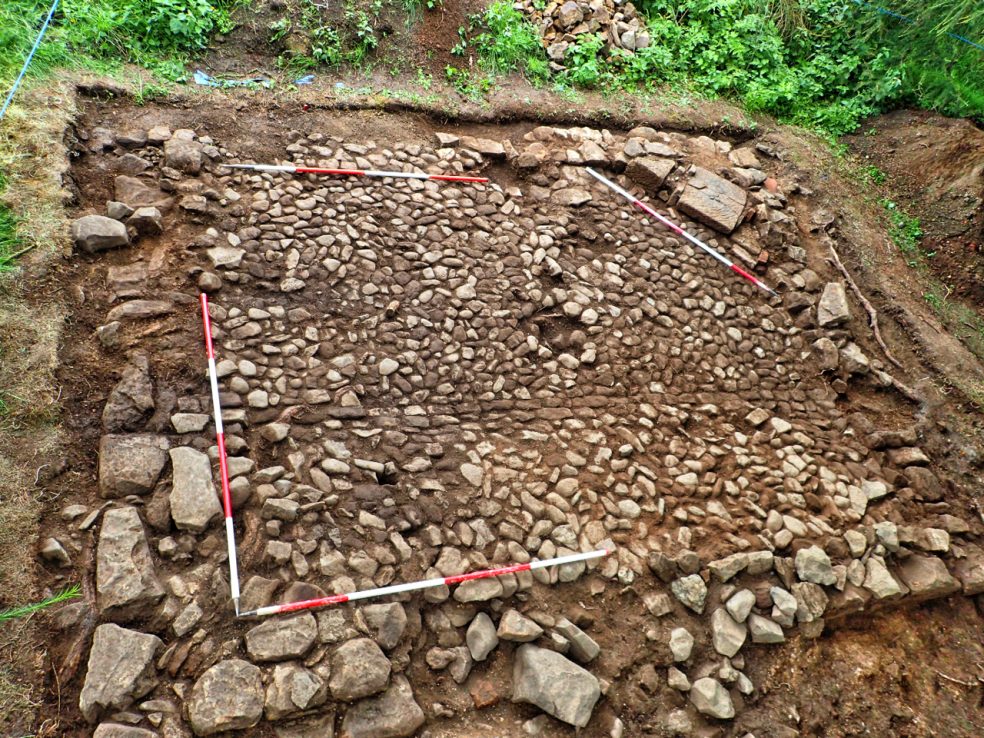
Capt. Cooks’ Cottage Archaelogical Dig
That’s it. That’s as far as we go. The archaeological excavation at Aireyholme Farm, near Great Ayton, is done. Today has been spent tidying and cleaning for photographing and recording. Going on the evidence of oral tradition of the farmer at Aireyholme that the boyhood home of Capt. James Cook was within a stand of…
-
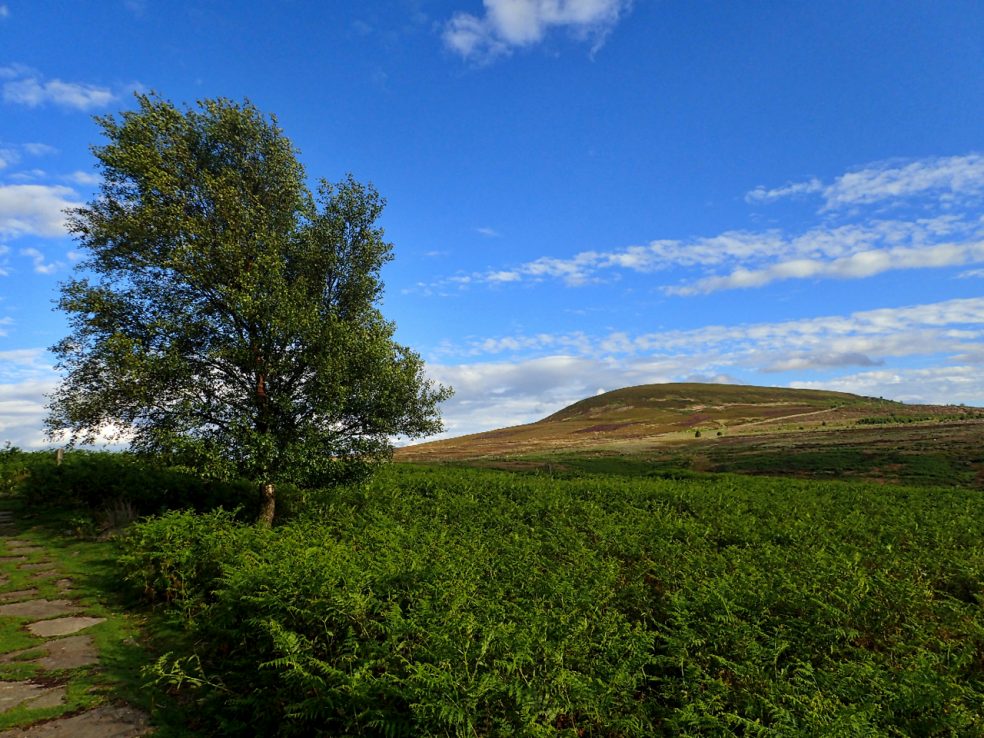
Black Hambleton
The Tabular Hills make up most of the southern half of the North York Moors. Hills with a hard limestone cap. At 1,308 feet Black Hambleton is the highest point making it, for hill bagging enthusiasts, both a Hump and a Tump. A Hump stands for HUndred Metre Prominence and is defined as a hill with a drop…
-
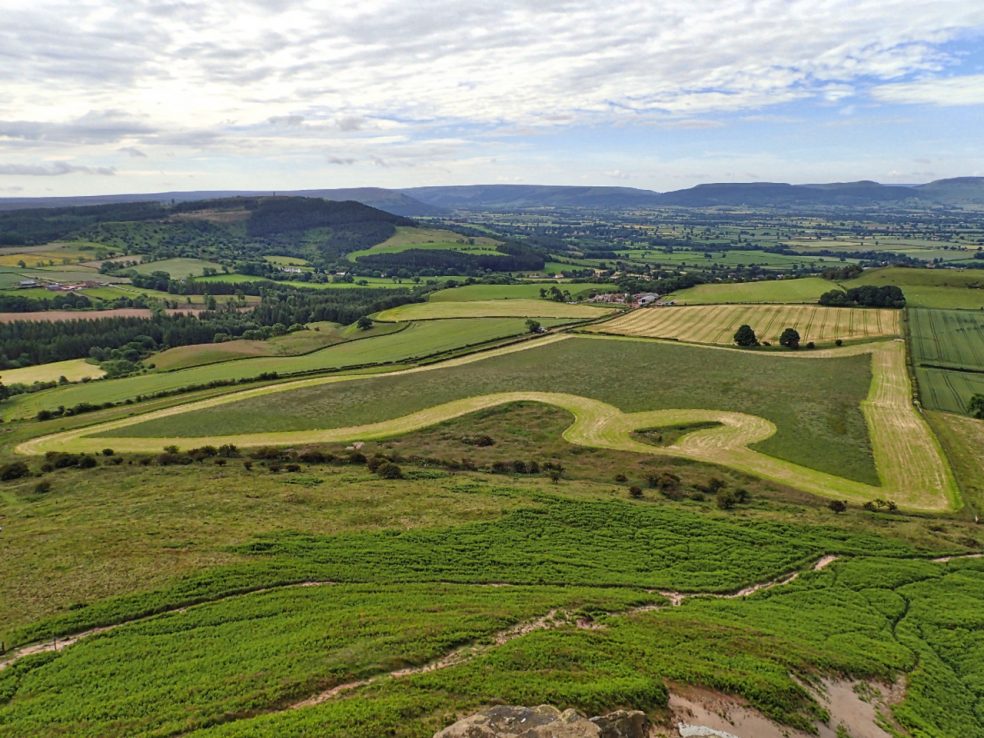
Aireyholme
This made me smile. From the top of Roseberry. It could almost be described as art but I doubt that is what the farmer at Aireyholme intended. A question for the intellectuals amongst you: does there have to be intent to create a work of art? The teardrop island and the squat peninsular closest are where the ground is broken.…
-
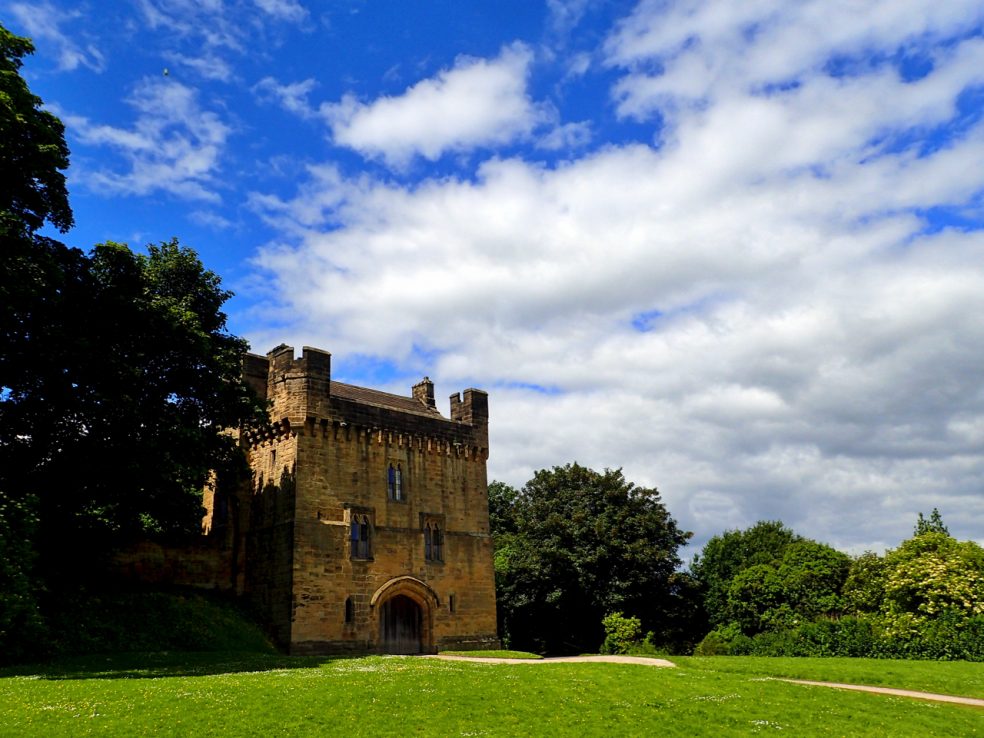
Morpeth Castle
Morpeth Castle; or what remains of it. This is actually just the gatehouse and dates from the 1340s. Very little is left of the rest of the castle. But even though this gatehouse has been much altered throughout the centuries it is a Scheduled Ancient Monument and Grade I listed building. It is now used as a holiday…
-
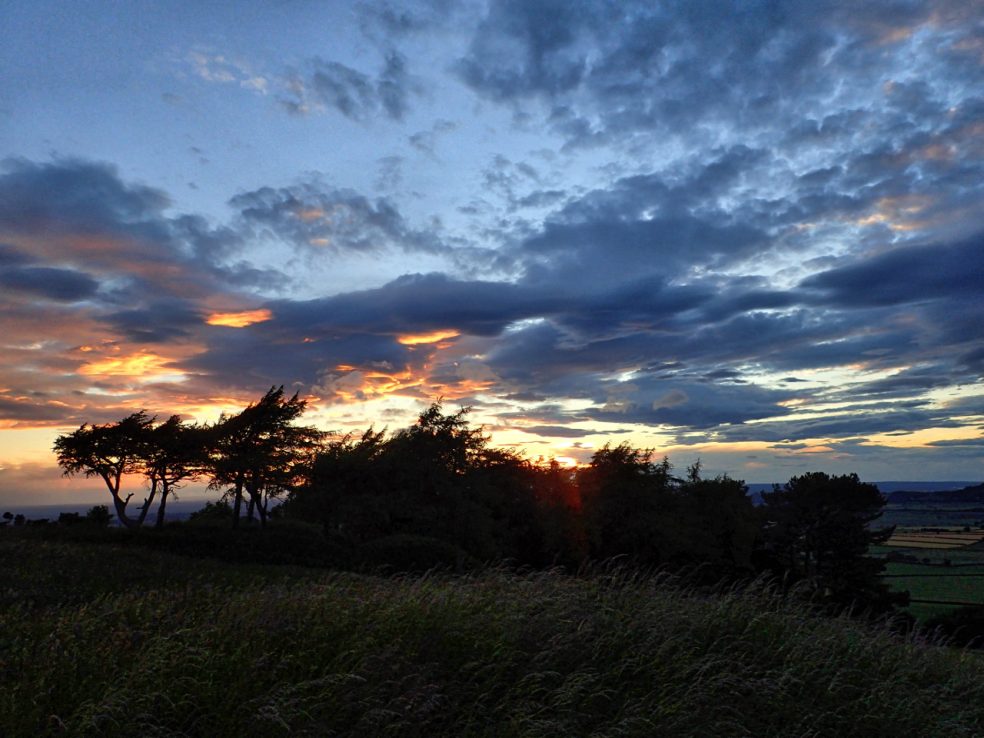
Cliff Rigg
Dashed up to Cliff Rigg above Great Ayton to catch the sunset. Not spectacular but good after a dull overcast morning.